_1745823981883.webp)

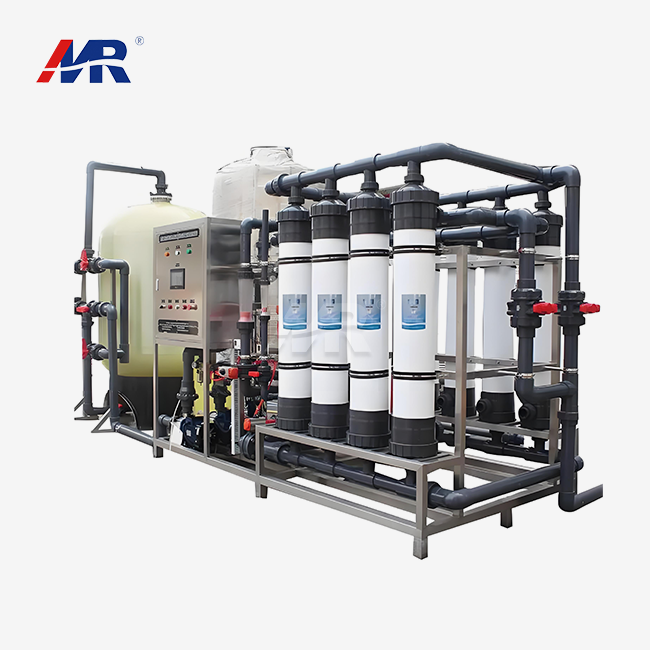
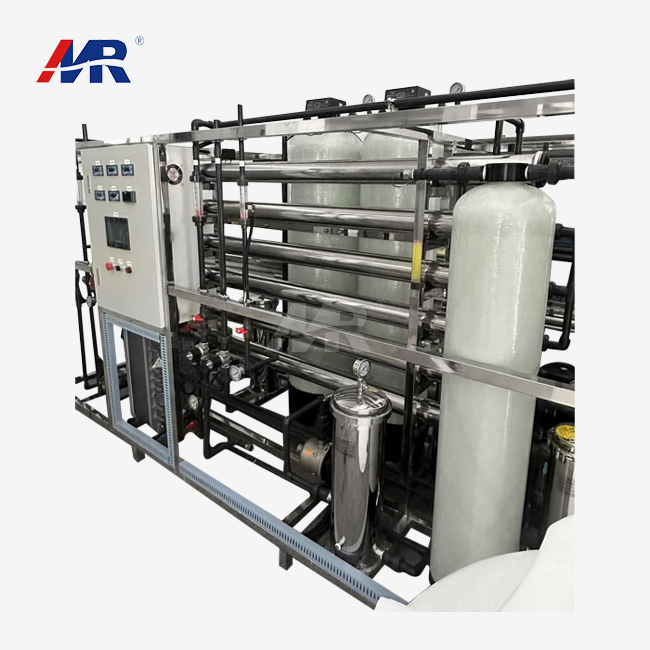
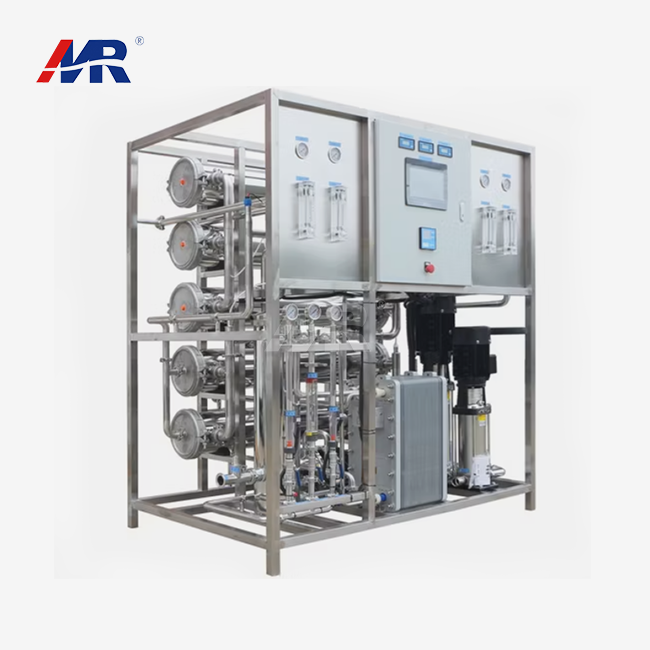
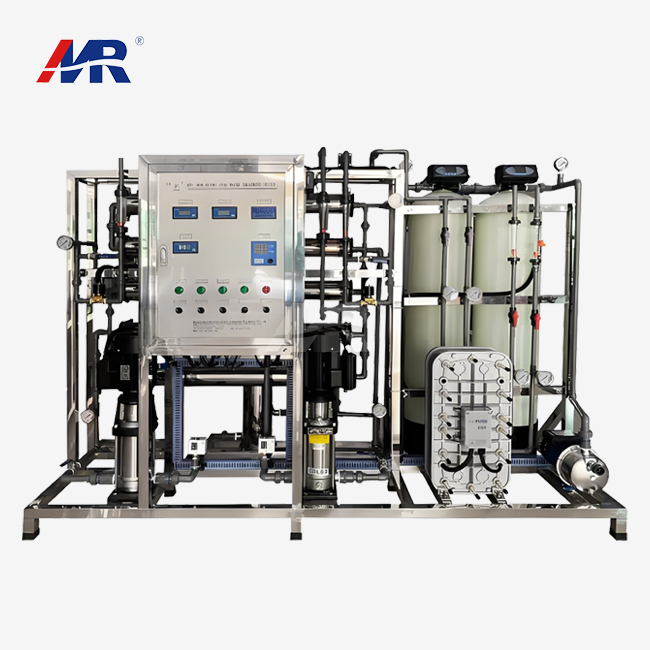
It takes a lot of planning and study to find trustworthy sellers in Morocco who can get high-quality electro deionizer system components from China. Chinese factories have been able to work with many Moroccan businesses because of the growing demand for ultrapure water options in North Africa. These systems are very important for making drugs, semiconductors, and electricity. They use advanced electrodeionization technology to make sure that high-purity water is always available without having to regenerate chemically. When Moroccan businesses understand buying, they can find good deals on goods and services that meet global standards of quality.
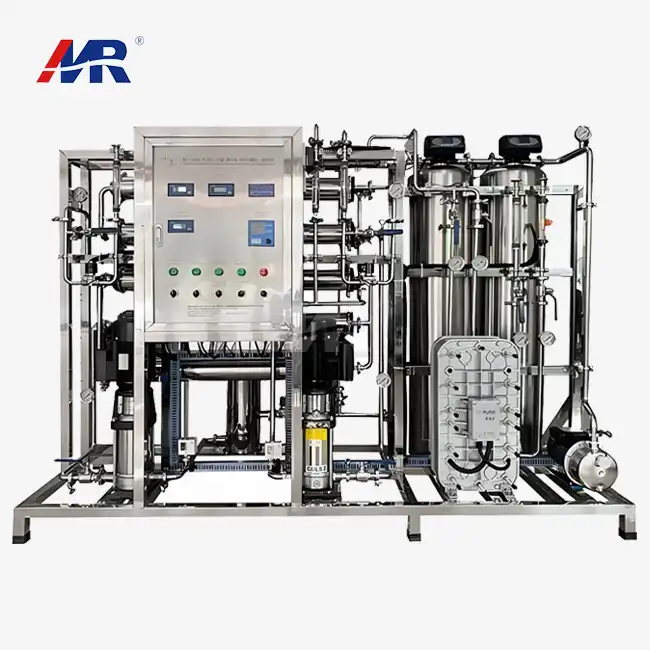
Understanding Electrodeionization Technology and Its Global Impact
Revolutionary Water Purification Technology
Electrodeionization is a big step forward in the technique used to clean water. Using electrical current on ion exchange membranes is a way to constantly remove ions that are released. Unlike most mixed bed systems, EDI technology doesn't need to be chemically regenerated. This makes it environmentally friendly and cheap for long-term use.
The method makes water so pure that its resistivity values hit 18.2 MΩ·cm. This very high level of cleanliness meets the strict standards for making semiconductors, making drugs, and feeding water to power plant boilers. The ability to run continuously gets rid of the downtime that comes with resin recovery processes.
Key Applications Driving Market Demand
Pharmaceutical and biotechnology industries rely heavily on electrodeionization systems for producing GMP-compliant purified water. These facilities require consistent water quality for drug manufacturing, laboratory testing, and equipment cleaning processes. The chemical-free operation aligns with regulatory requirements and environmental sustainability goals.
Semiconductor manufacturing demands the highest water purity standards. Electro deionizer system integrated with reverse osmosis pretreatment delivers the ultrapure water necessary for chip fabrication and wafer cleaning. The compact design facilitates installation in cleanroom environments where space optimization is critical.
Power generation plants utilize these systems for boiler feed water preparation. The high-purity water prevents scale formation and corrosion in steam generation equipment. The reliable operation reduces maintenance costs and extends equipment lifespan significantly.
Supply and Demand Analysis Across Asia, South America, and Africa
Asian Market Leadership in Manufacturing
China dominates the global electrodeionization equipment manufacturing sector. The country's extensive industrial base, advanced membrane technology, and competitive pricing attract international buyers. Chinese manufacturers have invested heavily in research and development, producing systems that meet international quality standards.
The Asian market benefits from strong domestic demand across various industries. Electronics manufacturing hubs in China, South Korea, and Taiwan drive significant demand for ultrapure water systems. This robust home market enables manufacturers to achieve economies of scale and competitive pricing for export markets.
Emerging Opportunities in Africa and South America
African countries are experiencing rapid industrial growth, creating new demand for water treatment solutions. Mining operations, pharmaceutical manufacturing, and food processing facilities require reliable water purification systems. The expanding healthcare infrastructure drives additional demand for medical-grade pure water equipment.
South American markets present substantial growth potential, particularly in Brazil, Argentina, and Chile. The region's growing pharmaceutical industry and expanding electronics manufacturing sector create opportunities for electro deionizer system suppliers. Agricultural applications, including greenhouse operations and specialized crop production, also drive demand for high-quality irrigation water.
Market Dynamics and Growth Projections
The global electrodeionization market continues to expand at a compound annual growth rate exceeding 7%. Environmental regulations favoring chemical-free water treatment processes accelerate adoption rates. Rising awareness of operational cost benefits drives the replacement of traditional ion exchange systems.
Water scarcity concerns in many regions increase focus on efficient water treatment technologies. edi systems' high recovery rates and minimal waste generation align with sustainability objectives. Government initiatives promoting clean technology adoption further support market growth.
Comparing Sourcing Channels and Procurement Strategies
Direct Manufacturer Relationships
Working directly with Chinese manufacturers offers several advantages. Buyers gain access to competitive pricing, customization options, and Technical support. Direct relationships facilitate better communication regarding specifications and quality requirements. However, this approach requires substantial due diligence and ongoing relationship management.
Minimum order quantities from manufacturers typically range from 5 to 50 units, depending on system complexity. Payment terms often include 30% advance payment with the balance due before shipment. Delivery timeframes vary from 4 to 12 weeks based on customization requirements and production schedules.
Local Distributors and Representatives
Moroccan distributors specializing in water treatment equipment provide valuable local support. These partners understand regional market requirements and regulatory compliance needs. They offer installation services, spare parts inventory, and ongoing technical support. The markup over direct pricing typically ranges from 15-30%.
Established distributors maintain relationships with multiple Chinese electro deionizer system suppliers, providing buyers with various options and competitive pricing. They handle import documentation, customs clearance, and local logistics efficiently. This approach reduces procurement complexity but may limit customization options.
B2B Platforms and Trading Companies
Online B2B platforms connect buyers with multiple suppliers efficiently. These platforms facilitate price comparisons and supplier verification through ratings and reviews. Trading companies serve as intermediaries, handling logistics and providing consolidated shipments for smaller orders.
The following table outlines key advantages and considerations for each sourcing channel:
| Sourcing Channel | Advantages | Considerations | Best For |
|---|---|---|---|
| Direct Manufacturer | Best pricing, customization, and direct communication | Higher MOQs, due diligence required | Large volume purchases |
| Local Distributor | Local support, easier logistics, smaller quantities | Higher pricing, limited supplier options | Ongoing support needs |
| B2B Platform | Multiple options, transparent pricing, verification tools | Quality verification challenges | Market research, small orders |
| Trading Company | Consolidated shipping, reduced complexity | Limited technical support | Mixed equipment orders |
Practical Procurement Guidelines and Quality Control
Supplier Verification and Due Diligence
A detailed look at suppliers stops expensive mistakes in buying. Check ISO approvals and quality standards that are specific to the business. Ask for case studies and customer references that show how installations have gone well. When you can, do site checks to get an idea of how well things can be made and how quality is kept under control.
An evaluation of financial security can help keep the supply chain from breaking down. Look over the credit scores and financial records of the business. Check how much you can make to be sure you can meet your supply promises. Manufacturers that have been in business a long time and have a lot of different types of customers usually are more reliable.
Technical Specification Validation
Sharing detailed technology specs with others helps people avoid mistakes and make sure their electro deionizer system will work together. Make sure that the quality of the water that goes into the system, the needed output, and the working conditions are all clearly defined. Add in external factors that affect efficiency, like temperature ranges and humidity levels.
Ask for full records that have repair methods, electrical schematics, and pictures of how the processes work. Make sure you follow the right foreign rules, like the FDA or CE marking, or follow the rules in your area. Check the guarantee terms and the availability of spare parts so that long-term help can be given.
Quality Control Checkpoints
Do multiple quality checks at every stage of the buying process. Before shipping, factory acceptance testing checks the performance of the system. Third-party testing services check the quality of things on their own. Make a record of all test results and performance data so you can look at them later.
Before making a bigger purchase, think about buying some sample Products to try out first. This method makes it possible to confirm the behavior under situations that are actually happening. Set clear testing and acceptance standards so that you can be sure of an objective review.
Cost Optimization and Risk Management Strategies
Understanding Total Cost of Ownership
The initial buying price is only a part of the total cost. Electricity use, membrane repair, and pretreatment products are all part of the operating costs. If the EDI system is built well, it will use less than 0.1 kWh per cubic meter of cleaned water. This greatly lowers the cost of running the system.
Maintenance needs change depending on how the system is designed and how it is used. Modular designs make upkeep and part change easy. Installation costs, training needs, and ongoing professional help should all be considered when figuring out the total cost.
Payment Terms and Financial Protection
Paying the right way is good for the buyer and the seller. The buyer should be protected, and the seller's needs should be met. When you use a letter of credit for electro deionizer system, both you and the seller are protected, and it makes buying and selling across country borders easier. For big buys, escrow services give extra safety.
Think about getting protection for your equipment while it's being shipped, and during the first time it's being used. Performance bonds make sure that the system meets the needs of the bond. Make it clear what the penalties will be for late deliveries or poor performance.
Common Procurement Pitfalls
Systems that don't meet efficiency standards are the result of poor technical specs. If you rush the decision process without taking the time to properly evaluate, you are more likely to choose the wrong suppliers. Ignoring long-term support needs can make it hard for things to keep working.
People make bad choices when they focus too much on the price of something without thinking about how much it will cost to own it. Not paying enough attention to legal compliance can cause delays and extra costs. Installing and finishing are times when bad communication can cause problems that aren't needed.
Regional Market Trends and Future Outlook
Technology Advancement and Innovation
Ongoing advances in technology make systems more efficient and dependable. Advanced membrane materials make the ion removal process more efficient and increase the operating life. Intelligent tracking systems can tell you how well something is working right away and can also predict when a repair will be needed.
By connecting with digital control systems, you can keep an eye on and improve performance from afar. AI apps help keep working settings in the best possible state and predict when maintenance needs to be done. These new ideas make the system more reliable and lower the cost of running it.
Regulatory Environment and Standards
As rules change, they more and more support water treatment methods that are better for the earth. Chemical-free electro deionizer system solutions are more appealing now that it is harder to release chemicals. When water safety standards are the same around the world, it is easier to get tools from other countries.
Rules for different industries keep changing, especially in the pharmacy and food processing sectors. It is easier to avoid expensive changes and make sure you follow the rules when you stay up to date on legal changes. Suppliers who know about the target market make it easier to get things approved.
Conclusion
When companies in Morocco's many different industries get high-quality electrodeionization systems from makers in China, they can do great things. Chinese providers are good partners for water treatment projects because they use modern technology, offer low prices, and have a history of good performance. Success needs a lot of technical review, careful source selection, and broad quality control steps. The need for ultrapure water solutions in the fields of medicine, technology, and industry is rising, which means that the market will be strong. If sellers focus on the total cost of ownership and follow buying best practices, they can get the best results and build long-lasting relationships with suppliers that will help their businesses grow.
FAQ
Q1: What is the typical lifespan of an electrodeionization system?
A: Well-maintained EDI systems typically operate effectively for 15-20 years. The EDI membranes usually require replacement every 3-5 years, depending on operating conditions and water quality. Regular maintenance and proper pretreatment significantly extend system life.
Q2: How do I determine the right system capacity for my application?
A: System sizing depends on peak flow requirements, operating hours, and storage capacity. Consider future expansion needs and seasonal demand variations. Most manufacturers provide sizing calculators based on your specific application requirements and operating conditions.
Q3: What pretreatment is required for EDI systems?
A: EDI systems require inlet water with conductivity below 20 µS/cm, typically achieved through reverse osmosis pretreatment. Additional pretreatment may include carbon filtration, water softening, and antiscalant injection, depending on source water characteristics.
Partner with Morui for Premium Electrodeionization Solutions
Guangdong Morui Environmental Technology stands as your trusted electro deionizer system supplier with over 14 years of water treatment expertise. Our comprehensive solutions span industrial wastewater treatment, seawater desalination, and ultrapure water production across 14 global branches. With 500 dedicated employees and 20 specialized engineers, Morui delivers complete installation and commissioning services backed by our own membrane production facilities. Our extensive supplier network includes premium brands like Shimge Water Pumps and Runxin Valves, ensuring comprehensive system integration. Experience the Morui difference through our proven track record serving the pharmaceutical, semiconductor, and power generation industries worldwide. Ready to explore premium electrodeionization solutions? Contact us at benson@guangdongmorui.com for detailed consultation and competitive pricing.
References
1. International Water Association. "Electrodeionization Technology in Industrial Water Treatment Applications." Water Treatment and Membrane Technology Handbook, 2023.
2. Smith, R.J. and Chen, L. "Advances in Electrodeionization Systems for Pharmaceutical Water Production." Journal of Water Process Engineering, Vol. 45, 2023.
3. African Development Bank. "Water Infrastructure Development and Industrial Growth in North Africa." Regional Economic Outlook Report, 2023.
4. Global Water Intelligence. "EDI Market Analysis: Technology Trends and Regional Demand Patterns." Industrial Water Treatment Market Report, 2023.
5. Martinez, C.A. "Electrodeionization vs Traditional Ion Exchange: Comparative Cost Analysis." Water Technology Magazine, September 2023.
6. Wang, H. and Al-Rashid, M. "Quality Control Standards for Imported Water Treatment Equipment in MENA Region." Middle East Water and Environment Review, 2023.