_1745823981883.webp)

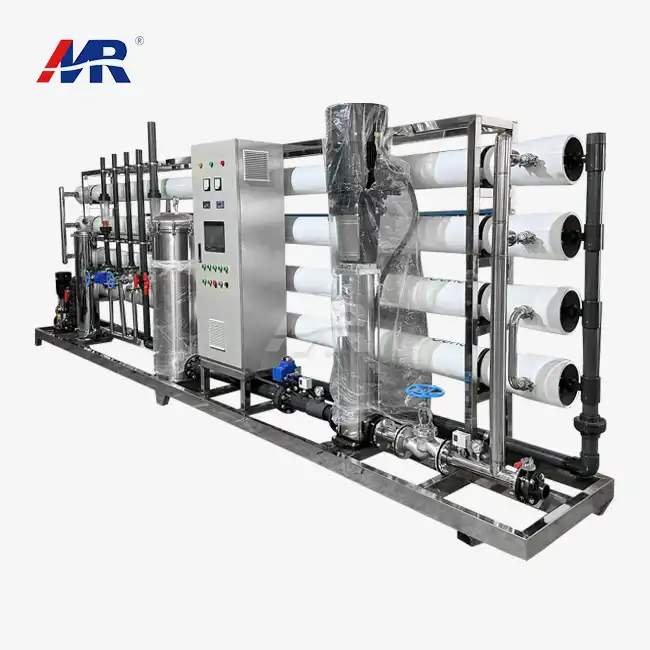
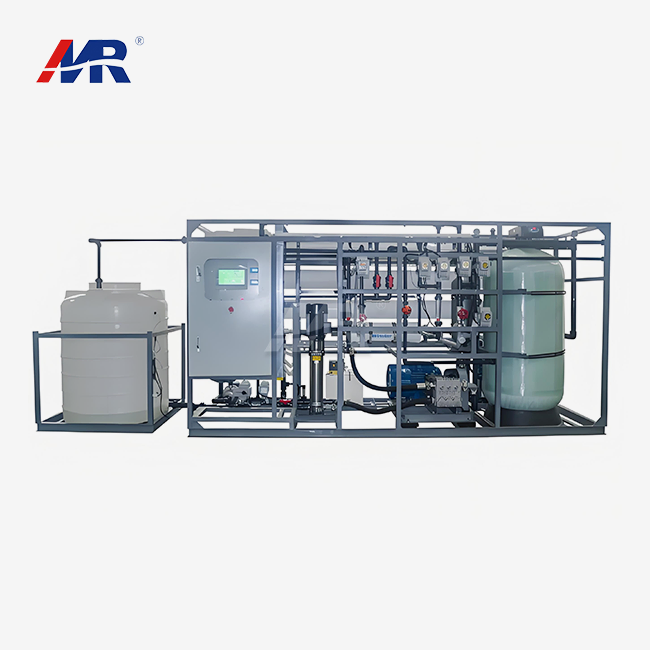
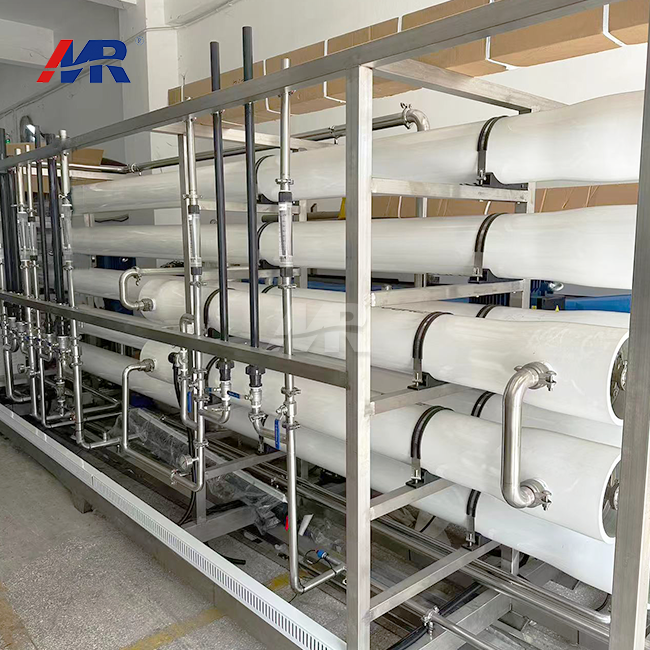
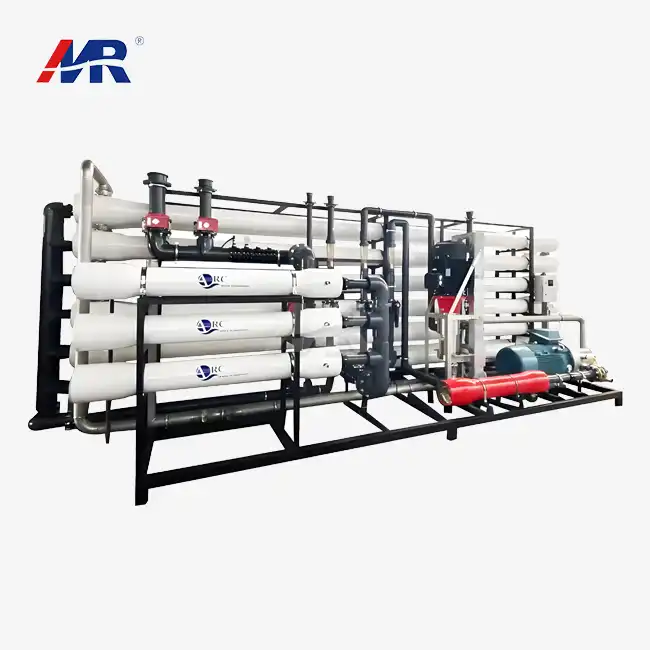
Recycling water used in industry is now very important for companies all over the world. membrane/membrane-mbr">Membrane bioreactor MBR technology stands out as one of the most effective options currently available. This advanced system uses both biological treatment and membrane filters to get the water quality that is good enough to be used again in a number of different commercial settings. Membrane bioreactor systems are very useful because they can be used in many different ways and work very well. This makes them necessary for businesses that want to handle water sustainably while still doing a great job at their main business.

Understanding Membrane Bioreactor Technology for Industrial Applications
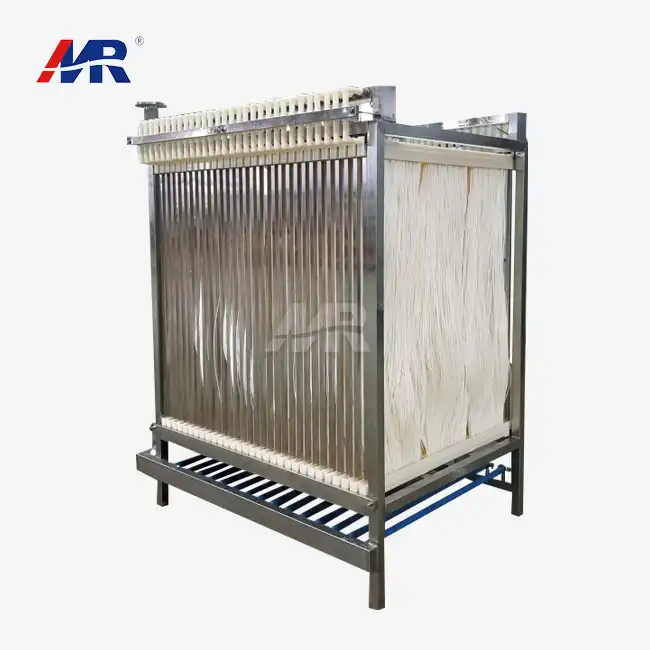
Membrane bioreactor technology is a big step forward in the way that wastewater is treated. MBR technology is different from traditional activated sludge systems because it combines bacterial treatment with ultrafiltration or microfiltration membranes. This mix makes a strong process that always makes high-quality wastewater.
The biological part uses bacteria to get rid of organic pollution naturally. At the same time, the membrane filter device removes microorganisms and solids from the water by physically separating them. This two-step method makes sure that the wastewater is treated to a better quality than it would be using standard methods.
This technology is good for industries because it can solve a lot of problems at the same time. Space issues often make it hard to use standard treatment methods, but MBR systems need a lot less space. They are perfect for places with little space because of their small shape and high performance standards.
Food and Beverage Industry Applications
The food and drink industry makes a lot of garbage that has oils, organic matter, and other pollutants in it. When it comes to dealing with these difficult types of waste and recycling the water they contain, membrane bioreactor systems really shine.
Membrane bioreactor MBR technology is especially helpful for dairy production plants. These processes make wastewater that has a high metabolic oxygen demand and a lot of solids that are floating in the liquid. The biological part of the process breaks down organic materials, and membrane filtering gets rid of the rest of the particles. The water that has been treated is clean enough to be used on machines, in cooling systems, and for field watering.
When making drinks, companies use MBR systems to clean the water that has sugars, acids, and chemicals for washing in it. The technology can handle the different types of loads that are typical in these types of buildings. For uses that don't come into contact with the product, treated wastewater can be used instead of fresh water. This can cut the total amount of water used by as much as 70%.
Brewery activities are another example of a good application. The fermentation process makes sludge with organic loads that change over time. MBR systems keep the quality of the sewage steady, even when things change. The water that was salvaged is used for many things, such as washing bottles, cleaning equipment, and making up water for the cooling tower.
Pharmaceutical and Chemical Manufacturing Solutions
Pharmaceutical companies need strict rules about water quality for making drugs and treating trash. Membrane bioreactor MBR technology meets these tough needs and allows water recovery projects that lower the cost of doing things.
Making active medicinal ingredients creates difficult sludge that has organic solvents, antibiotics, and a bunch of other chemicals in it. These difficult streams are often hard to deal with using traditional biological treatment. MBR systems offer better biological treatment by keeping sludge in the system for a longer time and allowing for better control of the process. The membrane layer keeps dangerous chemicals from getting through, which keeps the effluent quality steady.
MBR technology's ability to handle harmful chemicals is useful for chemical-making plants. The system keeps biological groups steady, even when it has to deal with tough waste streams. Specialized membrane sections keep chemicals away from each other and make sure that separation works every time.
Research labs and sites create different types of wastewater that need special cleaning. MBR systems make clean water that is okay to use for non-critical purposes, even though they take into account different types of trash. The automatic process lowers the amount of work that's needed, but still follows the rules for release.
Textile and Dyeing Industry Applications
Because of the chemicals, colors, and different pH levels, textile production makes some of the most difficult wastewater for industries to clean. Membrane bioreactor devices deal with these problems and make it possible to recover a lot of water.
MBR technology is great at removing color, which helps dyeing processes. The biological treatment part uses special microbes to break down the molecules in the dye. The membrane filter gets rid of particles that are floating around and adds extra color polishing at the same time. After treatment, the water is clean enough to be used again in coloring processes, which saves a lot of fresh water.
MBR systems are used by fiber production plants to clean wastewater that has size agents, lubricants, and finishing chemicals in it. The technology can handle these difficult mixes while staying in stable operation. The recovered water does a number of things for plants, like washing equipment, cooling systems, and controlling dust.
Based on the production plan, garment finishing creates wastewater with different amounts of pollutants. Membrane bioreactor MBR systems can handle these changes because they are able to be used in different ways and have strong biological treatment. Because it's small, it can be installed in places that are already there without having to make big changes.
Metal Processing and Electroplating Applications
When metals are processed, they come with heavy metals, oils, and other chemicals that make garbage problems worse. Membrane bioreactor technology is a good way to treat water so that it can be used again in non-essential ways.
Electroplating factories get good use out of MBR systems that are made to deal with metal-bearing wastewater. Before biological therapy, pre-treatment gets rid of heavy metals to protect membrane integrity. The biological part works on organic chemicals like cleaning agents and process additives. The treated wastewater is clean enough that it can be used as backup cooling water and for other general purposes around the plant.
Machining makes industrial sludge and cutting fluid emulsions that need to be treated in specific ways. While cleaning metals and grease, MBR technology breaks these emulsions. The water that was collected lowers the need for fresh water for non-product uses, which makes the total resource efficiency better.
Automotive production companies use MBR systems to clean different types of wastewater from painting, assembly, and testing. The technology manages different amounts of work without changing how it performs. Adding to the current care system makes the most out of the money that is invested.
Pulp and Paper Industry Solutions
Making paper creates a lot of trash with a lot of biological material and solids that are floating around. Membrane bioreactor systems are great at treating water and making sure that a lot of it can be reused.
The MBR technology's ability to handle high-strength wastewater with lignins, cellulose fibers, and process chemicals is helpful for pulping activities. The biological treatment part lowers the molecular oxygen demand, and membrane filtering gets rid of the particles that are floating around. The quality of the treated water makes it possible to use it again in processes that aren't very important.
Paper coating and conversion plants use membrane bioreactor MBR systems to clean wastewater that has adhesives, coatings, and chemicals used for cleaning. Even when the waste changes, the system keeps working. Water that is reused for different purposes in plants, like cleaning equipment or making up for cooling towers, is said to "serve multiple plant functions."
When paper is recycled, it makes wastewater that has inks, glues, and chemicals used for deinking. MBR systems deal with these difficult mixes while still making high-quality wastewater. The cleaning method is based on circular economy ideas because it lets people recycle paper and recover water.
Energy Sector Applications
Making power and processing oil both use a lot of very clean water for different steps. Bioreactor membrane technology makes it possible for these plants to recover dirty water while keeping the process reliable.
MBR systems handling cooling water blowdown and process wastewater are good for thermal power plants. The technology makes water fit for cooling tower makeup by getting rid of solids and chemical molecules in the water. This method keeps the machine working while using less fresh water.
Oil companies use MBR systems to clean up sludge that has hydrocarbons, phenols, and other chemicals. The organic treatment part breaks down these chemicals naturally, and membrane filtering makes sure that the quality of the effluent stays the same. Treated water is used for non-essential things like cleaning tools and keeping dust down.
Petrochemical plants use MBR technology to deal with complicated wastewater from different output units. The method continues to work well even as the waste changes. Joining the current system makes operating efficiency and cost-effectiveness even better.
Key Benefits and Advantages of MBR Systems
Membrane bioreactor technology has a lot of benefits that make it a good choice for reusing water in industry. These benefits directly help production plants that are looking for ways to handle water that is good for the environment.
The ability to save space is one of the main benefits. It takes a lot of space and a lot of tanks for the traditional activated sludge devices to work. Membrane bioreactor MBR systems get rid of extra clarifiers and can cut the space needed for the system by as much as 50%. This small design makes it possible to put in places with limited space. It also allows plant growth without the need to buy extra land.
The uniformity of the effluent quality is better than most standard cleaning methods. The membrane barrier makes the wastewater clear while completely blocking all solids and germs. This dependability lets people feel good about reusing water without worrying about changes in quality that could have an impact on the way businesses do things.
Optimizing energy use combines the cost of running the medicine with how well it works. These days, MBR systems use between 0.5 and 0.8 kWh of energy for every cubic meter of water that is cleaned. Aeration control and membrane operation may sound complicated, but they actually help keep power needs low while still doing a great job on treatment.
Automated handling makes the process more reliable and requires less work. Integrated control systems keep an eye on important factors like biological activity, membrane flow, and the quality of the wastewater. Automated cleaning processes keep the membrane working well and don't require the user to do much.
Conclusion
Membrane bioreactor technology is the best way to recycle water for industry. It treats water better than any other method and saves a lot of water at the same time. This improved method works well in many areas, including food processing, medicines, textiles, metals, paper, and energy. Companies that use MBR systems for water recovery get major environmental benefits and lower the cost of running their businesses. Membrane bioreactor systems are a smart buy for makers who want to run their water systems sustainably because these systems are small, produce high-quality effluent, and are always reliable.
FAQ
Q1: How does membrane bioreactor technology compare to conventional activated sludge systems?
A: MBR systems provide superior effluent quality, require less space, and produce less waste sludge compared to conventional systems. The membrane barrier ensures complete separation of treated water from biomass, resulting in consistently high-quality effluent suitable for reuse applications.
Q2: What maintenance requirements do MBR systems have?
A: Regular membrane cleaning represents the primary maintenance requirement. Automated cleaning cycles occur daily, while more intensive chemical cleaning happens monthly or quarterly, depending on operating conditions. Routine monitoring of biological parameters and membrane performance ensures optimal operation.
Q3: Can MBR systems handle varying wastewater loads and compositions?
A: Yes, MBR technology adapts well to fluctuating loads and waste characteristics. The biological component maintains stable populations while membrane filtration provides consistent separation performance regardless of feed variations. Proper system design accommodates expected load ranges.
Q4: What is the typical lifespan of MBR membranes?
A: High-quality membranes typically last 5-7 years under normal operating conditions. Proper pre-treatment, regular cleaning, and appropriate operating parameters maximize membrane life while minimizing replacement costs.
Q5: How much water can be recovered for reuse using MBR technology?
A: MBR systems typically achieve water recovery rates of 95-98%, significantly higher than conventional treatment methods. The high-quality effluent enables diverse reuse applications, reducing fresh water consumption by 60-80% in many industrial facilities.
Choose Morui for Your Industrial Water Recycling Solutions
Guangdong Morui Environmental Technology stands ready to provide comprehensive membrane bioreactor mbr solutions tailored to your specific industrial requirements. Our experienced engineering team designs, installs, and commissions complete water treatment systems that maximize recycling potential while ensuring reliable operation. With our own membrane manufacturing capabilities and partnerships with leading component suppliers, we deliver cost-effective solutions backed by comprehensive support services. Ready to transform your water management approach? Contact us at benson@guangdongmorui.com to discuss your membrane bioreactor mbr supplier needs today.
References
1. Judd, S. (2011). The MBR Book: Principles and Applications of Membrane Bioreactors for Water and Wastewater Treatment. 2nd Edition, Butterworth-Heinemann.
2. Melin, T., Jefferson, B., Bixio, D., Thoeye, C., De Wilde, W., De Koning, J., ... & Wintgens, T. (2006). Membrane bioreactor technology for wastewater treatment and reuse. Desalination, 187(1-3), 271-282.
3. Yang, W., Cicek, N., & Ilg, J. (2006). State-of-the-art of membrane bioreactors: worldwide research and commercial applications in North America. Journal of Membrane Science, 270(1-2), 201-211.
4. Howell, J. A., Sanchez, V., & Field, R. W. (2018). Membranes in Bioprocessing: Theory and Applications. Chapman and Hall/CRC Press.
5. Le-Clech, P., Chen, V., & Fane, T. A. (2006). Fouling in membrane bioreactors used in wastewater treatment. Journal of Membrane Science, 284(1-2), 17-53.
6. Verstraete, W., Van de Caveye, P., & Diamantis, V. (2009). Maximum use of resources present in domestic "used water". Bioresource Technology, 100(23), 5537-5545.