_1745823981883.webp)

Choosing the right reverse osmosis equipment maker is an important choice that affects the efficiency of operations, the quality of the product, and long-term prices in all businesses. Modern RO technology is great at getting rid of contaminants, so it is very important for making drugs, cleaning food, making electronics, and treating water for the public. The choice of maker affects system reliability, how often it needs to be fixed, and the total return on investment. This makes a full review very important for procurement success.

Understanding Reverse Osmosis Water Purification Plants
Reverse osmosis technology uses a complex method of applying high pressure to water so that it goes through partially permeable membranes. This removes solids, contaminants, and impurities from the water at the molecular level. The basic idea is to use more pressure than the natural osmotic pressure, which changes the direction of the usual osmotic flow.
Core Components and System Architecture
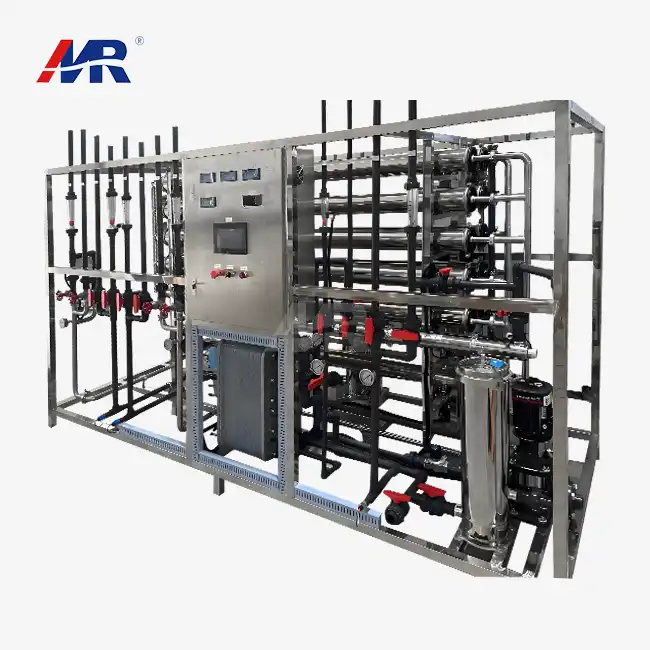
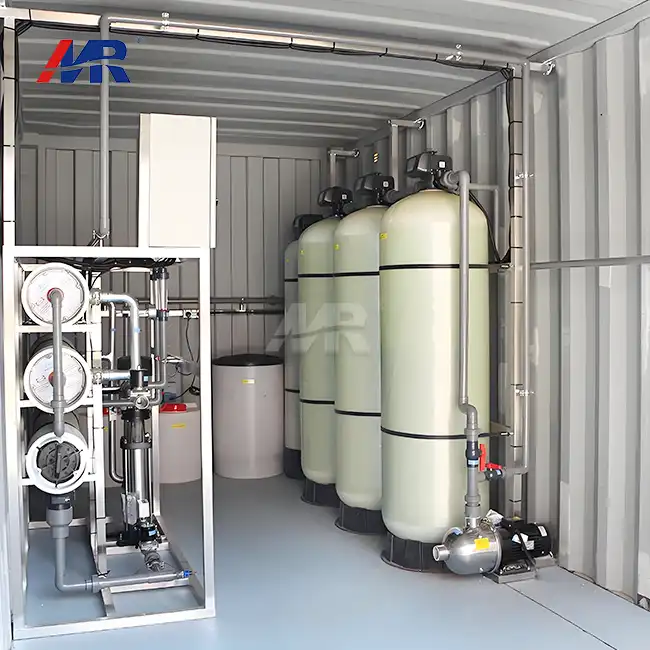
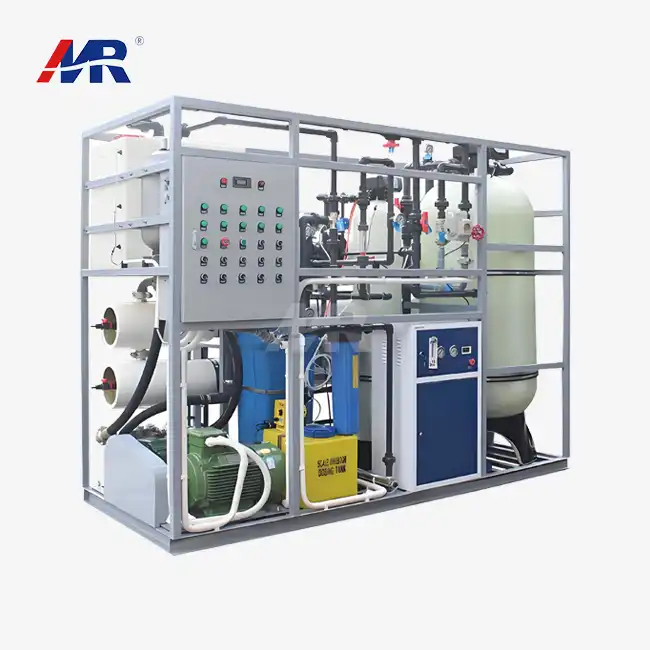
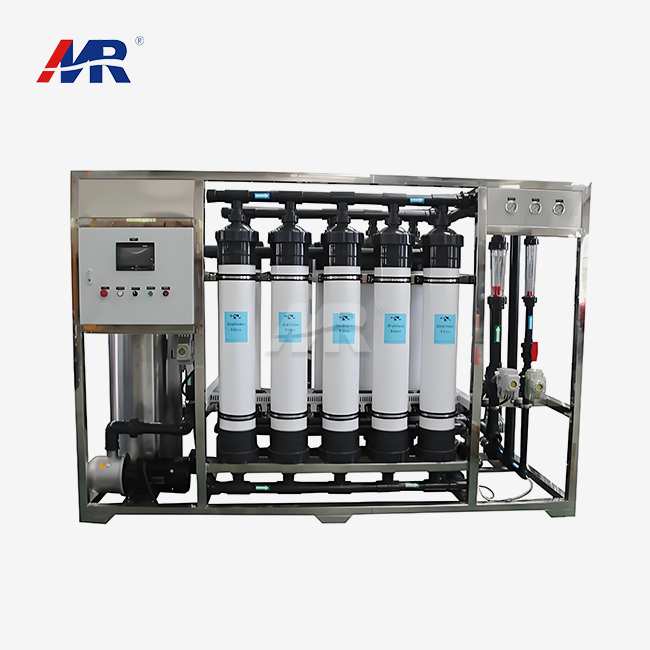
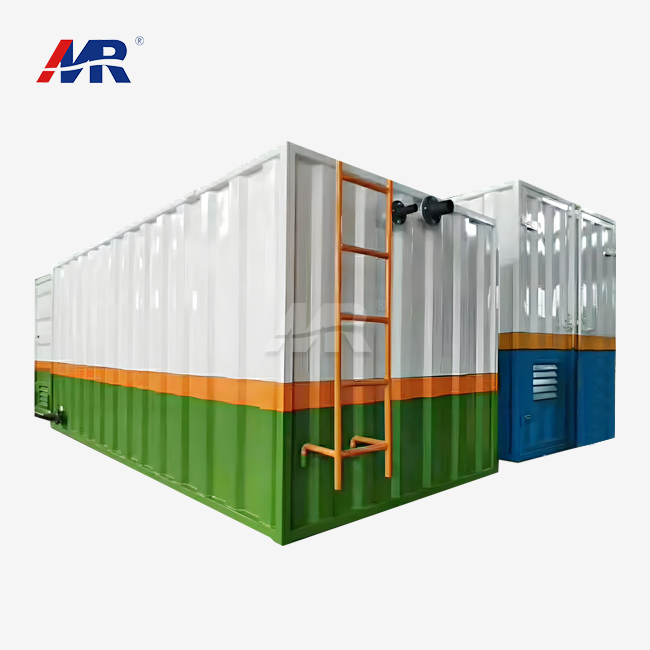
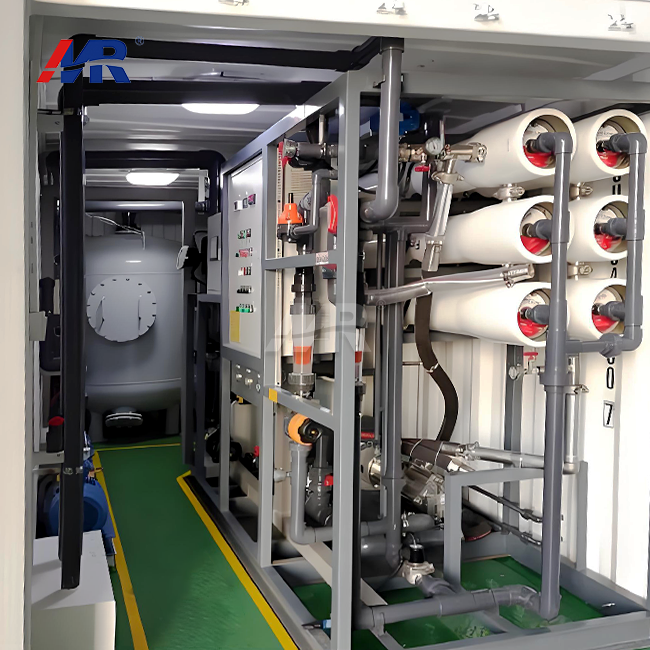
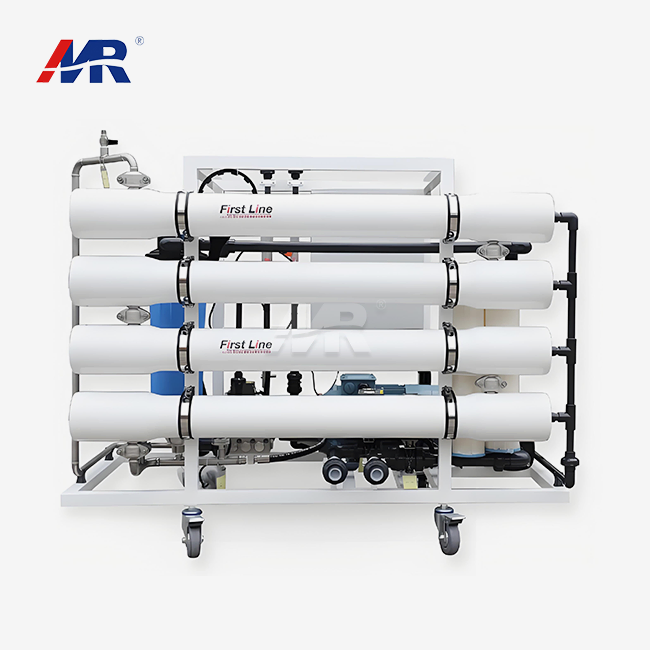
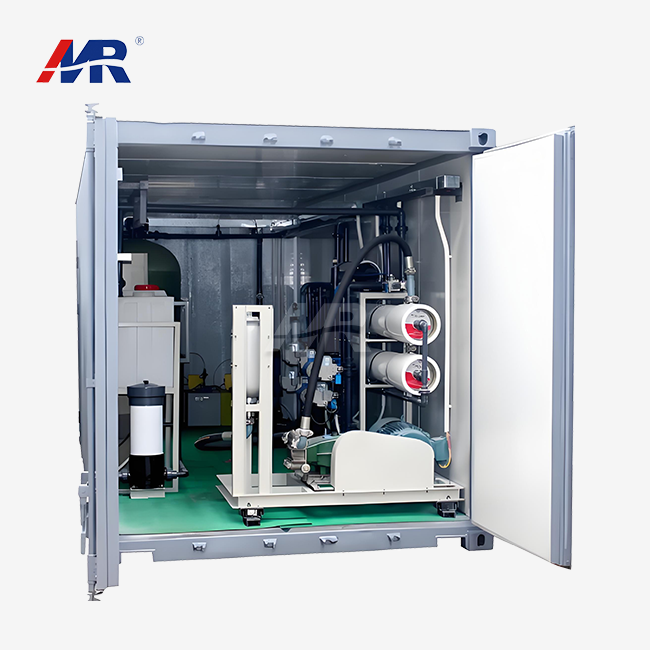
Industrial RO systems comprise several critical components working in harmony. Thin Film Composite (TFC) membranes need high-pressure pumps to do their job, and multimedia filters, activated carbon units, and water softeners are part of the pre-treatment systems that keep membranes safe. Options after treatment, like UV cleaning and remineralization, make sure that the water quality meets certain application needs.
Modern membrane technology is very good at purifying reverse osmosis equipment. High-rejection TFC membranes keep energy use between 3 and 6 kWh/m³ while clearing 99.9% of most pathogens. With the flexible design approach, systems can grow from 1,000 to 100,000 gallons per day, which works with a range of operating needs from small labs to big factories.
Benefits and Operational Advantages
Water treatment systems that use reverse osmosis do a lot more than just purify water; they also help the overall system run better. It is very useful to have recovery rates of 75% in order to get the most out of water use and the least amount of trash, especially in areas where water is not readily available or in uses with high volume. Modern RO plants have a small footprint, which makes the best use of building space. At the same time, improved monitoring systems give performance data in real time, which makes it possible to schedule repairs ahead of time.
Key Criteria for Evaluating RO Equipment Manufacturers
Choosing a manufacturer requires a deep analysis of many different performance aspects that have a direct effect on the long-term success of the business. In water treatment projects, technical knowledge, product quality, and service skills are the basis of reliable relationships.
Technical Expertise and Innovation Leadership
Membrane innovation, better system design, and compliance with global standards like ISO certification and NSF approval are ways that top makers show their knowledge. Companies that put money into research and development regularly make membranes that last longer, use less energy, and have more automation features that make operations easier.
Being able to do more than just assembly and also make membranes gives you better quality control and peace of mind about your supply chain. Facilities that make their own unique membranes keep higher standards for quality and offer custom solutions that equipment installers who rely on outside parts can't offer.
Customization and Scalability Options
Industries need custom-made solutions that deal with particular water quality issues, capacity needs, and connection needs using reverse osmosis equipment. Manufacturers that offer a lot of flexibility make systems that fit one-of-a-kind operating needs and make sure that new systems will work with old infrastructure.
Modular system design lets you add more capacity in stages instead of having to update the whole system. This protects your investment and lets your business grow. SCADA systems, remote tracking, and predictive maintenance procedures make operations easier by using automation integration capabilities.
Service Framework and Support Infrastructure
Strong customer service is important for high-end brands but not for companies that sell common goods. Comprehensive service frameworks include quick Technical support, preventive maintenance programs, the ability to get spare parts, and training for operators. These all make sure that operations continue and performance is at its best.
Comparing Popular RO Equipment Solutions in the Market
The industrial reverse osmosis market has a lot of different makers providing specialized solutions for different uses and market sectors. Understanding competitive placement helps procurement workers find the best ways to meet certain needs.
Leading Market Players and Technology Differentiation
Pentair and Dow Chemical are examples of established companies that use membrane technology that has been around for decades to make sure their Products work in tough situations. Pentair's X-Flow membrane systems are great at doing work for cities and industries that need high flow rates and protection to chemicals. Dow's FILMTEC membranes have the best rejection performance and operational steadiness in the business.
APEC, Culligan, and other specialized providers focus on certain parts of the market and give focused solutions that work best for certain uses. APEC focuses on energy savings and small design for installations with limited room, but Culligan's business systems focus on making upkeep and operation simple.
Performance Benchmarking and Cost Analysis
The lifespan of membranes has a direct effect on the overall cost of doing business, and high-quality membranes work well for three to five years if they are properly cared for when used in reverse osmosis equipment. Manufacturers differ greatly in terms of energy economy. The best systems get below 4 kWh/m³ of specific energy use by improving hydraulic design and using systems that recover energy.
A study of the total cost of ownership shows that the first purchase price only accounts for 30–40% of the total cost over the lifetime of the equipment. Because of this, energy efficiency, how often the membrane needs to be replaced, and the upkeep that is required are very important factors to consider when making a choice. Over their normal 15–20 year lifespan, systems that save 10–15% of energy will save a lot of money.
Things to Think About When Buying for Global B2B Customers
When you buy things from other countries, you need to carefully consider the suppliers, transportation, and service in the area because it makes things more complicated. Global makers that are already well-known in the regions they serve offer better help with project completion, technical issues, and compliance with the rules.
Total Cost Assessment and Financial Considerations
The full cost review includes buying reverse osmosis equipment, setting it up, starting it up, and the costs of running it, like energy, chemicals, replacing membranes, and upkeep services. Deals for buying a lot of something and deployments across multiple sites usually get better prices and service terms.
Equipment rental, performance guarantees, and build-operate-transfer plans are all ways to finance that let you be flexible with your purchases and still manage your money. Established makers offer structured lending programs that make it easier to get projects approved and handle cash flow.
Supplier Reliability and Partnership Quality
Supplier financial stability ensures long-term parts availability and service continuity throughout equipment lifecycles. Third-party qualifications, industry references, and project portfolios show that you have the expert skills and can be relied on to do the work. ISO 9001 and other international or industry-specific standards show that you are committed to always delivering high quality.
Common Challenges and Maintenance Best Practices for RO Equipment
Operational issues in reverse osmosis systems usually have to do with changes in the feed water, membrane fouling, and not following the right repair steps. Understanding common problems makes it possible to use proactive management strategies that improve system uptime and performance stability.
Troubleshooting and Performance Optimization
The main operating problem is membrane fouling, which causes a slight decrease in flux and a rise in differential pressure. Biological fouling happens when there isn't enough pre-treatment to stop microbes from growing on barrier surfaces. Scaling happens when recovery rates are higher than the design parameters for certain types of water chemistry, which causes minerals to precipitate.
Regular performance checks using standard tests make it possible to spot trends of falling performance early on. Normalized permeate flow, salt rejection, and differential pressure tracking give you a way to quantitatively figure out when to do maintenance and where to look for improvement opportunities.
Maintenance Protocols and Operational Excellence
Preventive repair plans greatly increase the life of reverse osmosis equipment and keep it working well. Chemical cleaning methods that use manufacturer-approved mixtures get rid of built-up dirt and keep the integrity of the membrane. How often cleaning is needed varies depending on the quality of the feed water. It is usually done once a week to a month, depending on how quickly it gets dirty.
Operator training makes sure that the system is run correctly, maintenance is done on time, and fixing is done well. Comprehensive training programs teach people how to operate a system, how to fix it when it breaks, how to keep people safe, and how to respond to emergencies. This protects people and minimizes downtime.
Company Introduction and Product Service Information
Guangdong Morui Environmental Technology Co., Ltd. is a leader in new ways to treat water. They provide a full range of services, including treating wastewater from factories, sewage from homes, desalinating seawater, and making drinking water. Our unified method includes making tools, designing systems, installing them, and providing support for completion through the delivery of turnkey projects.
Manufacturing Excellence and Technical Capabilities
Our manufacturing system has special membrane production plants and several equipment processing centers that can be used for a wide range of purposes. With more than 500 workers, including 20 engineers with specific knowledge, we make sure that our work in membrane technology, system integration, and process optimization is always done perfectly. Our products can purify 1,000 to 100,000 gallons per day, restore up to 75% of the liquid, and remove 99.9% of the contaminants.
Strategic relationships with top component makers like Shimge Water Pumps, Runxin Valves, and Createc Instruments make sure that high-quality parts are available at a good price for reverse osmosis equipment. Installation, upkeep, and professional service needs are met quickly and locally because of our 14 branches in important areas.
Application Expertise Across Industries
Our reverse osmosis systems are used in many different fields, such as healthcare, leisure, making medicines, generating power, food and drink production, manufacturing, and treating water for the public. For each application, the system is designed specifically to meet certain water quality needs, volume needs, and connectivity needs.
Advanced tracking and control systems show you how well things are working right away and make sure that operations stay simple. Our promise to sustainability means that we always have to come up with new ways to make our products more energy efficient, better at using water, and less harmful to the environment.
Conclusion
A careful study of the manufacturer's technical skills, product quality, service infrastructure, and overall cost is needed to choose the best reverse osmosis equipment maker. Finding providers with proven knowledge, great customer service, and the ability to create unique solutions for your business needs is key to success. Manufacturers with a history of good work, strong service networks, and ongoing innovation show the partnership traits that are necessary for long-term operating success in a wide range of industries.
FAQ
Q1: How often do reverse osmosis membranes need replacement?
A: Reverse osmosis membranes typically require replacement every 2-5 years, depending on feed water quality, operating conditions, and maintenance protocols. Regular performance monitoring enables optimization of replacement timing based on actual performance decline rather than arbitrary schedules.
Q2: What factors influence energy efficiency in RO systems?
A: Energy efficiency depends on membrane quality, system hydraulic design, operating pressure optimization, recovery rate management, and energy recovery device implementation. High-quality membranes operating at optimized conditions can achieve specific energy consumption below 4 kWh/m³.
Q3: Can reverse osmosis equipment integrate with existing water treatment systems?
A: Integration with existing infrastructure is feasible through proper interface design, compatible control systems, and hydraulic matching. Professional system design ensures seamless operation while maintaining performance standards and regulatory compliance requirements.
Partner with Morui for Superior Water Treatment Solutions
Discover how Morui's advanced reverse osmosis equipment can transform your water treatment operations through customized solutions, proven reliability, and comprehensive service support. Our experienced engineering team provides tailored consultations addressing your specific requirements, while our turnkey project approach ensures seamless implementation. As a leading reverse osmosis equipment manufacturer, we deliver cutting-edge technology backed by extensive industry experience and commitment to operational excellence. Contact us at benson@guangdongmorui.com for detailed product information and customized quotations that align with your operational goals and budget requirements.
References
1. Water Treatment Engineering and Design Handbook, Chapter 12: Membrane Processes for Water Treatment, American Water Works Association Press, 2023.
2. Industrial Membrane Technology: Reverse Osmosis Applications and Best Practices, Journal of Water Process Engineering, Volume 45, 2022.
3. Membrane Technology in Water Treatment: Performance Optimization and Cost Analysis, Water Research Foundation Report, 2023.
4. Global Water Treatment Equipment Market Analysis: Reverse Osmosis Systems Procurement Guide, International Water Association, 2022.
5. Energy Efficiency in Reverse Osmosis Systems: Technology Advances and Operational Strategies, Desalination and Water Treatment Journal, Volume 287, 2023.
6. Quality Assurance in Industrial Water Treatment: Manufacturer Selection and Performance Validation, Water Quality Research Foundation, 2022.