_1745823981883.webp)

Reverse osmosis technology, solar-powered units, multi-effect distillation systems, electrodialysis equipment, and membrane distillation solutions are the top five most cost-effective saltwater desalination systems for farms. These desalination systems give farms a stable source of freshwater while keeping costs low and the overall efficiency of the system high. Farming businesses today depend on these technologies more and more to deal with water shortages and make sure that crops in dry and seaside areas can keep getting water.

Understanding the Need for Seawater Desalination in Agriculture
The lack of freshwater and the increase in soil salinity are making it much harder for agriculture to be productive, especially in seaside farming areas where the mixing of saltwater and freshwater lowers food yields. It is hard for traditional irrigation methods to meet the needs of more food while also saving limited groundwater. These problems get worse because of climate change, which makes it very important to find other sources of water that will keep farming going without hurting the earth.
Using new cleaning technologies on a lot of seawater to make high-quality irrigation water are modern water treatment options that meet these important needs. Agricultural leaders must find a way to keep long-term output goals in mind while also keeping costs down. To successfully apply this, one must have knowledge of both what is possible in terms of technology and how much it will cost in different types of farming situations.
Economic Impact on Agricultural Operations
The cost of water is a high price for farms, especially in places where there are long droughts. Consistent access to desalination systems that process seawater for watering during all growing seasons makes it less necessary to buy costly freshwater. Building the right treatment facilities pays off in a big way by making food results better and keeping operations stable.
Environmental Benefits for Sustainable Farming
Seawater processing helps protect the environment by lowering the demand for freshwater sources like groundwater and open water. This method makes it possible to farm in coastal places that weren't fit before, and it keeps the ecosystem in mind at the same time. Technologies that give clean water without using up natural resources that are needed for future generations are good for sustainable farms.
Top 5 Cost-Effective Seawater Desalination Systems for Agriculture
Water treatment for agriculture needs special tools that can deal with changing amounts of salt and keep the system running smoothly on farms of all kinds. The following five technologies are the most useful and cost-effective ways to help with farming. Each one has different benefits for different kinds of work.
Reverse Osmosis Technology
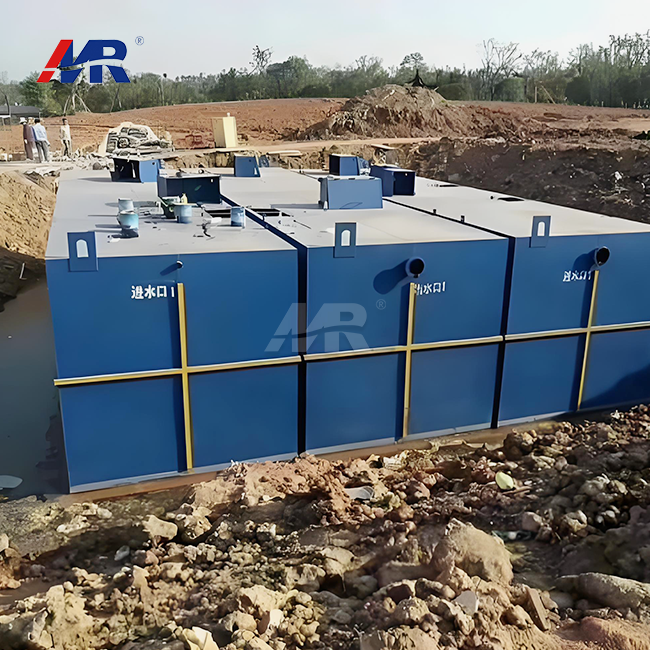
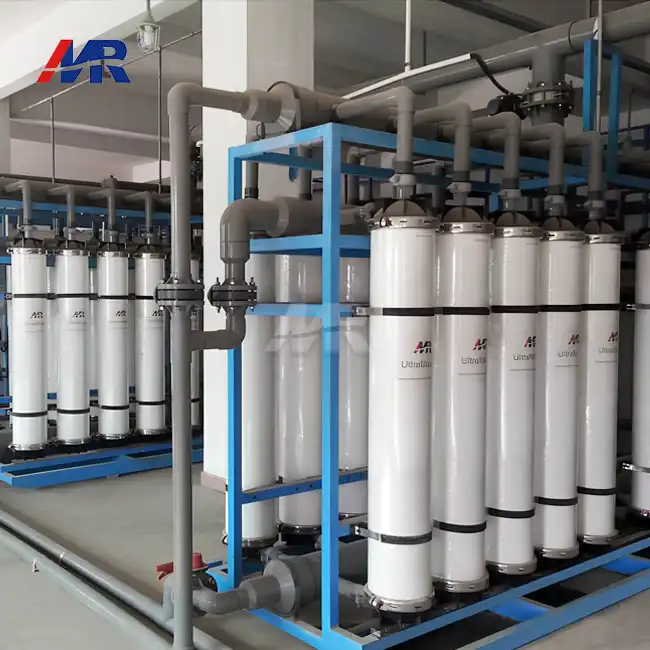
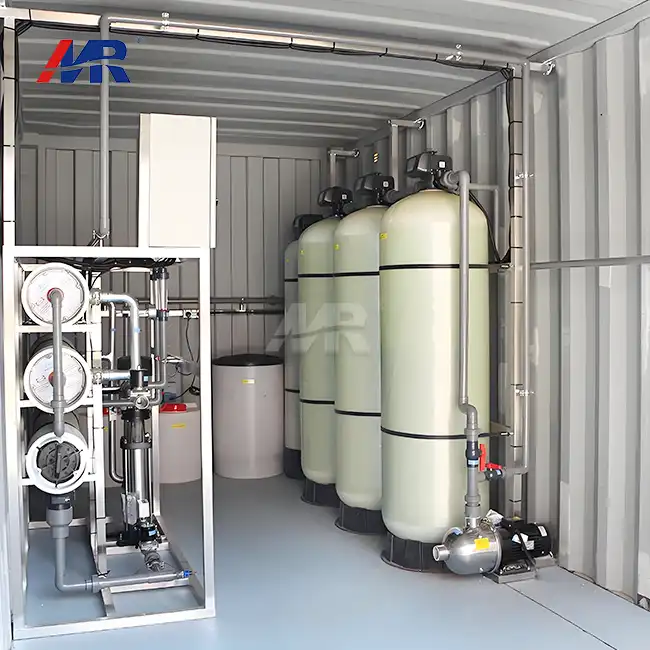
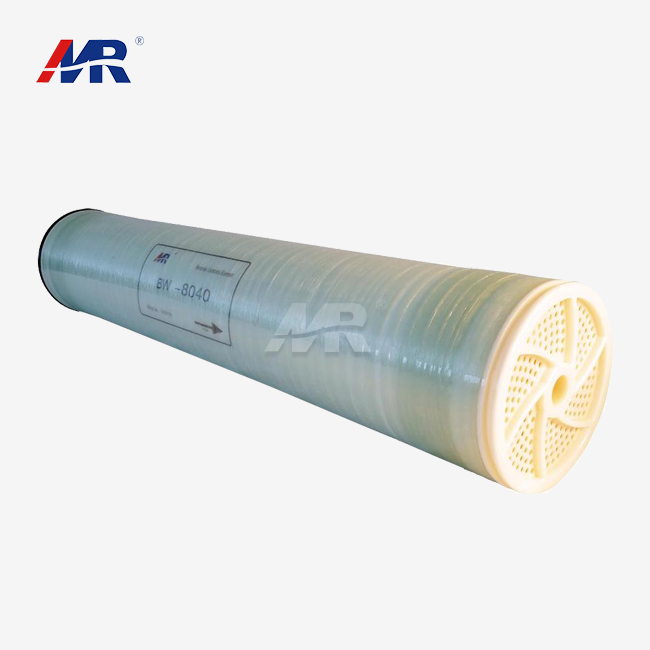
Reverse osmosis is the most popular way to treat water for farming. It removes salt very well and can be used in different sizes. Using a lot of pressure to make the technology work, semi-permeable screens separate dissolved salts from saltwater and create high-quality freshwater. This water is good for irrigating sensitive crops. These days, RO technology uses energy very efficiently. The best systems use as little as 3 kWh per cubic meter of cleaned water.
Agricultural businesses can increase the amount of desalination systems and water treatment that they do when yearly demands or the needs of farm growth arise because modern RO systems have modular design features. Automated control systems make sure that the water quality is always the same by minimizing the need for human input and improving performance settings. This technology is especially useful for large-scale farming because it maximizes freshwater production and minimizes trash discharge when recovery rates hit 45%.
Solar-Powered Desalination Units
Solar-powered systems use green energy to help clean up water. This helps the environment and lowers the cost of running the system. These units can work on their own because they combine solar panels with parts that make processing more efficient. This makes them perfect for use on farms in remote areas. Eliminating the cost of conventional energy significantly lowers the cost of doing business, and you could save 60–80% compared to systems that use conventional energy.
The scalability of solar systems makes it possible for everything from small specialty food farms to large business farms to use them. Adding battery storage makes sure that the system keeps working during the night or when it's dark. This way, the water supply stays reliable. With more advanced monitoring, you can track and optimize performance from afar. This makes maintenance and operations easier.
Multi-Effect Distillation Systems
Multi-effect distillation technology is great for big farming uses that need a lot of water every day. This thermal method uses several steps of evaporation to make the most of energy economy. It makes very pure water that is good for delicate farming uses. Using heat recovery systems with distillation effects lowers the amount of energy used much more than single-stage thermal processes.
These methods work best in areas where thermal energy is cheap or where it's easy to collect waste heat. Because the equipment is strongly built and easy to understand, it can last a long time with very little upkeep. The uniformity of water quality makes MED technology especially good for growing high-value crops where the cleanliness of the irrigation water affects the quality and market value of the product.
Electrodialysis Equipment
Electrodialysis desalination systems are an efficient way to remove salt from water that has a modest amount of salt in it. This makes it a good way to treat salty groundwater in coastal farming areas because it saves money and energy. This method uses electricity and chemistry to remove only certain ions that are dissolved in the liquid. It doesn't need to pump the liquid at high pressure, which saves energy and makes the system simpler. Because there are no problems with membrane fouling that are common in processes that are pushed by pressure, it is cheaper to maintain and operate for longer periods of time.
Modular stack designs make it possible to exactly match the capacity to the needs of each farm. They also make it possible to add more capacity later on if needed. The gentle treatment process keeps helpful minerals that other methods take away, which helps plants get the nutrients they need and keeps dirt healthy. The ability to run things automatically makes less work necessary and ensures that performance stays the same even when the feed water conditions change.
Membrane Distillation Solutions
Thermal and membrane technologies are used together in membrane distillation to reject a lot of salt at relatively low temperatures. This new technology looks especially useful for farming uses that make use of solar thermal energy or waste heat that isn't of very high quality. The process gets rid of almost all the salt and doesn't need much energy compared to other steam distillation methods.
The compact equipment size makes membrane distillation a good choice for farming facilities with limited room, since it also reliably provides good water quality. Resistance to membrane fouling stretches the time between maintenance steps, which lowers the complexity and cost of operation. The technology looks very promising for use alongside current farming equipment and green energy systems.
Comparing the Systems: Key Metrics for Agricultural Use
A full study of many performance factors that have a direct effect on farming activities is needed to rate water treatment methods. The ideal technology for certain farming tasks depends on the energy consumption patterns, working costs, upkeep requirements, water quality output, and environmental factors.
Energy Efficiency and Operational Costs
Most desalination systems and water treatment systems spend the most money on energy. This makes the economy very important for the long-term economic stability of the system. Among methods that use pressure, reverse osmosis technology is the best at saving energy. On the other hand, systems that use solar power don't need to pay for energy at all. For large-scale heating uses, multi-effect distillation is much more efficient, especially when there are chances to recover waste heat.
A study of operational costs must include the cost of replacing membranes, chemicals, and labor, in addition to the cost of energy. Systems that can operate on their own help save money on work and make performance more consistent. Regular repair schedules and the ability to get spare parts have a big effect on the total cost of owning tools over their lifetime.
Water Quality and Production Capacity
For healthy crops and good output, agricultural irrigation needs a steady water quality that meets certain levels of salt. Different treatment methods have different salt refusal rates. For example, membrane distillation and multi-effect distillation come very close to completely removing salt. The high production rates of reverse osmosis systems are good for big farming operations, and they also do a great job of keeping the salt out.
The scalability of production capacity makes it possible for farms to adjust the amount of treatment they can handle to match the yearly watering needs and the requests for farm growth. Modular system designs make it easy to change how much capacity there is without having to buy all new equipment. This helps you keep your business running in the long term and protects your investments.
How to Choose the Right Desalination System for Your Agricultural Needs?
Choosing the right water treatment technology depends on carefully studying the farm's water needs, the source water, the room that is available, and the budget. Making something work relies on making sure that the technology can do what is needed and that it can be used for a long time and in the future.
Assessing Farm-Specific Requirements
Water demand research for desalination systems should look at the largest amount of water needed for watering, changes in the water needs from season to season, and possible needs for more water in the future. The amount of salt and quality of source water decide what treatment technology and pre-treatment steps should be used. Utility hookups, room for placement, and access for upkeep all affect the choice and arrangement of equipment.
The starting cost, the cost of running the equipment, and the cost of maintaining it over its lifetime are all budget factors that need to be taken into account. Financing choices and possible government benefits for saving water or using renewable energy may have a big effect on the technology and economy of a project.
Integration with Existing Infrastructure
How easy or hard it is to build and how much it costs depends on how well the system works with current irrigation systems, storage facilities, and electricity systems. System integration needs might mean that more changes have to be made to pumps, storage, or delivery in order to get the system working better and more efficiently. Getting help from a professional makes sure that the system is the right size and that the integration plan is correct so that it works well over time.
When choosing a supplier, you should focus on companies that offer a lot of help with things like system design, overseeing installation, teaching operators, and maintenance. Established manufacturers with a history of useful farming uses offer helpful advice for making projects work and keeping operations going in the long run.
Morui's Advanced Seawater Treatment Solutions for Agriculture
Guangdong Morui Environmental Technology Co., Ltd. specializes in water treatment solutions that are created especially for use in agriculture. Our reverse osmosis technology is so good at turning seawater into high-quality irrigation water that we can guarantee it will last a long time. This is because we designed strong systems to make sure they work perfectly. We provide tailored solutions that meet the distinct needs of agriculture around the globe. With more than 14 locations worldwide, 500 committed staff members, and 20 engineers with expertise in specific fields, we get the job done.
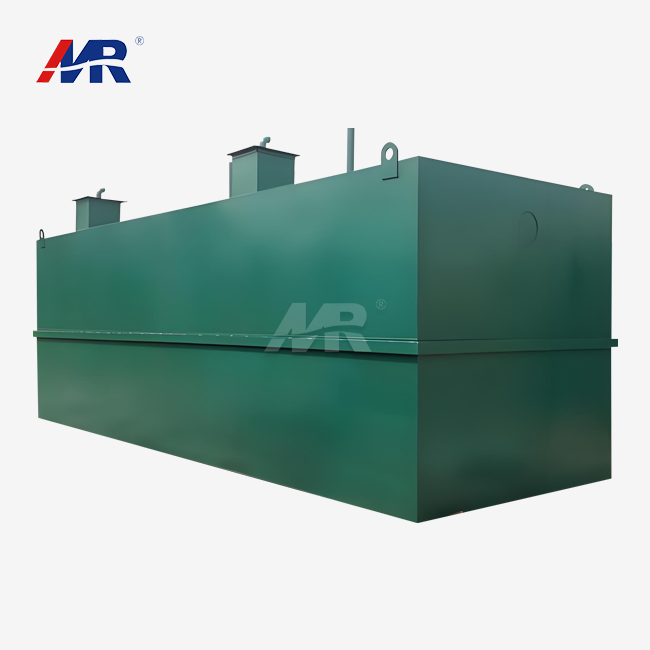
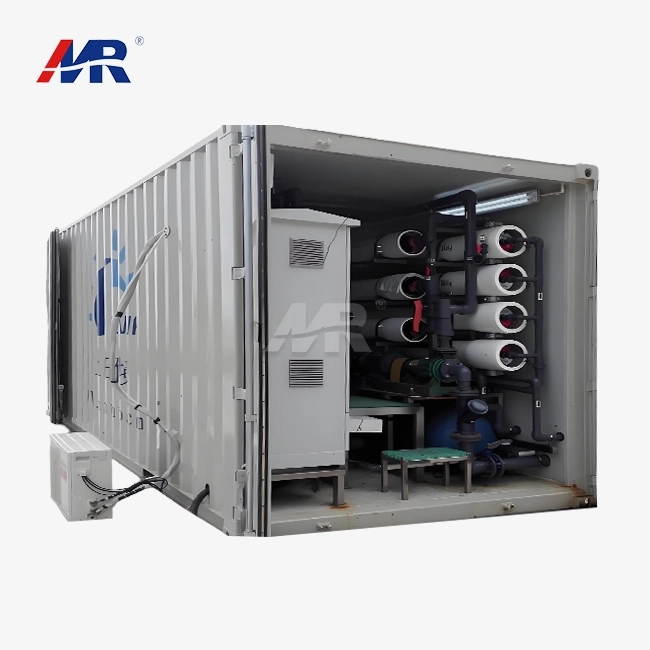
Our desalination systems' seawater cleaning machinery has some pretty amazing technical specs. It can make anywhere from 1,000 to 100,000 cubic meters a day, restore up to 45% of what it uses, and needs as little as 3 kWh per cubic meter. The compact design makes the best use of space, and the fully automated operation with remote tracking features makes sure that performance is constant with little help from an operator. Our systems are especially good for farming use because of these advanced features that help make sure that water cleaning is reliable and doesn't cost too much.
Comprehensive Service Portfolio
Morui helps with every part of a project, from looking into whether it can be done to providing ongoing upkeep and expert support. We offer skilled installation and commissioning, extensive operator training, unique design and engineering, and long-term upkeep with a dependable spare parts supply. This all-in-one method makes sure that the system works as well as possible and that farming customers get the most out of their investments.
Our ISO-certified manufacturing methods ensure that quality never changes. At the same time, ongoing research and development keep us at the cutting edge of water treatment technology. Morui is an ideal partner for farm water treatment projects of any scale because they have professional knowledge, can make things, and offer great service.
Conclusion
As it becomes harder to get fresh water, affordable seawater cleaning technology gives farmers a long-lasting way to get safe irrigation water. The five main technologies—reverse osmosis, solar-powered systems, multi-effect distillation, electrodialysis, and membrane distillation—each have different benefits for different farming uses and operating needs.
Choosing the right technology for a farm must be based on a full understanding of that farm's individual needs, like how much water is needed, what the budget is, the farm's long-term goals for sustainability, and the type of water source the farm has. Getting help from professionals and working with suppliers on the system's design, installation, and ongoing support will make sure it works well in the long run. Building the right water treatment systems helps crops grow, keeps operations stable, and protects the environment. These are all clear benefits of the investment.
FAQ
Q1: How long does an agricultural saltwater desalination device usually last?
A: If you take care of agricultural seawater treatment systems and update the parts they need regularly, they usually work well for 15 to 20 years. Thermal systems often need less heavy upkeep over time, while membrane-based systems need to have their membranes replaced every 3 to 5 years. Regular preventive repair using high-quality extra parts greatly extends the life of equipment and keeps it running at peak performance while it's in use.
Q2: How much energy does using a solar-powered device to remove salt from water save compared to older ways of doing it?
A: Solar-powered treatment systems cut 70–90% of the energy costs needed to run them compared to equipment that runs on electricity from the grid. This depends on the system's design and the area's solar rays. Using energy-saving parts and solar panels together lowers the cost of running the business and helps protect the environment. Adding battery storage makes sure that the system keeps working even when there isn't a lot of sunlight.
Q3: Can small farms gain from and afford irrigation technology?
A: With scalable designs and a range of financing choices, today's modular treatment systems give small farms access to cheap water treatment options. Compact systems made just for smaller uses can make water for specialty crops, greenhouses, and family farms at a low cost. Smaller farms often get better project economics when the government offers help, and they work together to buy things.
Partner with Morui for Your Agricultural Water Treatment Needs
Transform your agricultural operation with reliable, cost-effective seawater treatment technology designed for optimal performance and long-term sustainability. Morui's advanced reverse osmosis systems deliver exceptional water quality while minimizing operational costs through energy-efficient design and automated operation capabilities. Our experienced team provides comprehensive support from initial consultation through ongoing maintenance, ensuring successful project implementation and reliable long-term performance.
As a leading desalination systems supplier with proven expertise in agricultural applications, we understand the unique challenges facing modern farming operations and provide customized solutions meeting specific irrigation requirements and budget constraints. Contact us at benson@guangdongmorui.com to discuss your agricultural water treatment needs and discover how our innovative technology can enhance your farm's productivity and sustainability.
References
1. Al-Karaghouli, A., & Kazmerski, L. L. (2013). Energy consumption and water production cost of conventional and renewable-energy-powered desalination processes. Renewable and Sustainable Energy Reviews, 24, 343-356.
2. Burn, S., Hoang, M., Zarzo, D., Olewniak, F., Campos, E., Bolto, B., & Barron, O. (2015). Desalination techniques for agricultural water reuse. Desalination, 364, 2-16.
3. Ghaffour, N., Missimer, T. M., & Amy, G. L. (2013). Technical review and evaluation of the economics of water desalination: current and future challenges for better water supply sustainability. Desalination, 309, 197-207.
4. Jones, E., Qadir, M., van Vliet, M. T., Smakhtin, V., & Kang, S. M. (2019). The state of desalination and brine production: A global outlook. Science of the Total Environment, 657, 1343-1356.
5. Macedonio, F., Ali, A., Poerio, T., El-Sayed, E., Drioli, E., & Abdel-Jawad, M. (2014). Direct contact membrane distillation for treatment of oilfield produced water. Separation and Purification Technology, 126, 69-81.
6. Shatat, M., Worall, M., & Riffat, S. (2013). Opportunities for solar water desalination worldwide: Review. Sustainable Cities and Society, 9, 67-80.