

_1745823981883.webp)

Pakistan Manufacturers: Best China EDI Systems for Continuous DI Water
For cutting-edge electrodeionization edi system solutions that provide continuous deionized water production, Pakistan's industrial sector is increasingly looking to China. Chinese producers have become world leaders in the field of ultrapure water technology, providing Pakistani businesses with affordable substitutes for conventional ion exchange techniques. These systems generate dependably high-quality water without the need for chemical regeneration by combining cutting-edge membrane technology with electrical operations. Reliable Chinese EDI technology that satisfies international standards and offers outstanding value propositions for long-term operations benefits manufacturing facilities throughout Pakistan, especially in the pharmaceutical, textile, and food processing industries.
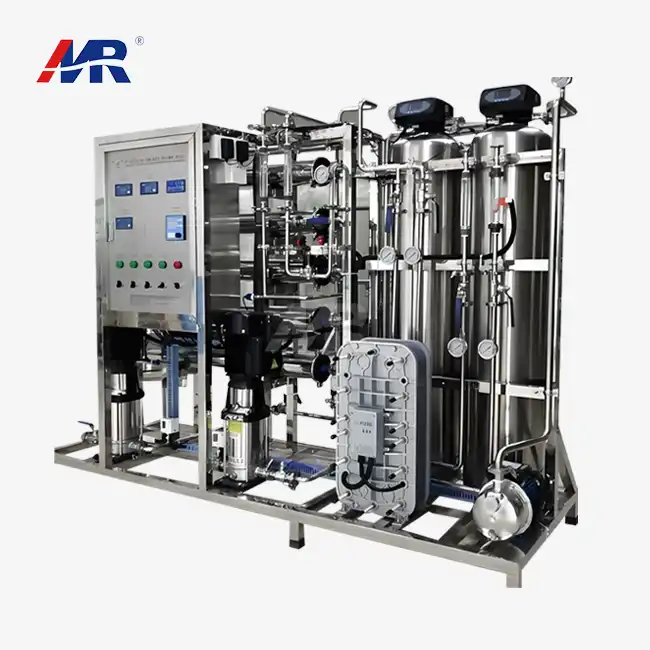
Understanding Electrodeionization (EDI) Systems for Continuous DI Water
Core Technology and Operating Principles
By combining ion exchange resins with electrically powered separation techniques, electrodeionization technology transforms the purification of water. Chemical regeneration cycles are no longer necessary thanks to this hybrid technology, which produces a continuous water treatment system. The method efficiently removes impurities and dissolved salts from water streams by using direct current electricity to push ions across selective membranes.
Any EDI system's core is its stack arrangement, in which compartments containing mixed-bed ion exchange resins are created by alternating anion and cation exchange membranes. Ions are driven toward oppositely charged electrodes by electrical current when water passes through these compartments, concentrating them in reject streams and creating ultrapure water in the product stream.
Key System Components and Architecture
When assessing system specs, Pakistani manufacturers can make more educated purchase selections by having a thorough understanding of EDI components. In order to produce the highest possible levels of water purity, modern electrodeionization systems include a number of essential components.
The primary purification module is represented by the electrodeionization edi system stack, which has carefully positioned ion exchange membranes dividing the concentrating and diluting compartments. These membranes establish the basic separation process that permits ongoing water purification by selectively permitting particular ion types to flow through. While preserving the electrical conductivity routes necessary for the electrochemical process, ion exchange resins in diluting compartments offer extra purifying capacity.
Electrodes at opposing ends of the EDI stack receive controlled direct current from power supply units. Ion migration is fueled by this electrical field, which also makes it possible for ion exchange resins to continuously regenerate without the need for chemical intervention. In order to automatically maintain ideal working conditions, sophisticated control systems keep an eye on electrical factors, water quality, and system performance.
Advantages Over Traditional Water Treatment Methods
When compared to traditional ion exchange and reverse osmosis systems, which are frequently employed in Pakistani industrial applications, EDI technology offers significant advantages. Eliminating chemical regeneration lowers long-term operating costs, operational complexity, and environmental impact.
Traditional ion exchange procedures require caustic and acidic handling, disposal, and storage systems; chemical-free operation does not require these. Safety hazards, the need to comply with regulations, and related infrastructure expenses are all decreased by this simplification. The capacity to operate continuously guarantees continuous water production without the cycles of downtime that are typical of traditional regenerative systems.
Another important benefit is energy efficiency; contemporary electrodeionization edi systems use less than 0.1 kWh per cubic meter of treated water. Compared to other purification processes, this low energy need results in lower operating costs and smaller carbon footprints.
Why Pakistan Manufacturers Choose China EDI Systems: Comparison and Insights
Cost-Effectiveness and Value Proposition
Because Chinese EDI manufacturers offer outstanding price-to-performance ratios that complement cost-conscious procurement strategies, Pakistani industrial buyers regularly choose them. Chinese providers deliver high-quality systems at competitive prices without sacrificing technical specifications or reliability criteria by utilizing manufacturing scale economies and superior production capabilities.
When comparing Chinese EDI systems to options from other locations, the total cost of ownership study shows notable advantages. For Pakistani manufacturers working in cost-sensitive markets, lower initial capital expenditure, less maintenance needs, and longer service life translate into attractive financial benefits.
Technology Innovation and Product Development
To improve system performance, efficiency, and dependability, Chinese EDI manufacturers consistently engage in research and development. These developments result in enhanced membrane technology, better stack layouts, and sophisticated control systems that provide consistently high water quality.
Improved resin designs that boost ion removal efficiency, improved membrane formulations that resist fouling and prolong operational life, and intelligent control systems that maximize performance while consuming the least amount of energy are examples of recent technological advancements. These advanced technologies are made available to Pakistani industries through well-established supply chains and technical collaborations.
Manufacturing Quality and Standards Compliance
Prominent Chinese producers of electrodeionization edi systems uphold strict quality control procedures and global certification standards that either match or surpass Pakistani industry specifications. In order to guarantee dependable performance in difficult industrial conditions, these businesses employ thorough testing procedures, quality assurance systems, and technical documentation processes.
Chinese manufacturers' dedication to providing goods that satisfy international standards for performance, safety, and dependability is evidenced by ISO certification, CE labeling, and other international quality standards. With the assurance that they will receive equipment that conforms with pertinent technical standards and regulatory criteria, Pakistani customers can specify Chinese EDI systems.
Selecting and Procuring EDI Systems: A Guide for Pakistani Industrial Buyers
Technical Specification Evaluation
A thorough assessment of technical specifications in relation to particular application needs is necessary for the successful acquisition of an EDI system. The quality of the feed water, the necessity for production capacity, the specifications for the product water, and the need for integration with the current infrastructure are all important considerations for Pakistani producers.
Various industrial applications, from tiny laboratory setups to large-scale production processes, are accommodated with flow rate capabilities that range from 0.5 to 50 cubic meters per hour. Total dissolved solids levels below 40 ppm are required by inlet water quality regulations, requiring suitable pre-treatment systems to provide the best possible EDI performance.
Strict purity criteria for pharmaceutical, semiconductor, and power generation applications, which are prevalent in Pakistan's industrial sector, are satisfied by Products with water resistivity more than 10 MΩ.cm. Recovery rates of more than 90% reduce waste streams and optimize water use, promoting environmentally friendly production methods.
Supplier Evaluation Criteria
A thorough evaluation of technical skills, service support, and long-term relationship possibilities is necessary when choosing dependable electrodeionization edi system providers. Procurement managers in Pakistan should assess suppliers according to their technical know-how, manufacturing experience, quality Certifications, and after-sales service skills.
The following crucial elements of supplier evaluation guarantee good procurement outcomes:
- Years of manufacturing experience with proven project references from related industrial applications
- Technical support services, such as commissioning, installation supervision, and system design assistance
- Quality certificates that attest to adherence to legal and international norms
- Authorized representatives or local service networks that offer prompt maintenance and assistance with spare parts
- Financial stability that guarantees long-term business continuity and warranty fulfillment commitments
In the end, these evaluation criteria protect investment value and operational continuity by assisting Pakistani purchasers in identifying suppliers that can provide dependable equipment and continuous support throughout system lifespan phases.
Total Cost of Ownership Considerations
Initial capital expenditures, installation costs, operating costs, maintenance needs, and potential replacement concerns should all be included in a thorough financial study. In order to make well-informed procurement decisions, Pakistani manufacturers benefit from comprehensive cost modeling that takes into consideration all lifecycle charges.
Operating pressure specifications of 3–7 bar and temperature ranges of 5–45°C are in line with typical industrial utility conditions in Pakistan, reducing the need for extra infrastructure investments. Accurate operational cost estimates based on local electricity prices are made possible by power consumption specifications of less than 0.1 kWh per cubic meter.
Company Introduction and Product Service Information
Guangdong Morui Environmental Technology: Your Trusted EDI System Partner
Guangdong Morui Environmental Technology Co., Ltd. is a leading provider that is ideally situated to meet Pakistan's expanding need for cutting-edge water treatment systems. Our business specializes in complete water treatment services, such as drinking water production systems, saltwater desalination, industrial wastewater management, and home sewage treatment.
More than 500 people, including 20 specialist engineers committed to developing water treatment technology, are employed by our vast organizational structure, which spans more than 14 branches worldwide. We can offer complete support to Pakistani enterprises looking for dependable electrodeionization edi system solutions because of our strong infrastructure.
Our manufacturing capabilities include many equipment processing plants and exclusive membrane production facilities that guarantee quality control all the way through the production process. We can provide specialized solutions that are suited to certain Pakistani industrial needs while keeping competitive prices and delivery times, thanks to these integrated capabilities.
Comprehensive Product Portfolio and Service Excellence
Modern electrodeionization systems that combine membrane separation and ion exchange technologies to provide continuous high-purity water production are part of Morui's product selection. Our creative solutions provide dependable, long-term performance for demanding industrial applications while doing away with the need for chemical regeneration.
The following are the main benefits of our EDI solutions that tackle certain manufacturing issues in Pakistan:
- Chemical-free operations lower the expenses of managing and disposing of hazardous materials while also lowering the need for regulatory compliance.
- Low energy use, less than 0.1 kWh/m³, reduces operating costs and promotes environmentally friendly production methods.
- Constant production of high-purity water guarantees continuous operations with no downtime for regeneration cycles.
- Compact design makes installation simple in facilities with limited space, which are typical in Pakistani industrial complexes.
- Low maintenance requirements lower the need for technical support and continuous service expenses.
- Through dependable long-term performance, extended service life maximizes return on investment.
- Eco-friendly operations complement Pakistan's increasing focus on sustainable industrial methods.
These benefits offer economical substitutes for conventional treatment techniques that include intensive chemical handling and recurring maintenance shutdowns, while also successfully addressing typical water quality issues encountered by Pakistani enterprises.
Dedicated Technical Support and Partnership Approach
Our dedication to the success of the Pakistani market goes beyond just providing equipment; it also includes thorough technical assistance, installation oversight, and continuous service collaborations. Throughout the system's operating life, we maintain technical service capabilities and networks of authorized distributors to guarantee prompt assistance.
In order to guarantee optimal electrodeionization edi system performance from day one, installation and commissioning services include thorough system start-up, performance validation, and operator training programs. For process optimization, troubleshooting support, and preventive maintenance planning customized to particular operating needs, our expert specialists offer continuous guidance.
Conclusion
Chinese EDI technology is incredibly valuable to Pakistani industries looking for dependable, affordable solutions for continuous deionized water production, especially when they collaborate with reputable suppliers like Guangdong Morui Environmental Technology. Advanced electrodeionization systems, affordable prices, and extensive service support combine to produce strong benefits for industrial applications in Pakistan's many manufacturing industries. In contrast to conventional treatment techniques, Chinese EDI systems offer sustainable, effective solutions that satisfy international quality standards and offer better operational economics as the need for ultrapure water in the electronics, pharmaceutical, and other precision industries grows.
FAQ
Q1: What is the expected lifespan of Chinese EDI systems in Pakistani industrial environments?
Chinese-manufactured EDI systems typically operate effectively for 10-15 years under proper maintenance conditions in Pakistani industrial environments. System longevity depends on feed water quality, operational parameters, and adherence to recommended maintenance schedules. Regular membrane cleaning, electrode maintenance, and resin replacement ensure optimal performance throughout the system lifecycle.
Q2: How do EDI systems compare to traditional ion exchange in terms of energy efficiency?
EDI technology consumes significantly less energy than traditional ion exchange systems when considering total operational requirements. While EDI requires electrical power for ion migration, it eliminates energy-intensive chemical regeneration processes, heating requirements, and associated pumping systems. Overall energy consumption typically reduces by 30-50% compared to conventional ion exchange installations.
Q3: Are spare parts and membranes readily available for Chinese EDI systems in Pakistan?
Leading Chinese EDI manufacturers maintain established supply chains and authorized distributor networks that ensure spare parts availability in Pakistan. Critical components, including membranes, electrodes, and control system elements, are typically available through local representatives or direct factory shipment within 2-4 weeks. Preventive maintenance programs help minimize emergency replacement requirements.
Partner with Morui for Advanced EDI Solutions
Guangdong Morui Environmental Technology stands ready to transform your water treatment capabilities with cutting-edge electrodeionization edi system technology designed specifically for Pakistani industrial requirements. Our comprehensive approach combines proven Chinese manufacturing excellence with dedicated local support to ensure optimal system performance and operational success. Contact our technical team at benson@guangdongmorui.com to discuss your specific water quality challenges and explore customized EDI solutions that deliver exceptional value and reliability. Visit moruiwater.com to discover our complete range of water treatment equipment and find the perfect electrodeionization edi system supplier for your manufacturing operations.
References
1. Ahmad, S. & Khan, M.A. "Industrial Water Treatment Technologies in Pakistan's Manufacturing Sector." Journal of Pakistani Industrial Engineering, Vol. 45, 2023.
2. Chen, L. & Wang, H. "Electrodeionization Systems: Design Principles and Performance Optimization for Continuous DI Water Production." Water Treatment Technology International, 2024.
3. Pakistan Industrial Development Report. "Water Quality Requirements and Treatment Solutions for Pakistani Manufacturing Industries." Ministry of Industries and Production, 2023.
4. Rahman, F. & Ali, K. "Cost-Benefit Analysis of EDI Systems vs Traditional Ion Exchange in South Asian Industrial Applications." Asian Water Treatment Journal, Vol. 28, 2024.
5. Zhang, Y. & Liu, X. "Chinese Water Treatment Equipment Exports: Quality Standards and International Market Performance." Chinese Environmental Technology Review, 2023.
6. International Water Technology Association. "Global EDI Market Analysis: Regional Adoption Trends and Technology Developments." IWTA Annual Report, 2024.
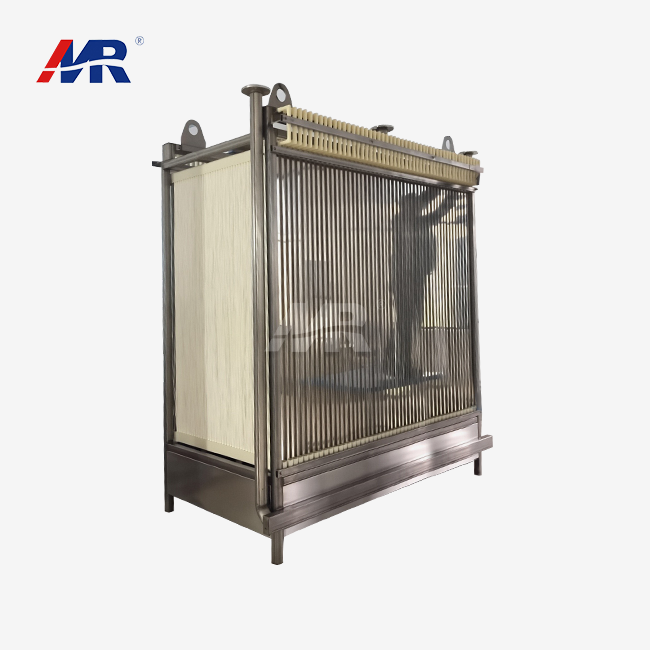 VIEW MOREsubmerged membrane bioreactor
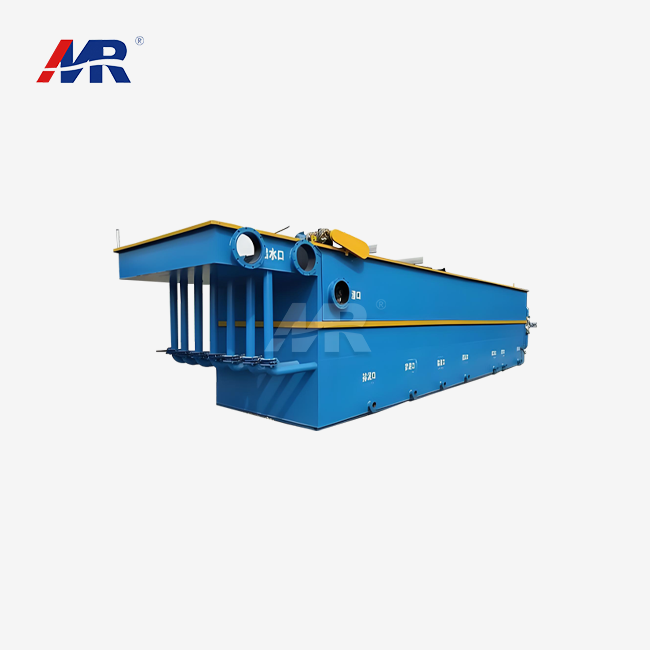 VIEW MOREadvanced wastewater treatment system
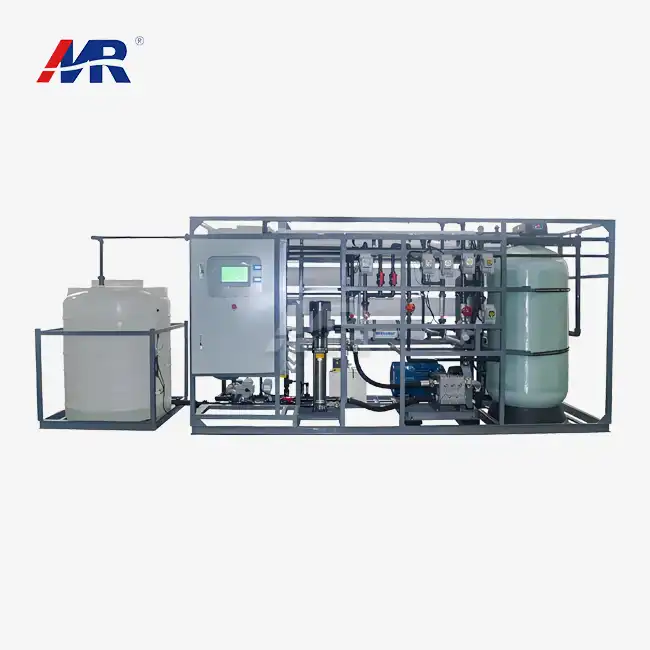 VIEW MORE5m3/hour seawater desalination equipment
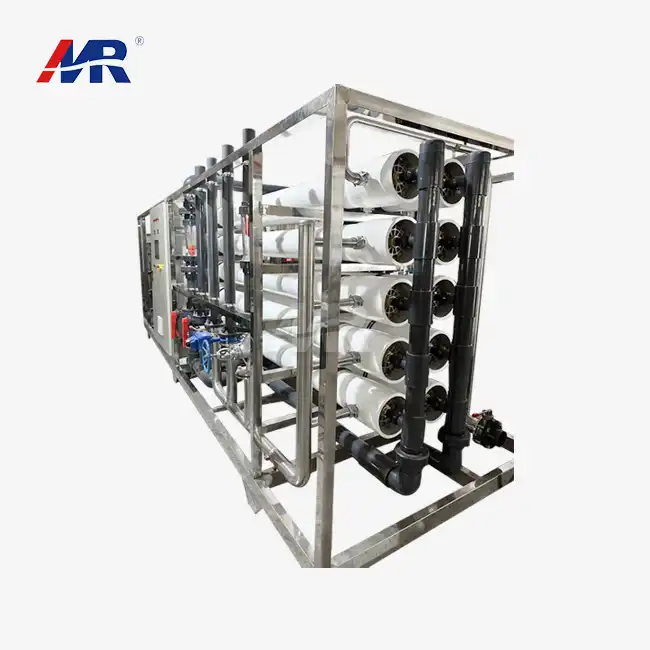 VIEW MORE50m3/hour reverse osmosis equipment
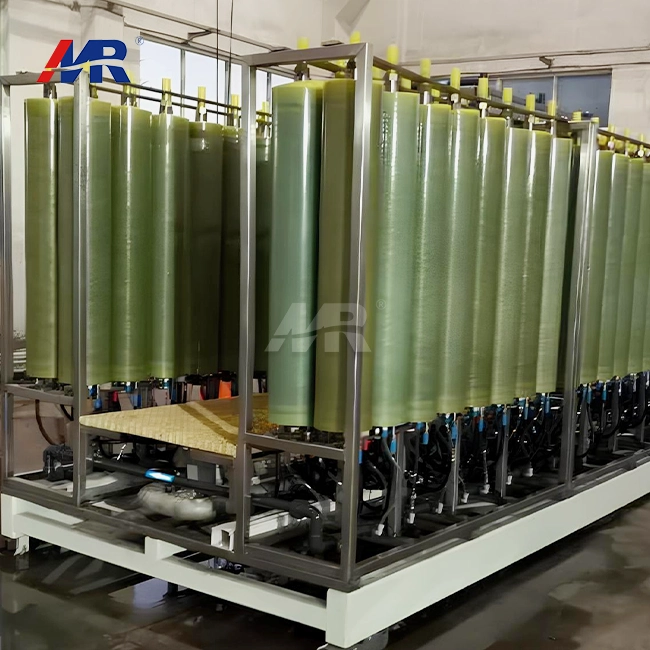 VIEW MOREDTRO for Wastewater Treatment
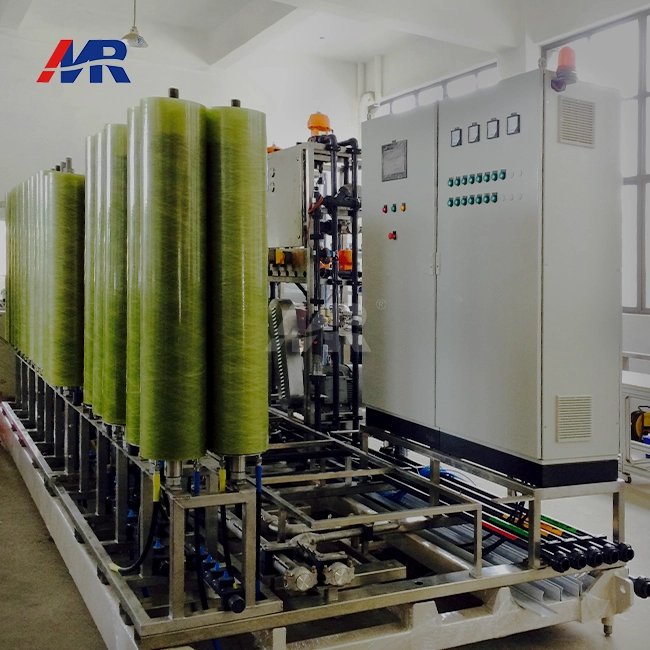 VIEW MOREDTRO Elements
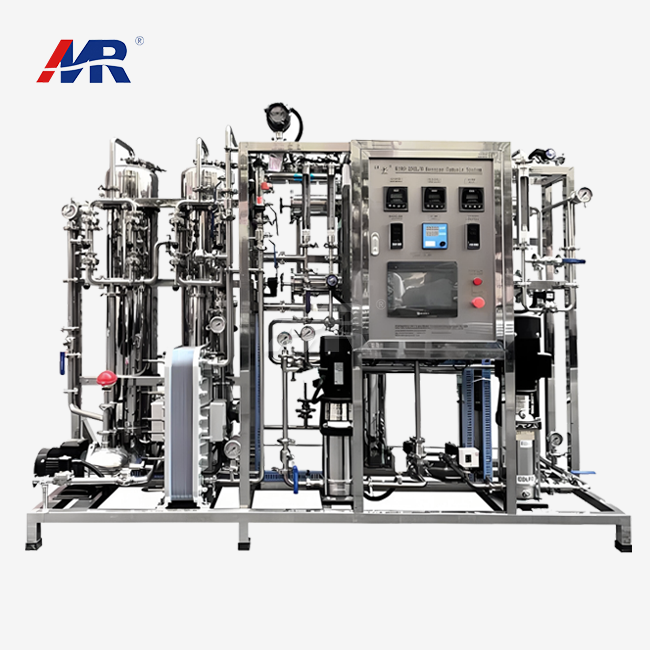 VIEW MORE1000LPH EDI plant
 VIEW MOREindustrial reverse osmosis membrane
