

_1745823981883.webp)

Step-by-Step DTRO System Installation Guide for Municipal Water Treatment Plants
In order to meet strict water quality standards and operational efficiency expectations, municipal water treatment facilities across the United States are increasingly using innovative membrane technologies. With its cutting-edge disc tube reverse osmosis technology, the DTRO system is a ground-breaking option for municipal plants managing difficult water sources with high levels of contamination. The essential requirements of engineers, facilities managers, and procurement specialists who need dependable, reasonably priced water treatment solutions are met by this thorough installation guide. Municipal facilities can achieve superior contaminant removal rates exceeding 95%, lower operating costs by up to 30% through automated cleaning systems, and guarantee compliance with EPA regulations while maintaining consistent water quality output for their communities by putting the right DTRO installation procedures into place.
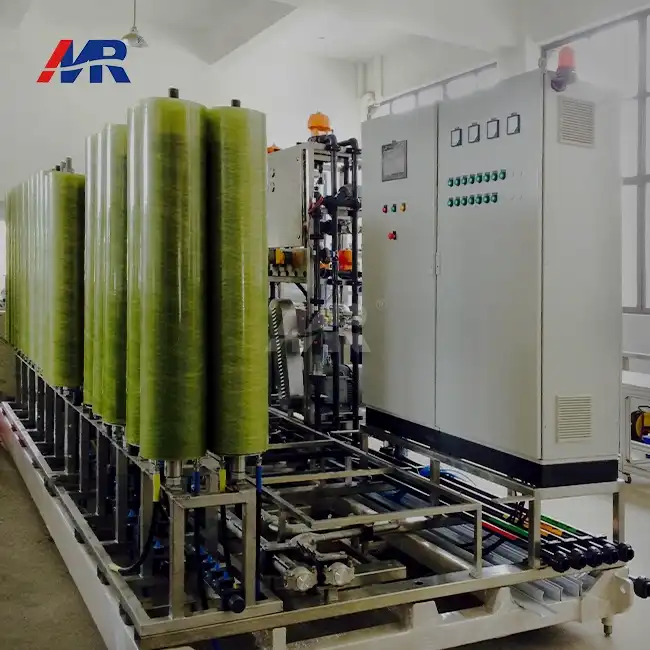
Understanding the DTRO System: Components and Functionality
Unlike traditional spiral-wound systems, the disc tube reverse osmosis technique is based on innovative membrane design concepts. DTRO systems, in contrast to conventional arrangements, use stacked membrane discs spaced apart by specific spacers to create short feed flow routes that greatly lower fouling potential and concentration polarization.
Core System Components
Three crucial subsystems make up the DTRO system architecture, which collaborate to provide outstanding water treatment performance. Procurement teams are better equipped to decide on system specs and capacity needs when they have a thorough understanding of these elements.
The first line of defense against big particles and suspended solids that can jeopardize the integrity of the membrane is provided by pretreatment units. Multimedia filters, activated carbon systems, and chemical dosing apparatuses intended to maximize feed water conditions are frequently found in these units. An effective pretreatment design is essential for long-term operational success since it has a direct impact on membrane longevity and overall system efficiency.
The core of DTRO technology is represented by membrane modules, where real pollutant separation takes place under carefully regulated pressure. Multiple membrane discs are placed in sequence within each module, enabling a variable arrangement based on particular treatment goals and water quality needs. Compared to sealed element systems, the special disc design allows for individual membrane replacement, thus lowering maintenance costs.
The automation and pressure needed for reliable operation are supplied by pump and control systems. Even in difficult water conditions, high-pressure pumps—typically running at 90 bar—ensure maximum separation efficiency. Predictive maintenance scheduling and real-time changes are made possible by sophisticated control systems that keep an eye on vital metrics, including water quality indicators, flow rates, and pressure differentials.
Operational Parameters and Performance Metrics
During installation and commissioning, it is necessary to optimize the carefully balanced operational parameters that determine the system's performance. When the system is designed properly, recovery rates of 70–90% can be achieved while maintaining a continuous permeate quality that either meets or surpasses municipal water regulations.
Municipal facilities may gradually increase capacity as demand increases thanks to the modular design flexibility, safeguarding the initial investment and guaranteeing sufficient treatment capacity for future growth. For expanding towns where water demand estimates may fluctuate greatly over the system's operational lifetime, this scalability is especially advantageous.
Preparation Before Installation: Site Assessment and Planning
Successful DTRO installation begins long before equipment arrival, requiring comprehensive site evaluation and meticulous planning to ensure optimal system performance and regulatory compliance. This preparation phase directly influences project timeline, budget adherence, and long-term operational success.
Infrastructure Assessment and Utility Requirements
To properly fulfill DTRO system requirements, municipal facilities must perform comprehensive assessments of the current infrastructure. Structural foundations must be analyzed to support equipment loads and vibration control, while electrical supply systems must be evaluated to provide sufficient capacity for high-pressure pumps and control systems.
The foundation of appropriate system sizing and setup is water quality analysis. Total dissolved solids, chemical compounds, heavy metal concentrations, and seasonal variable patterns should all be tested thoroughly. Engineering teams can use this information to optimize membrane selection and pretreatment needs, guaranteeing reliable performance under a range of intake circumstances.
Planning for space allocation must take future growth potential, maintenance access needs, and equipment footprint into consideration. Although DTRO systems' small design offers benefits in facilities with limited space, appropriate clearances are still necessary for safe operation and maintenance procedures.
Regulatory Compliance and Permitting
Strict regulatory control governs municipal water treatment facilities, necessitating close attention to compliance requirements during the installation process. Local building rules, state environmental requirements, and EPA restrictions all have an impact on how systems are designed and installed.
Depending on the discharge characteristics and system capacity, environmental impact evaluations can be necessary. While facilities may be eligible for various incentive programs and rebates due to energy-saving considerations, concentrate disposal techniques must be evaluated to guarantee compliance with local wastewater treatment laws.
Detailed engineering drawings, equipment specifications, and operating procedures that show adherence to relevant standards are examples of documentation needs. These records have two functions: they are operational references for facility personnel training and continuing maintenance tasks, as well as regulatory submissions.
Step-by-Step DTRO System Installation Process
The installation process requires systematic execution of precisely coordinated activities to ensure proper system integration and optimal performance from startup. Each phase builds upon previous work, making adherence to proper sequencing essential for successful project completion.
Equipment Delivery and Initial Setup
Upon equipment arrival, immediate inspection procedures verify component integrity and completeness against shipping documentation. Membrane modules require special handling to prevent damage, while pump components need verification of alignment and coupling specifications before installation begins.
Site preparation includes foundation verification, utility connections, and safety system installation. Proper equipment positioning ensures adequate maintenance access while minimizing piping complexity and pressure losses. Temporary protection measures prevent contamination during installation activities that could compromise system performance.
Pretreatment System Integration
Pretreatment installation establishes the foundation for reliable DTRO operation by ensuring optimal feed water quality. Multimedia filters require proper media placement and backwash system calibration, while chemical dosing systems need accurate calibration to prevent over-treatment or inadequate conditioning.
Interconnecting piping between pretreatment components and the DTRO system requires careful attention to material compatibility and pressure ratings. Stainless steel piping provides superior corrosion resistance for municipal applications, while proper valve placement enables effective system isolation for maintenance activities.
Membrane Module Installation and Commissioning
Membrane installation demands meticulous attention to sealing integrity and proper torque specifications to prevent bypass and ensure optimal separation efficiency. Each disc assembly requires verification of spacer placement and orientation, while pressure vessel alignment affects long-term seal performance.
Initial system commissioning begins with low-pressure testing to verify connection integrity before progressing to full operating pressure. Gradual pressure increases allow identification of potential leaks or alignment issues while membranes undergo initial conditioning cycles that optimize performance characteristics.
Control system calibration includes sensor verification, alarm threshold setting, and automated sequence testing. Proper calibration ensures accurate monitoring of critical parameters while enabling predictive maintenance scheduling that maximizes membrane lifespan and system reliability.
Troubleshooting and Common Installation Pitfalls
Even experienced installation teams encounter challenges that can impact project timelines and system performance if not addressed promptly and effectively. Understanding common issues and their solutions enables proactive problem prevention and rapid resolution when problems arise.
Membrane-Related Installation Issues
Membrane damage during installation represents one of the most costly potential problems, often resulting from improper handling or excessive torque during assembly. Visual inspection protocols help identify potential damage before system startup, while proper storage conditions prevent degradation during extended installation periods.
Bypass issues around membrane seals typically stem from inadequate torque application or damaged sealing surfaces. These problems manifest as poor separation efficiency and require immediate attention to prevent progressive deterioration that could affect multiple membrane elements.
System Integration Challenges
Piping stress concentrations can develop when thermal expansion considerations are inadequately addressed during installation. Proper expansion joint placement and support design prevent stress-related failures while ensuring long-term system reliability under varying operating conditions.
Control system communication problems often result from improper grounding or electrical interference from nearby equipment. Systematic troubleshooting approaches help identify root causes, while proper installation practices prevent recurring issues that could affect system automation reliability.
Performance Optimization During Startup
Initial system performance may not meet design specifications due to membrane conditioning requirements or suboptimal operating parameter settings. Gradual optimization through systematic parameter adjustments enables achievement of target performance levels while protecting membrane integrity during the startup phase.
Water quality monitoring during initial operation provides valuable feedback for system optimization and identifies potential pretreatment adjustments needed to achieve consistent long-term performance. Comprehensive data collection during this phase establishes baseline performance metrics for ongoing monitoring and maintenance planning.
Maintenance and Optimization Post-Installation
Sustainable DTRO system operation requires proactive maintenance strategies and continuous optimization efforts to maximize system lifespan and maintain consistent performance levels. These activities protect initial investment while ensuring reliable water treatment capacity for municipal customers.
Routine Maintenance Protocols
Membrane cleaning procedures represent the most critical maintenance activity, with cleaning frequency and chemical selection directly impacting system performance and membrane lifespan. Automated cleaning systems reduce labor requirements while ensuring consistent cleaning effectiveness that maintains optimal flux rates.
Performance monitoring through data analysis helps identify trends that indicate developing problems before they affect system reliability. Regular analysis of pressure differentials, flow rates, and water quality parameters enables predictive maintenance scheduling that minimizes unplanned downtime.
Advanced Optimization Strategies
Software-assisted system analysis enables the identification of optimization opportunities that improve efficiency and reduce operating costs. These tools analyze historical performance data to recommend operating parameter adjustments and maintenance timing optimization that maximizes system effectiveness.
Energy consumption optimization through variable frequency drives and pressure recovery systems can significantly reduce operational costs while maintaining treatment performance. These upgrades often qualify for utility rebates and provide rapid payback through reduced energy expenses.
Scalability and Future Upgrades
The modular nature of DTRO systems enables capacity expansion through additional membrane modules without major system modifications. This flexibility allows municipal facilities to match treatment capacity with growing demand while protecting initial investment and maintaining operational continuity.
Technology upgrades, including improved membrane formulations and advanced control systems, can be integrated into existing installations to enhance performance and extend system lifespan. Regular evaluation of available upgrades ensures facilities benefit from ongoing technological improvements while maximizing return on investment.
Company Introduction and Our DTRO Solutions
Guangdong Morui Environmental Technology Co., Ltd. brings over 19 years of specialized expertise in advanced water treatment solutions, with particular strength in DTRO technology applications for municipal and industrial clients. Our comprehensive approach encompasses system design, manufacturing, installation, and ongoing support services that ensure optimal performance throughout system's lifespan.
Our Technical Capabilities and Manufacturing Excellence
Our engineering team includes 20 specialized professionals with extensive experience in membrane technology applications, supported by 14 branches and over 500 employees across our organization. This depth of expertise enables us to handle projects of any complexity while providing personalized attention to each client's specific requirements.
Manufacturing capabilities include dedicated membrane production facilities and multiple equipment processing workshops that ensure quality control and rapid delivery timelines. Our partnerships with industry leaders like Grundfos pumps, Shimge Water Pumps, and Runxin Valves provide access to premium components that enhance system reliability and performance.
Proven Performance in Municipal Applications
With recorded pollutant removal rates of over 95% for salts, heavy metals, and complex organic compounds, our DTRO systems continuously provide outstanding performance in a variety of municipal applications. Systems retain steady operation and good recovery rates when handling feed water with conductivity up to 15 ms/cm and COD levels up to 25,000 mg/L.
Complete systems may be installed in 20–35 days on average, allowing for quick deployment with minimal interference with ongoing treatment activities. Our modular design methodology ensures ongoing treatment capacity throughout project implementation by permitting phased installation when needed.
Global market conformity with international standards and regulatory criteria is ensured by quality Certifications such as ISO, CE, and ROHS. These certificates lower project risk, streamline approval procedures, and provide local procurement managers with confidence.
Conclusion
To obtain the best performance and dependability in municipal water treatment applications, DTRO system installation involves meticulous planning, methodical execution, and continuous optimization. The thorough method described in this guide gives engineers, facility managers, and procurement specialists the skills they need to successfully deploy these cutting-edge solutions while optimizing return on investment. When municipal facilities use DTRO technology, they can anticipate notable gains in operational effectiveness, regulatory compliance, and water quality uniformity. These systems can provide decades of dependable service while adjusting to shifting capacity needs and changing water quality issues with the right installation and maintenance procedures. DTRO systems are a great option for municipal institutions looking for long-term water treatment solutions that safeguard public health while lowering operating costs because of their modular design and demonstrated performance qualities.
FAQ
Q1: What is the typical installation timeframe for a DTRO system in a municipal facility?
Complete DTRO system installation typically requires 4-6 weeks from equipment delivery to full commissioning, depending on system capacity and site-specific requirements. This timeline includes site preparation, equipment installation, system integration, and performance verification activities.
Q2: How does DTRO technology compare to conventional reverse osmosis systems for municipal applications?
DTRO systems offer superior fouling resistance and easier maintenance compared to spiral-wound configurations, making them particularly suitable for challenging water sources. The disc design enables individual membrane replacement, reducing maintenance costs and extending overall system lifespan.
Q3: What are the main maintenance requirements for municipal DTRO installations?
Routine maintenance includes automated membrane cleaning cycles, performance monitoring, and periodic component inspection. The automated cleaning systems typically operate 2-3 times weekly, while major maintenance activities occur annually or based on performance indicators.
Q4: Can existing municipal treatment infrastructure accommodate DTRO system installation?
Most municipal facilities can accommodate DTRO systems with minimal modifications due to their compact design and flexible configuration options. Site assessment during the planning phase identifies any necessary infrastructure upgrades to ensure optimal integration.
Q5: What water quality improvements can municipalities expect from DTRO implementation?
DTRO systems consistently achieve greater than 95% removal of dissolved salts, heavy metals, and organic contaminants while maintaining stable performance across varying inlet conditions. This reliability ensures consistent compliance with drinking water standards and regulatory requirements.
Contact Morui for Your Municipal DTRO System Solution
Municipal procurement managers and engineering teams seeking reliable water treatment solutions can benefit from Morui's comprehensive DTRO system expertise and proven track record in municipal applications. Our experienced team provides personalized consultations that address specific facility requirements while ensuring optimal system design and configuration. We offer complete project support, including site assessment, system design, installation supervision, and ongoing Technical support that maximizes system performance and longevity. As a leading DTRO system manufacturer, we understand the unique challenges facing municipal facilities and provide customized solutions that meet both performance and budget requirements. Contact our technical team at benson@guangdongmorui.com or visit moruiwater.com to discuss your specific water treatment needs and explore how our advanced DTRO technology can enhance your facility's capabilities.
References
1. American Water Works Association. "Membrane Technology Applications in Municipal Water Treatment: Design and Implementation Guidelines." AWWA Manual M53, 2023.
2. Environmental Protection Agency. "Drinking Water Treatment Technology Unit Cost Models: Reverse Osmosis and Nanofiltration Systems." EPA Office of Water, 2022.
3. Water Research Foundation. "Performance Evaluation of Disc Tube Reverse Osmosis Systems for Municipal Water Treatment Applications." Project Report 4785, 2023.
4. International Water Association. "Advanced Membrane Technologies for Sustainable Municipal Water Management." IWA Publishing, London, 2023.
5. National Research Council. "Desalination: A National Perspective - Municipal Implementation Strategies." The National Academies Press, Washington DC, 2022.
6. Journal of Water Process Engineering. "Comparative Analysis of Membrane Fouling in Disc Tube versus Spiral Wound Reverse Osmosis Systems." Volume 48, Pages 102-118, 2024.
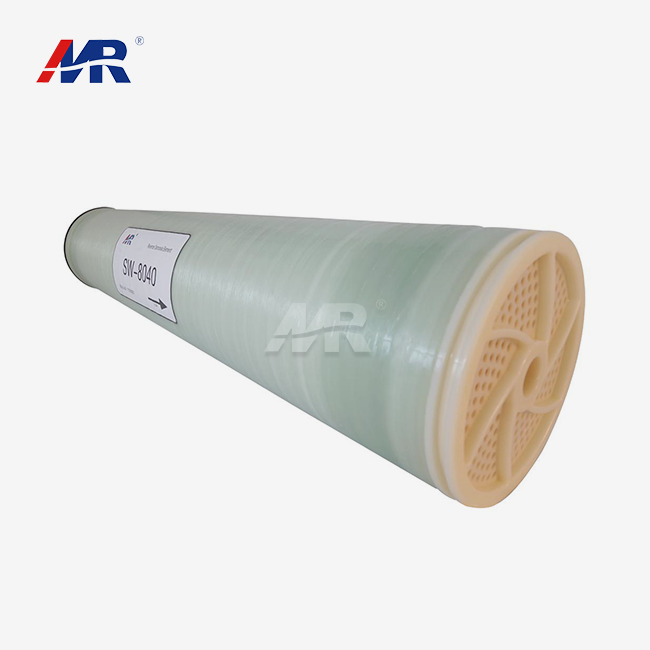 VIEW MOREreverse osmosis membranes
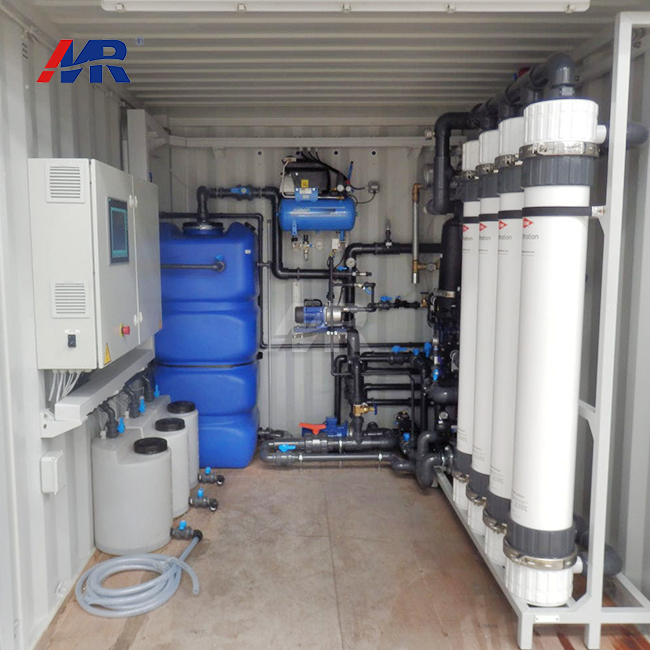 VIEW MOREcontainerized ultrafiltration equipment
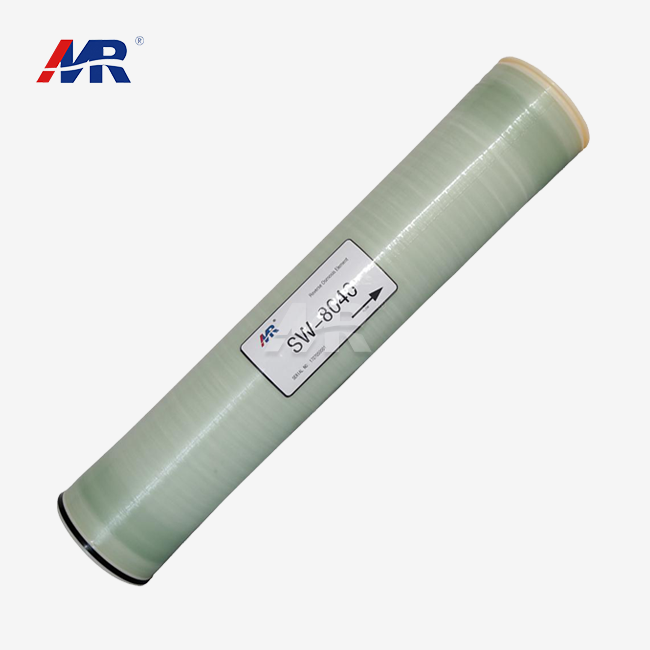 VIEW MORE8040 seawater reverse osmosis membrane
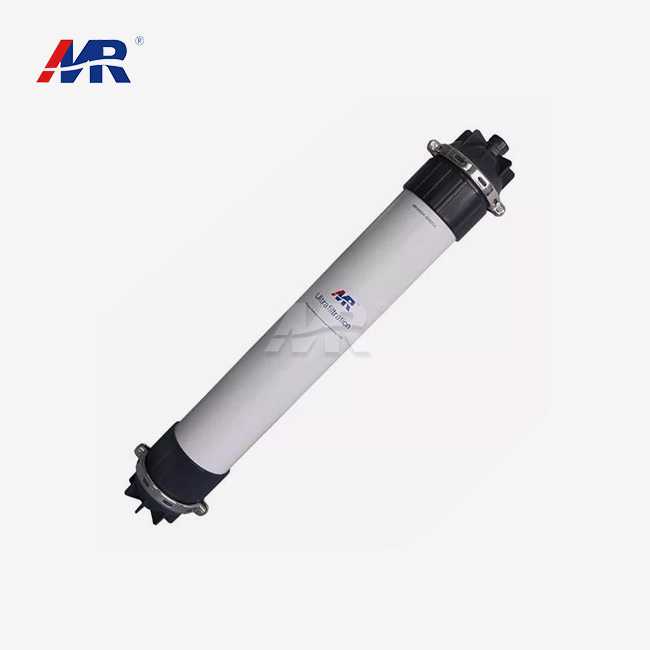 VIEW MOREultra filter membrane
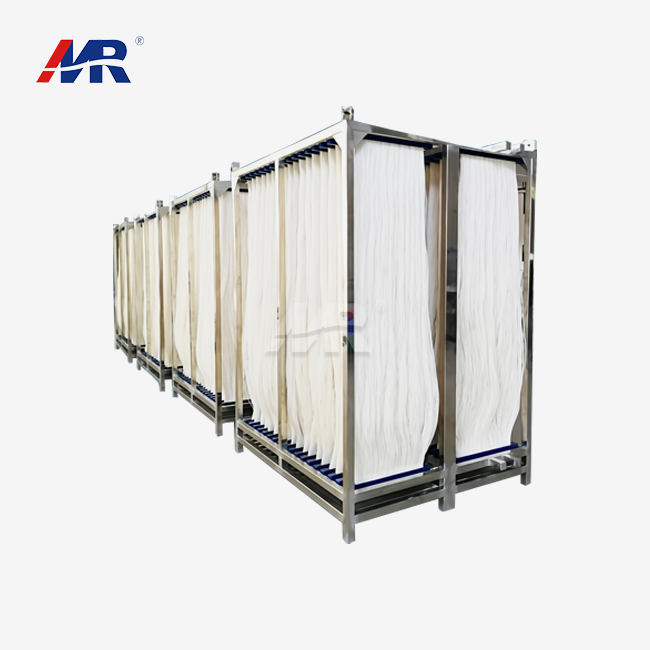 VIEW MOREbioreactor wastewater treatment
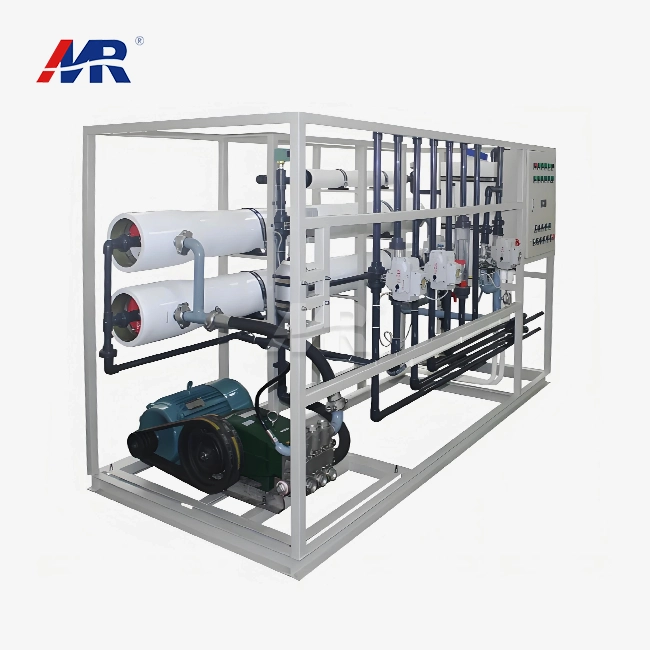 VIEW MOREseawater desalination pre-treatment
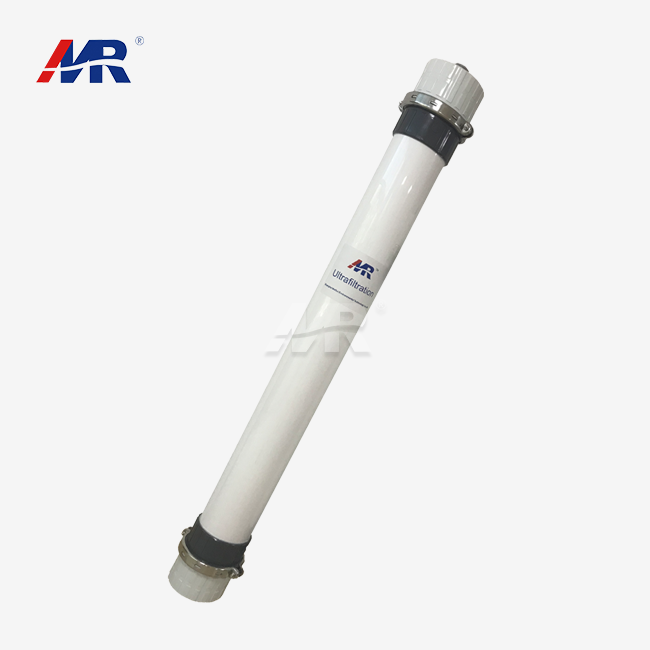 VIEW MOREultrafiltration membrane for wastewater treatment
 VIEW MOREultrafiltration equipment
