_1745823981883.webp)

Seawater desalination equipment uses advanced membrane technology and heating methods to turn seawater into drinking water. When modern desalination systems use reverse osmosis technology, which pushes saltwater through membranes that are only partly permeable under high pressure, it is the main method for getting rid of salt and other contaminants. This process helps deal with the lack of water that affects many areas, including power generation, farmland, manufacturing, and the public water supply. People like procurement managers, engineers, and facility workers can make smart choices about investments in water treatment that make sure their businesses always have a dependable supply of great-tasting water when they know how these systems work.
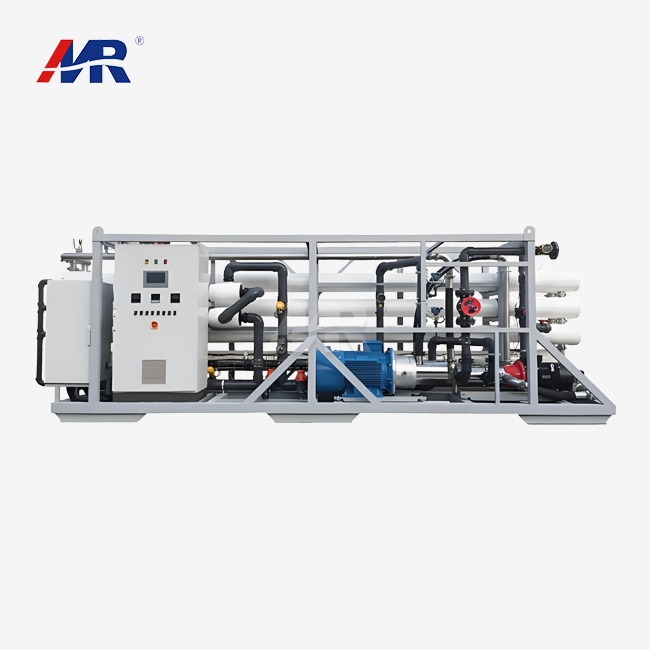
Understanding Seawater Desalination Equipment: Principles and Process
When natural freshwater is insufficient, Seawater Desalination Equipment removes salts and other contaminants to make useful freshwater. The basic idea is to use physical walls or heat to selectively separate water molecules from salts that are dissolved in the water.
Core Technologies in Modern Systems
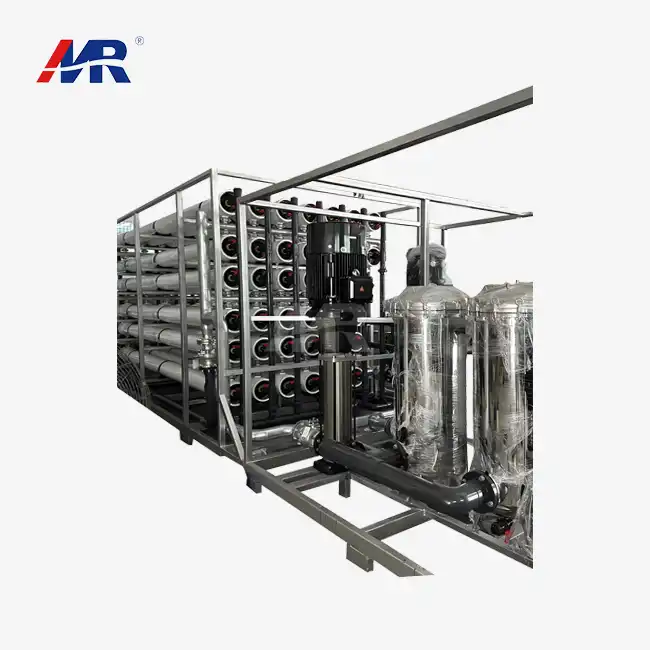
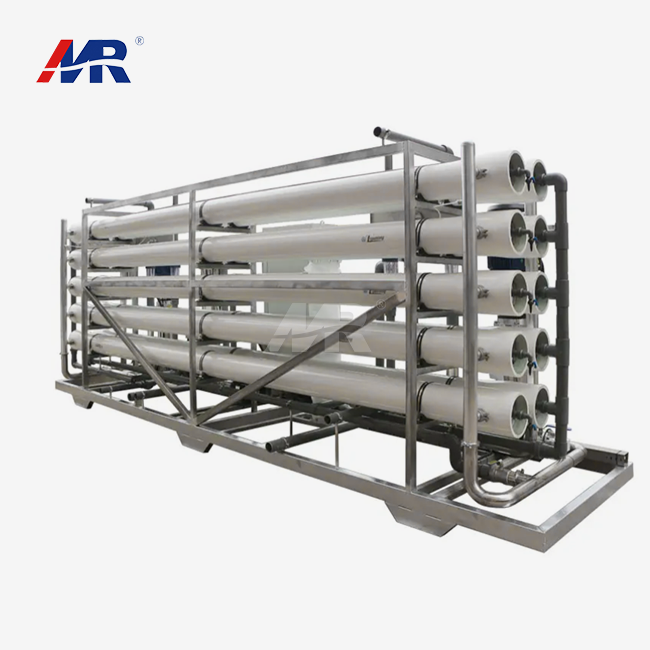
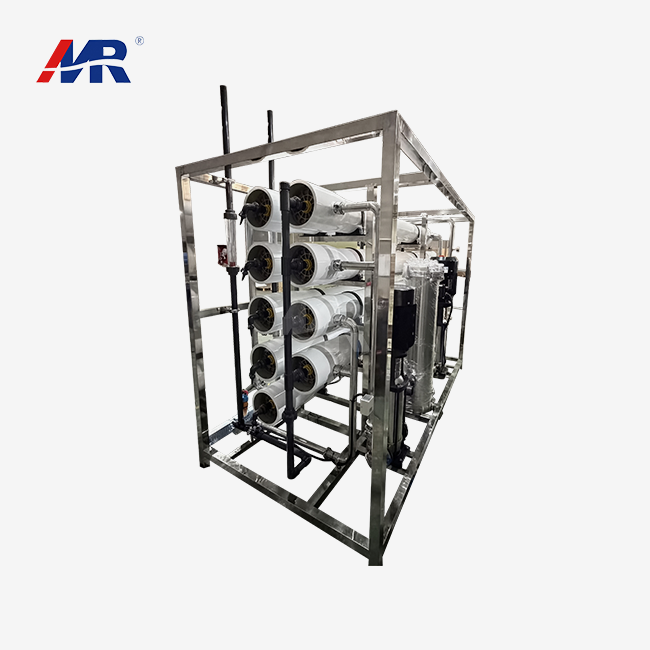
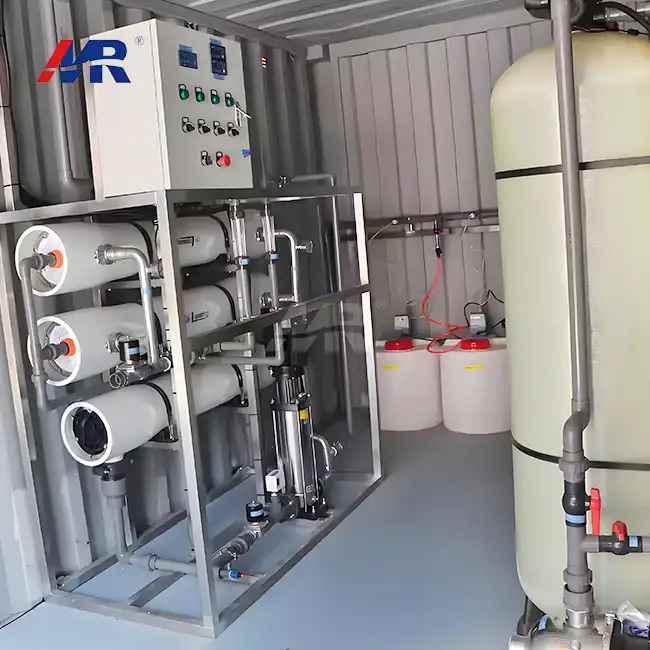
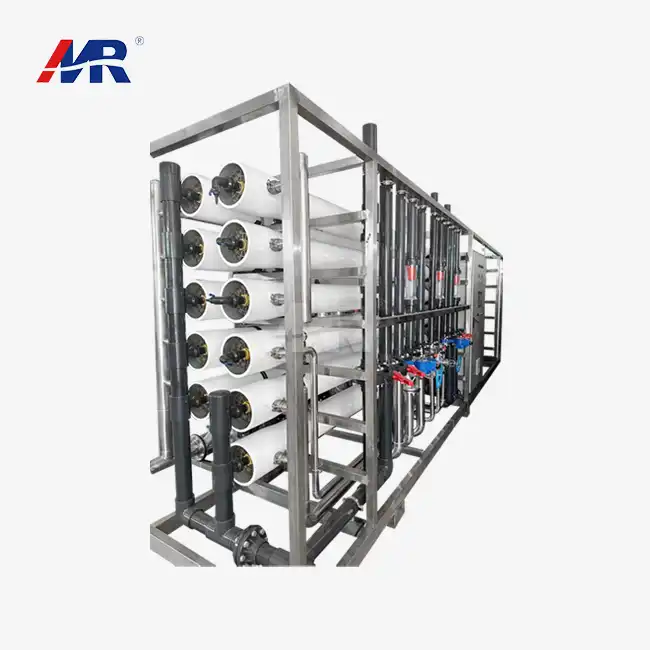
Reverse osmosis desalination equipment is the most popular technology because it is energy-efficient and can be used for both small and large applications. RO systems push seawater through membranes that are only partly permeable. These membranes let water through but keep the salt molecules out. When used in large-scale operations, thermal distillation methods such as Multi-Stage Flash and Multi-Effect Distillation are very effective because they use heat to both drain and collect clean water. Electrodialysis, nanofiltration, and other new methods can help with specific water quality issues.
Essential Process Stages
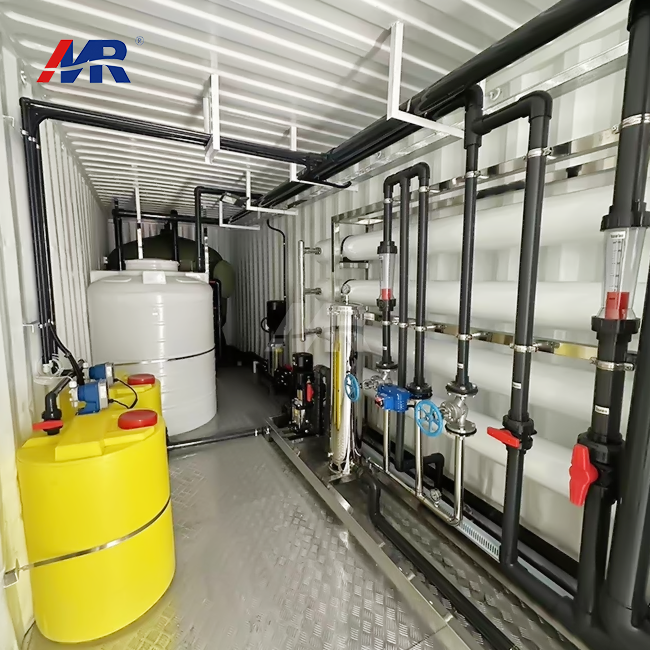
Desalination needs an important pre-treatment step to keep membranes from getting dirty and damaged. This includes chemical treatment, filtering, and getting rid of particles. The main stage of desalination uses either membrane separation or steam distillation. After treatment, the quality of the water is changed so that it meets standards for drinking water or industrial use through remineralization and pH adjustment. An environmentally friendly action is to dispose of salt properly so that it has less of an effect on the environment.
Types of Seawater Desalination Equipment and Their Comparative Performance
Choosing the best desalination equipment distillation technology relies on many things, such as how much energy and water it needs, how hard it is to fix, and how much it costs overall. Different setups work better for different kinds of businesses.
Reverse Osmosis Systems
RO systems usually use less energy and are easier to operate, which makes them perfect for flexible and scalable uses. These days, reverse osmosis technology uses as little as 3 kWh/m³ of energy, which makes it a lot cheaper to run. These units are space-saving and deliver between 1,000 and 100,000 m³/day. With recovery rates of up to 45%, advanced membrane technology makes sure that the water quality stays the same.
Thermal Distillation Technologies
Thermal distillation is great at dealing with high amounts of salt and working with current sources of thermal energy. When waste heat is used in power plant integration, multi-stage flash and multi-effect distillation systems work especially well. These systems work well in tough water circumstances, but they usually need more energy than RO technology.
Portable versus Stationary Configurations
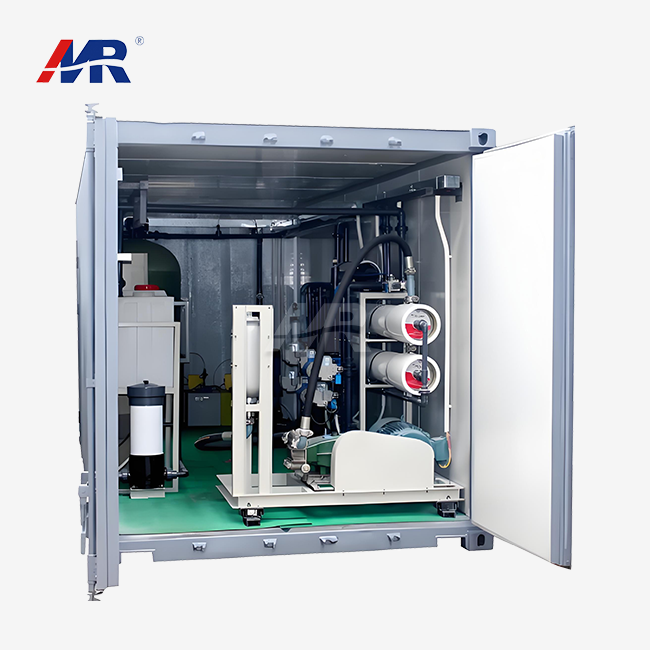
Portable desalination equipment units can be quickly and easily set up in places where they are needed or during emergencies. But, they aren't as good at processing as fixed plants that are designed for ongoing large-volume output. Because brackish water and seawater have different salt levels, the equipment needs to be very different. This means that the system needs to be carefully tailored to meet the needs of each unique purpose.
Benefits, Challenges, and Environmental Impact of Desalination Equipment
Desalination systems give businesses dependable sources of groundwater that aren't affected by weather or where they're located. With a steady flow of water, this technology helps the industry, farming, and energy sectors keep doing business in areas where water is scarce.
Key Operational Advantages
The main benefits are saving money in the long run by not needing to import as much water and protecting against supply problems caused by droughts. Improvements in technology have made ROI estimates more accurate, and new methods can keep businesses running longer. Automated high-efficiency designs keep the amount of needed work to a minimum while making sure that the regular water quality meets the standards set by the government.
Management Challenges
Managing energy use, which is the most expensive part of running the desalination equipment business, is an operational problem. Regular upkeep includes replacing membranes, using chemicals to treat the system, and cleaning it to keep it from getting fouled. To operate and fix problems with technical equipment, building staff need to be properly trained.
Environmental Considerations
Taking care of the environment means dealing with brine release by either throwing it away the right way or reusing it in a way that helps. Using energy-efficient tools and green energy to lower carbon footprints are actions that support long-term environmental health. Following environmental rules means closely watching discharge factors and ecosystem effect studies.
How to Choose the Best Seawater Desalination Equipment for Your Business Needs?
Good buying planning starts with a full review of business needs, water quality standards, and capacity requirements. Technical evaluation factors include energy economy measures, operational dependability, and maintenance needs.
Critical Evaluation Parameters
The rates of energy use, the durability ratings of the equipment, the guarantee coverage, and the Technical support skills of the provider are all important factors in making a choice. Understanding a vendor's quality standards for manufacturing, shipping timelines, and after-sales service helps avoid risk and ensures long-term business success. Looking at the total cost of ownership, which includes the purchase price, installation costs, and ongoing running costs, helps people make smart choices.
Industry-Specific Requirements
Various fields need different desalination equipment wand ater quality standards. Electronics and drug manufacturing require ultra-pure water that can't have any contaminants. Making food and drinks requires clean water that meets health standards. Power production focuses on minerals that are good for making water to use in boilers. Irrigation systems for agriculture focus on being cheap while also making sure the water is safe for crops.
Company Introduction and Product & Service Information
With a focus on ocean desalination systems, Guangdong Morui Environmental Technology Co., Ltd. offers complete water treatment options. Our state-of-the-art reverse osmosis technology quickly turns seawater into drinkable water with systems that are customized for a range of commercial uses.
Technical Specifications and Capabilities
With capacities ranging from 1,000 to 100,000 m3/day and recovery rates of up to 45%, our desalination equipment offers exceptional performance. Using improved membranes and smart controls to optimize energy usage can get rates as low as 3 kWh/m³. Compact designs make the best use of the room, and fully automated operation with remote tracking features makes the process easier.
Comprehensive Service Portfolio
We help with all aspects of a project, from feasibility studies and unique plan engineering to full installation. Our 14 branches with 500 workers and 20 engineers make sure you get quick technical help and full maintenance plans. We provide unified answers supported by ISO-certified ways of making things, as licensed representatives for top names like Shimge Water Pumps and Runxin Valves.
Conclusion
Seawater desalination equipment is an important tool for dealing with water shortages in a variety of fields. Today’s reverse osmosis systems are energy-efficient and scalable options that make high-quality freshwater for use in industry, agriculture, and cities out of ocean saltwater. An understanding of how things work, the types of technology available, and the factors that go into making a choice allows someone to make smart purchasing decisions that ensure a reliable water supply while also keeping costs under control. Success rests on carefully figuring out how much energy needs to be used and how much it will cost to own based on the needs of the business.
FAQ
Q1: How much energy are current saltwater desalination systems typically consumed?
A: These days, reverse osmosis desalination systems use as little as 3 kWh/m³ of energy, which is a big improvement over older methods. It takes different amounts of energy depending on the size of the system, the quality of the water, and how it is being used, but new developments in membrane technology and energy return devices have greatly lowered these needs.
Q2: In saltwater desalination uses, how long do RO membranes usually last?
A: If you do the right kind of pre-treatment and upkeep, high-quality ro membranes used in seawater uses usually work well for three to five years. The lifespan of a membrane relies on the quality of the feedwater, the way it is operated, and how well it is taken care of. Regular cleaning and tracking keep water quality standards and increase the operating life of the system.
Q3: Can desalination equipment be made to fit the needs of different kinds of industrial water?
A: Yes, desalination systems can be tailored in many ways to meet the needs of different industries. After-treatment processes like remineralization, pH adjustment, and more filtration steps make sure that the pharmaceutical, electronics, food processing, and other industries' unique needs are met.
Partner with Morui for Advanced Desalination Solutions
Ready to solve your water supply challenges with proven desalination equipment technology? Morui Environmental Technology offers comprehensive consultation services to identify optimal solutions for your specific operational requirements. Our engineering team provides detailed feasibility assessments, custom system design, and complete installation support backed by extensive warranty coverage. As a trusted desalination equipment manufacturer with decades of experience, we deliver reliable systems that ensure consistent water quality and operational efficiency. Contact us at benson@guangdongmorui.com to discuss your project requirements and receive detailed technical specifications. Visit moruiwater.com to explore our complete product portfolio.
References
1. Jones, Michael A. "Advances in Reverse Osmosis Membrane Technology for Seawater Desalination." Water Treatment Engineering Journal, 2023.
2. Chen, Sarah L. and Rodriguez, Carlos M. "Energy Efficiency Optimization in Large-Scale Desalination Plants." International Desalination Research, 2023.
3. Thompson, David R. "Environmental Impact Assessment of Modern Desalination Technologies." Environmental Engineering Review, 2022.
4. Williams, Rebecca K. "Economic Analysis of Industrial Desalination System Implementation." Water Economics Quarterly, 2023.
5. Martinez, Antonio J. "Membrane Fouling Prevention Strategies in Seawater Reverse Osmosis Systems." Membrane Technology Today, 2023.
6. Kumar, Priya S. "Sustainable Brine Management Practices in Coastal Desalination Facilities." Coastal Environmental Management, 2022.