_1745823981883.webp)

To keep a brackish water RO Unit in good working order for the duration of its useful life, careful planning and methodical maintenance are necessary. When these specialized reverse osmosis systems handle water with a moderate amount of salt, they can run into problems that make regular repair very important for keeping them efficient. Good maintenance not only keeps membrane technology working properly, but it also protects your investment and avoids operating problems that can affect productivity and profit in all kinds of industrial uses.
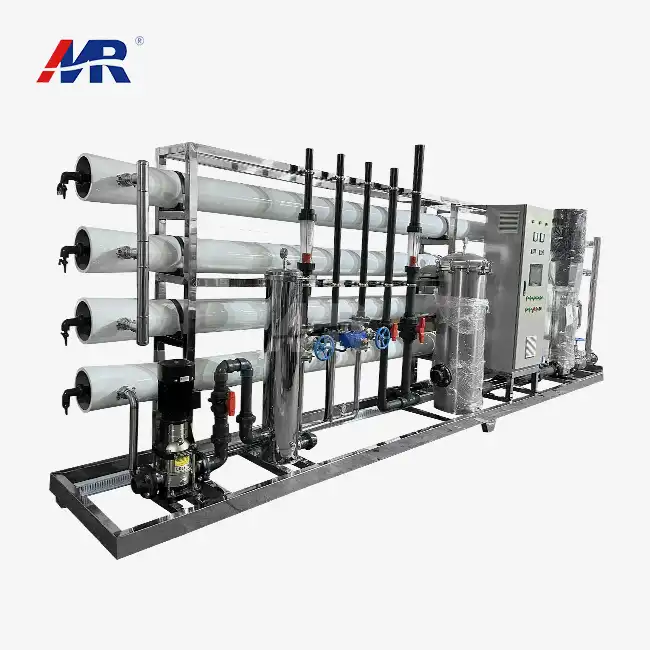
Understanding the Unique Challenges of Brackish Water RO Units
Because its Total Dissolved Solids (TDS) level is somewhere in the range of 1,000 to 10,000 parts per million, brackish water causes specific problems for reverse osmosis systems. This amount of salinity produces conditions where scaling, membrane fouling, and biofouling happen faster than in freshwater systems. It also needs different treatment methods than those used in seawater desalination systems.
Impact of Moderate Salinity on System Components
The moderately high salt level in brackish water speeds up the process of minerals settling on the surfaces of RO Unit membranes. These minerals include calcium carbonate, calcium sulfate, and barium sulfate. These scaling chemicals make crystals that lower the ability of water to pass through the deposits and raise the pressure in the system. This makes pumps work harder and use more energy. Understanding how scaling works helps workers make tailored maintenance plans that deal with specific fouling processes before they hurt the performance of the system.
Biological Growth and Fouling Considerations
When RO systems use brackish water, the organic matter, chemicals, and bacteria that are often found in it can help bacteria grow. When biofilm forms on membrane surfaces, it creates a barrier that slows down the flow of water and speeds up the flow of salt. This affects both the amount and the quality of the water that is cleaned. Checking biological activity signs regularly makes it possible to spot problems before they get too bad and biofilm formation takes place.
Essential Maintenance Practices for Brackish Water RO Units
Following thorough care guidelines keeps equipment in good working order, prolongs its useful life, and upholds water quality standards that are important for use in industry. These methods include both preventive and predictive repair plans that are designed to deal with the problems brackish water causes.
Routine Monitoring and Performance Assessment
Daily checks of key performance measures of the RO Unit show early warning signs of system degradation. Normalized permeate flow, pressure differences across membrane elements, energy used to make one cubic meter of water, and salt rejection rates are some of the most important factors. Keeping track of these measures makes it possible to analyze trends. This helps to spot a slow drop in performance before the need for emergency actions.
Advanced tracking systems that can log data automatically make maintenance more effective by keeping an eye on things all the time without needing to be watched by a person all the time. These systems can let workers know when parameters deviate, which could mean that there is a problem. This lets them move quickly to avoid having to make expensive repairs or shut down the system.
Membrane Cleaning Protocols
Regular membrane cleaning gets rid of built-up contaminants and returns permeability so that design flow rates and energy economy are maintained. Based on the type of membrane, the quality of the feed water, and how it's used, cleaning happens every 30 to 90 days for uses with somewhat salty water. Special chemical treatments are used to clean the system. They dissolve scale, remove living matter, and flush out particles that have built up.
Good cleaning methods use chemical treatments that work one after the other and are aimed at different types of buildup. Mineral scales are broken down by acidic cleaners, and alkaline treatments get rid of biofilms and organic matter. To choose the right cleaning Products and strengths, you need to know how each system gets dirty.
Troubleshooting Common Issues to Avoid Downtime
Proactive fixing of the RO Unit stops small problems from turning into big system failures that interrupt work and need costly repairs. Understanding how things usually go wrong helps you quickly figure out what's wrong and get things back on track so you don't lose too much work time.
Identifying and Addressing Pressure Problems
Pressure levels that are not normal often mean that the RO system is having problems. A high feed pressure might mean that the membrane is getting dirty, and a low escape pressure might mean that the membrane is damaged or there are leaks in the seal. Regularly checking on each part of the system helps find problem areas and decide on specific actions to fix them.
Managing Water Quality Deviations
If the quality of the percolate goes down, as shown by rising conductivity or TDS levels, it means that the membrane might be damaged or that rejection performance is too low. These issues might be caused by damage to the membrane, o-ring failures, or too much gunk that lets salt through. Quick action to investigate and fix the problem keeps things from getting worse and makes sure the water quality standards are still met.
Leveraging Advanced Technologies to Enhance Maintenance Efficiency
Using modern technology in upkeep makes it a lot more efficient, lowers the cost of operations, and doesn't have to be done by hand. These are so good that you can use predictive maintenance to make the system work better and make the tools last longer.
Automated Monitoring and Control Systems
When you use PLC-based control systems for the RO Unit that can be monitored from afar, you can see what's going on with the system right away and have the system change itself in response to new conditions. These systems regularly change the way they work in order to keep doing the best job possible. At the same time, they log data so that it can be analyzed and problems can be fixed. With remote tracking, expert support teams can figure out what's wrong and help people without having to visit in person. This speeds up responses and lowers maintenance costs.
IoT-enabled monitors all over the system gather information on how well everything is working. Machine learning algorithms look at this data to figure out when repair should be done before problems happen. This method of predicting repair based on the state of the equipment (rather than set time periods) reduces unplanned downtime.
Advanced Pretreatment Integration
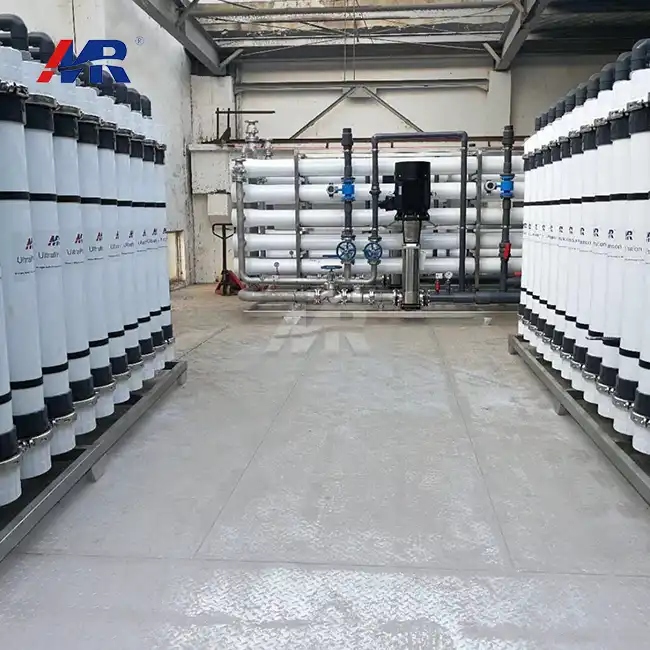
Advanced preparation systems greatly lower the amount of fouling on ro membranes. This extends their useful life and means that they don't have to be cleaned as often. Multi-stage filtration that takes out silt, uses activated carbon, and chemically conditions the water produces the best conditions for feed water. This lowers stress on the membrane and the chance that it will get fouled.
Best Practices for Procurement and Lifecycle Management of Brackish Water RO Units
Strategic buying and lifetime management choices get the most out of investments while making sure that water treatment works. Choosing the right tools, building relationships with suppliers, and planning long-term operations that help the business reach its goals are all part of these practices.
Equipment Specification and Selection Criteria
Choosing RO systems that are made for salty water use will make sure they work well and last a long time. Membrane type, recovery rates, energy efficiency, and automation features that fit the needs of the business are some of the most important things to think about. Thin-film composite membranes with high rejection and low fouling work much better in brackish water use. Also, modular construction allows for capacity growth and maintenance freedom.
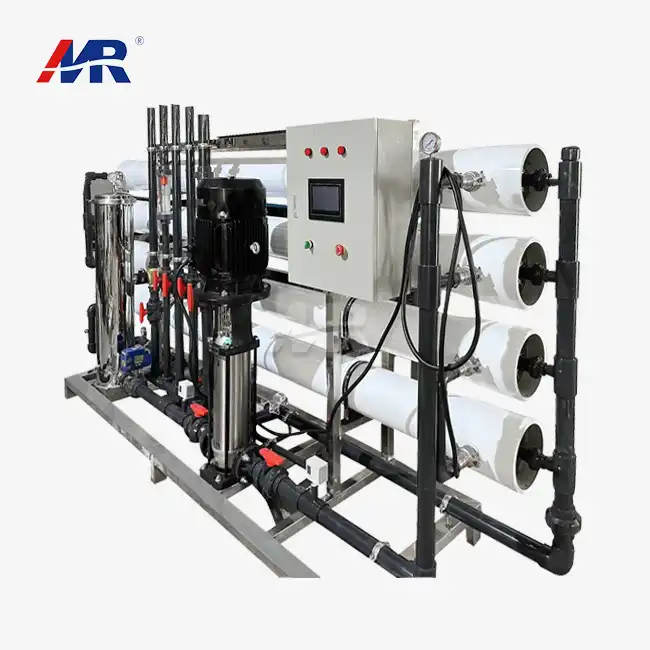
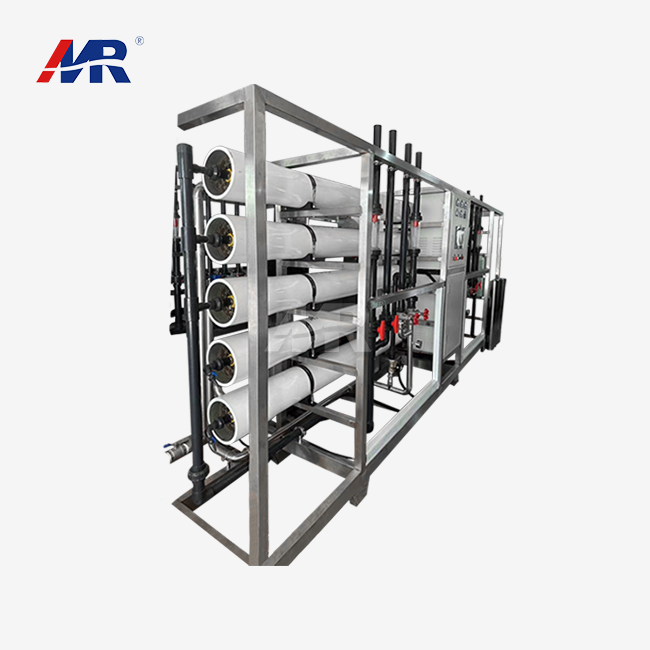
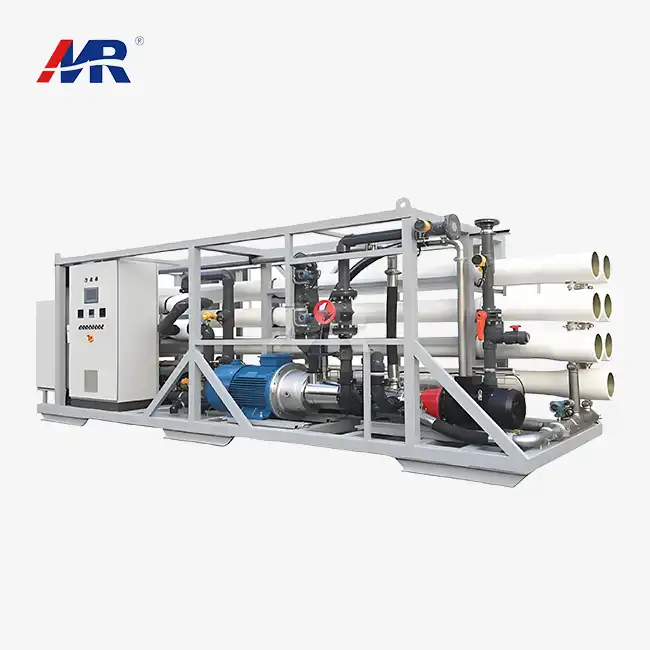
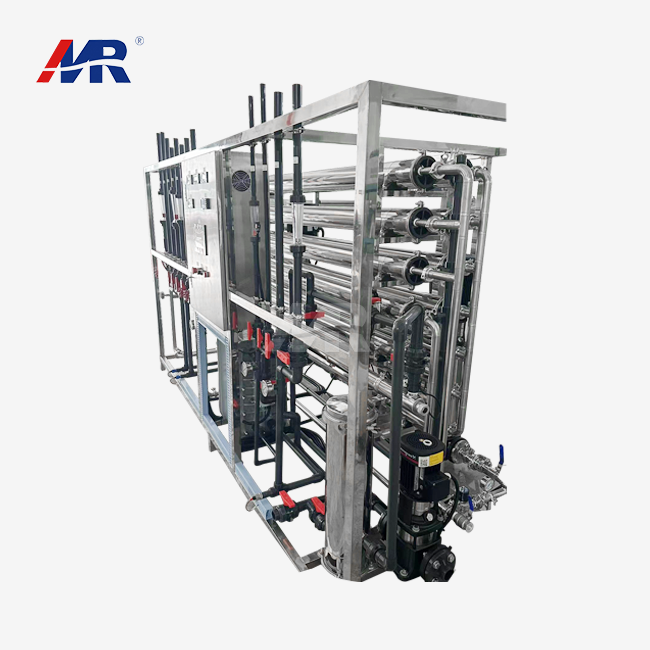
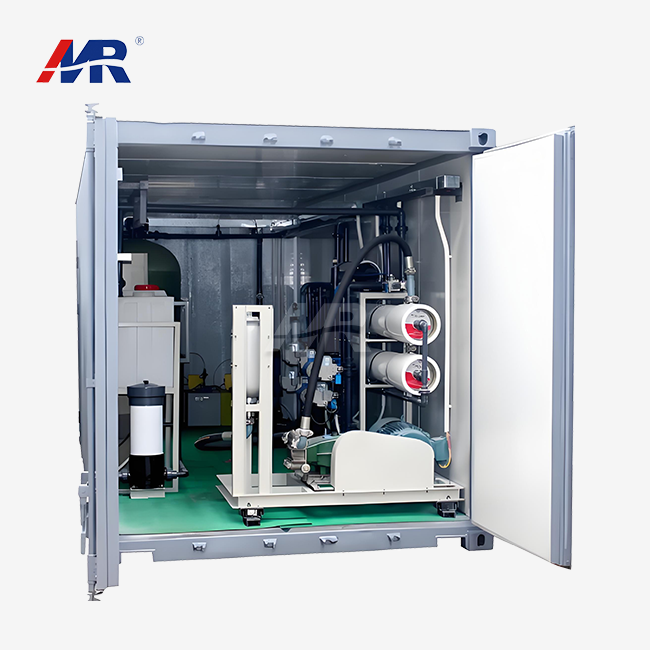
Our cutting-edge RO Unit technology can process water with 1,000 to 10,000 ppm TDS. The systems range in size from 100 to 10,000 cubic meters per day and can recover up to 85% of the water that they process. It takes 2.5 to 3.5 kWh per cubic meter to keep energy use efficient. This supports long-term operations and keeps the cost of running a business low.
Supplier Partnership and Support Services
Building good ties with providers who know what they're doing will help you get professional know-how, real replacement parts, and quick help with service. After-sales service programs that include maintenance training, help with fixing problems, and emergency action can help keep things running smoothly and protect your investment in tools.
Guangdong Morui Environmental Technology Co., Ltd has more than 14 years of experience in water treatment options. The company has 20 engineers and 500 workers across several sites to help them do this. Our in-house membrane production capabilities and equipment processing facilities make sure that quality control and stable supply lines that support long-term operating success are in place.
Conclusion
Brackish water reverse osmosis units can only be kept in good working order if people fully understand the specific problems these systems face, use common sense when applying proven upkeep methods, and carefully bring in new technologies that can help. These methods make sure that performance stays high, impacts to operations are kept to a minimum, and equipment purchases pay off. Regular checks, proactive problem solving, and planned purchasing choices make a base for dependable water treatment operations that help with business goals while still meeting quality standards. Success rests on working with suppliers who have a lot of knowledge and offer ongoing technical help and real replacement parts for the entire life of the equipment.
FAQ
Q1: In RO units that use salty water, how often should membranes and filters be replaced?
A: Depending on the quality of the water and how the system is used, filter replacements usually happen every 6 to 12 months. Membranes for reverse osmosis (RO) systems usually need to be replaced every 2 to 3 years. Keeping an eye on standardized performance factors lets you figure out when to replace parts based on how well the equipment is working instead of replacing them after a set amount of time. This could extend the life of the parts while keeping up with performance standards.
Q2: When does my brackish water reverse osmosis unit need to be fixed?
A: Normalized permeate flow rates that are going down, pressure differentials across membrane stages that are going up, energy consumption per unit of water that is going up, and permeate quality that is going down as measured by conductivity or TDS levels are all key signs. Continuous tracking makes early spotting possible, which allows maintenance to be done before problems get worse.
Q3: Can preparation systems lower how often they need to be maintained?
A: Before they get to RO membranes, advanced cleaning systems lower membrane fouling rates greatly by getting rid of particles, controlling the chance of scaling, and stopping the growth of living things. If you pretreat properly, you can stretch the life of the membrane by 50–100% and clean it less often. This lowers the costs of running the system and makes it more reliable.
Partner with Morui for Superior RO Unit Solutions
Maximize your water treatment investment with Morui's comprehensive brackish water RO unit solutions and expert maintenance support. Our advanced systems deliver reliable performance across diverse industrial applications while minimizing operational costs through energy-efficient design and automated monitoring capabilities. As a trusted RO Unit manufacturer, we provide complete lifecycle support, including installation, commissioning, training, and ongoing technical assistance. Experience the benefits of working with a proven supplier who understands the unique challenges of brackish water treatment and delivers customized solutions that meet your specific requirements. Contact us at benson@guangdongmorui.com to discuss your project needs and discover how our expertise can optimize your water treatment operations.
References
1. American Water Works Association. "Reverse Osmosis and Nanofiltration: AWWA Manual M46." Second Edition, 2021.
2. Fritzmann, C., Löwenberg, J., Wintgens, T., & Melin, T. "State-of-the-art of reverse osmosis desalination." Desalination, Vol. 216, 2007, pp. 1-76.
3. Greenlee, L.F., Lawler, D.F., Freeman, B.D., Marrot, B., & Moulin, P. "Reverse osmosis desalination: Water sources, technology, and today's challenges." Water Research, Vol. 43, 2009, pp. 2317-2348.
4. Membrane Society of Australasia. "Guidelines for RO System Design and Operation." Technical Publication Series, 2019.
5. Qasim, M., Badrelzaman, M., Darwish, N.N., Darwish, N.A., & Hilal, N. "Reverse osmosis desalination: A state-of-the-art review." Desalination, Vol. 459, 2019, pp. 59-104.
6. Water Quality Association. "Membrane Filtration Systems: Maintenance and Troubleshooting Guide." Technical Bulletin TB-2020-03, 2020.