_1745823981883.webp)

Small farm owners have a lot of trouble when they have to deal with brackish water sources that have high amounts of salt. The best way to turn brackish water into clean, agricultural-grade water that can be used for irrigation and cattle use is with a well-designed Reverse Osmosis System. Farm managers can make smart investment choices that strike a balance between operational efficiency and long-term sustainability if they know all the expenses that come with these systems. This whole guide looks at all the costs of treating brackish water, from the initial capital expenditures to the continuing operating costs. It helps farmers improve their water management methods while getting the most out of their investments.
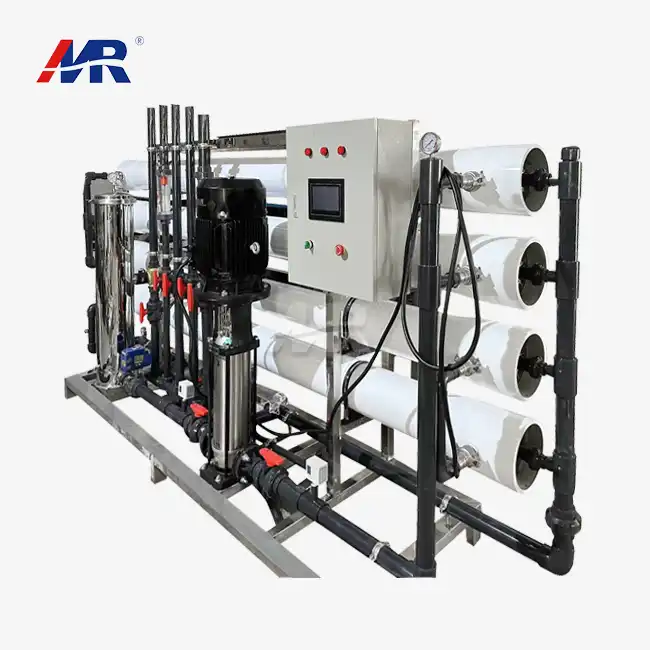
Understanding Brackish Water Reverse Osmosis Systems
Brackish water has a lot of Total Dissolved Solids (TDS), usually between 1,000 and 10,000 parts per million (ppm). This means that it can't be used directly for farming without sufficient treatment. High levels of salt can hurt crops, lower yields, and cause long-term soil degradation problems that make farming less productive.
How Reverse Osmosis Technology Works
Reverse osmosis systems use cutting-edge semipermeable membrane technology to get rid of dissolved salts and other pollutants in brackish water. The method of filtering out dangerous contaminants while making clean, drinkable water requires pushing water through thin-film composite membranes that have high rejection and low fouling under pressure. Modern RO systems can recover up to 85% of the water they use, which makes sure that the water is used efficiently and waste is kept to a minimum.
Key System Components
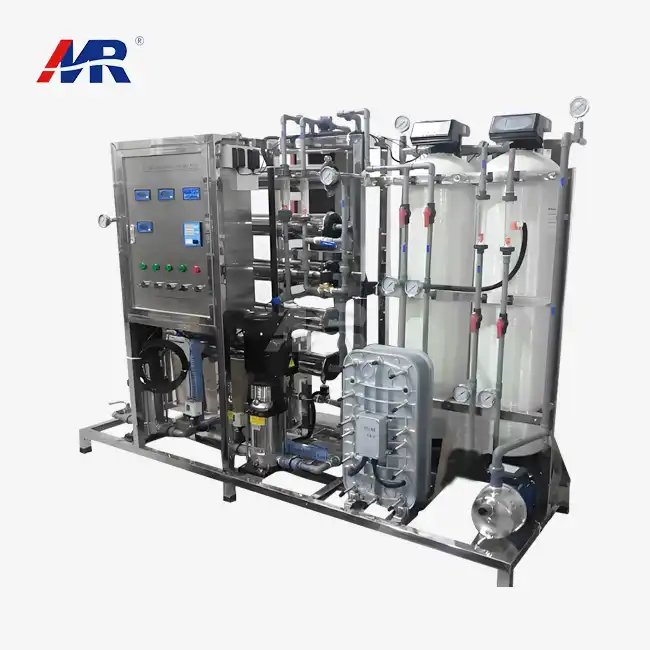
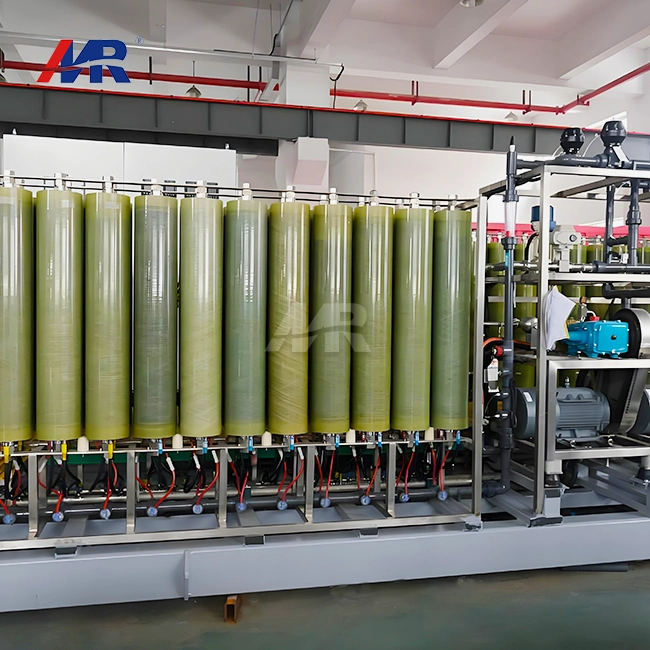
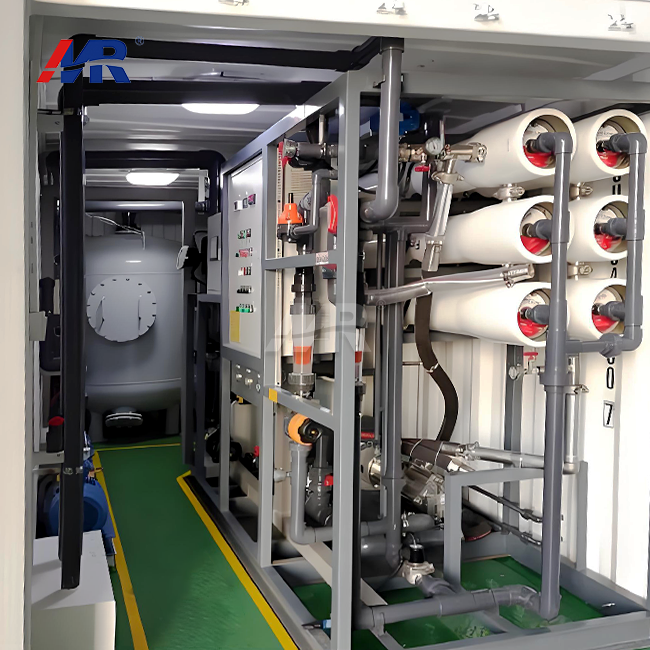
Farm owners may better understand how complicated and valuable these water treatment systems are by knowing what the most important parts are. These are the most important parts that make treating brackish water possible:
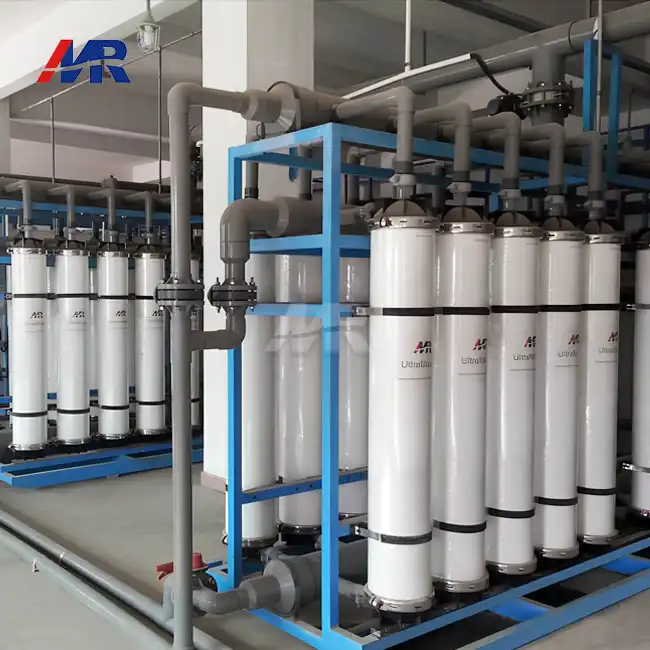
- Pre-treatment filters get rid of silt, chlorine, and bigger particles that might harm membranes downstream. This makes the system last longer and keeps it working at its best.
- Pumps that work at high pressure: To drive water through RO membranes, you usually need 150 to 400 psi of force, depending on how salty the water is.
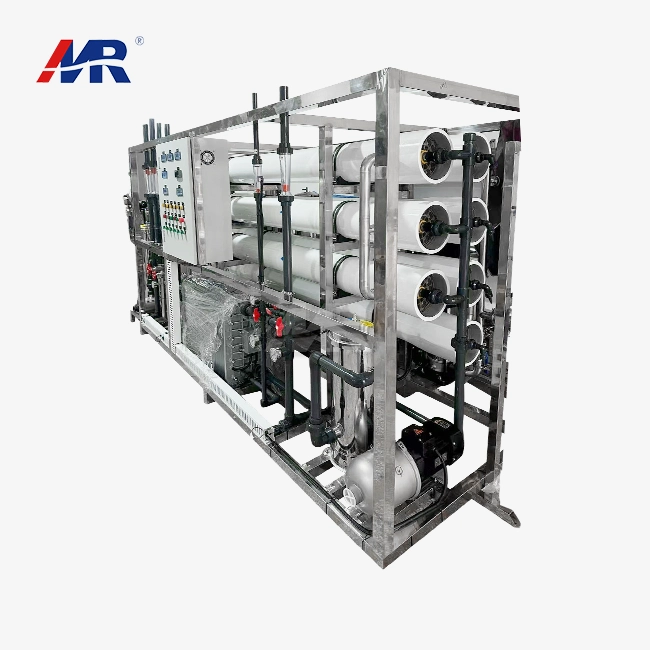
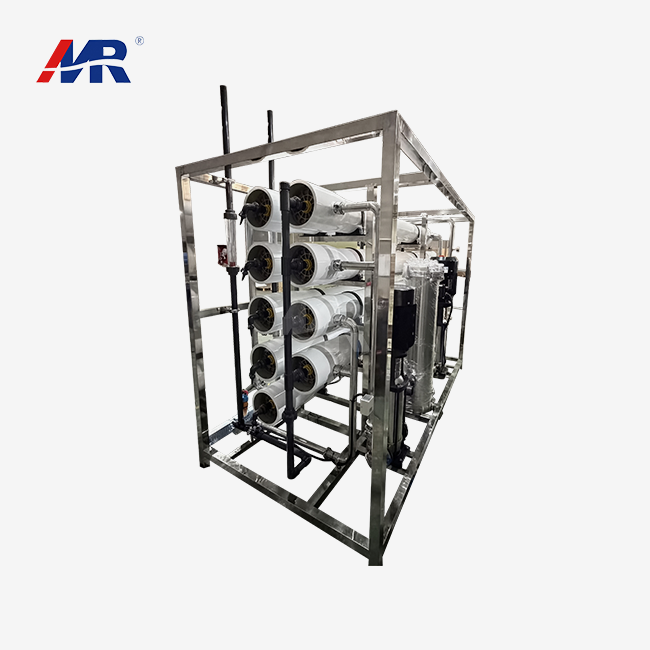
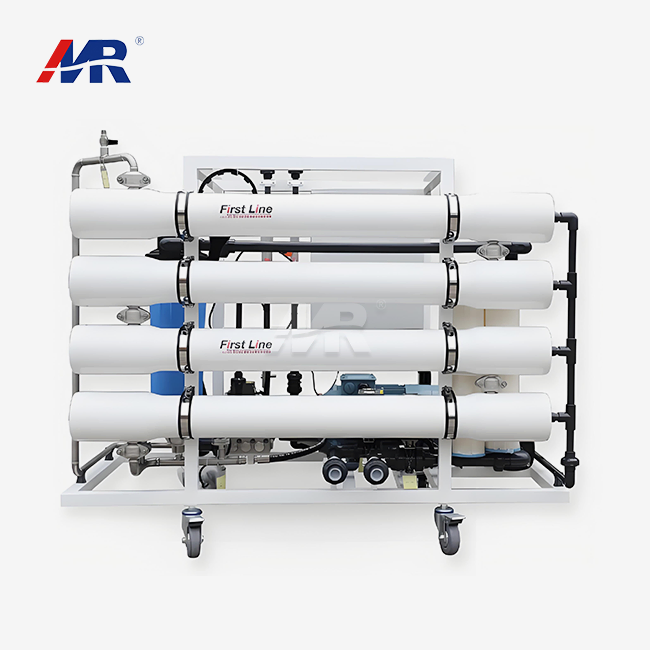
- Membrane modules: House the semipermeable membranes that do the actual separating, getting rid of up to 99% of dissolved salts and other impurities.
- Systems after treatment: Add remineralization devices and pH adjustment parts to make sure that the treated water fits certain agricultural needs.
These parts work together perfectly to provide water that fulfills strict agricultural requirements, keeping crops healthy and boosting farm output.
Cost Factors of Brackish Water Reverse Osmosis Systems for Small Farms
When agricultural businesses buy brackish water treatment systems, they need to carefully think about a number of cost factors. The total cost of ownership is much more than just the price of the system. It includes the costs of installation, operation, and maintenance during the system's lifespan.
Initial Capital Investment
System capacity represents the primary cost driver for brackish water Reverse osmosis systems RO systems. Small farms usually need systems that can handle between 100 and 1,000 cubic meters of water per day. The price might vary a lot depending on how much water they need to make each day. The initial expenses are also affected by the materials used to build the structure. Stainless steel parts are more expensive than plastic ones, but they last longer and are more durable.
Installation and Setup Expenses
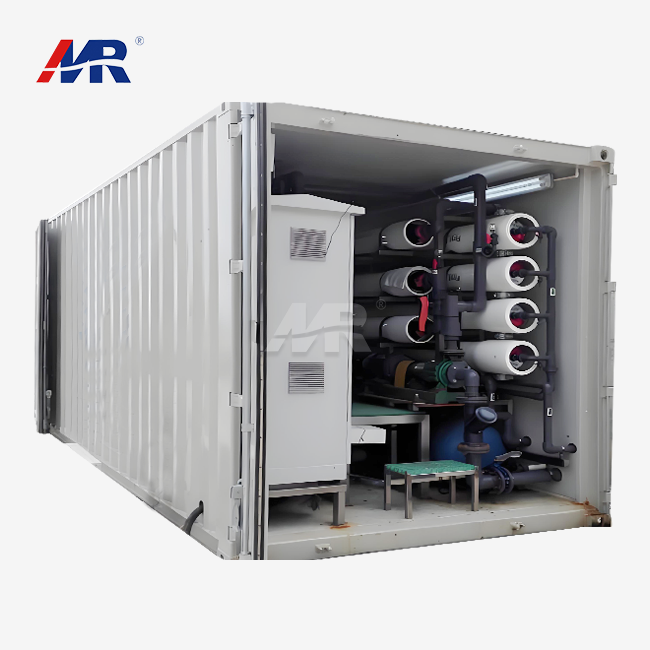
Professional installation makes sure that the system works at its best and that the warranty is honored. Costs for site preparation include building a concrete pad, connecting electricity, and integrating plumbing with the farm's current infrastructure. Modern systems have a small footprint design that takes up less area, which lowers the cost of preparing a site while still allowing for installations in tight spaces.
Operational Cost Analysis
Electricity expenses are a big part of running a business since purified water usually uses between 2.5 and 3.5 kWh per cubic meter. Modern systems are designed to use less energy, which lowers long-term operating costs. Cleaning and replacing membranes are only two examples of regular maintenance tasks that add to continuing operational costs but are nonetheless necessary for keeping the system running well and reliably.
How to Choose the Right Brackish Water RO System for Your Small Farm?
Choosing the right Reverse osmosis system for your farm demands careful consideration of its needs and limitations. To find the best option, the decision-making process looks at water quality indicators, production capacity demands, and infrastructural compatibility.
Water Quality Assessment
Professional water testing can tell you just how salty and dirty your brackish water supply is. Systems that can handle water with TDS levels between 1,000 and 10,000 ppm are flexible enough to treat different types of brackish water. Knowing the exact quality of your water lets you choose the right size and parts for your system.
Capacity Planning and Sizing
By matching system capacity to daily water demand, you can keep things running well without spending too much money on new equipment. Depending on the sorts of crops, how they are watered, and how much demand there is at different times of the year, small farms usually need systems that can produce between 100 and 1,000 cubic meters of water per day. As agricultural activities increase, modular architecture makes it easier to add on and grow in the future.
Infrastructure Compatibility
Modern Reverse osmosis systems use PLC-based control systems that can be monitored from afar, which makes them run more smoothly and allows for real-time performance tracking. The automated functions cut down on the need for human work and give you useful operational data that you can use to improve things. When choosing between different levels of automation and control, think about the electrical infrastructure you already have.
Maintenance and Longevity Tips to Optimize Your RO System Investment
Proactive maintenance plans greatly increase the life of a system while keeping it running at its best. Regular checkups and preventative care lower the chances of unexpected downtime and lower long-term operating expenses, which means you get the most out of your water treatment investment.
Routine Maintenance Protocols
By setting up detailed maintenance routines, you can make sure that your system always works well and that its parts last longer. Checking pressure differentials, cleaning membrane modules, and changing pre-treatment filters according to the manufacturer's instructions are all regular duties. These steps assist in finding problems before they cause the system to fail or slow down.
Performance Monitoring and Optimization
Monitoring important performance metrics of Reverse osmosis systems, like permeate quality, recovery rates, and energy use, gives you useful information about how well the system is working. Modern monitoring systems let you gather and analyze data in real time, which makes it easier to make preventative maintenance choices and find ways to improve. Regular performance assessments help keep things running at their best and find areas where things may be better.
Professional Service and Support
Working with professional service providers gives you access to real replacement parts and technical know-how. Full system inspections, membrane cleaning techniques, and suggestions for improving performance are all part of professional maintenance services. This expert help is quite important for keeping the system running smoothly and getting the most out of its resources.
Procurement and Financing Options for Small Farm Reverse Osmosis Systems
When going through the procurement process, you need to carefully look at the capabilities of suppliers, the financing choices, and the levels of service support they offer. Choosing the right supplier has a big effect on how well the system works in the long run and how well the business runs. Choosing a vendor is an important decision for farm operations.
Supplier Selection Criteria
When looking at possible suppliers, you need to look at their technical skills, the quality of their Products, and their ability to provide good service. Established manufacturers with a history of success in agricultural water treatment give you confidence that the product will work and that you will be able to get help with it in the future. Think for vendors who offer full services, such as system design, installation, and continuing maintenance.
Financing and Payment Options
Flexible financing options help farmers pay for the Reverse osmosis systems they need to build important water treatment infrastructure while also managing their capital needs. Leasing options provide you with choices other than buying anything outright. They let you use new technology while keeping cash on hand for other business requirements. Many suppliers provide flexible payment arrangements that work with the way farmers make money and the seasons when they do.
Installation and Support Services
Comprehensive installation services make sure that the system is set up correctly and works at its best from the start. Professional installation crews know how to do the job right and make sure the guarantee is followed. They also keep projects on schedule and avoid problems. Long-term operational performance depends heavily on post-installation support services, including training, maintenance, and technical help.
Morui Water Treatment Solutions: Your Trusted Partner
Guangdong Morui Environmental Technology Co., Ltd. is a top company that specializes in industrial water treatment solutions. They have been working on agricultural water problems for more than ten years. Our firm has 14 key branches and a staff of 500 employees and 20 specialist engineers who work together to provide full assistance to clients in different parts of the world.
Advanced Product Portfolio
Our cutting-edge Reverse osmosis systems and brackish water treatment systems can handle water with salt levels between 1,000 and 10,000 ppm TDS. They use modern membrane technology to make sure that the results are always of excellent quality. The strong pre-treatment choices make the system last longer and work better in tough farming circumstances. These technical benefits lead to lower operating costs and more reliable systems for farm operations.
Comprehensive Service Excellence
Morui doesn't just make products; they also offer full end-to-end services, including installing expert systems, setting up maintenance schedules, and providing quick technical assistance. We are dedicated to providing personalized solutions that meet the unique needs of each farm, assuring the best performance and the highest return on investment. The use of cutting-edge technology and full support makes long-lasting relationships that develop with your farm.
Conclusion
Buying brackish water reverse osmosis systems is a strategic choice that affects both short-term operating costs and long-term agricultural sustainability. Knowing the full cost structure, from the initial capital investment to the continuing operating costs, helps you make smart decisions that combine performance needs with budget limits. Choosing the right system, having it professionally installed, and keeping up with maintenance all help to get the most out of your investment while making sure that agricultural businesses have reliable access to clean water. These important water treatment solutions are available to small farms that want to make the most of their water resources and improve their efficiency since they have modern technology, full support services, and flexible financing alternatives.
FAQ
Q1: How long do RO membranes usually last when used in brackish water?
A: ro membranes used in brackish water usually survive between 2 and 5 years, depending on the quality of the feed water, how well they are maintained, and how they are used. Cleaning the membranes regularly and properly pre-treating them may greatly increase their life, which lowers replacement costs and keeps the system running at its best for the whole time it is in use.
Q2: How much energy do RO systems that work with brackish water use compared to other ways of treating water?
A: Compared to thermal desalination technologies, modern brackish water RO systems use a lot less energy, just 2.5–3.5 kWh per cubic meter of treated water. The design is energy-efficient, and the recovery rates are high, which keeps operating costs down while providing stable water quality for farming.
Q3: Do brackish water RO systems work well to get rid of both salts and chemical pollutants?
A: Yes, high-quality RO systems can get rid of up to 99% of dissolved salts and most chemical pollutants, such as pesticides, heavy metals, and organic compounds. The innovative membrane technology makes sure that all of the water is clean enough for delicate farming uses and for animals to drink.
Partner with Morui for Superior Water Treatment Solutions
With Morui's demonstrated competence in treating brackish water, you can turn your farm's water problems into competitive advantages. Our skilled engineers create specialized system designs that meet your exact operating needs while also maximizing long-term cost-effectiveness. As a reliable Reverse Osmosis System maker, we use cutting-edge technology and offer a full range of support services to make sure that projects are successful and that operations continue to be excellent. If you want to talk about your water treatment needs and get specific technical recommendations, email us at benson@guangdongmorui.com. Visit moruiwater.com to see all of the latest farming water treatment options we provide for agricultural use.
References
1. Agricultural Water Management Institute. "Brackish Water Treatment Technologies for Sustainable Farming." Journal of Agricultural Engineering, Vol. 45, 2023.
2. Smith, J.R. and Chen, L. "Economic Analysis of Reverse Osmosis Systems in Small-Scale Agriculture." Water Treatment Economics Quarterly, 2023.
3. International Association of Agricultural Engineers. "Best Practices for Brackish Water Desalination in Rural Areas." Technical Report 2023-15, 2023.
4. Martinez, A.C. "Membrane Technology Advances in Agricultural Water Treatment." Desalination Technology Review, Vol. 12, 2023.
5. Rural Development Commission. "Cost-Benefit Analysis of Water Treatment Systems for Small Farms." Agricultural Infrastructure Report, 2023.
6. Thompson, R.K. et al. "Operational Optimization of Brackish Water RO Systems in Agricultural Applications." Water Science and Technology Journal, Vol. 28, 2023.