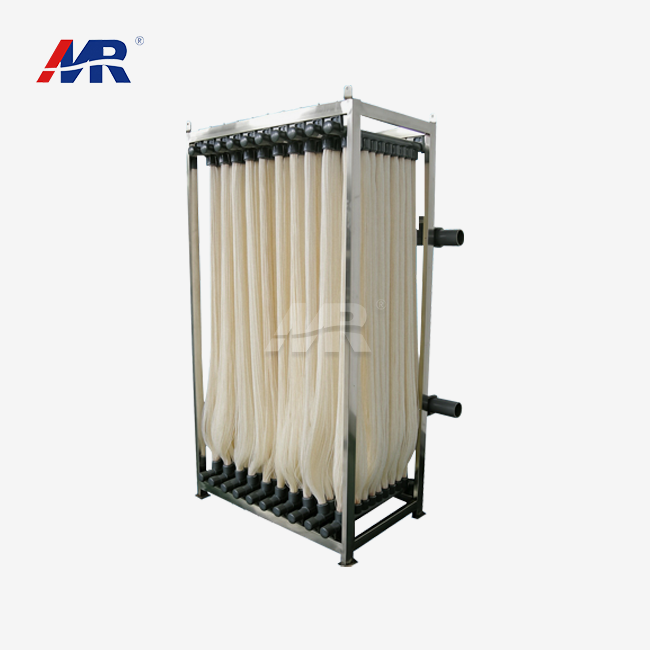
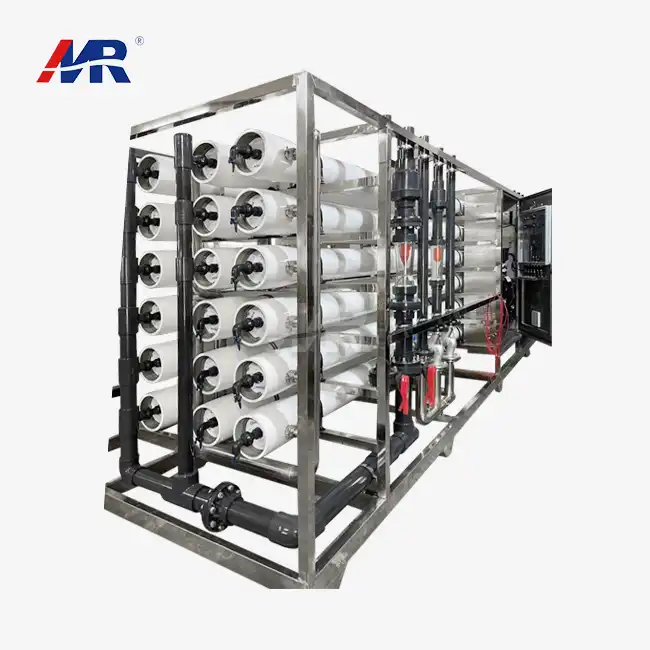
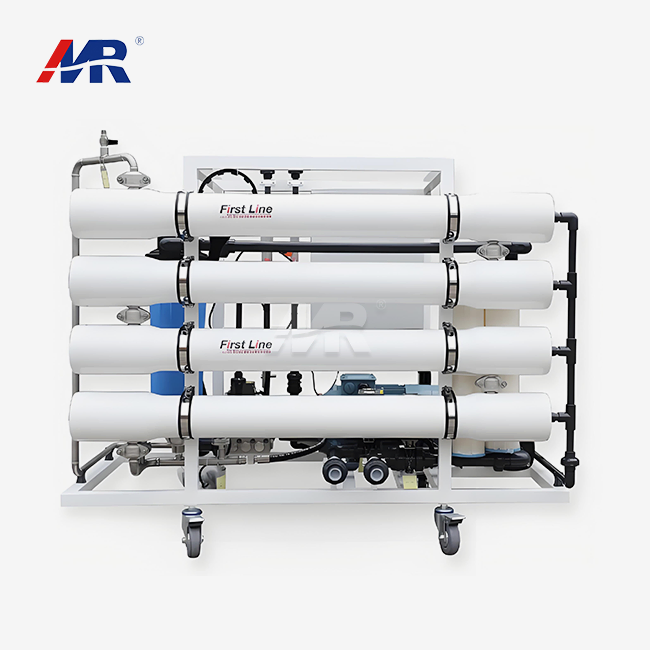
_1745823981883.webp)

When looking for electrodeionization edi system technology for industrial water treatment uses, Argentine buyers are faced with difficult choices. Chinese companies usually offer cheap, good-quality goods, while local Argentine businesses make it easier to get service and offer expert support in the same area. Procurement managers can make smart choices that fit their budget and organizational needs when they understand the full cost of something, including its purchase price, the cost of running it, and the cost of maintaining it.
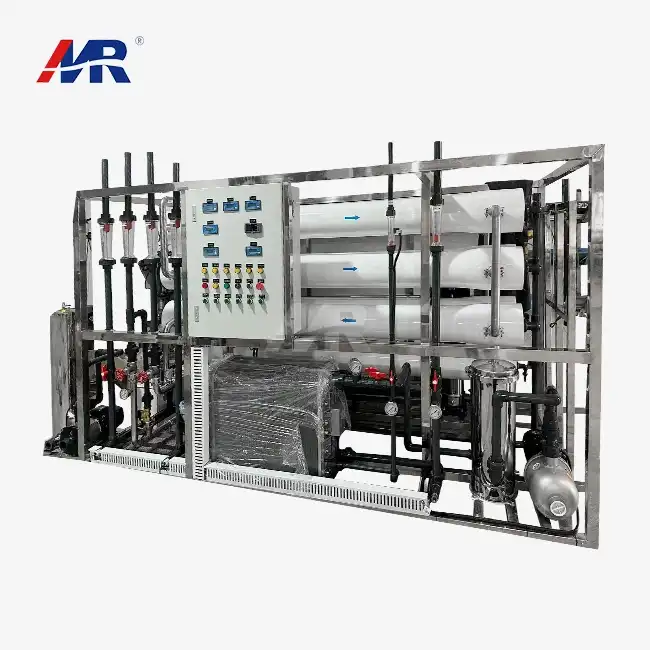
Understanding Electrodeionization (EDI) Systems and Their Benefits
Electrodeionization is a modern way to clean water. It uses ion exchange resin beds and electrical current to make very pure water all the time without needing to add chemicals to keep it clean. This new method gets rid of the need for frequent acid and caustic renewal cycles. This makes the process simpler, and it has a way better effect on the environment.
Core Technology Principles
The EDI method uses selective ion exchange membranes set up in alternating designs to make chambers that concentrate and dilute. When electricity flows through the system, ions move through the membranes depending on how much charge they have. This removes any contaminants that are dissolved in the feed water. This ongoing process keeps the water quality the same, uses fewer chemicals, and makes less waste.
Industrial Applications Across Sectors
Modern electrodeionization EDI system devices are used in a range of industries that need very pure water. Pharmaceutical companies depend on EDI technology to meet strict Good Manufacturing Practice standards for cleaning uses and water for injections. Semiconductor production plants use ultra-pure water for cleaning and polishing wafers because even tiny amounts of contamination can hurt the quality of the Products. Power generation sites use EDI systems to prepare boiler feed water. This stops important equipment from getting rusty and scaling.
Cost Factors Affecting EDI System Procurement in Argentina
A full cost study looks at more than just the price of the tools; it looks at many other financial factors that affect the cost of owning it. Importers can make smart decisions about when to buy things and how much to budget for them by knowing these costs.
Initial Capital Investment Components
Chinese and Argentine providers charge very different prices for electrodeionization EDI system equipment. This is usually due to market conditions and the fact that larger businesses are able to lower their costs. Chinese makers often have lower costs for workers and higher production volumes, which lets them offer basic setups at lower prices. Local providers might charge more, but they can offer unique solutions that meet the needs of your area and deliver more quickly.
Operational and Maintenance Expenses
Long-term operating costs include the cost of electricity, replacing things that get used up, and fixing technology problems. When compared to traditional cleaning methods, our state-of-the-art EDI systems are much more cost-effective because they use less than 0.1 kWh of power for each cubic meter of water. Cleaning the membranes, changing the resin, and calibrating the system are all parts of routine maintenance. How often service is needed depends on the quality of the feed water and how the system is running.
Performance and Quality Comparison: China-Made vs. Local EDI Systems
To make sure that the best system is chosen for each application, a performance review needs a step-by-step check of technical details, reliable data, and compliance standards.
Technical Performance Metrics
Good electrodeionization systems always work well on standard tests, such as resistance levels, recovery rates, and processing capacity. Our new systems meet the tough standards of the industry. They make water resistive to more than 10 MΩ.cm and have recovery rates over 90%. With flow rates from 0.5 to 50 cubic meters per hour, everything from small-scale lab work to big industrial processing can be done.
Quality Assurance and Compliance Standards
International standards for certification are very important when choosing an electrodeionization EDI system, especially for companies that work in many countries or businesses that are controlled. To be able to compete in global markets, Chinese producers are using more foreign quality control systems and getting the right Certifications. Local providers often offer better legal support and paperwork that meets Argentine rules. This makes it easier for a local installation to get approved.
How to Choose the Right EDI System for Argentine Importers?
When choosing a system strategically, one must consider long-term goals for operations and growth while finding a balance between technology needs and budgetary limitations.
Technical Specification Evaluation
To make sure that the system is the right size and shape, procurement managers need to carefully check things like the temperature range, the total dissolved solids, and the contaminants in the feed water. Our systems can handle input water quality with up to 40 ppm TDS, and they work well in temperatures from 5 to 45 degrees Celsius, giving you the freedom to place them in a variety of settings.
Supplier Assessment Criteria
Vendor review includes a lot more than just looking at the prices for an electrodeionization EDI system. How often a system is on and how well it works depend a lot on technical help, the supply of spare parts, and how quickly service can respond. Warranty terms, training programs, and paperwork quality show how much the provider wants to help customers succeed and build long-term partnerships.
Advanced EDI Technology Solutions from Morui Guangdong
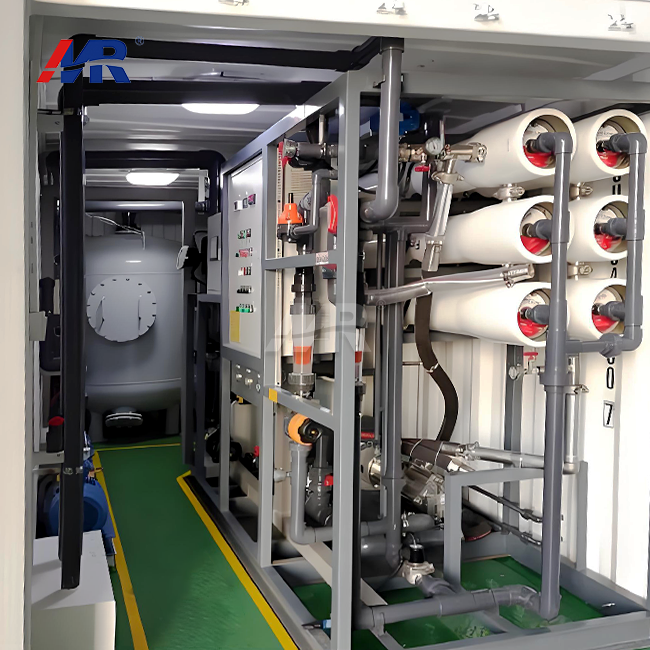
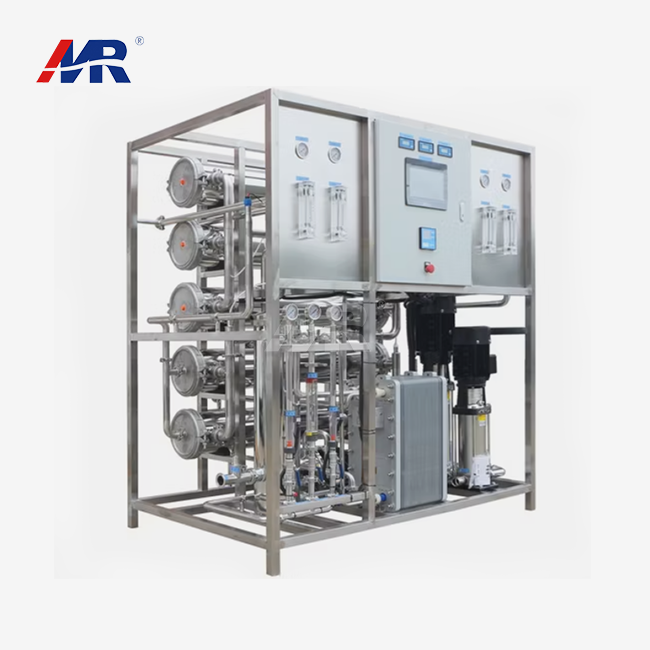
Morui Environmental Technology's specialty is providing complete water treatment systems that are customized for a range of commercial uses. Our electrodeionization systems use both ion exchange and membrane separation technologies, which are well known to work together to make high-purity water continuously without needing to regenerate chemicals.
Innovative Product Features
Our state-of-the-art EDI systems use a number of tech benefits that make them better than the old-fashioned ones. We're committed to operational efficiency and environmental duty, as shown by these core benefits:
- A chemical-free system avoids the use of dangerous chemicals with a big effect on the environment while still keeping the quality of the water steady.
- A design that uses little energy lowers the cost of production and supports environmentally friendly manufacturing methods.
- The compact, flexible design makes installation easier and doesn't require as much space.
- Needs very little upkeep lower the complexity of operations, and the need for skilled technicians
- Long-term service Life gets the most out of its investments by choosing long-lasting parts and making strong systems.
These technological benefits make common operating issues easier to deal with and provide solutions that are cheap for demanding industrial uses with an electrodeionization EDI system. While still meeting environmental rules, our devices provide dependable performance in a wide range of situations.
Comprehensive Service Support
Morui helps with every part of a project's lifecycle. They help with system design, oversee installations, assist with testing, and give ongoing expert support. Our engineering team has a lot of experience making sure that each system is tailored to meet specific needs for water quality and operating issues. We have over 500 workers in 14 branches, 20 expert engineers, and can quickly respond to customer needs to help them run their businesses.
Conclusion
Choosing the best electrodeionization systems means looking closely at how much they will cost, how well they need to work, and what suppliers are able to do. Chinese makers use well-known technology and offer good prices, but local providers offer better service and knowledge of the area. Importers in Argentina make smart choices about what to buy when they look at the total cost of ownership, technical requirements, and operational assistance needs. Morui's modern EDI technology provides great performance with a small environmental effect, helping a wide range of industries operate more sustainably.
FAQ
Q1: How does electrodeionization compare with reverse osmosis for ultrapure water production?
A: EDI technology complements reverse osmosis by providing final polishing treatment without chemical regeneration. While RO removes the majority of dissolved contaminants, EDI eliminates the remaining ionic species to achieve ultrapure water standards exceeding 10 MΩ.cm resistivity. The combination of RO and EDI provides comprehensive treatment with reduced chemical consumption and consistent product quality.
Q2: What are the typical maintenance requirements for an EDI system to ensure optimal performance?
A: Regular maintenance includes membrane inspection, periodic cleaning protocols, and timely replacement of consumable components. System monitoring involves tracking electrical conductivity, pressure differentials, and current consumption to identify maintenance needs. Preventive maintenance schedules depend on feed water quality and operating conditions, typically requiring quarterly inspections and annual component evaluations.
Q3: Can local Argentine suppliers match the cost-effectiveness of Chinese EDI systems?
A: Local suppliers offer distinct advantages, including faster service response, customized solutions, and enhanced Technical support despite higher initial costs. Chinese systems provide competitive pricing through manufacturing economies but may involve extended delivery times and international service coordination. Total cost evaluation should consider operational support, spare parts availability, and long-term service requirements beyond initial purchase prices.
Partner with Morui for Advanced EDI Solutions
Discover how Morui's cutting-edge electrodeionization edi system technology can optimize your water treatment operations while reducing operational costs. Our experienced team provides comprehensive consultation services to evaluate your specific requirements and recommend optimal system configurations. As a leading electrodeionization edi system supplier, we offer competitive pricing, reliable performance, and exceptional service support. Contact us at benson@guangdongmorui.com to request detailed specifications, customized quotations, and technical consultations. Visit moruiwater.com to explore our complete product portfolio and discover why industry leaders choose Morui for their critical water treatment applications.
References
1. Industrial Water Treatment Technology Assessment: Electrodeionization Applications in Manufacturing Sectors, Journal of Environmental Engineering, Volume 45, Issue 3, 2023.
2. Cost Analysis Framework for Water Treatment Equipment Procurement in Latin American Markets, International Water Association Technical Report, 2024.
3. Performance Evaluation Standards for Electrodeionization Systems in Pharmaceutical and Electronics Industries, Water Quality Research Institute, 2023.
4. Economic Impact Assessment of Chinese Manufacturing on Global Water Treatment Equipment Markets, Industrial Economics Quarterly, Volume 28, 2024.
5. Argentina Industrial Water Treatment Market Analysis: Technology Trends and Supplier Evaluation, South American Industrial Review, Issue 12, 2023.
6. Total Cost of Ownership Models for Electrodeionization System Procurement: A Comparative Study, Water Technology Management Journal, Volume 15, Number 4, 2024.