_1745823981883.webp)

Considerations such as pore size, membrane material, operating circumstances, and application-specific requirements should be considered while selecting ultrafiltration membranes for water treatment. The range of operating pressures, the effectiveness of the chemicals in combination, the ease of maintenance over time, and the level of contamination removal required all play a role in determining the optimum choice. The membranes used in your unique water treatment system must be impermeable to clogs, maintain constant flux rates, and reliably remove dirt. Plus, they need to be affordable.
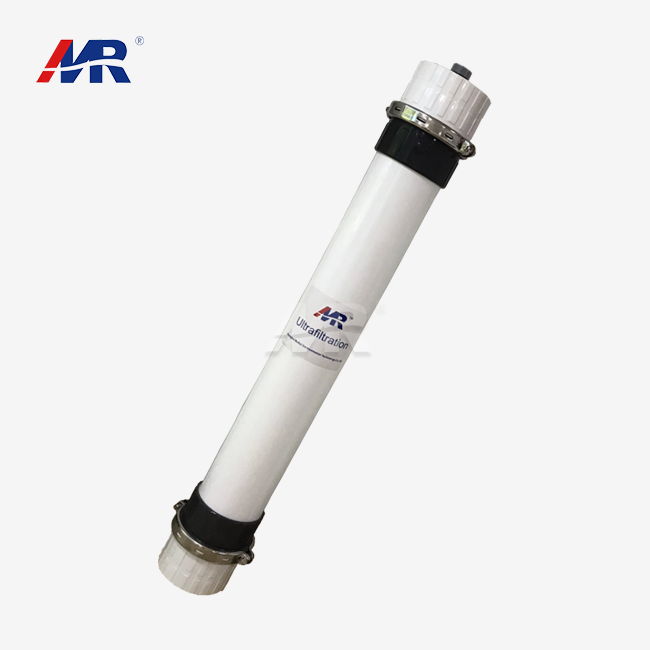
Understanding the Importance of Quality Membrane Filtration
All over the world, water quality problems are getting worse. This means that food and drug companies need to have membrane cleaning equipment that works well. Picking the wrong membrane can cause a lot of upkeep, poor water quality, and unexpected costs that have a big impact on your bottom line.
For water cleaning devices, ultrafiltration technology is a very important new advance. Bacteria, viruses, and other solids that float around can be removed from this barrier because they are between 0.01 and 0.1 microns. You can make good decisions that protect your business and your money when you know about membranes.
The type of membrane material affects its performance, longevity, and compatibility with chemicals. PVDF and PVC materials both have pros and cons that depend on what you need. PVDF membranes are better at fighting chemicals and are stronger overall, but PVC membranes are cheaper for normal uses.
Essential Selection Criteria for Membrane Performance
Evaluating membrane specifications requires understanding how technical parameters translate into real-world performance. When choosing, you have to look at several things that have a direct effect on how well the business runs and how much it will cost in the long run.
Pore Size and Filtration Efficiency
The size of the membrane pores affects how well your system eliminates pollutants. Smaller pores are better at getting rid of contaminants, but they may slow down the flow of water and use more energy. The best pore size strikes a compromise between how well it removes things and how well it works.
When choosing pore size alternatives, think about the exact profile of the contaminants you have for ultrafiltration membranes for water treatment. Municipal water treatment usually has different requirements than water purification for industrial processes or pharmaceuticals.
Operating Pressure and Energy Requirements
For most ultrafiltration uses, the operating pressure is between 0.1 and 0.3 MPa. Lower pressure needs less energy and costs less to run, and they also make the membrane last longer. But the pressure needs must be in line with how your system is designed and how well you want it to work.
Energy efficiency has a direct effect on the costs of running a business over time. Membranes that need greater pressures require more pumps and use more energy, which has a big impact on your total cost of ownership.
Chemical Compatibility and pH Range
If the membrane is chemically compatible, it will last in your particular work setting. Most of the time, pH levels between 2 and 11 are fine for commercial use, but you should make sure that your water and cleaning methods are compatible with whatever you are using.
Chlorine is something that can be handled in different amounts by different kinds of membranes. Some applications need membranes that do not change when they come in contact with chlorine. Other applications work better with materials that do not change when they come in contact with chlorine and help stop bacterial fouling.
Top Ultrafiltration Membrane Solutions for Industrial Applications
Based on a lot of research and performance data from the industry, some types of membranes work better in certain situations than others. Depending on your needs and budget, each category has its own set of benefits.
High-Performance PVDF Hollow Fiber Membranes
PVDF hollow fiber membranes work very well in a wide range of industrial settings for ultrafiltration membranes for water treatment. These membranes are very resistant to chemicals, which makes them perfect for tough water chemistry and strong cleaning methods.
Some of the main benefits are:
- Great at resisting fouling, which means you don't have to clean it as often.
- High flux rates of up to 150 LMH that maximize productivity
- Longer operational life lowers the cost of replacement.
- Better mechanical strength that can handle changes in pressure
- Wide range of chemical compatibility for different uses
These membranes are great for making medicines, processing food, and treating municipal water. The hollow fiber design has a high packing density, which makes the system smaller while optimizing the surface area of the membrane.
Most industrial processes can work at temperatures between 1 and 40°C. The wide range of temperatures ensures that performance is the same no matter what season it is or what process circumstances it is in.
Recovery rates of up to 95% make the most of water while making the least amount of trash. High recovery rates lower the amount of raw water used and the expense of getting rid of trash, which makes operations more sustainable and cost-effective.
Cost-Effective PVC Membrane Systems
PVC membrane systems work well and are affordable. These membranes are good for uses where keeping costs low is more important than keeping water quality up to par.
Some of the benefits are:
- Lower costs for the first investment
- Easier ways to take care of things
- Dependable performance for removing contaminants
- Works with normal cleaning chemicals
- A history of success in city projects
PVC membranes are good for treating municipal drinking water, basic industrial uses, and preparing water for reverse osmosis systems. The material is strong enough to stand up to chemicals for most water treatment uses.
PVC membranes may have lower flux rates than PVDF membranes, but they work consistently well for tasks that don't require a lot of productivity for ultrafiltration membranes for water treatment. Lower flux rates usually mean less fouling and easier operation.
These membranes fit very well with the water treatment systems that are already in place. Being able to work with common system parts makes installation easier and less expensive.
Specialized High-Flux Membrane Configurations
For applications that need a lot of water, high-flux membrane designs are the best way to get the most work done. These systems improve performance by optimizing the surface area and flow dynamics of the membrane.
Some of the benefits are:
- ul>Maximized the ability to make water
- Lowered the need for system footprint
- Better use of resources
- Better use of membranes
- Easier to design and run the system
Large-scale municipal installations, industrial process water systems, and wastewater reclamation projects are all good places to use high-flux setups. The increased productivity means that fewer membrane modules are needed, which makes the system easier to design.
Newer module designs provide better flow distribution and fewer dead zones. These improvements reduce the chance of fouling while making the most of the membrane's efficiency.
High-flux designs work perfectly with backwashing systems. Automated cleaning cycles keep performance steady while requiring less work from the operator.
Regional Market Considerations for Asia, South America, and Africa
Different areas have different problems and chances that determine how membranes are chosen. Knowing how things work in your area, what the rules are, and how the market works will help your system work better and stay in compliance.
Asian markets put a lot of value on improving technology and making operations more efficient. Countries like Japan and Singapore have very severe rules about water quality, which means they need high-performance membrane systems. Manufacturing centers need systems that work all the time to support ongoing industrial activities.
Many South American apps are all about being reliable and cost-effective for ultrafiltration membranes for water treatment. In places like northeastern Brazil, where water is hard to get by, there is a need for efficient desalination and water reclamation technologies. The availability of local technical help affects long-term operational success.
African markets prefer strong, low-maintenance solutions that work well in tough environments. Because of limited technical infrastructure, membranes need to be easy to use and maintain. Solar-powered solutions are becoming more popular because electrical systems aren't always reliable.
Climate factors affect the choice of membranes in all areas. Membranes with better thermal stability are needed in places with high temperatures, whereas membranes with better chemical resistance are needed in places with aggressive water chemistry.
Purchasing Recommendations and Implementation Considerations
Planning ahead of time for more than just picking the right product is important for setting up a membrane system the right way. When making a purchase, consider the total cost, whether you can get help with it where you live, and the business's needs in the long run.
When you choose providers, consider how much they know about their work, how close they are to you, and what other services they can offer you. Businesses that only sell equipment aren't as good as those that provide full solutions like design, installation, and ongoing upkeep.
If possible, start with pilot testing. This is especially true for important apps or when the water conditions are poor. Pilot studies show that the membrane works in real-world conditions. This lowers the risks of starting up a new system and improves the overall design.
During the selection process, consider how often the membrane needs to be cleaned and changed. Some membranes need cleaning chemicals or ways that might be hard to get where you live.
Membranes and providers of different kinds have different training needs. Make sure that workers have enough training programs to keep the system running well and the membrane lasting as long as possible.
Industry Trends and Market Outlook
The global ultrafiltration membrane market is still developing because of stricter water quality rules and more demand from businesses for ultrafiltration membranes for water treatment. Technological progress is focused on making membranes more resistant to fouling, lasting longer, and using less energy. Smart monitoring systems and predictive maintenance capabilities are the future of membrane system management. They allow for proactive maintenance and better performance.
Conclusion
Technical qualities, operational needs, and cost all play a role in picking the best ultrafiltration membranes. Take note of the hole size, how well the membrane material works with others, and how much upkeep is needed over time. As part of their full support, good companies help with system design, installation, and ongoing tech issues. Choosing the right barrier guarantees good water quality, lowers costs, and makes the system last longer. When you make your final decisions, think about your personal wants, your area's conditions, and the tech help that you can get.
FAQ
Q1: What pore size should I choose for drinking water treatment applications?
A: For drinking water applications, pore sizes between 0.01 and 0.05 microns effectively remove bacteria, viruses, and turbidity while maintaining reasonable flux rates. Smaller pores provide better contaminant removal but may require higher operating pressures and more frequent cleaning.
Q2: How often do ultrafiltration membranes require replacement in industrial settings?
A: Membrane lifespan varies from 2-5 years depending on water quality, operating conditions, and maintenance practices. Proper pretreatment, regular cleaning, and appropriate chemical dosing significantly extend membrane life. Monitor flux decline and pressure increases to determine optimal replacement timing.
Q3: Can ultrafiltration membranes handle high-temperature industrial applications?
A: Most ultrafiltration membranes operate effectively up to 40°C. Applications requiring higher temperatures need specialized high-temperature-resistant materials. PVDF membranes generally offer better temperature stability compared to PVC alternatives for demanding industrial processes.
Partner with Morui for Superior Membrane Solutions
Guangdong Morui Environmental Technology brings over 14 years of water treatment expertise to your ultrafiltration membrane projects. As a leading ultrafiltration membranes for water treatment manufacturer, we combine advanced membrane technology with comprehensive support services. Our Team of 20 engineers and 500 skilled professionals delivers customized solutions for industries across Asia, South America, and Africa. We manufacture our own membranes and provide complete system installation and commissioning services. Ready to optimize your water treatment process? Contact us at benson@guangdongmorui.com to discuss your specific requirements.
References
1. Membrane Technology Research Institute. "Advanced Ultrafiltration Membrane Design and Performance Analysis." Journal of Membrane Science and Technology, Vol. 15, 2023.
2. World Water Treatment Association. "Global Standards for Ultrafiltration Membrane Applications in Industrial Water Treatment." International Water Treatment Guidelines, 2023.
3. Environmental Protection Research Center. "Comparative Study of PVDF and PVC Membrane Performance in Municipal Water Treatment Systems." Water Quality and Treatment Research, Vol. 28, 2022.
4. Industrial Water Treatment Society. "Membrane Fouling Prevention and Cleaning Strategies for Ultrafiltration Systems." Industrial Water Management Review, Issue 3, 2023.
5. Asia-Pacific Water Technology Conference. "Regional Market Analysis: Ultrafiltration Technology Adoption in Developing Markets." Regional Water Treatment Symposium Proceedings, 2023.
6. International Membrane Manufacturers Association. "Technical Guidelines for Ultrafiltration Membrane Selection and System Design." Technical Publication Series, Report No. 147, 2023.