_1745823981883.webp)

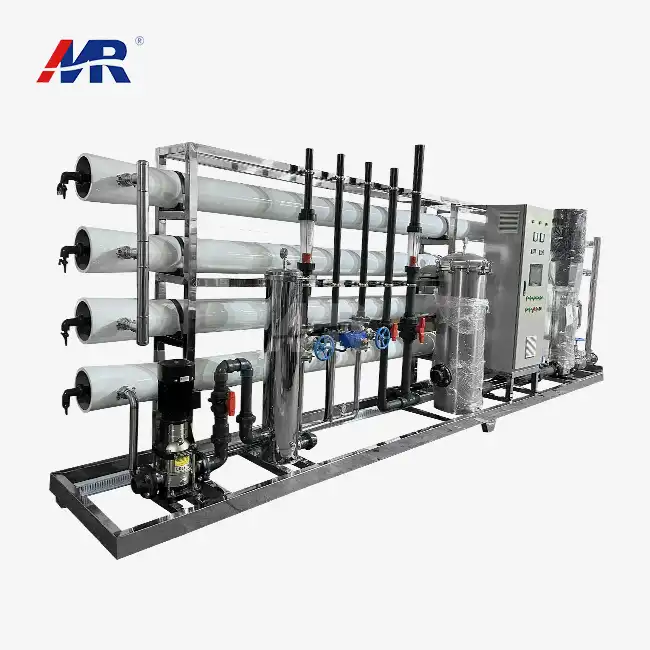
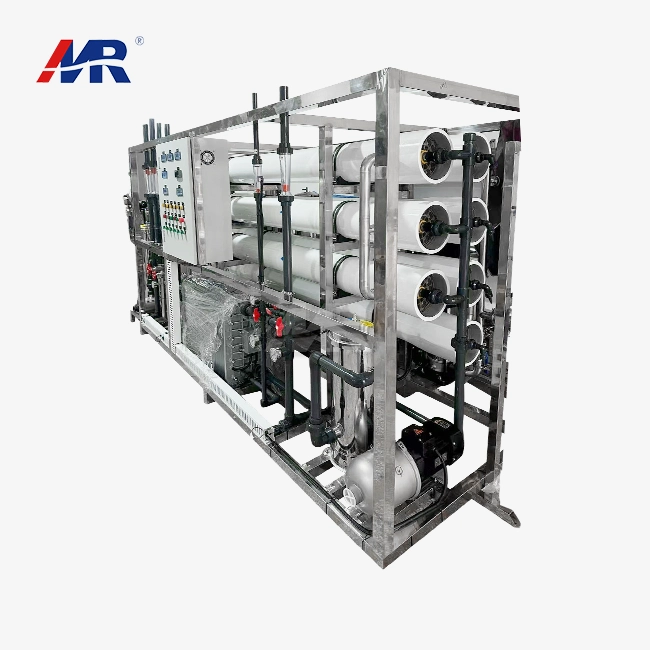
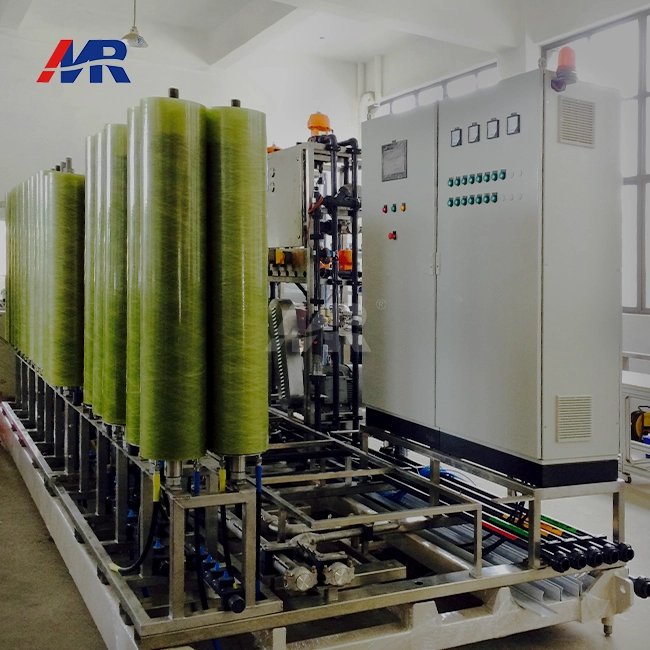
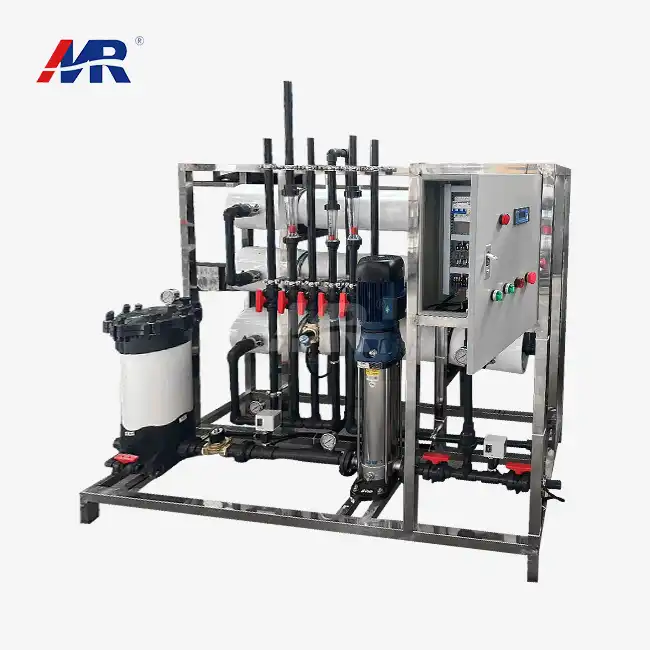
What Influences the Cost of Large RO Water Purification Plants?
If you want to make smart decisions and get the most bang for your buck, you should know what makes the costs of large-scale reverse osmosis water purification systems go up and down. These high-tech water treatment systems are costly to install and use. Here are a few of the most important reasons why:
The quality of the water source and what it's made of
The type of input water has a big impact on both the cost and the design of an RO system. Water that has a lot of total dissolved solids (TDS), organic matter, or certain pollutants might need more pre-treatment, special membranes, or more filtration stages. These needs can make it more expensive to do business and to get money.
The system's capacity and its production output
How much water the reverse osmosis water purification plant is supposed to make is a main cost factor. The bigger systems that can make more clean water cost more to buy, build, and power. But economies of scale might also be important, which could make the cost per unit lower for very big installations.
Energy Savings and Power Usage
It takes a lot of energy to make the high pressures that a reverse osmosis system needs to work. Energy costs can add up quickly for a business. The cost of running pumps, motors, and energy recovery devices for a long time is greatly affected by how well they work.
Membrane technology and longevity
Different types and qualities of ro membranes affect the system's performance and cost. In the beginning, membranes that reject a lot may cost more, but they can save money in the long run by working better and not needing to be replaced as often. Membranes last different amounts of time depending on the quality of the feed water, the way that they are operated, and the level of care that is given to them.
Things to Do Before and After Treatment
Depending on how the cleaned water will be used and how good the source water is, more steps may be needed. Steps taken before reverse osmosis, such as filtration, softening, or chemical dosing, help the system work better and protect the RO membranes. Steps that come after treatment, like UV disinfection or remineralization, may be needed to meet certain water quality standards. The system's overall cost goes up because of these extra steps in the treatment process.
Automation and Control Systems
When advanced monitoring and control systems are used, RO plants can work better and more reliably. These technologies are cheaper in the long run, even though they are more expensive upfront, because they make things more efficient, predict when maintenance is needed, and lower downtime.
Infrastructure and Site-Specific Factors
The cost may be greatly affected by where the installation site is and what infrastructure is already there for a reverse osmosis water purification plant. The amount of land that is available, the need for plumbing and wiring, and environmental rules may mean that more money has to be spent or changes have to be made to make the RO system work.
Needs for Maintenance and Operation
Cleaning the membranes, replacing parts, and improving the system are all very important parts of regular maintenance that will help RO plants keep working well and save money in the long run. Every day, businesses must pay to keep their equipment in good shape and find workers with the right skills.
When businesses take these cost-related factors into account, they can better estimate the price of owning a large-scale RO system. This is how we can use cheap design strategies and choose inexpensive technologies, which will be discussed in the next sections.
Cost-Optimized Design Strategies for RO Water Purification Plants
For large-scale reverse osmosis water purification plants to be as efficient and cost-effective as possible, they need to use cost-optimized design strategies. If businesses focus on smart system design and integration, they can keep high performance standards while greatly cutting their overall costs. Here are some important things to keep in mind:
Architecture of the Modular System
There are many ways that a modular approach to RO system design can save money:
- Scalability: lets you easily increase the capacity as demand grows, which keeps you from spending too much in the beginning.
- Flexibility: Lets the system adjust to changing water quality or rules without having to change the whole system.
- Standardization: uses pre-engineered parts to lower the costs of design and engineering.
- Maintenance Efficiency: Makes it easier to maintain and replace parts or subsystems.
Energy Recovery Device (ERD)
Using more advanced energy recovery devices can greatly lower the amount of energy that RO systems use:
- Pressure Exchangers: Use the stream of high-pressure concentrate to pressurize the feed water that comes in. This lowers the amount of energy that the pump needs.
- Turbochargers: use hydraulic energy from the concentrate stream to do work and help feed pumps.
- Optimization: If you size and integrate ERDs correctly, you can save 30% to 60% of the energy you would normally use in seawater RO applications.
Intelligent Design for Pre-Treatment
Making the steps done before treatment better can help the system work better and save money.
- Customized Answers: Plan the pre-treatment around certain features of the feed water so you don't make the system too complicated.
- Innovative Technologies: Think about using newer technologies, like electrocoagulation or ultrafiltration, which might be cheaper than older technologies.
- Chemical Optimization: Use exact dosing systems to keep chemicals from being used too much while still getting the job done.
Advanced Setup of the Membrane
Choosing and arranging membranes in the best way can help the system work better and save money.
- Multi-Stage Systems: Use two-pass or hybrid systems to find a balance between the energy efficiency and water quality that you need.
- High-Flux Membranes: Use newer membrane technologies that are more permeable. This can lower the amount of energy your system needs and possibly lower its size.
- Choosing Membrane Elements: Pick membrane elements that are in balance with how much water is rejected, the flux, and how well they resist fouling. This should be based on the needs of the water quality.
Intelligent Automation and Control
Using more advanced control systems can make things run more smoothly and lower costs.
- Real-Time Monitoring: Use sensors and data analysis to keep making the system work better.
- Predictive Maintenance: Use AI to figure out when maintenance needs to be done. This will lower downtime and extend the life of your parts.
- Remote Operation: Allow remote monitoring and control so that you don't need as many people on-site.
Strategies for Managing Concentration
Managing concentrated (brine) wells can reduce damage to the environment and may even get useful resources back.
- Brine Minimization: Use high-recovery designs or extra treatment steps to lower the concentrate volume.
- Resource Recovery: Look into ways of getting useful minerals or salts from the concentrate stream.
- Zero Liquid Discharge (ZLD): Think about using ZLD systems in places where getting rid of the concentrate is hard or expensive.
Putting together a hybrid system
Putting RO together with other treatment technologies can make the whole system work better and save money.
- Filtering at the nanoscale. Before treatment: Use NF to lower the chances of scaling and make RO more effective in some cases.
- Electrodialysis Reversal (EDR): Use EDR for selective ion removal, which might lower the amount of energy that RO uses.
- Forward Osmosis: Look into FO as a low-energy pre-treatment option for applications that are likely to get dirty.
Looking at the Cost Over the Life Cycle
Do a full life cycle cost analysis when you're designing this part:
- Total Cost of Ownership: Think about all the different types of costs during the lifetime of the system, including the purchase price, the cost of running it, and the cost of keeping it in good shape.
- Scenario Modeling: Look at a range of designs and technologies in a range of operational situations.
- Sensitivity Analysis: Look at how things like energy prices, membrane life, and water quality affect the costs in the long term.
If organizations use these cost-saving design ideas, they can make their large-scale reverse osmosis water purification plants much more economically viable. These methods not only require less money to start, but they also save a lot of money on operating costs for the lifetime of the system. The next part will talk about some specific technologies that are cheap and can be used in these optimized designs to make them even more cost-effective.
Budget-Friendly Technologies for RO Water Purification Systems
Adding new, inexpensive technologies to reverse osmosis water purification systems can make them much more cost-effective while still making sure they work well. These high-tech fixes are meant to use less energy, make parts last longer, and improve the efficiency of the whole system. When businesses set up or improve their reverse osmosis water purification plants, they should think about these important technologies:
Pumps and Motors with High Efficiency
Advanced pumping systems are very important for making the most of the energy they use:
- Variable Frequency Drives (VFDs): Let pumps run at the best speed for the job, which saves energy.
- Premium Efficiency Motors: Use motors that waste less energy.
- Intelligent Pump Systems: Use smart pumps with built-in controls to get the best performance in a range of conditions.
Membrane Technologies of the Next Generation
New membrane materials and designs make them work better and last longer:
- Low-Fouling Membranes: Modify the surface in advanced ways to clean less often and make the membrane last longer.
- High-Permeability Membranes: allow higher flux rates, which might lower the amount of membrane and the overall size of the system that needs to be used.
- Membranes that are tolerant of chlorine allow harsher methods of pre-treatment and cleaning, which makes the system stronger.
High-Tech Devices for Energy Recovery
The newest energy recovery methods make the best use of energy efficiency:
- Isobaric Pressure Exchangers: In high-pressure RO applications, you can get back as much as 98% of the energy you use.
- Hydraulic Turbochargers: Make it easier to install and use compared to older systems that recover energy.
- Work Exchanger Energy Recovery (WEGER): a new piece of technology that can do both energy recovery and pumping functions.
Analytics Tools and Smart Sensors
Intelligent monitoring systems improve performance and lower operational costs.
- Real-time Fouling Monitors: These help you see early signs of membrane fouling so you can step in and do something about it right away.
- AI-Driven Predictive Maintenance: Use machine learning to figure out when parts are likely to fail and when maintenance should be done.
- Cloud-Based Analytics: This lets you track and compare the performance of multiple plants from afar to keep making progress.
New Pre-Treatment Technologies
Advanced pre-treatment solutions make RO systems more efficient and help them last longer:
- Self-Cleaning Filters: Don't backwash as much water or clean the filters by hand.
- Electrocoagulation: Effectively clears out impurities while using fewer chemicals.
- Ceramic Membranes: Provide better durability and resistance to cleaning for tough water sources.
Reverse Osmosis in a Closed Circuit (CCRO)
CCRO technology is better than traditional RO designs in many ways:
- Higher Recovery Rates: Get recovery rates as high as 98%, which lowers the amount of concentrate needed and prevents water waste.
- Less Energy Use: Run at lower average pressures to use less energy.
- Simplified System Design: Get rid of energy recovery devices and focus on control valves.
Adding Renewable Energy
Using renewable energy sources can greatly lower the cost of running things in the long term.
- RO Systems Powered by Solar: Use solar panels to make up for the electricity that the systems take from the power grid.
- Wind Energy Integration: Use wind power to drive RO processes in places where it makes sense.
- Ways to Store Energy: Use battery systems to make the best use of renewable energy and interact with the grid.
Using Membrane Distillation (MD) to Process Concentrate
MD technology is a low-energy way to further concentrate management:
- Using thermal energy: use waste heat or low-grade thermal energy to power the MD process.
- High-Quality Permeate: Make water that is ultra-pure from RO concentrate streams.
- Brine Volume Reduction: Reduce the amount of liquid that is discharged, which may also allow useful minerals to be recovered.
Pre-Treatment for Forward Osmosis (FO)
In some Cases, FO technology can make RO systems work better for these types of applications:
- Low-Energy Desalination: Use forward osmosis (FO) to pre-concentrate and lower the energy that reverse osmosis (RO) needs.
- Fouling Mitigation: Use FO's natural resistance to fouling for difficult water sources.
- Hybrid FO-RO Systems: Strategically combining FO and RO processes can help the overall system run better.
Scale Prevention That Doesn't Use Chemicals
New technologies for preventing scale make it cheaper to use fewer chemicals.
- Electromagnetic Water Treatment: Use electromagnetic fields to change how minerals that cause scale behave.
- Ultrasonic Scale Prevention: Use ultrasonic waves on membrane surfaces to keep scale from forming.
- Template-Assisted Crystallization: Use tools that are designed for this purpose to turn ions that make scale into crystals that aren't harmful.
By adding these cheap technologies to their reverse osmosis water purification plants, companies can greatly improve how well and cost-effectively the plants run. These new ideas not only make the business cheaper to run, but they also make the system more reliable, the equipment last longer, and the environment healthier. As the water treatment business changes, it is important for reverse osmosis operations to stay up to date on new technologies and how they might be used in order to stay competitive and efficient.
Conclusion
In conclusion, building a cost-effective, large-scale reverse osmosis water purification system requires a comprehensive understanding of both technical and economic factors. From feed water quality and system capacity to energy consumption, membrane selection, and automation levels, every decision directly impacts long-term performance and total cost of ownership. By adopting cost-optimized design strategies—such as modular system architecture, intelligent pre-treatment, advanced energy recovery devices, and next-generation membrane technologies—organizations can significantly reduce operational expenses while maintaining high water quality standards. As global water scarcity and quality challenges continue to intensify, investing in well-designed, efficient, and scalable RO solutions is not only a practical choice but also a strategic one for sustainable industrial and municipal water management.
FAQ
1. How long does a large-scale RO water purification system typically last?
A well-designed and properly maintained large-scale reverse osmosis system can operate for 15–25 years. Core components such as pressure vessels, piping, and structural frames have long service lives, while RO membranes usually need replacement every 3–7 years, depending on feed water quality, operating conditions, and maintenance practices. Regular monitoring and preventive maintenance significantly extend system lifespan and performance stability.
2. What is the highest operating cost in an industrial RO water purification plant?
Energy consumption is typically the highest operating cost, especially in high-pressure or high-capacity applications. Power usage for pumps and motors can account for a major portion of total OPEX. Implementing energy recovery devices, high-efficiency pumps, and intelligent control systems can reduce energy costs by 30–60%, making a substantial difference in long-term operating expenses.
3. Can RO systems be customized for different water sources and industries?
Yes. Large-scale RO water purification systems are highly customizable. Pre-treatment, membrane configuration, recovery rates, and post-treatment processes can all be tailored based on feed water characteristics and end-use requirements. Industries such as food and beverage, pharmaceuticals, power generation, and municipal water supply often require different system designs to meet specific water quality standards and regulatory requirements.
Partner with Morui for Cost-Effective RO Solutions
If you are planning to build, upgrade, or optimize a large-scale reverse osmosis water purification system and reverse osmosis water purification plant, Morui is ready to support you with professional engineering expertise, reliable equipment solutions, and cost-driven system design. Our Team works closely with industrial users, EPC contractors, and municipal projects to deliver tailored RO solutions that balance performance, efficiency, and long-term value. For technical consultation, project discussion, or customized quotations, please contact us directly at benson@guangdongmorui.com. Our experts will help you turn water treatment challenges into sustainable and profitable solutions.
Reference
1. Greenlee, L. F., Lawler, D. F., Freeman, B. D., Marrot, B., & Moulin, P. (2009). Reverse Osmosis Desalination: Water Sources, Technology, and Today’s Challenges. Water Research, 43(9), 2317–2348.
2. Wilf, M., & Tedesco, M. (2017). Large-Scale Reverse Osmosis Water Treatment: Design, Operation, and Cost Considerations. Desalination, 417, 1–14.
3. Shannon, M. A., Bohn, P. W., Elimelech, M., Georgiadis, J. G., Marinas, B. J., & Mayes, A. M. (2008). Science and Technology for Water Purification in the Coming Decades. Nature, 452(7185), 301–310.
4. Elimelech, M., & Phillip, W. A. (2011). The Future of Seawater Desalination: Energy, Technology, and the Environment. Science, 333(6043), 712–717.
5. Gude, V. G. (2016). Energy Efficiency and Cost Reduction in Reverse Osmosis Desalination. Renewable and Sustainable Energy Reviews, 59, 1447–1460.
6. Kucera, J., & Dolezel, M. (2015). Advanced Technologies for Large-Scale Reverse Osmosis Water Purification Plants. Desalination and Water Treatment, 55(3), 781–793.