

_1745823981883.webp)

Why Kenya Industrial Parks Import Container RO Equipment from China?
Kenya's industrial parks are turning to Chinese container RO equipment vendors more and more to suit their water treatment needs in a cost-effective and efficient way. Container RO equipment provides modular, portable water purification solutions that may be quickly set up for use in a wide range of industrial settings. Chinese manufacturers have proven themselves to be trustworthy partners by providing high-quality reverse osmosis systems at low prices, with strong Technical support and a track record of good performance. China is the best place for Kenya to get the industrial water treatment it needs because it is easy to get to, cheap, and of high quality.
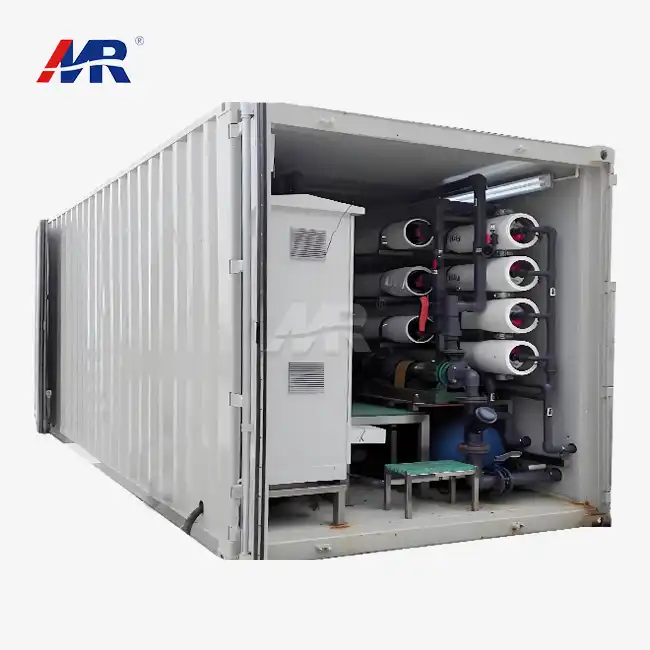
Introduction to Container RO Equipment in Kenya's Industrial Parks
Container RO equipment is a groundbreaking way to cleanse water in Kenya's fast growing industrial sector. These small, pre-assembled water purification devices use membrane filtering technology to remove impurities quickly and easily. They also offer exceptional mobility and versatility. Containerized units may be moved and modified as needed, unlike typical stationary systems that need a lot of civil work and permanent installations.
The Growing Demand for Flexible Water Treatment Solutions
Kenya's industrial zones are under more and more pressure to meet production needs while following stricter environmental rules. Manufacturing businesses, food processing plants, and pharmaceutical companies all need to have regular access to clean water for their work. Container RO systems are modular, which means that operators may add capacity in small steps and move units with little effect on operations. This helps industrial growth that is good for the environment.
Technological Advantages of Containerized Systems
Modern container RO equipment has advanced pre-treatment technologies, energy recovery devices, and automated monitoring systems all in a small space. These systems usually include ro membranes that are high-rejection and low-fouling, which means they work best even when treating difficult water sources. Compared to traditional water treatment plants, the plug-and-play operation cuts down on installation time by a lot.
Challenges in Water Treatment Faced by Kenya Industrial Parks and How Container RO Equipment Solves Them
Kenyan industrial parks have a lot of problems with water quality that affect how well they work and how well they follow the rules. These facilities need to deal with high levels of turbidity, high levels of salinity, and a variety of chemical pollutants, all while keeping costs down and being flexible in how they operate.
Water Quality Issues in Kenya's Industrial Regions
Water supplies in Kenya's industrial areas are sometimes more or less polluted. Saltwater intrusion is a problem for coastal facilities, while inland parks have to deal with runoff from farms and groundwater that is high in minerals. Cost-effectively adapting to these different conditions might be hard for traditional water treatment methods.
Economic and Operational Constraints
The main problems that Kenya's factories face are:
- High Capital Investment: Setting up a traditional RO system needs a lot of money up front for civil works, buying equipment, and building the installation infrastructure.
- Limited Scalability: Permanent installations can't simply adapt to changes in production needs or the need for more space in the facility.
- Maintenance Complexity: Fixed systems frequently need specific maintenance crews and long periods of outage.
- Compliance with rules: To meet changing water quality standards, treatment systems need to be able to adapt.
These problems have a big effect on operating budgets and production schedules, thus new solutions are needed that find a compromise between performance and cost-effectiveness.
Container RO equipment gets over these problems by having a modular design and parts that are all the same. The factory-built design makes sure that quality control is always the same and cuts down on the need for installation on site. Remote monitoring lets you schedule maintenance ahead of time, which cuts down on unplanned downtime and improves operational efficiency.
Why China Is the Preferred Source for Container RO Equipment?
China is becoming the world's leading supplier of containerized water treatment systems, thanks to its combination of cutting-edge technology and competitive manufacturing skills. Chinese companies have spent a lot of money on research and development to make equipment that matches international quality requirements while keeping costs low, which is something that industrial purchasers who are on a budget like.
Manufacturing Excellence and Cost Competitiveness
Chinese companies use economies of scale and established supply chains to make high-quality container RO equipment at prices that are competitive. The country's strong manufacturing infrastructure lets it quickly scale up output and customize it to satisfy a wide range of industrial needs. Advanced automation in Chinese companies keeps costs down while making sure that the quality of the Products is always the same.
Technical Innovation and Quality Standards
The best Chinese manufacturers use the same advanced membrane technologies and automation systems as their Western competitors. Many facilities have ISO certificates and make equipment that meets international requirements like CE and ASME labeling. Some examples of technical advancements that improve the overall performance of a system are integrated energy recovery devices, improved control systems, and tailored pre-treatment setups.
Logistics and Support Infrastructure
China's well-developed export infrastructure makes sure that Kenya gets its goods on time and with full logistics assistance. Shipping lines and freight alliances that are already in place make it possible to move containerized equipment at a low cost. Many Chinese vendors provide regional service centers and partner networks that can help with technical issues and get spare parts.
How to Choose the Right Container RO Equipment for Kenya Industrial Parks?
To choose the best container RO equipment, you need to carefully think about your individual operating needs, water quality standards, and long-term performance goals. Industrial buyers must make sure that they follow local laws and international standards while also making sure that their technical specifications and economic concerns are in line with each other.
Technical Specifications and Capacity Requirements
To size a system correctly, you need to know how much water you use every day and when you need the most. Facilities that need 50 to 500 m³/day of capacity should look at membrane configurations, energy consumption rates, and recovery percentages to find the best way to save their operating costs. Knowing the properties of the feed water helps you figure out the right pre-treatment needs and how to choose the right membrane.
Performance and Efficiency Considerations
Modern container RO systems can recover up to 75% of the water they treat while using 3 to 4 kWh/m³ of electricity. These measures of efficiency have a direct effect on costs and the environment. Advanced systems have variable frequency drives, energy recovery devices, and tailored membrane arrays that work together to get the best performance while using the least amount of power.
Customization and Integration Options
When choosing container RO equipment, here are several important customisation elements to keep in mind:
- Before treatment Different types of water quality problems can be solved with multimedia filtration, activated carbon, and microfiltration devices.
- Control System Integration: Advanced monitoring features with the ability to log data and access it from anywhere
- Container Sizing: Depending on the site's limitations and capacity needs, you can choose between 20ft and 40ft containers.
- Options after treatment: Extra polishing stages for particular uses that need ultrapure water
These customization choices make sure that the system works at its best while also taking into account the specific needs of the site and the way it works.
To make sure that system integration and operation run smoothly, good manufacturers give you full technical documentation, performance guarantees, and continuing support.
Best Practices for Operation and Maintenance of Container RO Equipment in Kenya
Effective operation and maintenance protocols maximize equipment lifespan while ensuring consistent water quality and operational reliability. Implementing structured maintenance schedules and performance monitoring systems prevents costly downtime and extends membrane life, ultimately reducing total cost of ownership.
Preventive Maintenance Strategies
Regular maintenance activities include membrane cleaning cycles, pre-treatment system inspections, and performance parameter monitoring. Establishing baseline performance metrics enables early detection of system degradation and optimization opportunities. Automated cleaning systems and remote monitoring capabilities reduce manual intervention requirements while improving maintenance efficiency.
Performance Optimization Techniques
Monitoring key performance indicators such as permeate flow rates, rejection percentages, and energy consumption helps identify optimization opportunities. Regular water quality testing ensures compliance with process requirements and regulatory standards. Adjusting operating parameters based on feed water variations and seasonal changes maintains optimal system performance throughout varying conditions.
Training and Technical Support
Proper operator training ensures safe, efficient system operation while minimizing the risk of equipment damage or performance degradation. Comprehensive training programs should cover routine operations, troubleshooting procedures, and emergency response protocols. Establishing relationships with qualified service providers ensures access to technical expertise and genuine spare parts when needed.
Morui's Commitment to Supporting Kenya's Water Treatment Needs
Guangdong Morui Environmental Technology Co., Ltd specializes in designing and manufacturing advanced container RO equipment specifically tailored to Kenya's industrial water treatment challenges. With extensive industry experience spanning over 14 branches and 500 dedicated employees, our company combines manufacturing excellence with comprehensive service capabilities to deliver reliable, cost-effective water treatment solutions.
Advanced Product Portfolio and Technical Capabilities
Our state-of-the-art containerized systems feature high-capacity water treatment capabilities ranging from 50-500 m³/day, incorporating corrosion-resistant materials and advanced monitoring systems. Each unit undergoes rigorous quality testing in our dedicated membrane production facility, ensuring optimal performance and longevity. Our 20 experienced engineers continuously develop innovative solutions that address evolving industrial requirements while maintaining competitive pricing.
Comprehensive Service and Support Infrastructure
Morui provides end-to-end solutions including equipment manufacturing, installation, commissioning, and ongoing technical support. Our modular design philosophy enables easy scalability and plug-and-play operation for rapid deployment across diverse industrial applications. As authorized agents for premium component brands including Shimge Water Pumps and Runxin Valves, we ensure superior component quality and reliable performance.
Our customization services address specific project requirements while maintaining standardized quality protocols. Transparent pricing models, comprehensive warranty packages, and flexible financing options ensure seamless procurement experiences for industrial buyers. Dedicated technical and customer service teams provide ongoing assistance, helping Kenya's industrial parks achieve sustainable, efficient water resource management.
Conclusion
Kenya's industrial parks import container RO equipment from China due to the compelling combination of technological advancement, cost-effectiveness, and comprehensive support infrastructure offered by Chinese manufacturers. These portable water treatment systems address critical challenges facing Kenya's growing industrial sector, including water quality variability, scalability requirements, and operational flexibility demands. Chinese suppliers have demonstrated consistent capability to deliver high-quality, certified equipment that meets international standards while maintaining competitive pricing structures. The modular design and rapid deployment capabilities of container RO systems align perfectly with Kenya's dynamic industrial development needs, enabling facilities to adapt quickly to changing market conditions and regulatory requirements while maintaining operational efficiency and environmental compliance.
FAQ
1. What is the typical lifespan of RO membranes in container systems?
RO membranes in well-maintained container systems typically last 3-5 years, depending on feed water quality, operating conditions, and maintenance practices. Proper pre-treatment and regular cleaning cycles can extend membrane life significantly, reducing replacement costs and operational interruptions.
2. Can container RO equipment handle high-salinity water common in Kenya?
Yes, modern container RO systems effectively treat high-salinity water using specialized membrane configurations and energy recovery devices. These systems can achieve excellent salt rejection rates while maintaining energy efficiency, making them suitable for coastal and inland brackish water applications.
3. What are the typical delivery timeframes from China to Kenya?
Standard delivery times range from 4-8 weeks depending on customization requirements, shipping logistics, and seasonal factors. Expedited shipping options are available for urgent projects, while bulk orders may require extended lead times for optimal cost efficiency.
4. How much space is required for container RO equipment installation?
Container RO systems require minimal site preparation, typically needing only level ground and utility connections. Standard 20ft containers occupy approximately 40 square meters including access space, while 40ft units require roughly 80 square meters for installation and maintenance access.
Partner with Morui for Premium Container RO Equipment Solutions in Kenya
Discover how Morui's advanced container RO equipment can transform your industrial water treatment operations with proven reliability and cost-effective performance. Our experienced team specializes in delivering customized solutions that meet Kenya's unique industrial requirements while ensuring compliance with international quality standards. Contact our technical specialists at benson@guangdongmorui.com to discuss your specific water treatment challenges and explore our comprehensive range of containerized systems. As a leading container RO equipment manufacturer, we provide complete project support from initial consultation through installation and ongoing maintenance, ensuring optimal system performance and long-term operational success. Visit moruiwater.com to learn more about our innovative water treatment technologies and request a detailed proposal for your facility.
References
1. Kenya Association of Manufacturers. "Industrial Water Treatment Standards and Compliance Guidelines for Manufacturing Facilities." Manufacturing Industry Report, 2023.
2. East African Industrial Development Authority. "Water Quality Requirements for Industrial Parks in Kenya: Regulatory Framework and Implementation Strategies." Regional Industrial Policy Review, 2023.
3. International Water Association. "Containerized Water Treatment Systems: Global Market Analysis and Technology Trends." Water Technology Journal, 2023.
4. China Water Treatment Equipment Export Association. "Market Analysis of Chinese Water Treatment Equipment in East African Industrial Applications." Export Trade Statistics, 2023.
5. Kenya Bureau of Standards. "Technical Specifications for Industrial Water Treatment Equipment: Certification and Performance Requirements." National Standards Publication, 2023.
6. African Development Bank. "Industrial Infrastructure Development in Kenya: Water Treatment Technology Adoption and Investment Trends." Economic Development Report, 2023.
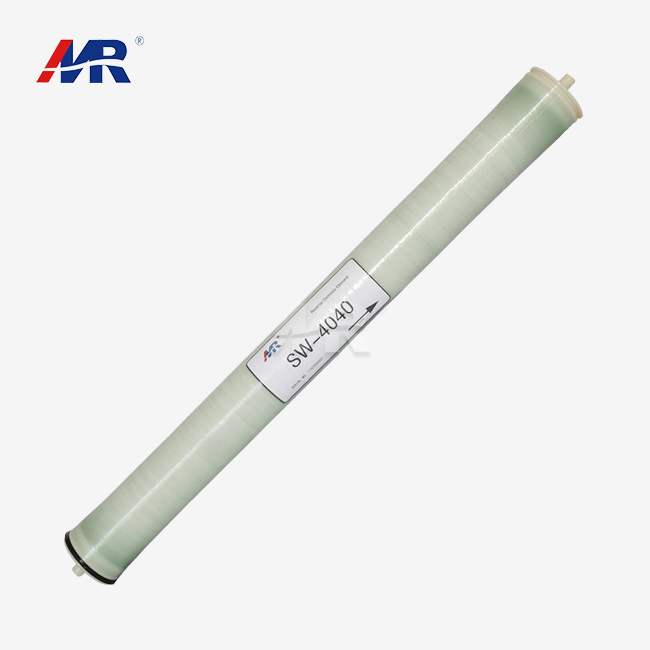 VIEW MORE4040 seawater reverse osmosis membrane
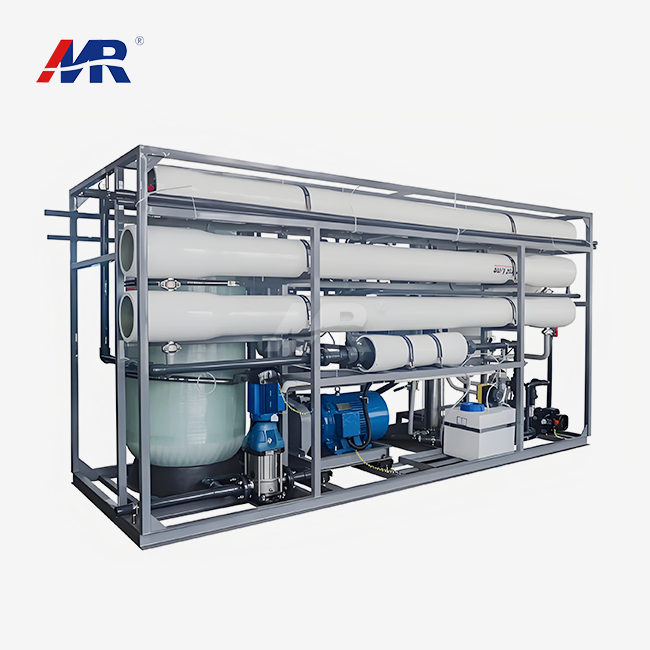 VIEW MOREseawater treatment plant
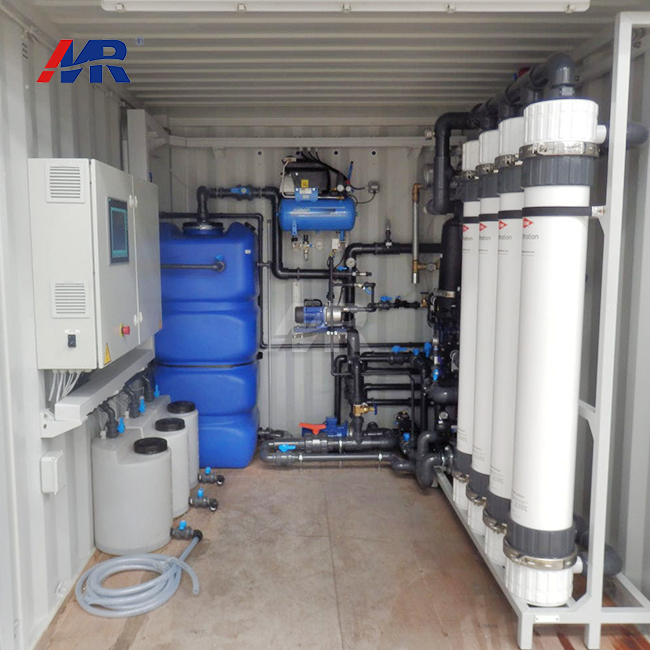 VIEW MOREcontainerized ultrafiltration equipment
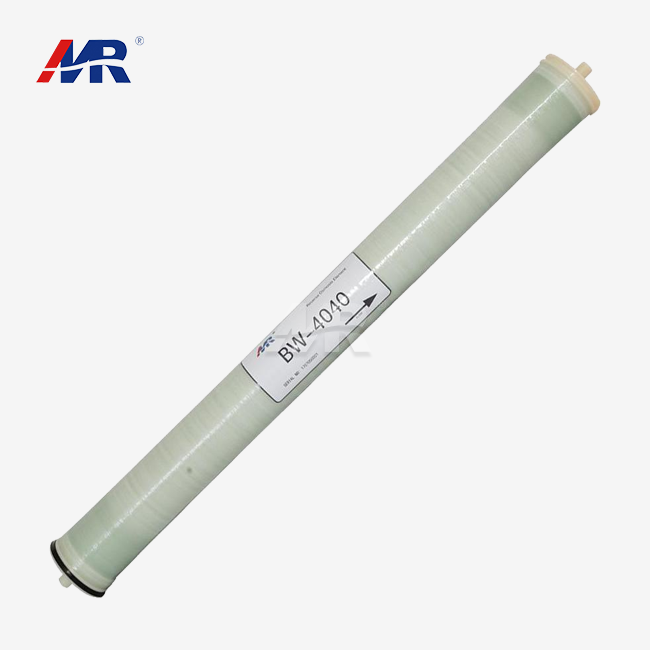 VIEW MORE4040 reverse osmosis membrane
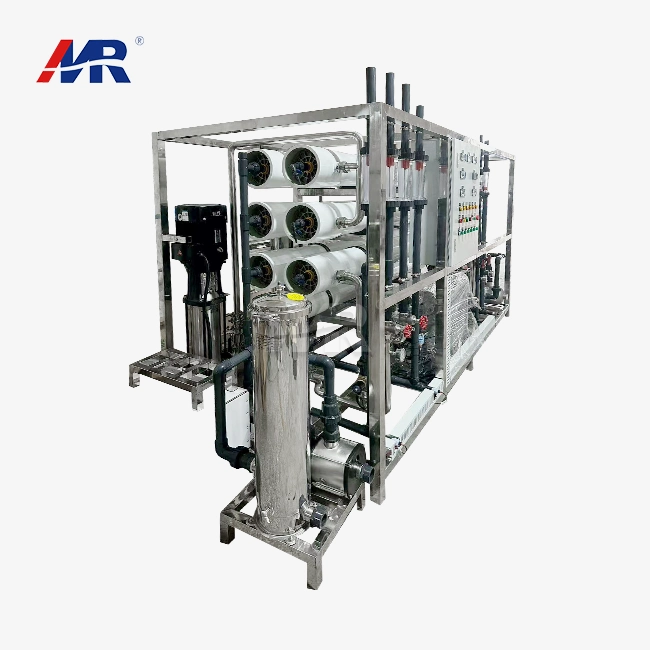 VIEW MOREedi module
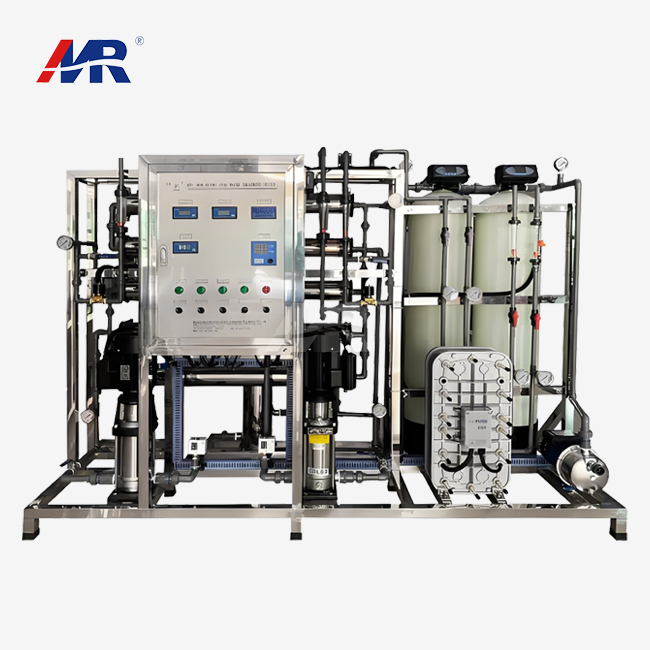 VIEW MORE500LPH EDI equipment
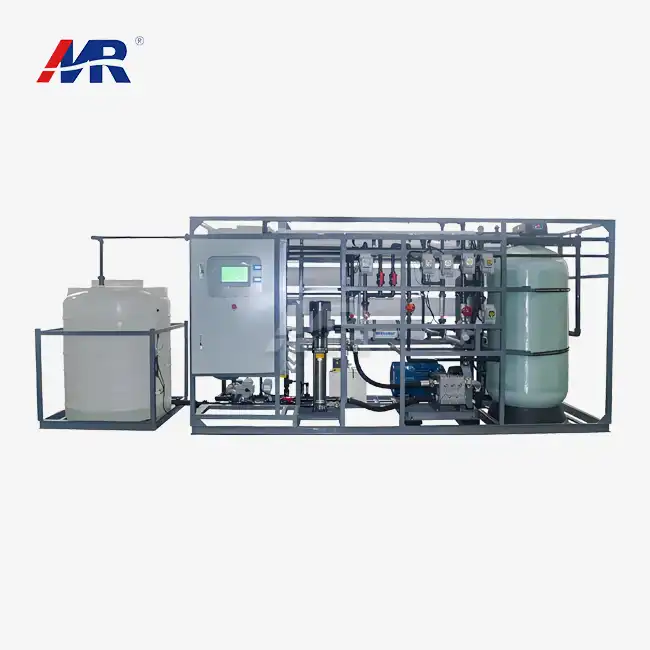 VIEW MORE5m3/hour seawater desalination equipment
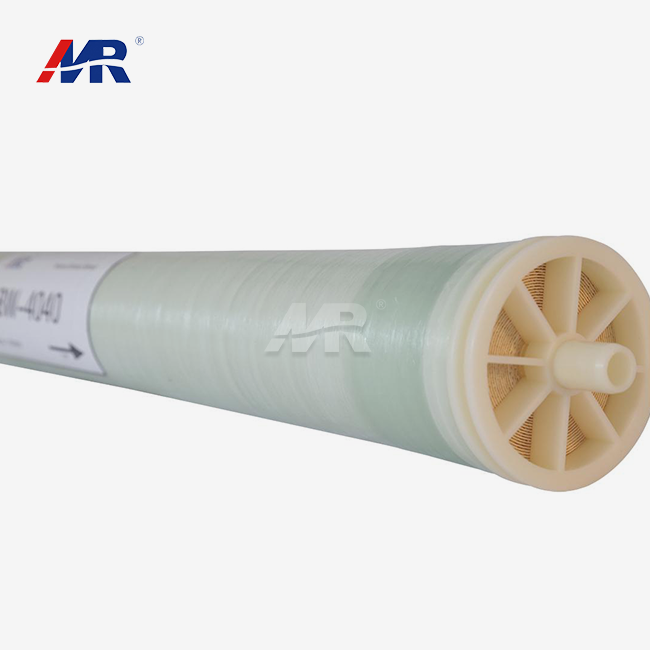 VIEW MOREindustrial reverse osmosis membrane
