

_1745823981883.webp)

Top 6 Benefits of Using Ultrafiltration Membrane for Wastewater Treatment
A new way to clean water that works well in many business settings is to use membrane/ultrafiltration-membrane-for-wastewater-treatment">ultrafiltration membrane for wastewater treatment. This high-tech cleaning method uses membranes with holes that are 0.01 to 0.1 microns wide to get rid of bacteria, viruses, suspended particles, and other pollutants in sewer streams. Ultrafiltration is a better way to get rid of contaminants than older methods. It also keeps flow rates high and energy use low. These new membrane systems help companies all over the world follow strict rules about how much trash they can release into the environment. They also help them recover water better, save money, and support practices that are good for the environment.

Effective Removal of Suspended Solids and Pathogens
Because their pores are so well placed, ultrafiltration membranes are very good at getting rid of bacteria, viruses, and other harmful germs. The tiny pores in this technology, which are generally between 0.01 and 0.1 microns, create a wall that only lets clean water molecules through.
Superior Contaminant Rejection Capabilities
Ultrafiltration systems work much better than typical treatment methods when it comes to advanced filtration. Studies show that these membranes can remove 99.99% of bacteria and 99.999% of viruses, which greatly lowers the amount of microbes in treated wastewater. The PVDF (Polyvinylidene fluoride) membrane material utilized in modern systems is quite strong and won't break down when exposed to chemicals, therefore the systems will work well for a long time.
Enhanced Water Quality Standards
Modern ultrafiltration membrane systems always lower turbidity levels to less than 0.1 NTU, while traditional filtration methods only lower them to about 1 NTU. This big change in water clarity means that the filtration is ten times more accurate. Industrial establishments that use these cutting-edge technologies say that the quality of their discharges has greatly improved, which helps them follow stricter environmental rules in many fields, such as electronics manufacturing, food processing, and pharmaceuticals.
Proven Industrial Applications
Case studies from facilities that treat industrial wastewater show that integrating ultrafiltration can help them meet environmental standards quite well. Municipal wastewater treatment plants that use these technologies say they always meet discharge criteria and use less chemical additives. The technology's ability to remove large molecule organic debris, with decrease rates of 60 to 80%, makes a big difference in the color and smell of water.
Consistent and High-Quality Filtration Performance
Ultrafiltration membranes provide consistent separation efficiency, irrespective of fluctuations in effluent composition or pollutant concentrations. This reliability comes from improved membrane engineering that stops performance changes that are prevalent with other treatment systems.
Resilient Performance Under Variable Conditions
Modern ultrafiltration systems have strong design features that let them work well with a wide range of wastewater types. Ultrafiltration membranes keep consistent flux rates and rejection capabilities, even when treating feedwater with changing amounts of contaminants. This is different from reverse osmosis systems, which can have big changes in performance. This resilience is especially useful in industrial settings where the properties of wastewater may change during manufacturing cycles.
Extended Membrane Lifespan and Durability
Advanced membrane materials and designs designed specifically for wastewater treatment applications show amazing resistance to fouling and chemical breakdown. Because these systems don't get dirty very often, they don't need to be cleaned as often, but they still work at their best. The operating pressure range of 0.1 to 0.3 MPa reduces mechanical stress on membrane parts, which helps them last longer and need to be replaced less often.
Optimized Procurement Value
Ultrafiltration membranes last a long time and work consistently, which means that B2B clients can get the best prices when they buy them. Longer lifespans for membranes mean that replacements are needed less often, and steady performance means that system modifications and emergency maintenance are not needed as often. This stability is especially useful for factories that run all the time, since system downtime has a direct effect on how well the business runs and how much money it makes.
Energy and Cost Efficiency in Operation
Ultrafiltration technology is much more energy-efficient than other treatment methods. It saves a lot of money on operating costs while still providing better treatment results. The way the technology is built makes it use less energy while making treatments more effective.
Less energy use Profile
Profile Studies show that ultrafiltration systems use only 30% to 50% of the energy that typical water treatment methods do. The low operating pressure needs, which are usually between 0.1 and 0.3 MPa, make pumping energy needs far lower than for reverse osmosis systems, which may need pressures of more than 5 MPa. This energy efficiency leads to big savings, with facilities saying that their energy costs went down by about 40% once they started using ultrafiltration.
Minimized Chemical Usage Requirements
Ultrafiltration membranes use physical filtration principles that do away with the requirement for a lot of chemical additives that are usually needed in typical treatment techniques. This lower use of chemicals not only lowers expenses of doing business, but it also lowers the dangers of secondary pollution and makes it easier to handle trash. PVDF membranes are resistant to chemicals and work well in pH ranges from 2 to 11. This makes it even less necessary to use particular procedures for handling chemicals.
Optimization of Lifecycle Costs
Comprehensive cost-benefit assessments show that ultrafiltration systems have good return on investment profiles, especially when used in large-scale or continuous industrial settings. The combination of lower energy use, less chemical use, and longer equipment lifespans makes for very strong economic benefits. Optimized cleaning processes and predictive maintenance capabilities help systems last longer and lower the expenses of unplanned downtime.
Flexibility and Scalability for Diverse Industrial Applications
Modern ultrafiltration systems are quite flexible since they may use different membrane materials and module combinations. This means that you can get the exact solution you need for your wastewater treatment needs. This adaptability makes it useful for many different industries and makes it easier to grow in the future.
Customizable System Configurations
Ultrafiltration membranes come in a number of shapes, such as hollow fibers, flat sheets, ceramics, and polymers. This makes it possible to fit them exactly to the individual properties of the wastewater and the goals of the treatment. With a modular architecture, you may make custom solutions based on the quality of the feedwater, the flow rates you need, and the effluent requirements you want to meet. This capacity to customize is especially useful for specialized industrial uses that need certain treatment conditions.
Scalable Architecture Design
The modular system architecture makes it easy to add more capacity without having to rebuild the whole system. This ability to scale is very important for businesses that are growing or for facilities that have to deal with fluctuating amounts of wastewater. The compact footprint design makes it easy to install in existing facilities and gives you the option to make changes or improvements in the future.
Diverse Industrial Success Stories
The method is quite flexible, as shown by its use in municipal sewage treatment, chemical manufacture, and water recycling. Ultrafiltration is used in the food and drink industry for tertiary treatment, and electronics manufacturers use it for pre-treatment in systems that make ultrapure water. Integrated ultrafiltration systems let manufacturing plants reuse water more efficiently, which cuts down on the amount of freshwater they need while still fulfilling quality standards for production.
Contribution to Sustainable Water Recycling and Resource Recovery
Ultrafiltration membranes are very important for improving sustainable water management since they can do high-quality tertiary treatment and support the ideas of a circular economy. The technique makes it possible to recycle water safely while using less resources and having less of an effect on the environment.
Advanced Water Reuse Capabilities
Ultrafiltration systems can remove contaminants very well, which makes it safe to recycle cleaned wastewater for a variety of industrial uses. Facilities can meet production needs while using less freshwater by making high-quality permeate. This ability to reuse water is especially useful in places where water is scarce or in facilities that want to have less of an effect on the environment.
Environmental Compliance Achievement
Industries can meet stricter environmental laws and cut down on the amount of trash they release by using ultrafiltration integration. Because the technology can consistently keep turbidity levels low and get rid of pathogens, facilities can go above and beyond discharge standards and may even be able to use the water again in a useful way. As rules becoming stricter in many areas of business, this ability to comply becomes more and more important.
Innovation in Membrane Technology
Emerging advancements in membrane technology, including better fouling resistance and advanced biofouling control techniques, further boost ultrafiltration's role in sustainable water management. These new technologies make systems work better and last longer, which is good for the environment and the economy for facilities that use them.
Ease of Integration and Automation Compatibility
Ultrafiltration membrane systems are ideal for retrofits and wastewater treatment infrastructure integration. The technology's interoperability with conventional industrial settings simplifies adoption and boosts operational efficiency.
Easy to add on features
Modern ultrafiltration systems integrate with existing treatment infrastructure with minimum operational disturbance. Standard industrial compatibility allows pilot testing and staggered implementation, lowering implementation risks and validating performance before full-scale deployment. Facilities improving treatment systems without replacing infrastructure benefit from this retrofit capability.
Integration of Advanced Automation
Modern ultrafiltration systems have real-time monitoring sensors, predictive maintenance algorithms, and complex process control systems. These automation capabilities optimize performance parameters automatically and reduce manual involvement. System functioning is simplified and human mistake is reduced by increased automation.
The main automation benefits of these systems:
- Advanced sensors monitor membrane performance, flow rates, and water quality indicators in real time, allowing fast response to operational changes.
- Predictive Maintenance: Intelligent algorithms evaluate operational data to predict maintenance needs, decreasing downtime and prolonging equipment lifespans.
- Automated Cleaning Cycles: Programmable backwashing and cleaning processes maximize membrane performance with minimal operator interaction.
- Remote Monitoring Integration: Cloud-based monitoring platforms allow remote system oversight and troubleshooting, minimizing on-site staffing.
These automation capabilities simplify operations and ensure performance. Through predictive maintenance scheduling and automatic performance optimization, smart monitoring systems improve treatment efficiency and lower operational costs.
Conclusion
Ultrafiltration membrane technology is a great bargain because it removes contaminants better, uses less energy, is more flexible in how it works, and can manage water in a way that is good for the environment. Ultrafiltration is the best choice for a wide range of industrial wastewater treatment applications since it has been shown to work well, is cost-effective, and is good for the environment. Modern systems have advanced automation features, possibilities for seamless integration, and full support from the manufacturer. This makes sure that they can be set up and used successfully in a wide range of industrial sectors.
FAQ
1. What pore size range do ultrafiltration membranes use for wastewater treatment?
Ultrafiltration membranes typically utilize pore sizes ranging from 0.01 to 0.1 microns, enabling effective removal of suspended solids, bacteria, viruses, and large molecular organic compounds while allowing dissolved minerals and smaller molecules to pass through.
2. How does ultrafiltration compare to reverse osmosis in energy consumption?
Ultrafiltration systems consume approximately 30-50% less energy than reverse osmosis systems due to lower operating pressure requirements (0.1-0.3 MPa vs. 5+ MPa), resulting in substantial operational cost savings while achieving excellent contaminant removal performance.
3. What industries benefit most from ultrafiltration membrane wastewater treatment?
Key industries include municipal wastewater treatment, food and beverage processing, pharmaceuticals, electronics manufacturing, chemical processing, and any facility requiring high-quality water reuse or stringent discharge compliance standards.
Partner with Morui for Advanced Ultrafiltration Solutions
Guangdong Morui Environmental Technology is the best ultrafiltration membrane for wastewater treatment manufacturer. They make the most advanced PVDF membrane systems with the best performance. Our innovative membrane technology can remove contaminants from a wide range of industrial applications while achieving flux rates of up to 80 L/m²/h. Morui has more than 500 dedicated staff, 20 specialist engineers, and 14 key divisions. They offer complete one-stop solutions for everything from making equipment to installing it and putting it into service. Our comprehensive strategy combines our own membrane production capabilities with relationships with top companies like Shimge Water Pumps and Runxin Valves. Email our technical staff at benson@guangdongmorui.com to learn more about unique ultrafiltration solutions that will improve the performance of your wastewater treatment system and save you a lot of money on operating costs. Visit moruiwater.com to find out how our tested membrane technology may make your facility's water treatment more effective.
References
1. Chen, W., & Liu, J. (2023). "Advanced Ultrafiltration Membrane Technologies for Industrial Wastewater Treatment: Performance Evaluation and Economic Analysis." Journal of Environmental Engineering, 149(8), 04023042.
2. Rodriguez, M., Kim, S., & Thompson, R. (2022). "Energy Efficiency Comparison of Membrane Technologies in Municipal Wastewater Treatment Applications." Water Research, 218, 118456.
3. Zhang, L., Anderson, P., & Wilson, K. (2023). "Sustainable Water Recovery Using Ultrafiltration Membranes: A Comprehensive Review of Industrial Applications." Separation and Purification Technology, 312, 123398.
4. Miller, D., Patel, N., & Johnson, A. (2022). "PVDF Membrane Performance in Industrial Effluent Treatment: Long-term Stability and Fouling Resistance Analysis." Journal of Membrane Science, 648, 120356.
5. Taylor, S., Brown, M., & Davis, H. (2023). "Integration Strategies for Ultrafiltration Systems in Existing Wastewater Treatment Infrastructure." Environmental Technology Reviews, 12(2), 245-267.
6. Kumar, R., Lee, C., & Smith, J. (2022). "Automation and Process Control in Modern Ultrafiltration Membrane Systems for Wastewater Treatment." Process Safety and Environmental Protection, 163, 789-802.
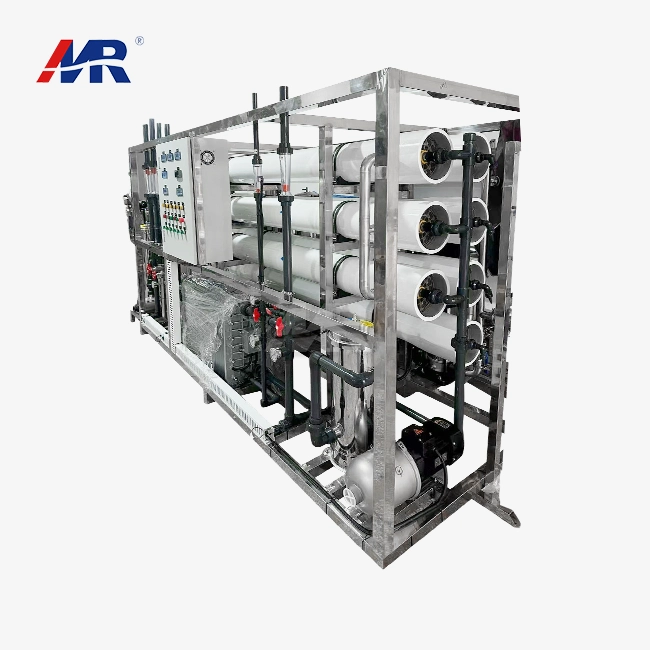 VIEW MOREedi module water treatment
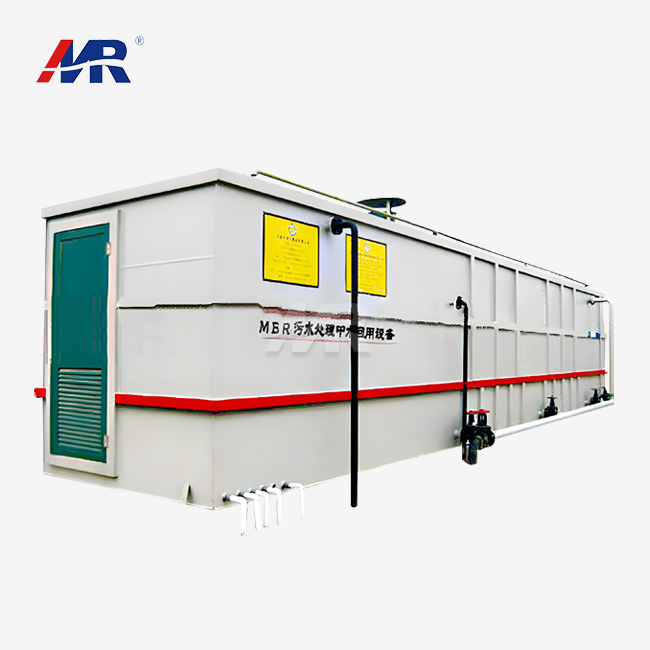 VIEW MOREsewage treatment plant MBR system
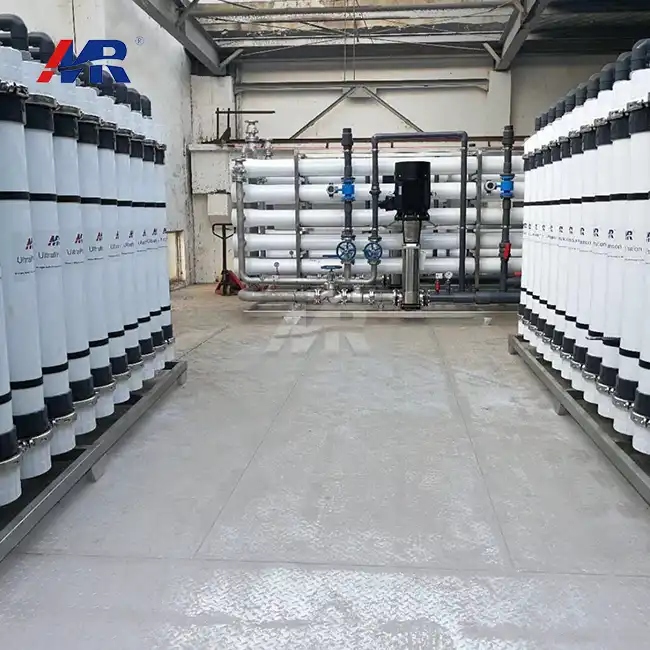 VIEW MORE2000m3/day ultrafiltration equipment
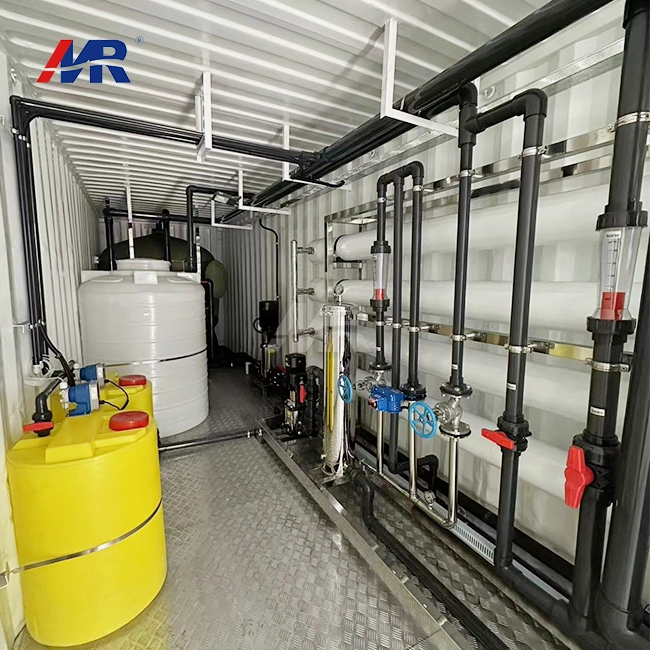 VIEW MOREcontainerized desalination plant
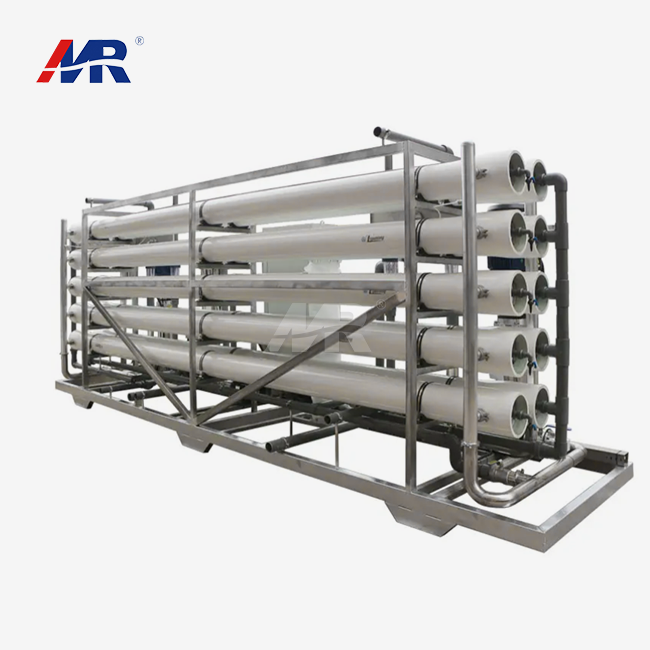 VIEW MOREbrackish water reverse osmosis systems
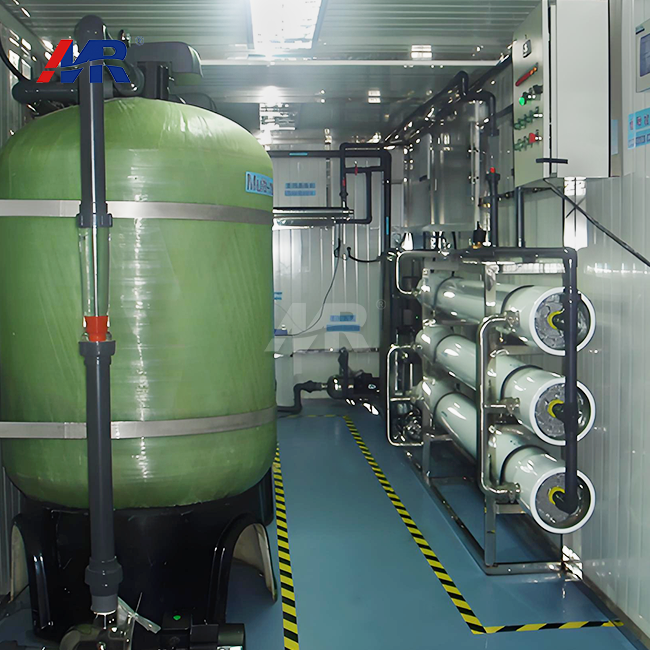 VIEW MOREContainerized Mobile Water Treatment Systems
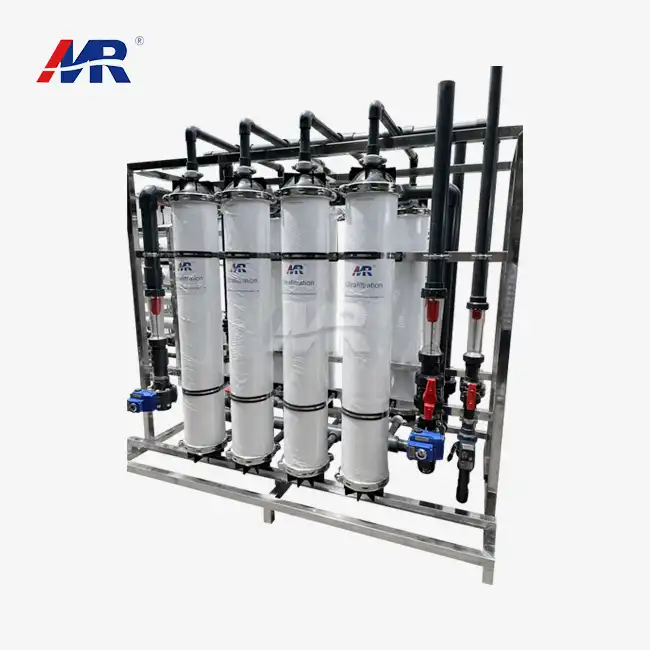 VIEW MORE15T/H ultrafiltration system
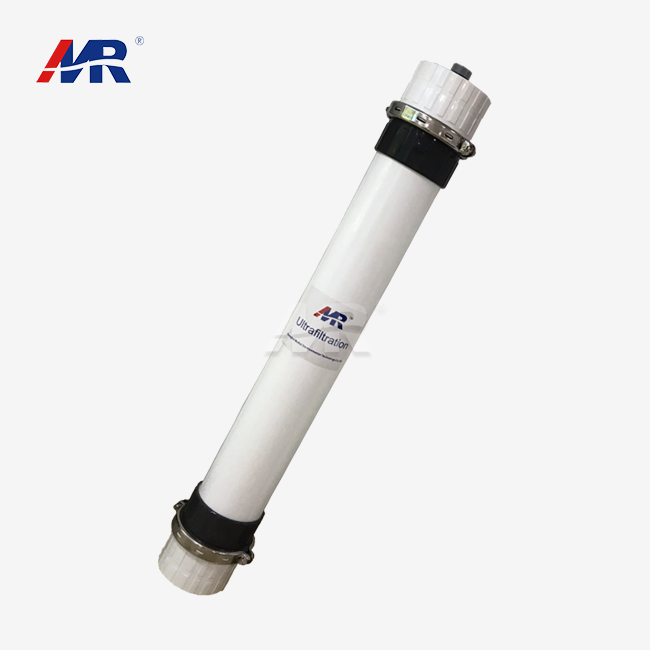 VIEW MOREultrafiltration membrane system
