_1745823981883.webp)

Taking salt out of seawater is becoming an important way to deal with the lack of water around the world, especially in coastal areas and industries where the need for high-quality water is growing. As desalination technologies are used more and more, responsibly buying and using them means that people need to know how they affect the environment. Today's thermal distillation methods, membrane-based processes, and reverse osmosis systems each have different impacts on the environment, affecting energy use, carbon emissions, and marine ecosystems. Adding enTaking an eco-friendly approach to desalination requires a close look at the energy efficiency of the process, the handling of brine, and the chemicals used in treatment.
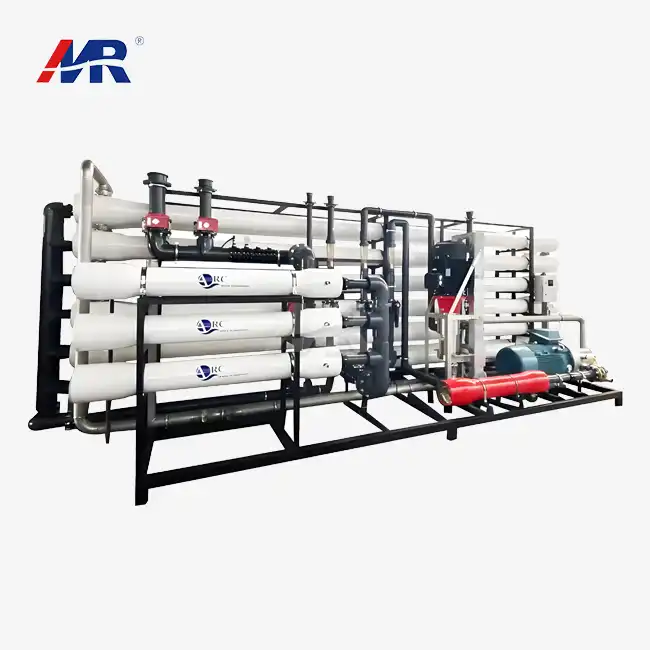
Understanding Seawater Desalination Technologies and Their Environmental Footprint
In places where water is hard to come by, like dry areas and regions with lots of factories, getting rid of salt from seawater is seen more and more as a way to help. Multi-effect distillation (MED), multi-stage flash distillation (MSF), electrodialysis, and reverse osmosis (RO), which uses membranes that are only partially permeable to get rid of salt and other things, are some of the most common ways to do this. All of the technologies have the same goal: to make seawater drinkable for people, businesses, and farms. Each of them is based on a unique idea.
Important Ways to Desalinate Water and How They Work
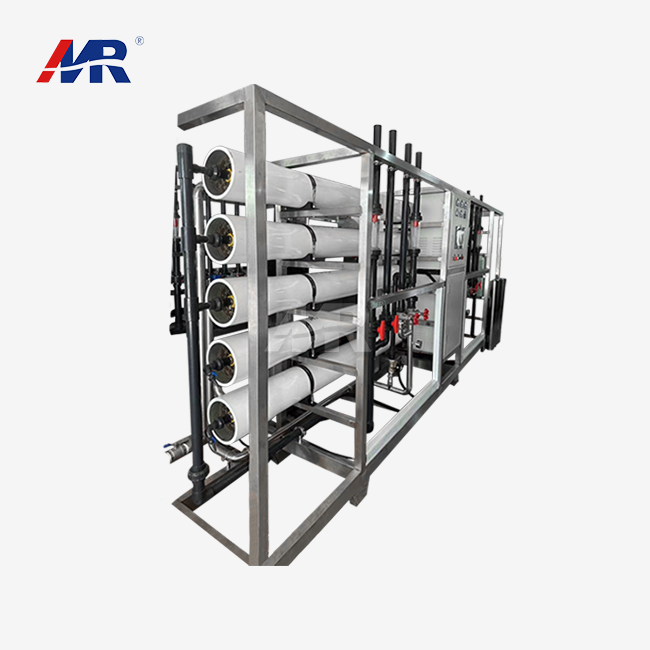
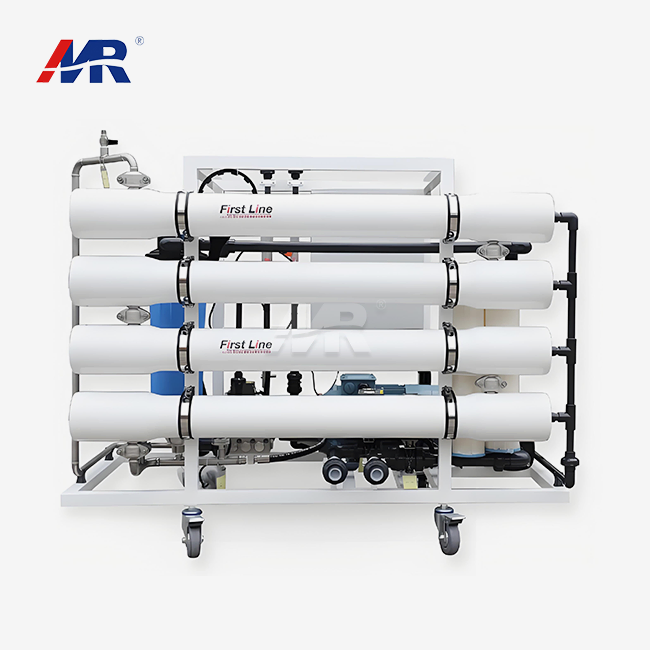
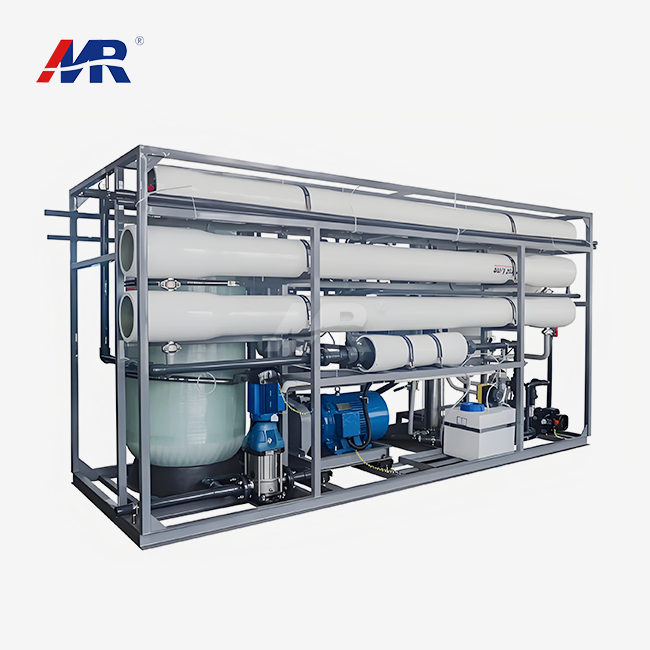
Reverse osmosis has been the most popular method for removing salt from water in the last few years because it uses little energy and can be scaled up to work on bigger projects among desalination technologies. The process removes up to 99.5% of the salt from seawater by filtering it through special membranes at a very high pressure, usually between 55 and 70 bar. These days, reverse osmosis systems only need 3 kWh/m³ of energy. These performance measures have been greatly improved by the use of high-tech membrane materials and energy recovery systems.
Important Environmental Factors That Impact Long-Term Survival
One environmental factor to think about is how we use energy. This depends on the power source and is directly connected to carbon emissions. When brine, a mix of concentrated salts and chemicals, is released, it affects the ocean environment. Cleaning membranes and doing pre-treatment uses chemicals that are worse for the environment. These processes need to be carefully managed and watched.
Comparative Environmental Analysis of Major Desalination Technologies
Different ways of desalting water have different impacts on the environment and the energy needed to do them for desalination technologies. This makes choosing the right technology for long-term use very important. The environmental performance comparison shows that both thermal and membrane-based processes have different effects on the environment, both good and bad.
Energy Efficiency Rules
3 to 4 kWh/m³ is used by reverse osmosis systems, and 15 to 25 kWh/m³ is used by multi-stage flash systems. This proves that reverse osmosis systems are better than thermal processes at conserving energy. Energy recovery devices that make power from saltwater pressure have been added to modern RO plants. These tools can cut the total amount of energy that plants need by as much as 35%. Using renewable energy sources means that less greenhouse gas is released into the air because of these gains in efficiency.
Benefits and drawbacks of membrane technology
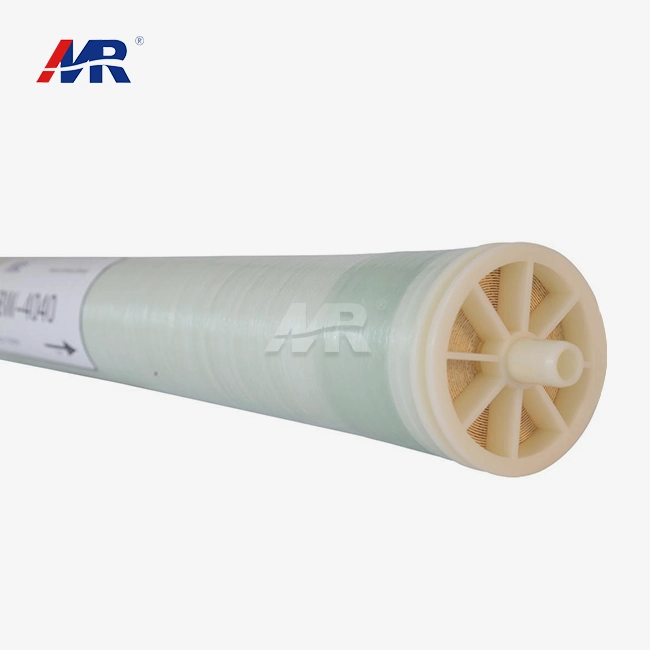
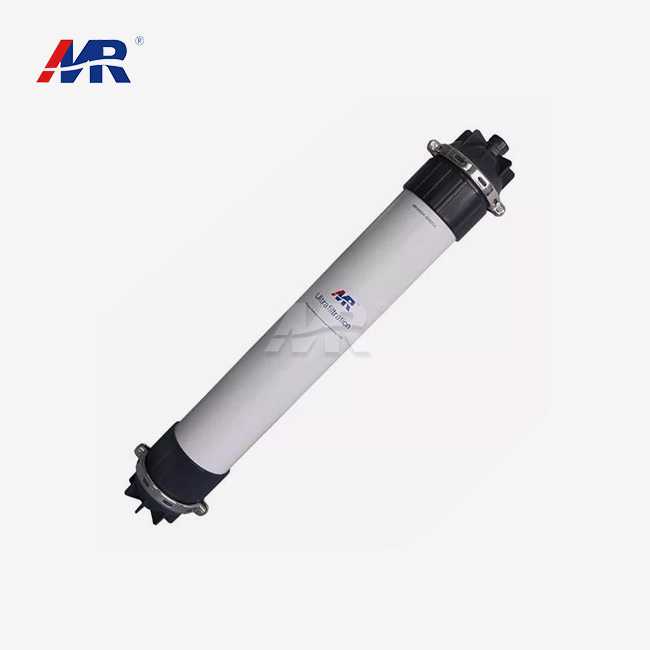
In a lot of ways, advanced membrane technologies are better for the environment because they use fewer chemicals, create less thermal pollution, and take up less space. But when membranes are just tossed out and replaced, it is bad for the environment. Manufacturers solve this problem by recycling membranes and extending their lifespan. Membranes that don't bio-foul stay just as effective and are easier to clean.
New methods for making desalination work in the long term
New developments focus on adding renewable energy to systems that are already in use. In places where they are effective, solar-powered desalination systems are used more and more. Brine concentration and mineral recovery are more advanced ways of dealing with brine that can turn waste into something useful. Based on current needs and conditions, smart control systems use energy more efficiently. This is beneficial for nature and helps keep things running smoothly.
Case Studies: Environmental Impact Assessments in Real-World Applications
Making environmental management strategies work in the real world helps people learn how to do it well in a variety of areas and sizes. These real-world examples show that careful planning and choosing the right technology can make a big difference in protecting the environment while still meeting water production needs.
Water Supply Projects for Cities
Large-scale municipal desalination plants have been able to keep an eye on the health of marine ecosystems, the quality of the water, and energy use patterns through desalination technologies. Using renewable energy alongside traditional energy sources in projects in California and Australia has worked well, cutting carbon footprints by up to 60% compared to conventional power sources.
Success Stories of Industrial Applications
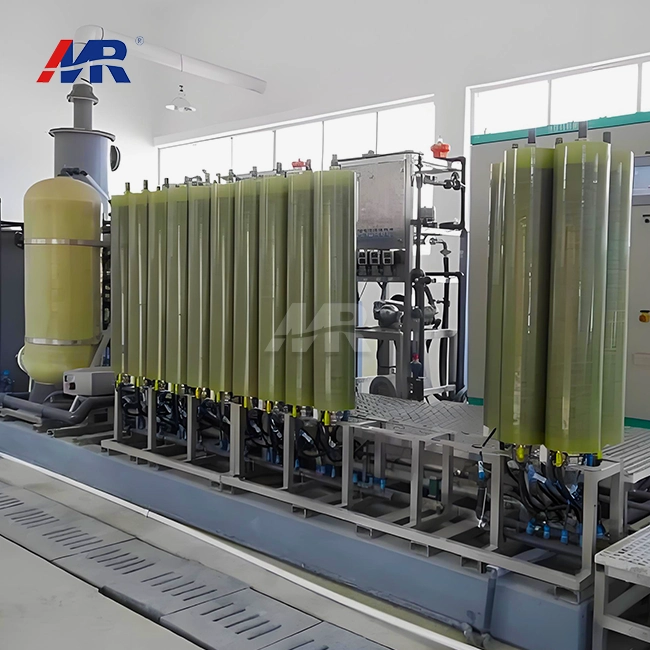
Factories, especially those that make electronics or drugs, have achieved zero liquid discharge by using more advanced methods of recycling and removing salt from water. These closed-loop systems protect the environment and make sure that the water quality is always good for important production processes. Power plants that use desalination to get cooling water have lessened thermal pollution with new systems that help recover heat.
Strategies for Sustainable Procurement and Deployment of Desalination Technologies
When procurement professionals are making decisions, they need to be able to take into account environmental impact, as well as technical specifications and cost. Long-term planning for operations, choosing technologies, and looking at suppliers are all parts of sustainable procurement.
Choosing Guidelines for Eco-Friendly Options
Energy efficiency ratings, brine discharge concentrations, chemical consumption rates, and lifecycle environmental assessments are some of the most important ways to judge something. ISO 14001 Certifications for environmental management and carbon footprint reporting are examples of supplier sustainability credentials that show a dedication to protecting the environment. If you can easily add or remove parts of a technology, you can change its capacity without having a bigger effect on the environment.
Adding Environmental Performance Metrics
Total cost of ownership models that take environmental factors into account are being used more often in procurement evaluation frameworks for desalination technologies. Carbon pricing and regulatory compliance costs affect the choice of technologies. Performance guarantees that cover energy use and environmental factors protect procurement teams by making them responsible and lowering their risks.
Guangdong Morui Environmental Technology: Your Partner in Sustainable Desalination Solutions
Guangdong Morui Environmental Technology Co., Ltd has a lot of experience with water treatment solutions. They focus on environmentally friendly desalination systems used in the public, commercial, and farming sectors. Our state-of-the-art reverse osmosis technology quickly turns seawater into drinking water with great durability and performance.
Detailed Product Specs and Eco-Friendliness
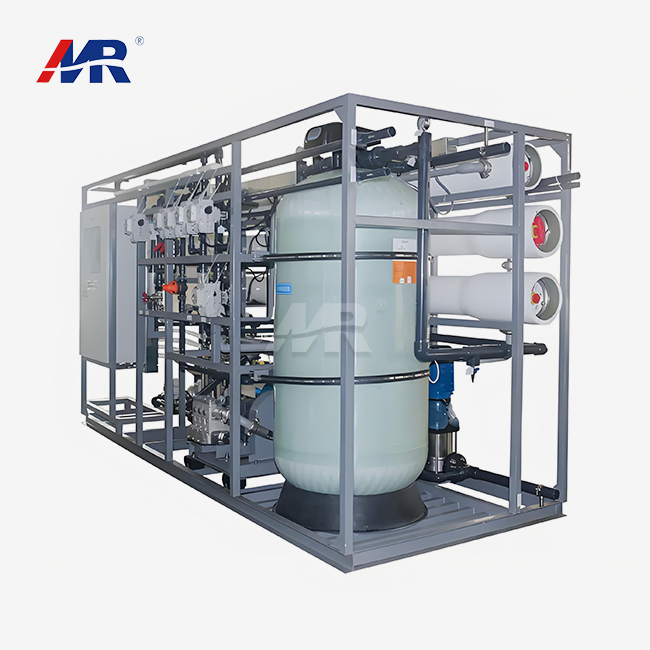
Our desalination systems have great environmental credentials. They can process anywhere from 1,000 to 100,000 m³/day, using as little as 3 kWh/m³ of energy. The recovery rate gets up to 45%, which is the best rate for making fresh water while also reducing the amount of brine that is discharged. Fully automated operation with remote monitoring capabilities makes sure that the system runs at its best and has a lower impact on the environment.
The environmentally friendly modular design makes it easy to scale the system up or down. Also, using materials that don't corrode makes the system last longer, so it doesn't have to be replaced as often, which is better for the environment. Advanced membrane technology provides better water quality with very few chemicals, and smart control systems continuously optimise performance based on operational conditions.
A wide range of services
We help with all parts of a project, starting with consultation and feasibility studies that look at how the project will affect the environment for desalination technologies. Custom design and engineering services make sure that environmental performance is best for certain uses. Installation and commissioning support includes setting up environmental monitoring and making sure it meets the rules.
Conclusion
The impact on nature of desalinating seawater must be carefully thought about during the buying and deployment process. Newer reverse osmosis systems are much better for energy and the environment than older thermal methods. A full study of technology choices, supplier capabilities, and long-term operational plans is needed for successful implementation. Companies that want to protect the environment can reach their water security goals at the same time by picking technologies carefully and working with providers who have experience and also believe in sustainable practices.
FAQ
Q1: Which desalination effects harm nature the most?
A: The biggest environmental issues are energy-related carbon emissions, marine ecosystem-harming brine discharge, and pre-treatment and membrane cleaning chemicals. Newer systems solve these issues with better brine management, energy recovery, and fewer chemicals.
How can businesses save energy by removing salt from water?
Lowering machine pressures, using smarter control systems, using renewable energy, and using energy recovery devices save energy. Modern reverse osmosis systems use minimal energy (3 kWh/m³) through various methods.
Q3: Are there green desalination methods for large industries?
The factories using them are eco-friendly. The modular design allows for scalability from 1,000 to 100,000 m³/day while maintaining environmental sustainability.
Partner with Morui for Advanced Desalination Technologies Solutions
Morui Environmental Technology in Guangdong is ready to help you reach your goals for getting sustainable water with the best desalination technologies in the industry. Our all-inclusive method uses the latest reverse osmosis systems, designs that save energy, and strategies for making the environment better that are made to fit your needs. With more than 14 branches, 500 employees, and 20 specialised engineers, we offer full support from studies of how possible a project is to ongoing help with maintenance. As a trusted maker of desalination technologies, we promise great performance, environmental compliance, and long-term reliability. Work with our experienced team to turn your water security problems into long-lasting solutions. To learn more about how our advanced desalination systems can help you meet your environmental and operational goals, visit moruiwater.com or email benson@guangdongmorui.com.
References
1. Miller, Sarah J., et al. "Environmental Impact Assessment of Large-Scale Seawater Desalination: A Comprehensive Review." Journal of Environmental Management, 2023.
2. Rodriguez, Carlos M. and Thompson, Angela K. "Energy Efficiency in Modern Desalination Technologies: Comparative Analysis and Future Trends." Desalination and Water Treatment, 2023.
3. Chen, Li Wei, et al. "Sustainable Brine Management Strategies in Seawater Desalination Plants." Environmental Science & Technology, 2024.
4. Anderson, Michael P. "Life Cycle Assessment of Reverse Osmosis Desalination Systems: Environmental Implications and Optimization Strategies." Water Research, 2023.
5. Kumar, Rajesh and O'Brien, Patricia. "Marine Ecosystem Impacts of Desalination Discharge: Monitoring and Mitigation Approaches." Marine Environmental Research, 2024.
6. Foster, David R., et al. "Renewable Energy Integration in Seawater Desalination: Technical and Environmental Perspectives." Renewable Energy Review, 2023.