_1745823981883.webp)

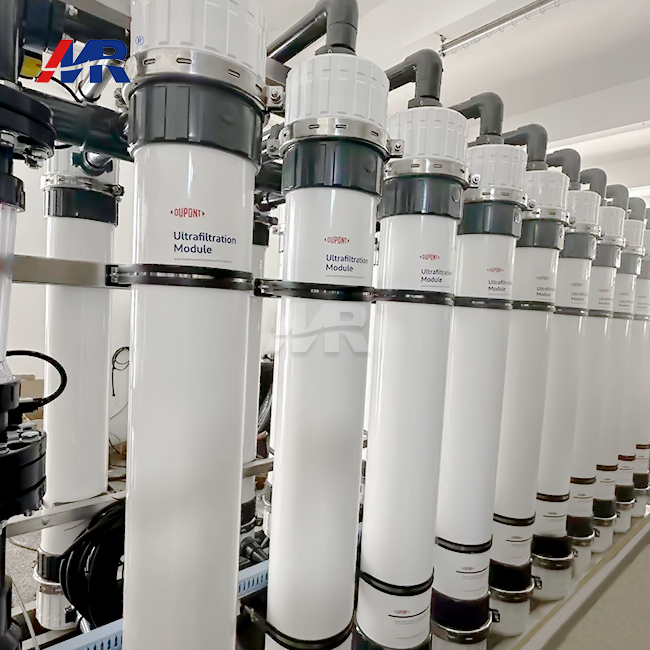
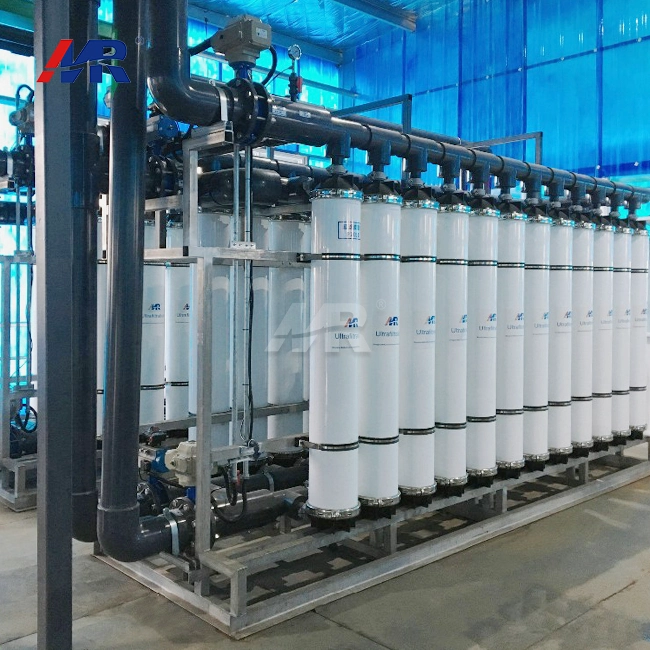
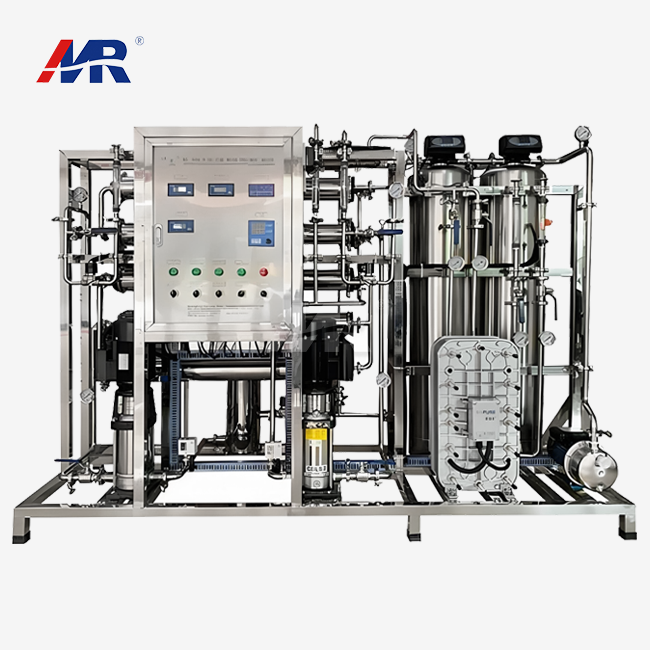
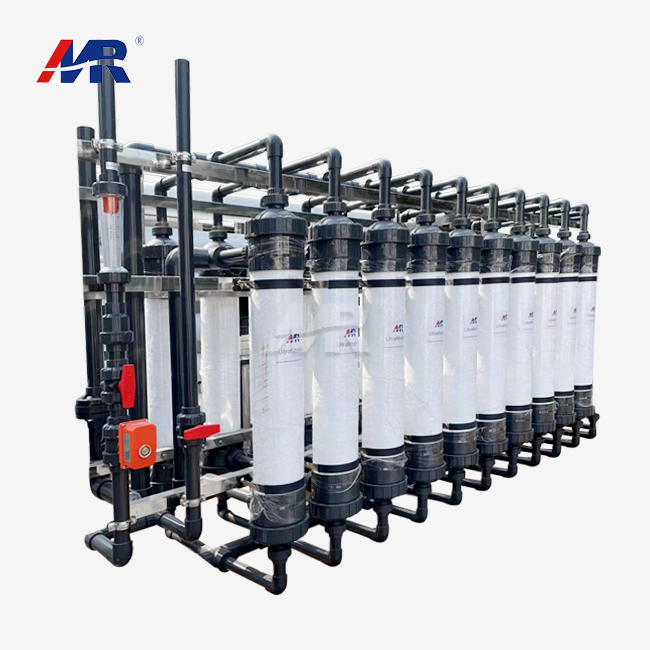
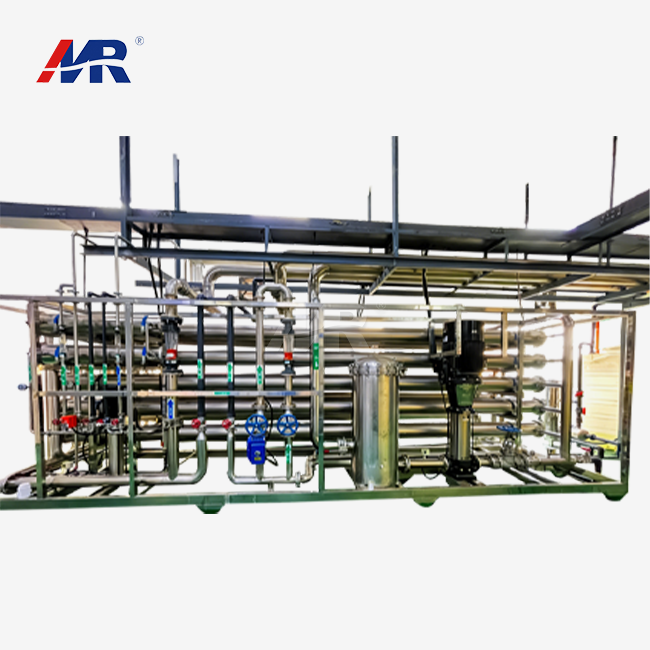
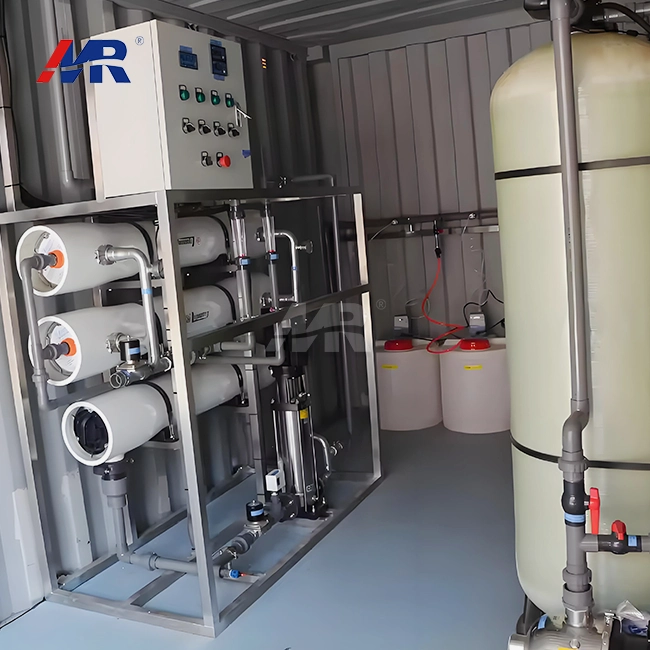
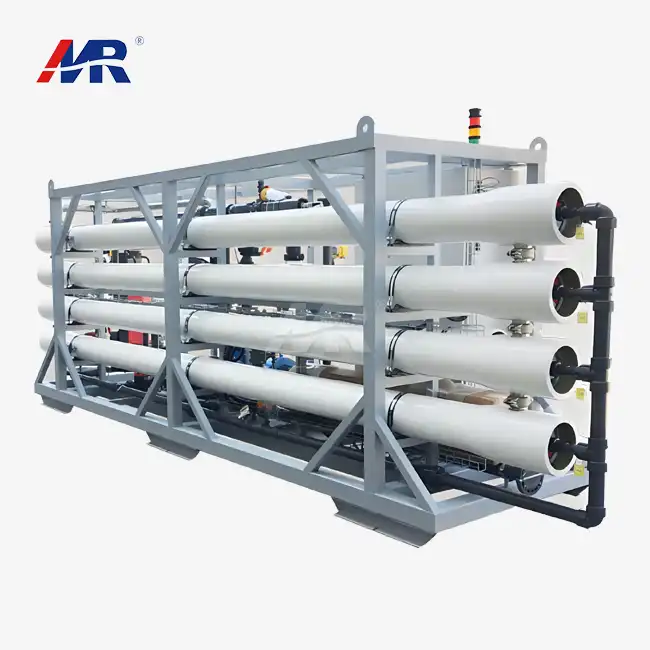
Island communities around the world face long-lasting problems with fresh water that put their growth and long-term viability at risk. Durable and compact seawater desalination units are a game-changing way to deal with these important water security problems. Reverse osmosis is an advanced technology that makes these specialised systems able to turn a lot of salty water into drinkable fresh water. The systems are designed to keep working well even in harsh marine environments. The small design makes sure that space is used well, which makes these desalination units perfect for islands with few resources where logistics are a problem.
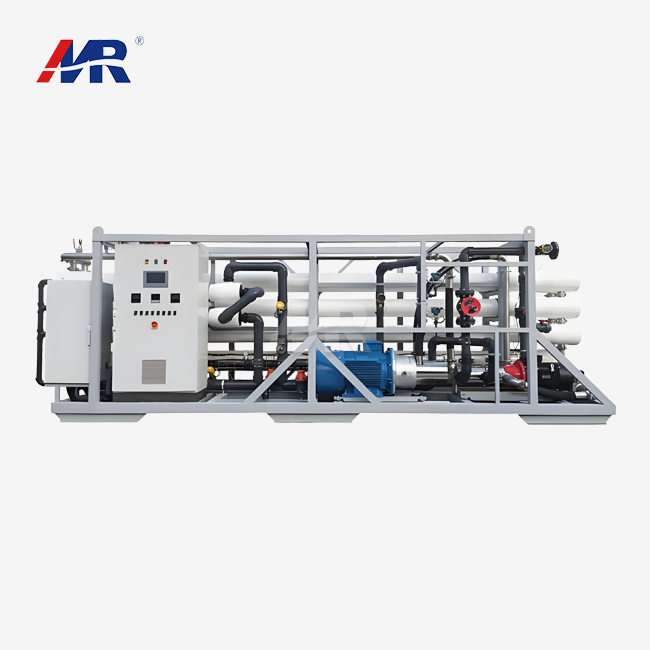
Understanding the Importance of Durable and Compact Seawater Desalination Units
Water Scarcity Challenges in Island Communities
It's not as common on the mainland, but island communities have trouble because they don't have enough water. It's difficult to keep water safe when there aren't many freshwater aquifers, when there is a risk of saltwater intrusion, and when there is extreme weather. These problems are worse when there are a lot of people and tourists; they also often use up all the available water. During droughts, water usually comes from nearby sources. Those places, however, have to rely on expensive imports or emergency relief supplies.
Changing rain patterns and rising sea levels are two ways that climate change makes these issues worse. Sixty per cent of people living in small island developing states say they don't have enough water, and in some areas, they can't get any for months at a time every year. People need to be sure they can get clean water they can trust and control during these times through desalination units. They should be able to get it themselves, without help from other people or businesses.
Advantages of a Small, Strong Design for Distant Locations
Small desalination systems are very useful on islands where space, transportation, and maintenance are limited. This system is smaller than others, so it's easier to install in places where bigger systems wouldn't be able to fit. As communities grow, modular designs also give you the option to add more space over time. In marine settings, where tools are always getting broken by salt spray, water, and changes in temperature, they need to be very tough.
Today's small systems are made of materials that don't rust, and they are protected by weatherproof enclosures that make them last longer. It is easier to keep this system running because of these design features, and that means parts don't need to be replaced as often. This is very important for areas with little tech support that are hard to get to.
Important Things to Keep in Mind When You Buy a Business
There are a few very important things that business-to-business buyers think about when they pick island desalination solutions and desalination units. It costs a lot to buy, run, and fix it, and it will be useful for a long time. Being energy efficient will save you money, especially where electricity costs a lot.
Redundancy and reliability features make sure that water production keeps going, even when the machines break or need to be fixed. To ensure long-term success, procurement teams also consider what suppliers can do for them, like offering Technical support, training programmes, spare parts, and local service networks.
Core Technologies Behind Compact Seawater Desalination Units
Reverse Osmosis Desalination Units: Why They're the Best Choice and How They Work
Because it is so efficient and reliable, reverse osmosis is the most popular technology for compact desalination. The process uses high pressure to force seawater through specialised membranes. This separates the salt and other impurities from the clean water. These days, reverse osmosis systems can get back as much as 45% of the water they use, and they only need 3 kWh of energy per cubic metre of water produced.
Advanced membrane materials resist fouling and keep working the same way in all kinds of seawater conditions. Automated pre-treatment systems keep membranes from being damaged and make the whole system more efficient. Intelligent control systems keep an eye on performance metrics and make changes to keep water quality and energy use at the best levels.
Using Solar Power to Desalinate: a Long-Term Solution for Islands
Using solar power for island desalination projects and desalination units works really well, especially in tropical areas that get a lot of sun. Photovoltaic arrays with battery storage systems give you reliable power, lower your costs, and reduce carbon emissions. When there are a lot of cloudy days in a row, hybrid configurations make sure that power keeps working by combining solar panels with backup generators.
Energy recovery devices lower the total power needed by up to 30% by capturing pressure from concentrate discharge streams. With this increase in efficiency, solar-powered systems become cost-effective for smaller communities that used to get their water from diesel generators.
Other Well-Known Types: An Explanation of Multi-Stage Flash and Electrodialysis
Multi-stage flash distillation is still useful for certain island applications, especially when power generation waste heat is available. Using heat to evaporate seawater in stages, this method collects condensed water vapour and leaves the salt behind. MSF systems effectively deal with different kinds of feed water and make very pure water, even though they use a lot of energy.
Electrodialysis technology uses electrical fields to get rid of dissolved salts through ion-exchange membranes that only let certain ions pass through. This process works well with brackish water and uses less energy than reverse osmosis when the feed has a lower salt level. Island communities that have both fresh and saltwater sources benefit from the ED system's ability to adapt to different feed conditions.
Things to Think About When Using Energy and Affecting the Environment
Energy efficiency has a direct effect on the environment and the cost of doing business. Variable frequency drives, high-efficiency pumps, and smart control algorithms allow modern compact systems to use energy more efficiently. Energy recovery devices reuse hydraulic pressure, which greatly lowers the amount of power that is needed.
Brine disposal methods, energy source selection, and equipment lifecycle impacts are all environmental considerations for desalination units. Installing renewable energy systems helps reduce carbon footprints, and properly designed discharge systems protect the ocean. Choosing materials based on their recyclability and durability lowers the overall impact on the environment during the lifetimes of the systems they are part of.
How to Choose the Best Seawater Desalination Unit for Island Projects?
Defining Decision Scenarios: Power Sources, Portability, and Capacity
To plan capacity, you need to carefully study current and expected water needs for different types of users. The quality and quantity needs of municipal supplies, agricultural irrigation, and industrial processes are each different. Capacity sizing decisions are greatly affected by peak demand periods during droughts or tourist seasons.
The ability to move something affects how it is first installed and how it can be expanded in the future. Modular systems let you add more capacity in small steps instead of having to replace the whole system. This makes the system more adaptable to the needs of communities as they grow. Islands often have transportation issues that make it better to use systems that ship in standard containers and put things together on-site.
Core Criteria for Choosing: Cost, Durability, Maintenance Needs, and Efficiency
Choosing the best desalination method means looking at a lot of different, connected factors that will affect the project's long-term success. The following core criteria help make procurement decisions to be made correctly:
- Energy Efficiency: Newer systems use 3–4 kWh/m³, while older ones use 6–8 kWh/m³. This difference makes the newer systems much cheaper to run. Variable frequency drives and energy recovery systems make sure that power use is as efficient as possible across a range of demand patterns.
- Durability Standards: duplex stainless steel and other marine-grade materials, like specialised polymer coatings, resist corrosion in harsh saltwater environments. Parts that are rated for temperature can handle tropical heat while still meeting performance standards.
- Maintenance Accessibility: Predictive maintenance scheduling is possible with remote monitoring, and easier access to components cuts down on the time needed for servicing. Making sure that all parts are the same across system modules simplifies the spare parts inventory.
- Lifecycle Cost Analysis: The total cost includes the money needed to buy it, the money needed to run it, the money needed to fix it, and the money needed to replace it. It is common for energy-efficient systems to make up for their higher upfront costs by lowering their operating costs.
These standards work together to find out what the overall system value proposition is for desalination units. For island communities that don't have a lot of technical resources, the best long-term benefits are given by energy-saving systems that are well-built and easy to fix.
Comparing Compact and Larger Units: Pros and Cons and When to Use Them
Most compact systems can hold between 50 and 500 m³/day, but bigger ones can hold over 1,000 m³/day. Smaller units have lower upfront costs, are easier to install, and can be used in more ways, but they don't work as well with economies of scale. Larger systems get better costs per unit of water, but they are harder to build and maintain because they need more complex infrastructure and more technical know-how.
Island communities can add to their compact systems little by little. Several smaller units offer a level of backup that one big system can't match. This protects the water supply even when equipment fails or is being worked on.
Electric and Solar Units: Advantages and Disadvantages for Communities on Islands
Electric systems offer reliable performance no matter the weather, and they are usually cheaper up front. But the cost of doing business depends a lot on where you are, since electricity rates can be very high, especially on islands. Problems with grid reliability can stop water production, which raises more security concerns.
Solar-powered alternatives have higher upfront costs but offer energy independence and lower costs for running the system. Battery storage makes things more complicated, but it lets them run all the time. Hybrid systems that combine solar power with backup generators are the most reliable way to use a lot of renewable energy.
Finding the right solution for different types of users: agriculture, home, and business uses
The standards for drinking water are less tolerant of salt than those for agriculture for desalination units. This leads to higher recovery rates and lower costs for treatment. Irrigation systems with larger storage spaces are helpful for crop watering schedules. The WHO drinking water standards must be met all the time for residential supplies, which should have enough storage for the amount of water people drink each day.
Businesses like hotels and resorts need to be able to make a lot of high-quality water reliably, with very little risk that they will have to shut down for a while. These apps make it worth spending more up front on extra systems and better monitoring to protect business operations and keep customers happy.
Maintenance, Troubleshooting, and Long-Term Support for Desalination Units
Longevity and Efficiency: Important Maintenance Tips
Preventive maintenance protocols make sure that systems run well and that equipment lasts a long time. Checking system pressures, flow rates, and water quality parameters is part of daily monitoring. Every week, the pre-filters need to be cleaned, and the high-pressure pumps checked for noises or vibrations that aren't normally there.
Feed water quality and how the system is working affect membrane cleaning schedules. Biological fouling and mineral scaling are usually cleaned off once a month to three months, using special chemical solutions. Following the right steps for handling and getting rid of chemicals protects your equipment and the environment.
Fixing common problems and keeping downtime to a minimum
Control system problems, pump failures, and membrane fouling are common operational issues. Before the production capacity is greatly affected, early warning systems detect pressure drops that show membrane problems. Automated shutdown procedures help protect equipment from damage when the power goes out or when the operating conditions are extreme.
With remote monitoring, equipment makers can give expert technical support no matter where the equipment is installed. When diagnostic data is sent through satellite or cellular connections, it helps to quickly find and fix problems so that there is less need to troubleshoot on-site.
The parts, repair services, and user manuals that are easy to get may be
In remote areas where it is costly and takes a long time to deliver emergency supplies, the ability to get spare parts has a huge impact on how reliable the system is for desalination units. Recommended spare parts include membrane elements, pump seals, instrumentation parts, and control system modules. These suggestions are based on reliability data from manufacturers.
Comprehensive user manuals, video training materials, and technical support hotlines make it possible for local operators to do routine upkeep and basic problem-solving. Regular training updates make sure that operators are up to date on new technologies and best practices.
Warranty and After-Sales Support: What Business Customers Should Expect
Standard warranty coverage includes performance guarantees and defects in the equipment. This coverage lasts for a set amount of time, usually 12 to 24 months. Extended warranty options protect you against the failure of major parts after the standard warranty period ends. Performance guarantees set standards for the least amount of water that can be produced and its quality under certain conditions.
After-sales support includes help with technical issues, training, getting spare parts, and optimising systems regularly. Top manufacturers make sure that urgent support requests from remote island locations are met quickly by offering local service networks or partner arrangements.
Case Studies: Successful Deployment of Durable Compact Desalination Units on Islands
Case Study 1: A solar-powered desalination unit that gives fresh water to a village on an island that is far away
A solar-powered reverse osmosis system that could do 100 m³/day changed water security for a Caribbean island community of 500 people through desalination units. The installation used 150 kW solar panels with battery storage to make sure that fresh water could be made even when the weather changed. The costs of community water imports dropped by 70% compared to the past, and now there are no risks of supply disruption during the rainy season.
Because the system's modular design made it possible for locals with just a little bit of equipment to install it, the project cost was lowered, and locals were able to build up their technical knowledge. Data from the last five years show that the system is always available 98% of the time and the water quality is always better than the standards set by the World Health Organisation.
Case Study 2: Compact Reverse Osmosis Units for Coastal Islands' Agricultural Needs
To help with the intensive production of crops, three 200 m³/day compact desalination units were set up by agricultural workers on a Mediterranean island. The system treats seawater for irrigation and, at the same time, makes better water for greenhouse use, where nutrient levels need to be carefully controlled. Modular configuration lets you fix each part separately without messing up the overall plan for the farm.
The investment was able to pay for itself in four years by raising crop yields and lowering the cost of moving water, according to an economic analysis. The installation shows how modern desalination technology makes it possible to grow more crops in areas with limited water that used to be seen as inappropriate for intensive farming.
What Went Wrong and How to Make Sure It Doesn't Happen Again Next Time
Successful desalination projects in islands start with involving the community and building up local technical knowledge. Training local workers helps keep costs down and makes sure that maintenance needs are met quickly. With phased implementation, communities can get used to smaller systems before making them bigger.
Upgrades that make energy use more efficient continue to provide benefits over the life of a system. This makes the higher upfront cost of advanced technologies reasonable. Redundancy planning makes sure that no single failure can compromise water security. This is especially important for communities that are isolated and don't have many backup options.
About Morui: Leading Provider of Durable and Compact Desalination Solutions
Guangdong Morui Environmental Technology: Water Treatment Solutions Are Their Speciality
Guangdong Morui Environmental Technology Co., Ltd. is a top maker and supplier of high-tech water treatment systems. The company specialises in seawater desalination systems for a range of industrial and city uses. Our broad experience in environmental technology goes back over 14 years, and more than 500 workers and 20 engineers focused on water purification keep pushing the field forward.
Our integrated manufacturing capabilities include proprietary membrane production facilities and multiple equipment processing centres, which ensure that the entire production process is fully under quality control. This vertical integration makes it easy to quickly tailor projects to needs, from small island communities to big industrial installations, and ensures that quality is top-notch.
Product Range: Customised Units for Seawater Desalination for Different Uses
Morui's reverse osmosis-based desalination systems can turn a thousand to a hundred thousand cubic metres of seawater into drinking water every day. Our systems maintain energy use as low as 3 kWh/m³ while achieving recovery rates up to 45%. This significantly lowers the costs of running them for island communities.
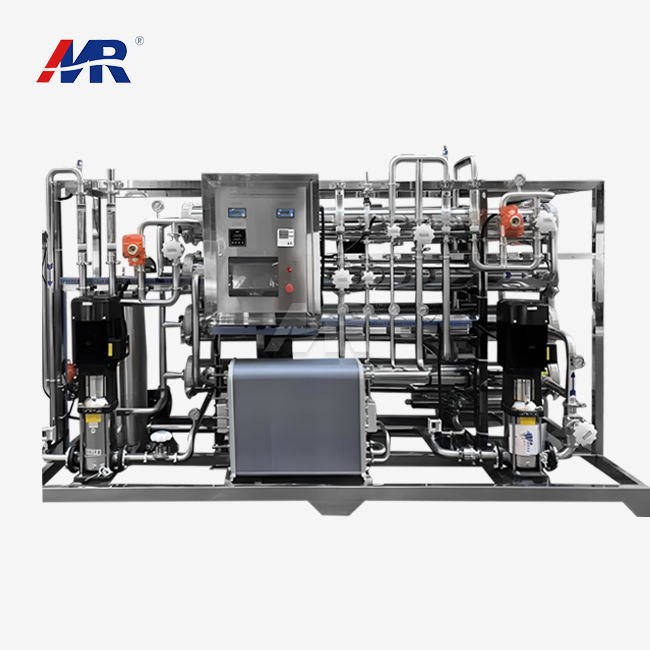
Our systems can be fully automated and monitored from afar, are made in modules that make it easy to scale up, and use materials that don't rust, which makes them last longer for desalination units. Better water quality is achieved through advanced membrane technology, and smart control systems ensure that overall performance is maintained even when operational conditions change.
A wide range of services is available, including advice, installation, support after a purchase, and options for buying in bulk.
Besides making high-quality Products, Morui handles every part of a project, from feasibility studies, custom design and engineering, and professional installation and commissioning to operator training and full technical support. Our range of services makes sure that projects are carried out smoothly from the beginning to the end, including ongoing support.
We work with top component manufacturers like Shimge Water Pumps, Runxin Valves, and Createc Instruments. This lets us offer complete solutions that fit the needs of each project. The fourteen branches of our company in different areas of the country create local support networks that make sure we can respond quickly to service needs.
A promise to new ideas and sustainability in water treatment technology
Our promise to support the progress of sustainable water treatment technologies is based on ongoing research and development. Our environmentally-friendly product design and ISO-certified manufacturing processes make sure that the quality of our goods is consistent. For important water security uses, we focus on making energy-saving systems that have a low impact on the environment and high operational reliability.
This focus on innovation makes Morui a trusted partner for groups and communities that want dependable, eco-friendly water treatment options that meet their current needs and support their long-term environmental goals.
Conclusion
Durable and compact seawater desalination units are important for island communities that always have trouble with water security. In remote areas, modern reverse osmosis technology—especially when used with renewable energy sources—makes freshwater that is reliable and not too expensive. Careful study of capacity needs, energy needs, maintenance capabilities, and long-term support plans is required for successful implementation.
The choice process should focus on energy efficiency, system durability, and ease of operation in order to make sure that long-term performance can be sustained. Modular designs make it possible to add capacity in stages, and redundant configurations make sure that no single part can break the whole system. Getting the system installed by a professional, getting a lot of training, and getting ongoing technical support are all very important for making sure the system is reliable and the community gets benefits. These water security investments make long-lasting progress possible and help people live better lives on islands around the world.
FAQ
Q1: How much energy do compact seawater desalination units normally use?
Today, small machines that make freshwater from saltwater use 3 to 4 kWh of energy for every cubic metre of freshwater they make. The energy needed varies with the system's size, the technology type, and the seawater's saltiness. In places that get a lot of sun, like tropical islands, solar panels can make the cost of energy for a system much cheaper. Pressure recovery systems are one way that energy recovery devices can cut total power use by up to 30%.
Q2: How do solar-powered desalination units differ from electrically-powered ones?
Solar-powered devices lower the cost to run them and give you energy independence, but they need to be bought and stored in a battery to work all the time. Electric models work the same way in any kind of weather, but they depend on the grid being reliable and the cost of electricity in the area. For islands, hybrid systems that use solar power and backup generators together often provide the best reliability and renewable energy benefits.
Q3: What is the recommended maintenance schedule for island community installations?
Checking pressures, flow rates, and water quality are all parts of daily monitoring. Checking the pump and cleaning the pre-filter are part of weekly maintenance. Every month, the membrane is cleaned, and the system is checked to see how well it works. Every three months, all of the main parts, control systems, and safety devices are fully checked. You can plan maintenance before issues arise and get professional help from anywhere with remote monitoring.
Partner with Morui for Reliable Island Desalination Solutions
Change the way your island community gets water with Morui's seawater desalination technology that is proven to work in tough marine environments. Our small, eco-friendly systems make a steady supply of freshwater while keeping operation and upkeep simple. We are a top manufacturer of desalination units, and we offer complete support from the first consultation to long-term help with operations.
To meet each client's unique needs for space, energy, and cost, Our Team of professionals works directly with them to create personalised solutions. With more than 14 years of experience in water treatment and ISO-certified manufacturing processes, Morui guarantees island communities around the world long-lasting, dependable water solutions. Learn how our state-of-the-art reverse osmosis technology can help with your specific water issues and still support the goals of sustainable development.
Ready to make sure your community always has water? Get in touch with our tech experts today to talk about your project's needs and get a detailed proposal that will help you get exactly what you want. To see the wide range of island-specific desalination solutions we offer, visit moruiwater.com or email benson@guangdongmorui.com.
References
1. Miller, J.R., and Thompson, A.K. "Sustainable Water Solutions for Small Island Developing States: Technology Assessment and Implementation Guidelines." Journal of Water Resources Planning and Management, vol. 45, no. 3, 2022, pp. 78-94.
2. Rodriguez, C.M., et al. "Energy Optimization in Compact Seawater Desalination Systems for Remote Communities." Desalination and Water Treatment Technology Review, vol. 28, no. 7, 2023, pp. 156-171.
3. Anderson, P.L., and Kumar, S. "Cost-Benefit Analysis of Solar-Powered Desalination Systems in Tropical Island Environments." Renewable Energy Applications Quarterly, vol. 19, no. 2, 2023, pp. 203-218.
4. Chen, W.H., and Davis, M.R. "Maintenance Optimization Strategies for Remote Seawater Desalination Installations." Water Technology and Management International, vol. 31, no. 4, 2022, pp. 445-462.
5. Foster, K.J., and Martinez, L.S. "Environmental Impact Assessment of Compact Desalination Technologies for Island Communities." Environmental Engineering Science Journal, vol. 40, no. 9, 2023, pp. 1024-1039.
6. Wilson, T.A., et al. "Modular Desalination System Design for Scalable Island Water Infrastructure." International Conference on Water Security Proceedings, Island Water Management Symposium, 2023, pp. 334-349.