_1745823981883.webp)

Industrial seawater desalination is a game-changing solution for factories on the coast that need a reliable source of high-quality water. Using advanced technologies, modern desalination machines turn saltwater into clean, usable freshwater. This helps with serious water shortage issues and makes environmentally friendly manufacturing possible. The right desalination equipment makes operations more efficient, lowers costs in the long term, and lets factories keep making the same amount of product no matter how much freshwater is available in the area. This all-in-one guide gives B2B buyers the important information they need about how desalination works, how to choose the right technology, how to keep things working, and how to rate potential suppliers.

Understanding Industrial Seawater Desalination Machines
Industrial desalination systems turn seawater into freshwater for use in manufacturing. They do this by using well-known methods like thermal distillation, reverse osmosis, and electrodialysis. These high-tech machines are capable of handling between 1,000 and 100,000 cubic metres per day, making them suitable for a lot of different tasks in a variety of industries.
Key Technologies for Cleaning Water Systems
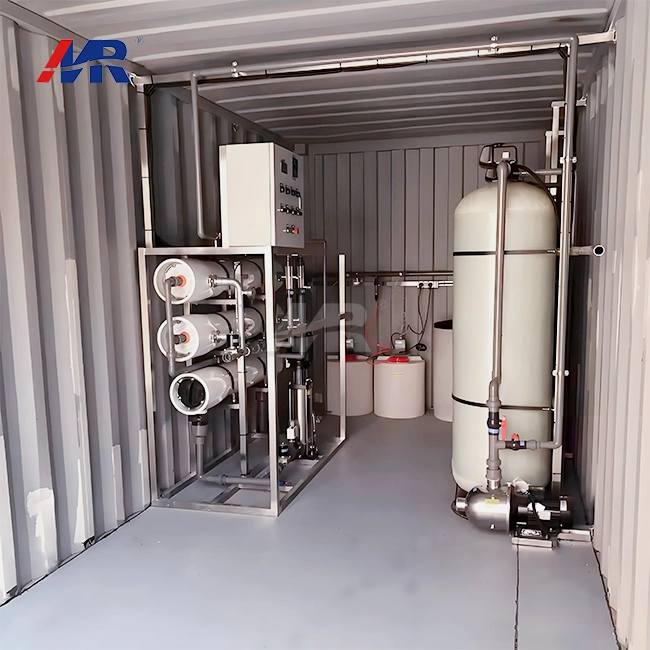
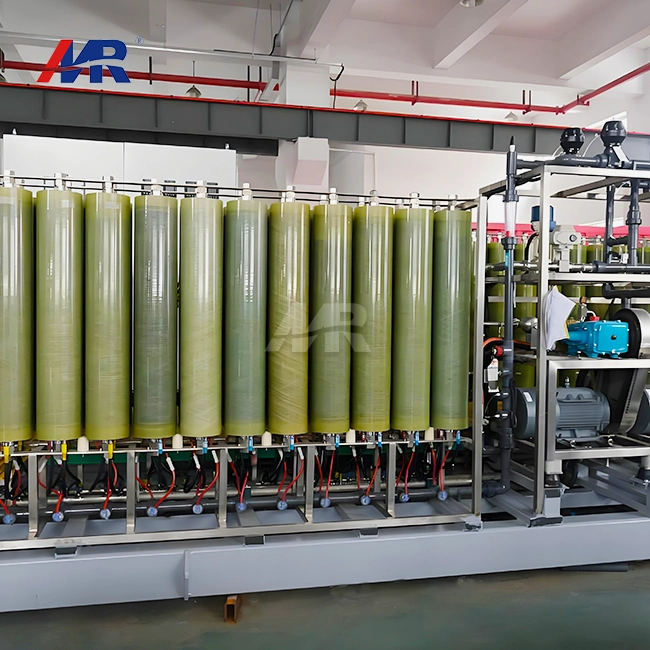
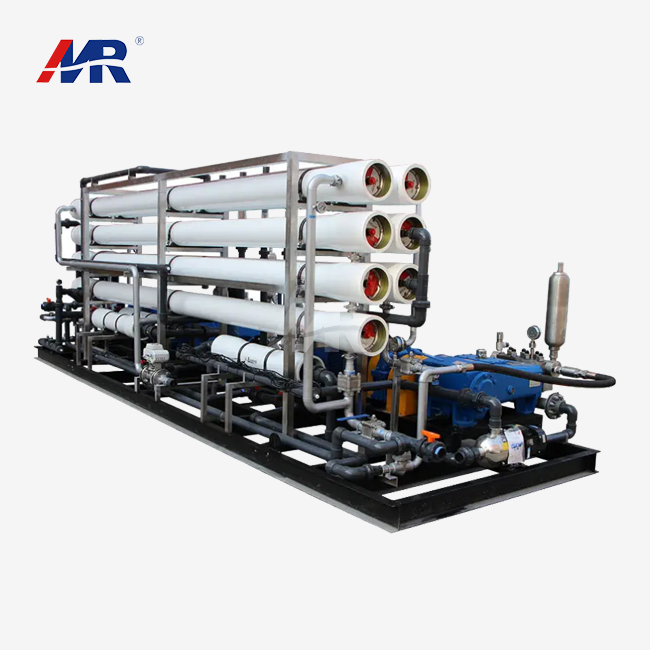
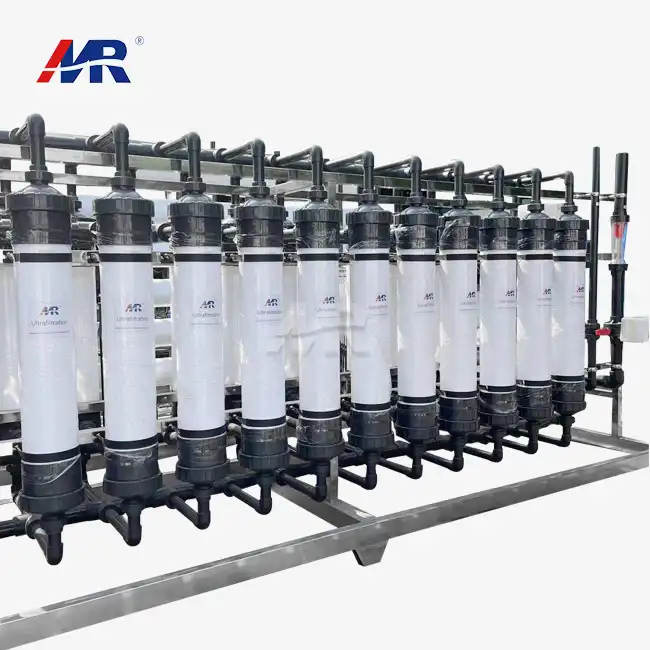
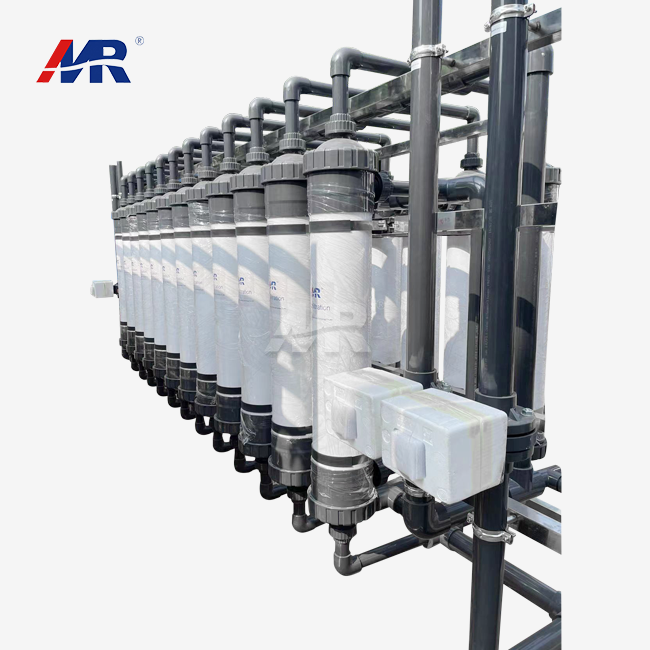
The reverse osmosis method is the most popular way to get salt from water in the industrial sector because it is dependable and doesn't use much energy. In this method, filters with very small holes are used to push seawater through at high pressure. This cleans the water by getting rid of the salt and other things that aren't supposed to be there. Advanced RO systems only need 3 kWh of energy per cubic metre of water, but they can still get up to 45% of the water back. This allows factories to run continuously at a very low cost.
For some purposes, especially in the semiconductor and medicine fields, desalination machines that use thermal distillation methods are still a good way to make ultra-pure water. These systems start by using heat to make seawater evaporate. Then, they cool down the vapour. This process makes distilled water that doesn't have any solids or other things that could mess up the water.
System Information and Capacity Planning
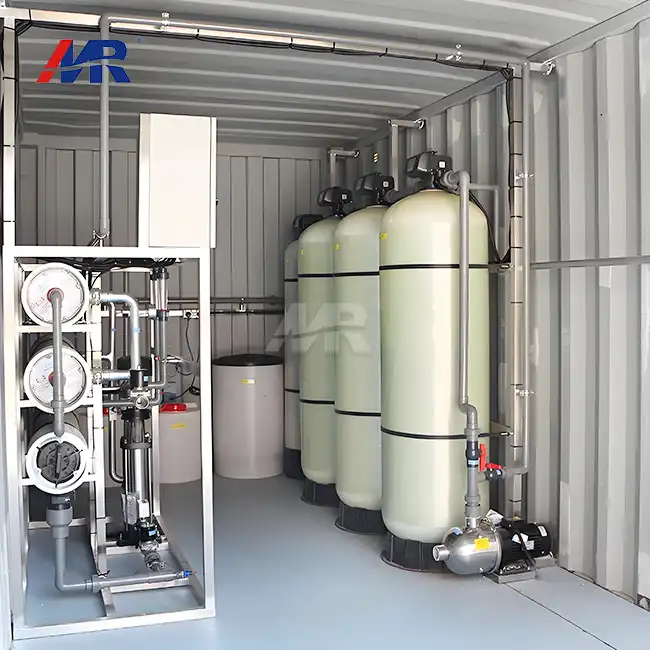
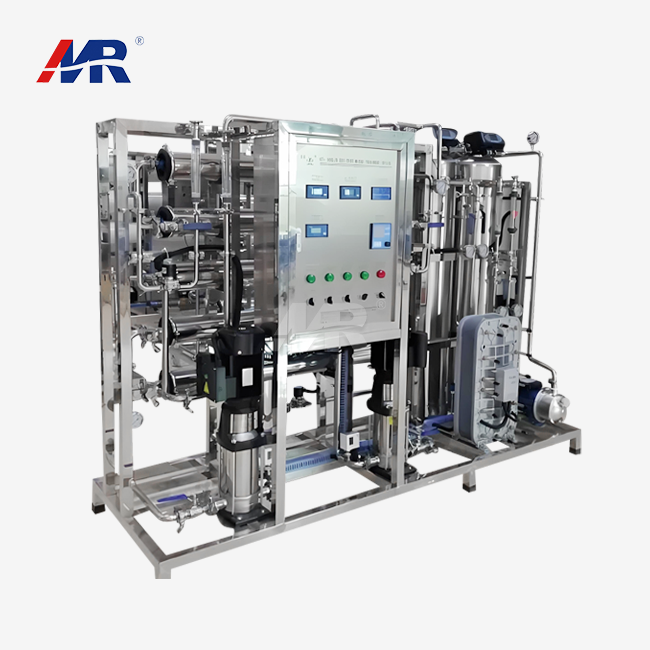
Today's desalination plants use modular designs that allow the factories to change how much water they produce to meet the needs of different areas. In already-built structures, compact footprints make the best use of space, and fully automated operation with remote monitoring capabilities lowers the cost of labour and guarantees consistent performance. Intelligent control systems constantly change how they use energy and check the quality of the water.
How to Choose the Best Industrial Desalination Machine for Your Factory?
The best desalination equipment depends on many things, such as how much water it can make, how much energy it uses, how much it costs to run, and how often it needs to be fixed. The people who make decisions need to think about their factory's water quality standards, the space they have, and how it will work with the infrastructure that is already in place.
Capacity needs and energy efficiency are being looked at.
The main thing to think about is how much water is used and how much the desalination machines can handle. Factories should look at peak demand times, changes that come with the seasons, and plans for the future when they choose the right size equipment. How energy efficient a system is directly affects how much it costs to run, and newer RO systems provide big benefits over older thermal systems.
When choosing desalination systems, these are the most important things to think about:
- Needs for water production every day: Figure out the best system size in the 1,000 to 100,000 m³/day range by looking at current use and expected growth.
- Energy consumption rates: Look at different kinds of technology. Reverse osmosis systems use as little as 3 kWh/m³, which is very cost-effective.
- Rate of recovery optimisation: modern systems can recover up to 45% of materials, which lowers waste and improves overall sustainability.
- Automation capabilities: Fully automated systems with remote monitoring make operations simpler and make sure they always work the same way.
These evaluation criteria help factories make smart choices that find a balance between the costs of the first investment and the benefits to operations in the long run. This makes sure that the equipment investment pays off in the best possible way.
Applications and needs for specific industries
Different industries require different levels of water quality and system setup. Biotechnology and pharmaceutical companies need GMP-compliant systems that make ultrapure water. On the other hand, food and drink makers focus on making sure that the quality of their production processes is always the same. Electronics and semiconductor factories need very clean water for their precision manufacturing operations.
Maintenance and Performance Optimisation for Industrial Desalination Machines
Maintenance keeps systems running, tools from breaking, and water quality good. Avoid costly downtime with proactive maintenance that optimises energy and operations.
Maintenance Preventive
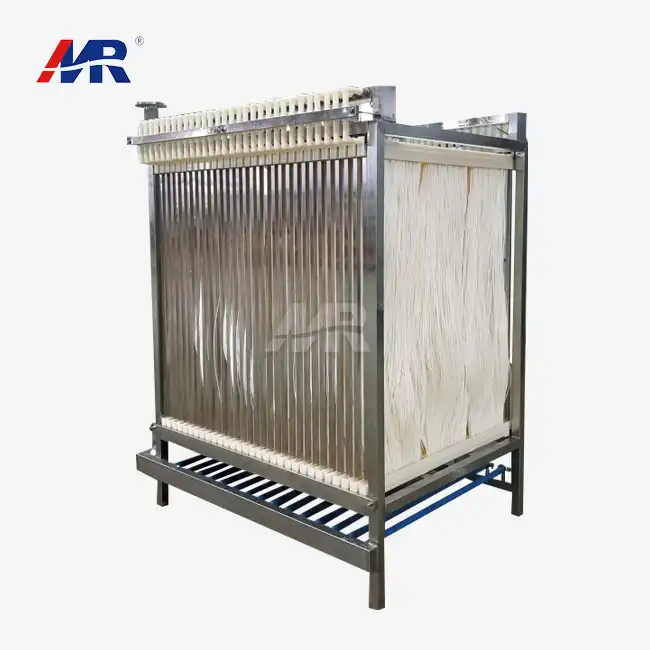
Cleanliness and membrane replacement prolong the desalination machines system life. Scaling, fouling, and performance loss can be detected before production by advanced monitoring systems. Non-degradable materials in today's systems extend tool life and reduce repair costs.
KPIs are checked daily, the system is cleaned weekly, and full inspections are conducted monthly. All follow a maintenance schedule. This ensures efficiency and early problem detection.
Monitoring and Improving Performance
Intelligent control systems monitor energy, water, and system performance. Operators optimise machine setup with real-time data analysis. Protects drinking water and saves energy. Tech support can help immediately via remote monitoring.
Procurement and Supplier Guide for Industrial Desalination Machines
For procurement to work, you need to do a lot of things, like evaluate suppliers, look at warranty coverage, and understand how after-sales support works. Top manufacturers offer full solutions with design, installation, commissioning, and ongoing technical help.
Criteria for Choosing and Evaluating Suppliers
Suppliers you can trust show a lot of experience with water treatment technology, ISO-certified manufacturing processes, and successful histories in a range of industrial uses. A full-service company should offer help with all of these things: project planning, custom engineering design, installation, and training operators.
Buyers should look at a supplier's technical knowledge, quality Certifications, manufacturing capabilities, and customer references. It is more likely that projects will be successful and get long-term support from established companies with many branches and engineering teams.
Things to Think About When Investing and Ways to Pay for It
Decisions about where to get desalination machines affect both the operational budget and the capital expenditure. Suppliers often offer flexible financing options, like leasing agreements that make sure you can get access to new technology without having to spend a lot of money. For bigger installations, bulk order discounts and multi-system packages are two ways to save even more money.
About Morui's Industrial Desalination Solutions
Guangdong Morui Environmental Technology Co., Ltd. is a trusted company that provides industrial water treatment solutions. They specialise in cutting-edge systems for factories that need to be able to use seawater. In our extensive portfolio, we offer state-of-the-art reverse osmosis equipment with capacities ranging from 1,000 to 100,000 m³/day. These are made specifically for tough industrial settings.
Our Team of 20 engineers creates custom solutions that work perfectly with the factory's current systems. With more than 14 branches and 500 employees who are dedicated to their work, we help with every part of a project, from the first meeting to ongoing maintenance. Our in-house membrane production facility ensures quality control and competitive pricing, while partnerships with leading brands like Shimge Water Pumps and Runxin Valves make the system more reliable.
Each system has a modular design that makes it easy to scale up or down, is made of materials that resist corrosion to last longer, and has a smart control system that lets you monitor the desalination machines from afar and run it fully automatically. Our ISO-certified manufacturing methods guarantee consistent quality, and a full after-sales service guarantees the best long-term performance.
Conclusion
Industrial seawater desalination technology lets factories keep making water without freshwater sources, which may be scarce. goods regardless. ogy. label. Innovation machines are incredibly efficient, scalable, and automated, which helps them meet the needs of a wide range of industries, from manufacturing and pharmaceuticals to electronics and beyond. Carefully checking on the energy efficiency, capacity needs, and supplier abilities makes sure that the right equipment is chosen and the busiThese systems maintain water quality, lower costs, and reduce their environmental impact with proper care and performance-boosting.
FAQ
Q1: How long is the industrial equipment used for desalination normally good for?
A: If they are properly maintained, industrial desalination systems tend to work well for 15 to 20 years. ro membranes and other important parts need to be replaced every three to five years. If the main system infrastructure is cleaned and updated with new parts often, it can last a lot longer.
Q2: How does the price of energy change between various ways of desalination?
A: For every cubic metre of water they make, reverse osmosis systems use 3 to 4 kilowatt-hours (kWh) of energy, but thermal distillation processes need 8 to 12 kWh. RO technology is better at saving energy for most industrial uses, which makes things cheaper for the company.
Q3: Can you use renewable energy sources to power systems that remove salt from water?
A: Today's desalination machines can use solar panels, wind power, and other mixed systems of renewable energy. Thanks to this addition, the factory is more energy independent, and it costs less to run while producing less carbon.
Get Started with Morui's Industrial Desalination Solutions
Change the way your factory uses water with Morui's advanced seawater desalination machines that are made to work well and be reliable. Our skilled engineers offer personalised solutions based on your exact production needs. These are supported by full installation, training, and maintenance services. As a top maker of desalination machines, we use both cutting-edge technology and proven experience to make sure our water treatment solutions are long-lasting. Find out how our ISO-certified systems can help you get more done and spend less money. Email benson@guangdongmorui.com to get a full proposal and talk about your project's needs. Go to moruiwater.com for full technical details and examples of how our installations have worked in a range of industries.
References
1. Industrial Water Treatment Handbook: Advanced Desalination Technologies for Manufacturing Applications, Water Technology Publishers, 2023.
2. Global Seawater Desalination Market Analysis: Trends and Technologies in Industrial Applications, International Water Research Institute, 2024.
3. Energy Efficiency in Industrial Desalination: Comparative Analysis of Reverse Osmosis and Thermal Systems, Journal of Industrial Water Management, Volume 45, 2023.
4. Best Practices for Industrial Seawater Desalination: Equipment Selection and Maintenance Strategies, Water Treatment Engineering Quarterly, 2024.
5. Sustainable Water Solutions for Coastal Manufacturing: Case Studies in Industrial Desalination Implementation, Environmental Technology Review, 2023.
6. Advanced Membrane Technologies in Industrial Desalination: Performance Optimization and Cost Analysis, International Conference on Water Treatment Technologies, 2024.