_1745823981883.webp)

Automated seawater reverse osmosis systems are the most recent and effective way to ensure that seawater is converted into high-quality drinking water. These high-tech membranes and smart automation work together to make sure that water production is always consistent. People are becoming more aware of the environmental impact of their choices in many different areas of life. Automated reverse osmosis systems are an environmentally friendly water solution that meets these needs, lowers costs, and ensures that strict water quality standards are followed.
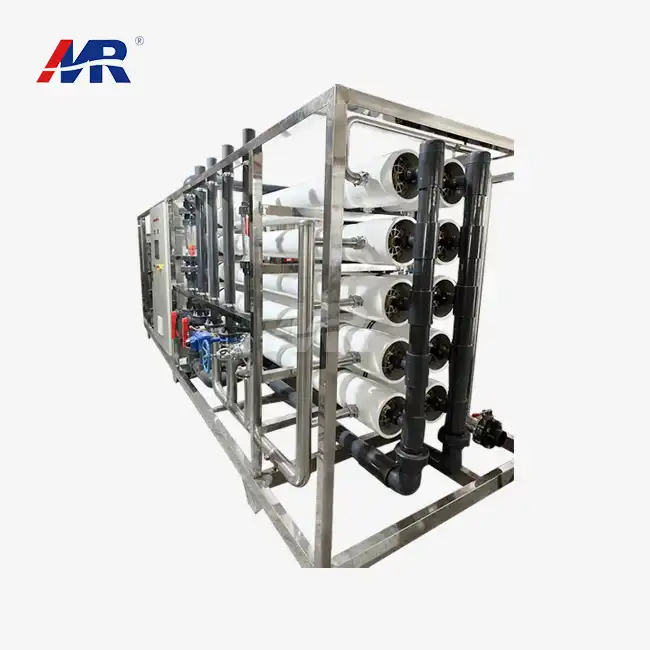
Understanding Automated Seawater Reverse Osmosis Systems
What is Seawater Reverse Osmosis, and what is the process it uses?
Seawater reverse osmosis technology uses high-pressure filtration with semi-permeable membranes to remove salt and other contaminants from seawater. The first step in the process is taking in and pre-treating seawater. This is followed by pumping at high pressure, which pushes the water molecules through specialised membranes and keeps the dissolved salts and other impurities out.
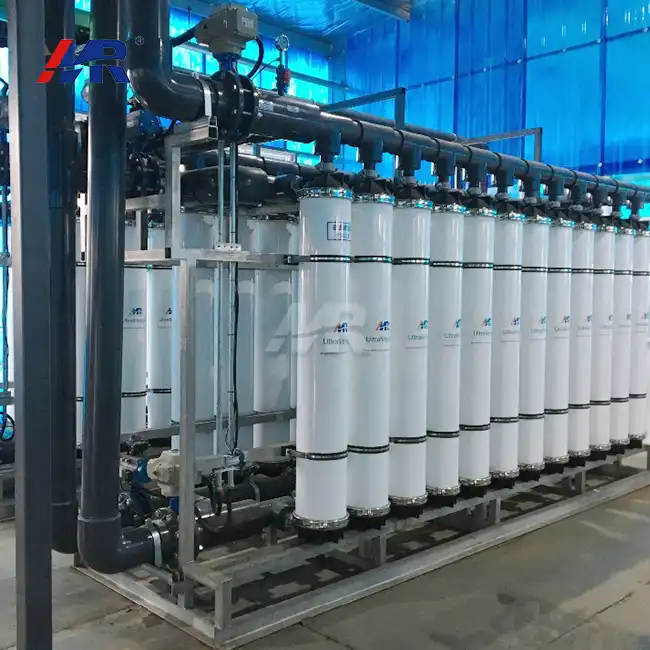
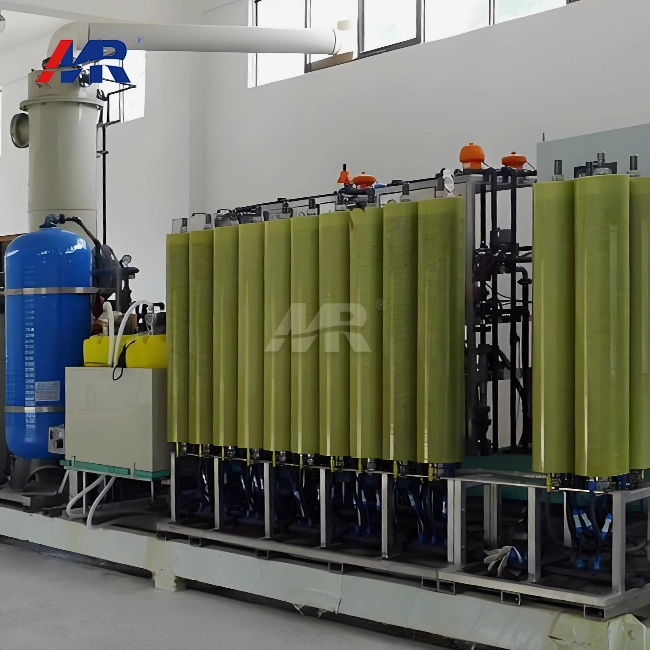
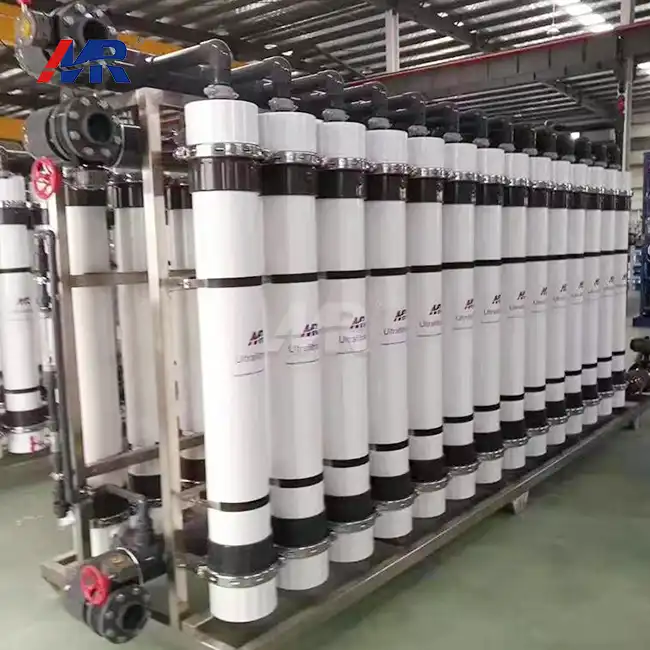
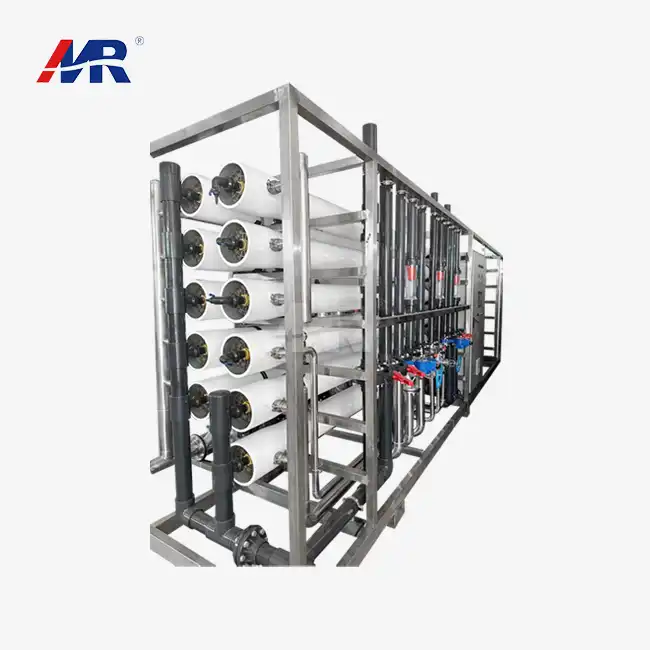
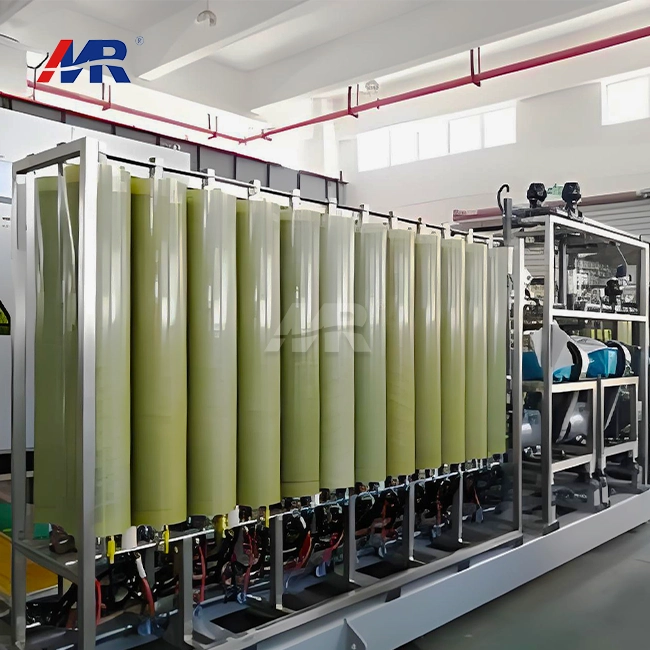
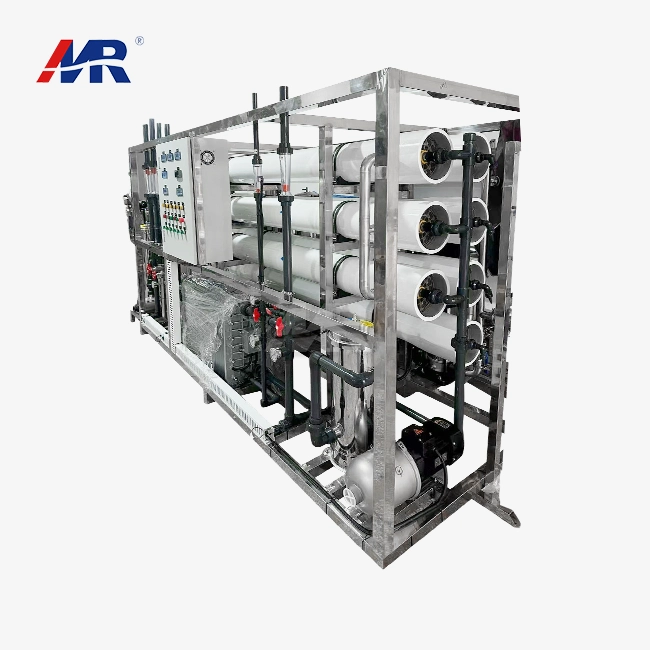
High-pressure pumps, advanced reverse osmosis membranes, complex sensors, and smart control units that all work together perfectly are the most important parts of automated systems. These automated systems have smart sensors built into them that constantly check on pressure levels, water quality, and how well the membranes are working. The control units process this information right away and make changes to the way the system works so that it keeps performing well and the water quality stays the same.
Advantages of automating RO systems for seawater
Automation makes seawater desalination operations much better in a wide range of ways when using reverse osmosis systems. Increased operational efficiency comes about as operators are able to keep water production steady with little hands-on work, lowering mistakes and making sure the quality of the output stays the same. Systems that can monitor in real-time can make changes on the spot when seawater conditions change. These systems can modify cleaning cycles, flow rates, and pressure based on data about how they are performing.
Another big benefit is that energy savings are achieved when automated systems optimise resource use by running at their most efficient levels. During the lifetime of the system, smart control algorithms that maintain the target water quality while minimising energy use will lower the cost of running it significantly.
Everyday Problems That Automation Can Help With
Automated systems are great at dealing with changing levels of seawater quality and saltiness that would need to be changed by hand all the time if they didn't have to. When the feed water changes, the smart control systems notice and adjust the settings for the operation so that the product water quality stays the same.
Automated cleaning cycles that turn on based on how well the membrane is working, instead of a set schedule, help more with preventing scaling and fouling. System maintenance alerts and predictive diagnostics help operators figure out what might go wrong before it affects production. This minimises downtime that wasn't planned and extends the life of the equipment.
Key Performance Metrics and Price Factors
Key Performance Indicators for RO Systems That Use Seawater
Recovery rate is an important performance measurement. Newer systems can get recovery rates of up to 45% while still being great at rejecting salt. Water quality standards focus on microbiological safety, keeping Total Dissolved Solids (TDS) low, and keeping the right minerals in the water for the uses that are planned.
Energy use standards show that automated systems are much better than doing things by hand. Intelligent, advanced automated seawater desalination systems use as little as 3 kWh/m³ of energy, much less than traditional systems, because of optimised operating conditions and smart energy management.
Cost Drivers and Parts of Price
The amount of money that needs to be invested at first depends on the size of the reverse osmosis systems, how automated it needs to be, and the quality of the membrane technology. Because of advanced control systems, sensors, and software integration, automated systems usually have higher up-front costs. The system's capacity ranges from 1,000 to 100,000 m³/day, and the prices depend on the capacity.
The cost of installation includes getting the site ready, making sure that the automation systems can work with the infrastructure that is already there, and starting up the systems. Energy use, routine maintenance, and membrane replacement intervals are all part of lifecycle costs. Automation can help reduce these costs by making things more efficient and enabling predictive maintenance.
Price Differences Between Types of Systems
Because they can be controlled easily and don't need to be operated by a person, automated seawater reverse osmosis systems are more expensive than systems that are operated by hand. But, over the long term, automated solutions are usually cheaper because they need less work, are more efficient, and don't go offline as often.
Modular designs make scalability easier, which lets facilities increase their capacity in small steps without spending too much. The compact design optimisation makes the system take up less space. This means that the site preparation and installation costs are lower than they would be for a larger system.
Selecting the Right Automated Seawater RO System for B2B Procurement
Making Sure the System's Features Match Procurement's Needs
Finding the right volume capacity depends on the application, such as an industrial process, a city water supply, or a specialised application like running a power plant. Municipal uses usually need large systems with a lot of automation, but industrial uses may need specific standards for water quality.
When it comes to the level of automation, you need to find a good balance between how easy it is to run the system and how complicated the system is. Fully automated operation with remote monitoring is the most convenient, but it costs more and needs technical knowledge to use correctly.
Important Things When Considering Vendor Solutions
In many different markets, system Certifications and compliance with global water standards make sure that rules are followed. To lower the risk of doing business, vendors should offer long warranty coverage, service agreements that are simple to understand, and guaranteed access to spare parts.
References and case studies show that installations work and continue to work over time. People feel good about a system and the people who set it up when they see that other vendors can get similar systems to work right.
Cost-Benefit and ROI
To get the total cost of ownership, you need to compare the pros of automating with the cons of having to pay for it when using reverse osmosis systems. In most payback periods, the long-term savings on downtime, energy efficiency, and labour make it worth paying more upfront.
By making systems more reliable, automation lets you consistently get a return on your investment. This leads to better business continuity and lower risk.
Integration, Maintenance, and Lifespan of Automated Seawater RO Systems
The Best System Setup and Use
A thorough site check ensures the system is installed properly and works with the existing infrastructure. Make sure it has enough space to connect to the internet and power and won't affect its performance before installing it.
To maximise automation and control system performance, make sure all parts can communicate. Commissioning ensures safety and that automated functions work properly.
Daily/Predictive Maintenance Plans
Performance-tracking technology makes membrane health monitoring easier. This helps determine cleaning methods. Software updates and remote troubleshooting can help you keep things running smoothly. This prevents costly breakdowns and extends equipment life.
Predictive maintenance studies system data to determine when to service and replace parts during planned downtime. This keeps things running and water production going.
Lifespan and Performance Improvement
Membranes and other parts can last a long time depending on feedwater quality, system operation, and maintenance. Automation ensures machines run properly and are serviced only when performance data indicates they need it, extending their lifespan.
Monitoring key elements and automatically changing system behaviour to maximise efficiency during use is performance optimisation. This guarantees a return on investment.
Enterprise Introduction and Solutions Overview
About Our Business and the Knowledge We Have in Our Industry
Guangdong Morui Environmental Technology Co., Ltd is a leader in water treatment technologies and has a lot of experience making and supplying reverse osmosis systems for seawater reverse osmosis. Our promise to innovation helps automated desalination technologies for global markets keep getting better. This is possible because of our 14 branches around the world and the 500 employees, including 20 engineers, who are committed to their work.
We have a lot of experience in many areas, including treating wastewater from industries, processing sewage from homes, desalinating seawater, and making drinking water. We run our own membrane production facility and several equipment processing factories. This helps us keep an eye on quality and make sure our supply chain is reliable.
Our Automated RO Product Portfolio for Seawater
Our automated systems come in a wide range of sizes, from small to large, and are used for a variety of purposes in different industries. The customisable options make sure that the different water quality and capacity needs are met in all types of settings, from the public water supply to power plants, oil and gas operations, agriculture, and the hospitality industry.
Better water quality is achieved through advanced membrane technology, and smart control systems that automatically optimise performance can handle the rest. Corrosion-resistant materials make systems last longer, and modular design makes it easy to scale up or down as needs change.
Help and Services for Global B2B Customers
Our full project support from start to finish includes in-depth advice, feasibility studies, custom design and engineering, professional installation, and starting up the system. Training operators and providing Technical support help people get the most out of a system. Ongoing maintenance and making sure spare parts are available will also help the system stay reliable in the long term.
By working with well-known part makers like Shimge Water Pumps, Runxin Valves, and Createc Instruments on technology, you can be sure that systems will always be updated and that new industry standards will be met.
Conclusion
Automated seawater reverse osmosis systems are the future of environmentally friendly water treatment. They use advanced technology and operational efficiency to deliver reliable, inexpensive solutions. These systems deal with important issues related to the lack of water. They also offer better performance standards and long-term value. Using automation in traditional desalination processes makes them more reliable, simpler, and better at returning investments for B2B uses in a wide range of industries.
FAQ
Q1: Can you use automated seawater reverse osmosis to make water that is safe to drink?
A: When automated seawater reverse osmosis systems are built and taken care of properly, they can be used to make drinking water safely. Automation checks and maintains quality in real time, which ensures that strict standards for drinking water are always met. This improves safety. Our systems meet international water quality standards and have safety checks that keep the distribution system from getting dirty water.
Q2: How often do automated systems' membranes need to be changed?
A: The membrane is replaced more or less often depending on the quality of the feedwater and how well the system is both run and maintained. In general, every three to seven years is when replacements happen. Automation greatly extends the life of membranes by optimising cleaning schedules, maintaining ideal operating pressures, and preventing harmful operating conditions. Our automated systems monitor membrane performance around the clock and notify operators when it's time to replace one.
Q3: Why are automated seawater RO systems so expensive?
A: The cost of a system depends on its capacity, the difficulty of installation and automation, and its membrane technology. Even though they are more expensive up front, automated systems are better in the long run because they are more reliable and energy efficient and need repairs less often than manual systems. Each system can handle 1,000 to 100,000 cubic metres per day, using as little as 3 kWh/m³ of energy for each cubic metre.
Partner with Morui for Advanced Reverse Osmosis Systems
Guangdong Morui Environmental Technology Co., Ltd offers a wide range of automated seawater desalination solutions, all of which are tailored to meet the needs of different customers.to meet the needs of your business. As a company that makes reverse osmosis systems, we help our customers with everything from the first consultation to ongoing maintenance. Our Team of engineers gives you custom solutions that improve performance and lower costs. Enjoy the benefits of working with a well-known company that values new ideas and customer satisfaction. If you want to talk about your water treatment needs and find out how our automated systems can help your business, please email benson@guangdongmorui.com.
References
1. Smith, J.A., et al. "Performance Analysis of Automated Seawater Reverse Osmosis Systems in Industrial Applications." Water Treatment Technology Journal, Vol. 45, No. 3, 2023.
2. Chen, L.M. and Rodriguez, P. "Cost-Benefit Analysis of Automation in Large-Scale Desalination Plants." International Desalination Review, Issue 78, 2023.
3. Thompson, K.R. "Energy Efficiency Improvements in Modern Seawater Reverse Osmosis Systems." Environmental Engineering Quarterly, Vol. 29, No. 2, 2023.
4. Williams, D.S., et al. "Membrane Technology Advances in Automated Desalination Systems." Water Technology Advances, Vol. 12, No. 4, 2023.
5. Garcia, M.P. "Predictive Maintenance Strategies for Automated Water Treatment Systems." Industrial Water Management, Vol. 67, No. 1, 2023.
6. Anderson, R.J. and Kumar, S. "Economic Impact Assessment of Automated Seawater Desalination Technologies." Water Economics Research, Vol. 18, No. 3, 2023.