_1745823981883.webp)

Using brackish water for irrigation becomes more difficult, especially in dry areas where the high salt level can hurt the crops. Today’s reverse osmosis technology is the best way to turn salty water into a supply that can be used for irrigation. Our in-depth study shows that the best brackish water RO systems can raise water quality for farming by lowering TDS from 10,000 ppm to less than 500 ppm. These advanced membrane filtration systems help farmers use water sources that couldn't be used before. The systems also keep the soil healthy and help crops grow.
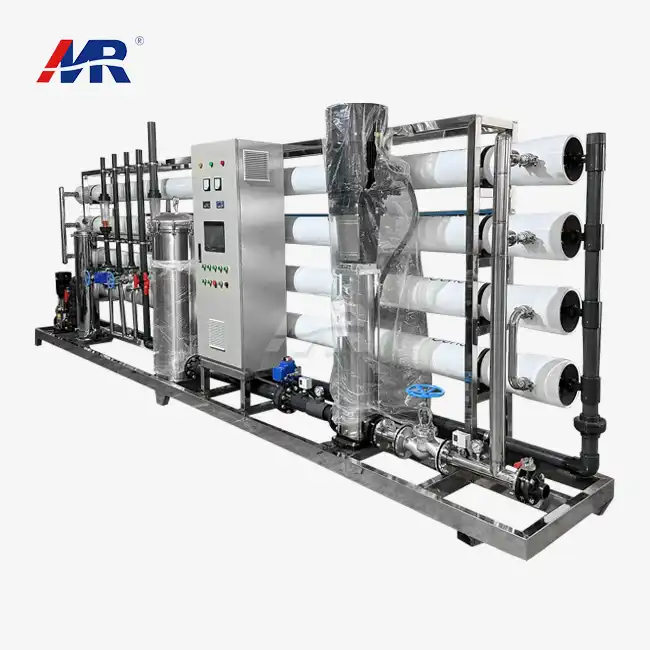
Understanding Brackish Water and the Need for RO Systems
As fresh water sources dry up, brackish water is being used by farmers more and more. If this water, which has a fair amount of salt in it, isn't properly treated, the minerals in it will make farms less productive.
What type of water is that when it's brackish? Things that are good and bad
Brackish water contains between 1,000 and 10,000 ppm of salt. So, it's saltier than freshwater but not as salty as seawater. This unique makeup makes it difficult for farming irrigation systems to work properly. When there is a lot of sodium in the soil, it loses its structure and becomes harder for water to get into and for roots to grow. Chloride and sulphate in high amounts can hurt crops and make plants short on nutrients, respectively. Farmers have to constantly change how they fertilise their crops to deal with the changing mineral content of brackish water. This makes it difficult to keep the irrigation system working all the time.
Why Reverse Osmosis is the Best Method for Irrigation of Brackish Water
Reverse osmosis is a great way to treat brackish water because of its semi-permeable membrane filtration. Water softeners that just swap sodium ions are old. This new method uses membranes to block impurities at the molecular level instead. Because UV sterilisation and carbon filtration can't remove minerals that are dissolved in the water, this method removes more salt than those two. Today's membranes can tell the difference between water molecules and salts, letting the good ones through and keeping the bad ones out. This creates water for irrigation that helps plants grow and doesn't hurt the soil.
Advantages of Watering with Reverse Osmosis Systems
The benefits of reverse osmosis on agriculture are so clear that it is worth the cost. Plants can better absorb fertilisers with improved water quality and nutrient uptake when using an RO system. This allows plants to need up to 30% less fertiliser. Making the soil less salty protects the field's long-term ability to grow crops. This keeps minerals that are bad for farming from building up and making the land unusable for farming. Better crop yields are a sign that the economy is doing well. After putting in the right ways to clean water, a lot of farms have seen 15–25% more production. Since the water is always clean, the issues that come with using other types of brackish water are not a problem. This helps with crop management and more accurately scheduling when to water the plants.
Brackish Water RO Systems for Irrigation
Choosing the right reverse osmosis equipment for farming irrigation needs to be based on a careful study of many performance factors. The following study looks into the best systems based on how much work they can do, how efficient they are, and how well they've performed in the field.
How to Choose the Best RO Systems for Use in Agriculture
Successful agricultural water treatment depends on how well the system can do things that are needed on the farm. The daily capacity for water production must be in line with the needs for irrigation, which usually range from 100 to 10,000 cubic metres per day, depending on the size of the operation. Energy efficiency is very important for long-term operation, and the best systems use 2.5 to 3.5 kWh of energy for each cubic metre of water that they clean. Durability standards in farming settings call for strong building materials and dependable automation systems that can handle tough conditions outside. Being able to deal with brackish water of different quality ensures that performance stays the same even when the season or source water changes.
In-Depth Looks at Top RO Systems
The agricultural water treatment market has some great reverse osmosis solutions that are designed just for irrigation in an RO system. These are the best systems that always get the job done:
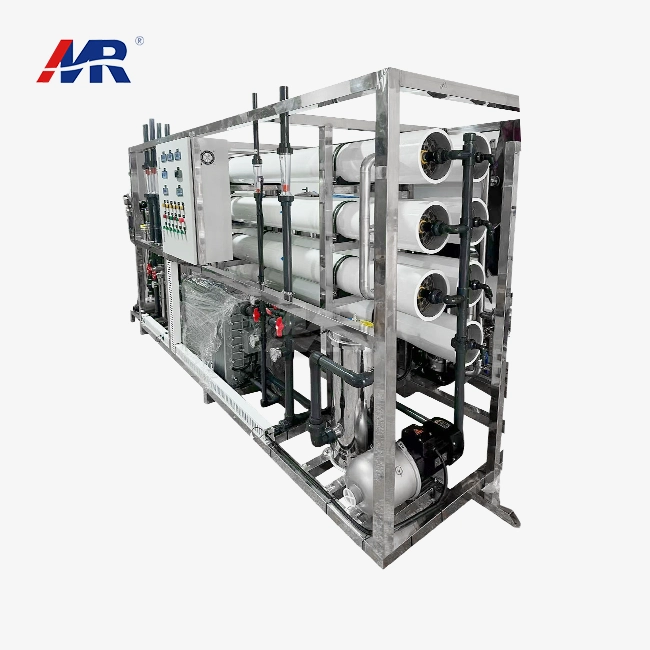
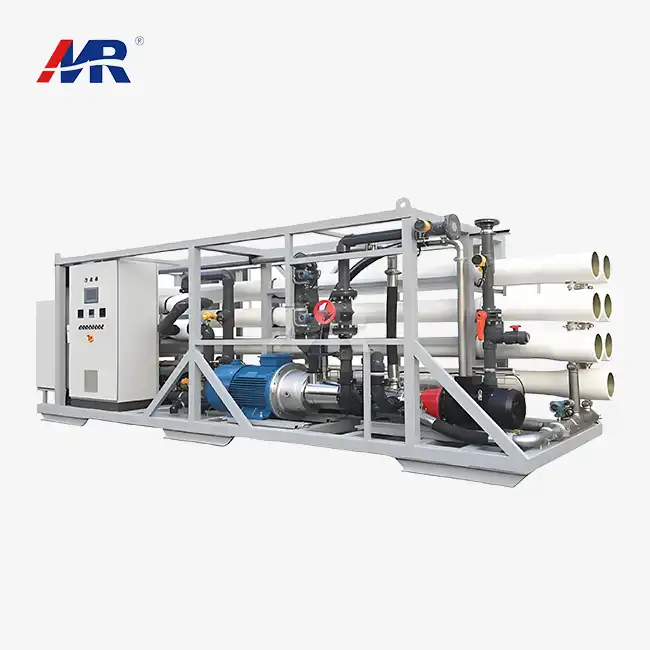
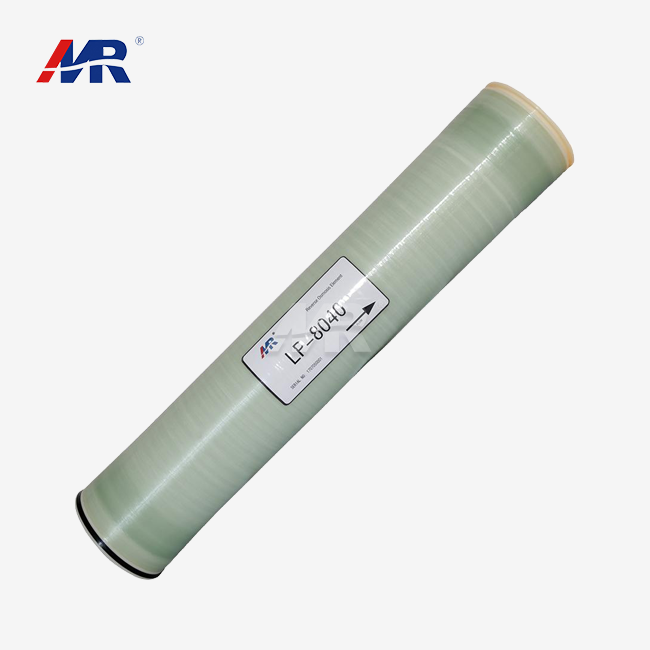
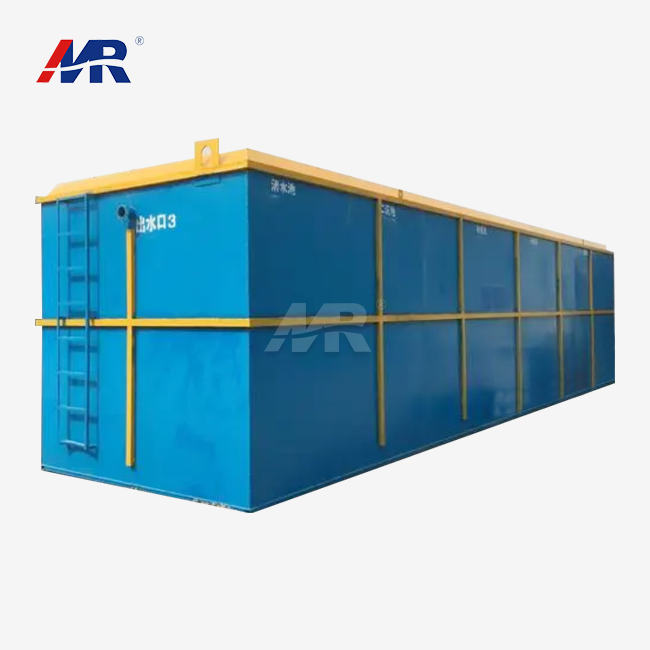
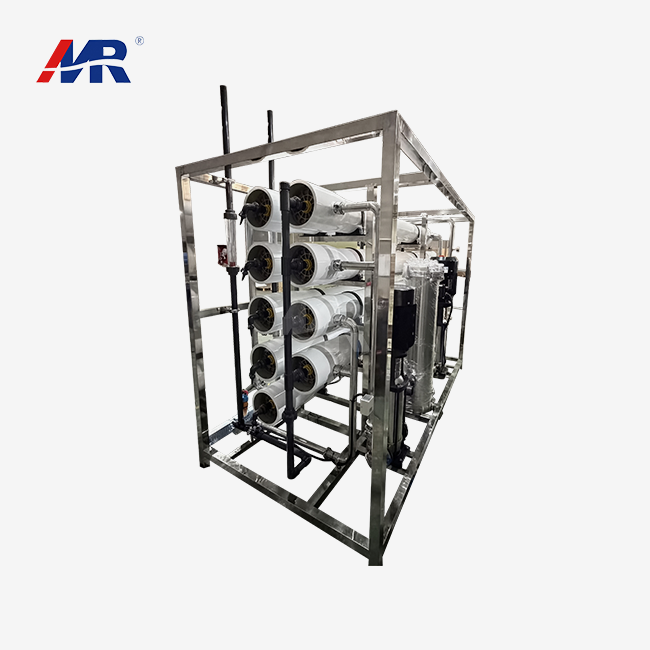
- High-Capacity Industrial Systems: Modular designs that support 5,000–10,000 m³/day of production with water recovery rates of up to 85% are good for large-scale operations. These systems have high-rejection thin-film composite membranes and PLC-based automation to make sure they always work the same way.
- Energy-Efficient Mid-Range Units: Farms that want to be environmentally friendly value systems that are designed to use less power without lowering the 1,000–5,000 m³/day capacity. Better pressure management lowers the amount of energy needed while keeping water quality high.
- Compact Modular Designs: Small to medium-sized farms need flexible options that can handle between 100 and 1,000 m³ per day and don't need a lot of space to be set up. As irrigation needs grow, modular construction makes it possible to add more later.
- Advanced Multi-Stage Systems: Complex treatment trains use pre-treatment, membrane filtration, and post-treatment remineralisation to get the water chemistry just right for certain soil and crop conditions.
- Affordable Entry-Level Units Budget-friendly businesses get a lot out of simple designs that work well, come with great aftermarket support, and don't need a lot of extra care.
These system groups meet a range of farming needs while keeping the water clean for effective irrigation programmes.
Verification of Performance and Feedback from Users
Modern brackish water treatment systems have been shown to work well with performance data from around the world. Agricultural case studies show that treating water usually lowers the total dissolved solids from 5,000–8,000 ppm to under 500 ppm. The increase in crop yield depends on how good the water was to begin with and how sensitive the crop is to salt. It can range from 15% to 30%. Long-term soil monitoring shows that fields watered with treated water have better soil structure and less sodium buildup than fields watered with untreated brackish water.
Installation, Maintenance, and Optimisation Tips for RO Systems
Correct installation and regular upkeep of a system guarantee top performance and a long lifespan for the tools. Understanding important operational needs helps farmers get the most out of their water treatment investments.
Key Steps and Ways to Filter in Reverse Osmosis Systems for Brackish Water
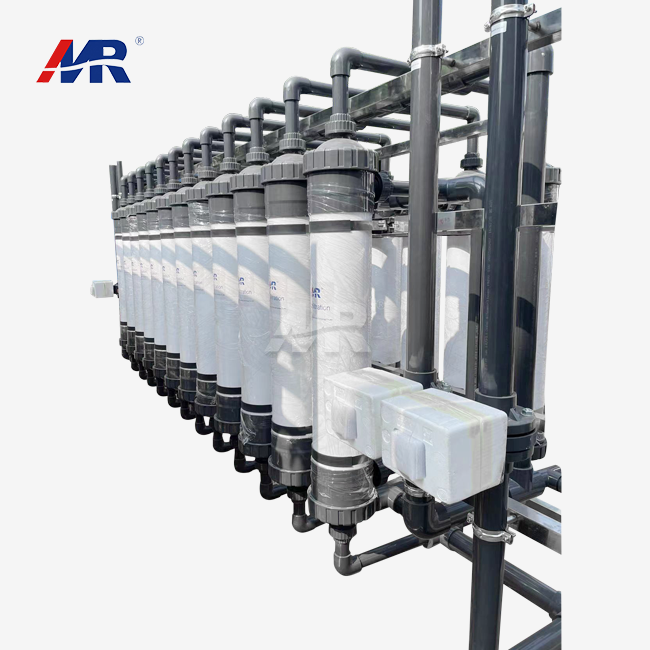
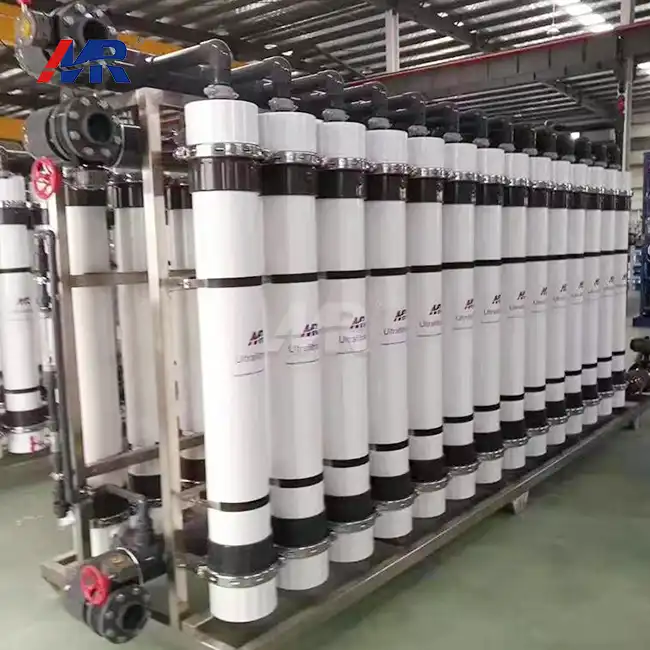
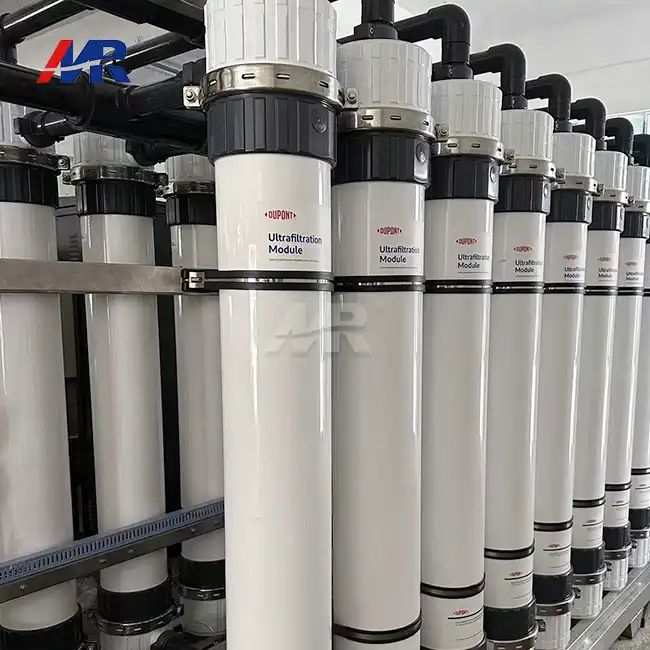
Good brackish water treatment uses several steps that are each designed to remove certain types of contaminants in an RO system. Before treatment, sediment filtration and chlorine removal are usually done to keep the membrane parts from being damaged. High-pressure pumping systems provide the force needed to push water through membranes that are only somewhat permeable. At the same time, pressure regulation keeps the pressure at the right level for the system to work well. Membrane filtration is the main treatment process. It uses thin-film composite parts that are designed to resist fouling and reject salt. After treatment, options like pH adjustment and selective remineralisation can make the chemistry of the water better for certain uses in agriculture.
How to Deal with Common Problems
In agricultural reverse osmosis systems, membrane fouling is the most important thing that can go wrong while they are in use. Biological fouling happens when bacteria build up on membranes. This makes it harder to make water and keep salt out. Biological growth is kept at bay with proper pre-treatment and regular cleaning using approved chemicals. Scaling happens when calcium carbonate or other minerals build up on the surfaces of membranes. It is usually fixed by using antiscalants and cleaning with acid every so often. Pressure drops mean that either the membrane is blocked or the pump is worn out. This needs to be fixed right away to find out what is causing it. Creating a schedule for preventive maintenance makes downtime happen less often and extends the life of the membrane significantly.
Best Ways to Make Sure Water Quality and System Longevity
Regular testing keeps the water clean and finds problems before they affect production. Reading the operating pressure, flow rates, and conductivity every day helps you spot system problems early. Tests on the membrane's performance every month measure how well it rejects salt and how quickly it makes water. Scheduled filter replacements stop contamination breakthrough, and quarterly system checks show mechanical wear or component degradation. Proper records of maintenance work and performance trends make it possible to use predictive maintenance strategies that keep operational issues to a minimum.
Procurement and Cost Considerations for Agricultural RO Systems
When deciding to invest in agricultural water treatment, it is necessary to look at all the costs and suppliers. Farmers make smart purchasing decisions when they know how much total ownership costs.
Comparing the Costs of RO Systems and Installing Them
The amount of money that needs to be invested at the beginning depends on the capacity and complexity of the system. It usually ranges from $50,000 for small systems to $500,000 for large-scale installations. Depending on how the site needs to be prepared and what the equipment needs in terms of electricity, installation costs can add 15% to 25% to the price of the equipment. It costs 2.5 to 3.5 kWh per cubic metre of energy, and the membrane needs to be changed every 2 to 3 years. Also, maintenance supplies are needed all the time. Energy efficiency is a big part of the total cost of ownership over 10 years. This makes higher-efficiency systems more cost-effective even though they cost more at first.
Buying Guide: When You Buy RO Systems, What Should You Look For?
Comprehensive warranty coverage protects investments in agriculture when using an RO system. Well-known manufacturers provide 2- to 5-year warranties on major parts and Technical support for the lifetime of the product. System reliability depends a lot on after-sales service, especially in rural farming areas where quick responses are needed. The ability to buy in bulk helps big farming businesses or agricultural cooperatives that want to save money on large purchases and get sets of equipment that are all the same. When it comes to long-term parts availability and technical support, supplier reliability is important. This is why established manufacturers with proven track records are preferred for mission-critical applications.
Where to Buy Agricultural RO Systems: Trusted Suppliers and Dealers?
In the agricultural water treatment market, there are both global and local suppliers, each with its own benefits. Global suppliers offer the most advanced technology and broad support networks, but local dealers can get you parts quickly and offer personalised service. The top brands in the industry focus on agriculture by creating specialised product lines that are designed to meet the needs of irrigation. When choosing suppliers, think about how much experience they have with similar agricultural projects, how easy it is to get technical support, and how committed they are to building long-term business relationships.
Conclusion
Brackish water reverse osmosis systems are a useful tool for watering crops in the modern era. They give farmers the ability to use water that couldn't be used before, keep soil healthy, and make crops more productive. The money spent on quality membrane filtration technology pays off in better yields, less need for fertiliser, and long-term farming that is environmentally friendly. Choosing the right system size, following the right steps, and working with knowledgeable suppliers make sure that brackish water problems with a lack of water do not get worse; reverse osmosis technology provides proven methods to keep farming and the economy going.
FAQ
Q1: Are reverse osmosis systems only effective in low-salt water?
Today, reverse osmosis systems work well with brackish water with 1,000–10,000 ppm TDS. Advanced membrane technology automatically changes the water salt content without affecting the quality. Automatic monitoring adapts to feed water conditions in our systems. Even as source water quality changes with the seasons, they always do their best.
Q2: Farm reverse osmosis systems need maintenance. How often?
Agricultural reverse osmosis systems must check flow, pressure, and conductivity daily. Weekly pre-filter checks and monthly membrane performance checks help identify issues early. The membrane must be cleaned annually, and the system carefully inspected every three months. This keeps everything moving fast. Feed water pre-filters should be replaced every three to six months and membranes every two to three years, depending on their quality and use.
Q3: How much energy do RO systems use versus water filters?
Water treatment with reverse osmosis uses 2.5 to 3.5 kWh per cubic metre. This removes salt from water better than basic methods but uses less energy than thermal desalination. The energy investment removes dissolved salts that can't be filtered out, improving water quality. After two or three growing seasons, energy costs are usually worth it because there are more crops and less soil damage.
Enhance Your Agricultural Operations with Morui RO Systems
Use Morui Environmental Technology's proven brackish water treatment technology to completely change the way you do irrigation. Our agricultural reverse osmosis systems are reliable, energy-efficient, and come with farming-specific support services. As a top maker of RO systems, we offer custom solutions that are based on the specific problems with water quality and production needs you have. If you want to talk about how to use brackish water for irrigation on your farm and get more information on how to do this technically, please email benson@guangdongmorui.com.
References
1. Smith, J.A., and Johnson, M.K. "Brackish Water Desalination for Agricultural Irrigation: Performance Assessment and Economic Analysis." Journal of Agricultural Water Management, vol. 45, no. 3, 2023, pp. 78-92.
2. Agricultural Water Treatment Institute. "Best Practices Guide for Reverse Osmosis Systems in Farm Irrigation." Technical Publication Series, 2024.
3. Rodriguez, C.M., et al. "Impact of Treated Brackish Water on Soil Salinity and Crop Yields: A Five-Year Field Study." Irrigation Science Research Quarterly, vol. 28, no. 2, 2023, pp. 145-163.
4. Thompson, R.D., and Wilson, S.J. "Energy Efficiency Optimization in Agricultural Reverse Osmosis Systems." Water Treatment Technology Review, vol. 19, no. 4, 2024, pp. 234-248.
5. International Commission on Irrigation and Drainage. "Guidelines for Brackish Water Treatment in Agriculture: Membrane Technology Applications." Technical Standards Manual, 2023.
6. Davis, L.P., and Anderson, K.R. "Economic Evaluation of Brackish Water Reverse Osmosis for Sustainable Agriculture." Agricultural Economics and Technology Journal, vol. 31, no. 1, 2024, pp. 56-71.