_1745823981883.webp)

Reverse Osmosis Devices in Pharmaceutical Water Preparation: Ensuring Purity and Safety
In the pharmaceutical industry, meeting exact water cleanliness standards is still very important for making sure that Products are safe and that regulations are followed. Reverse Osmosis Devices offer the molecular-level filtration required to get rid of contaminants, dissolved salts, and germs that could make medicine preparations less effective. These high-tech systems use semipermeable membranes to make sure that pharmaceutical-grade water meets strict USP and EP standards. This makes them essential for modern pharmaceutical operations that need to control water quality in a reliable and consistent way.
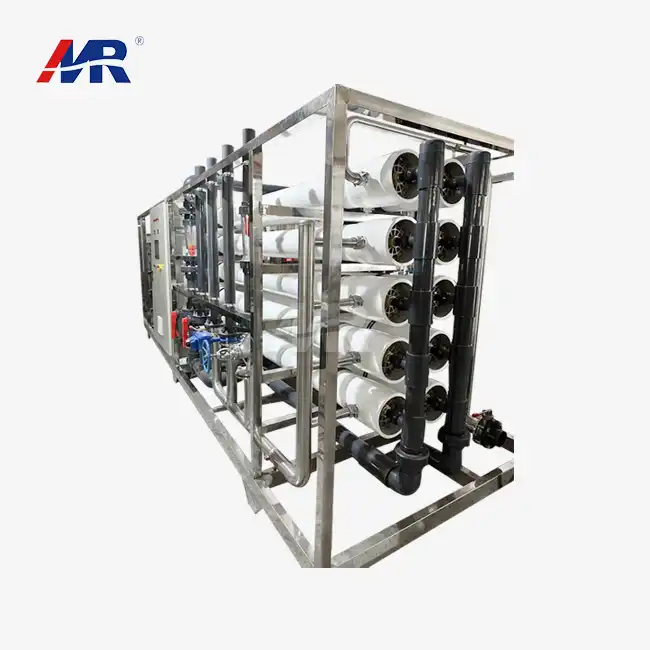
Understanding Reverse Osmosis Technology in Pharmaceutical Water Preparation
In the pharmaceutical industry, reverse osmosis is a key technique for cleaning water because it removes contaminants with unmatched accuracy. The process works with semipermeable barriers that stop particles as tiny as 0.0001 microns. This gets rid of dissolved salts, organic compounds, bacteria, and viruses that could make medicinal goods less safe.
Operating Principles and Membrane Functionality
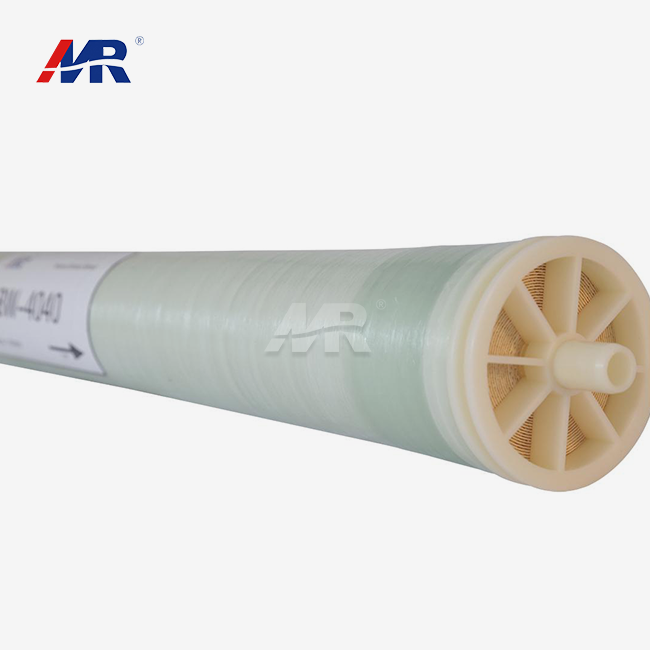
Pressure is used in reverse osmosis to push water molecules through special filters while bigger contaminants are pushed out. Carbon filters get rid of chlorine and volatile organic chemicals that could hurt the ro membrane as the water goes through the pre-filtration steps. Dirt and sand that could get stuck in the system are caught by sediment screens. After going through the RO membrane, the compressed water, which traps more impurities, is flushed away as waste.
The clean water with a lot fewer contaminants runs to a collection tank that holds about 2 to 4 gallons and is ready for use right away. Before getting to the final distribution place, the water goes through post-filtration stages to make it even better. These stages get rid of any leftover tastes or smells to make sure the quality is pharmaceutical-grade.
Comparative Advantages Over Alternative Methods
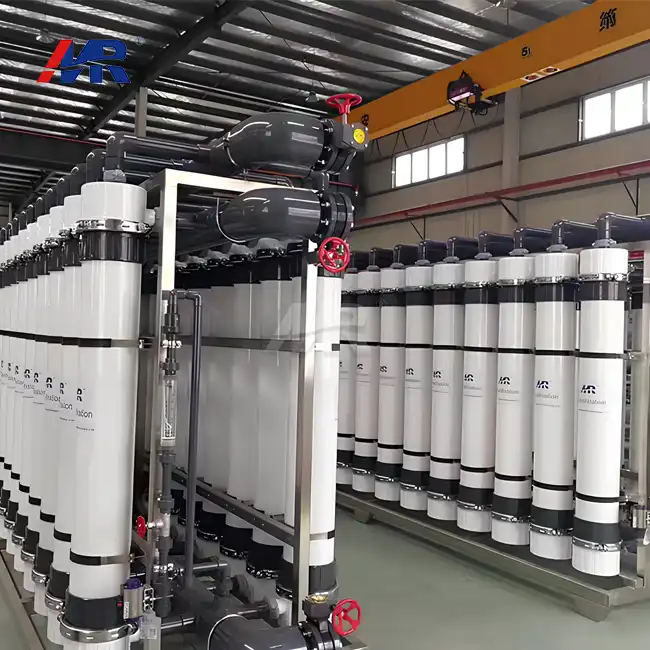
Compared to ultrafiltration and carbon filtration, Reverse Osmosis Devices RO technology is better at getting rid of contaminants. Ultrafiltration gets rid of bigger particles and some bacteria, but it can't get rid of dissolved salts and smaller organic molecules that RO membranes can. A carbon filter can fix problems with taste and smell, but it can't completely clean something like what is needed for medical uses.
Studies show that RO systems can get rid of up to 99% of heavy metals, bacteria, viruses, and total dissolved solids that are dissolved in water. Because of its high level of performance, RO is the best choice for pharmaceutical companies that have to follow strict rules and keep the water quality uniform across all production runs.
Core Components and Operation: Ensuring Efficiency and Reliability
Pharmaceutical RO systems have many parts that all work together to make sure that the water flow is always clean. Understanding these parts helps site managers get the most out of their systems and stay in line with regulations while they're running.
Essential System Components
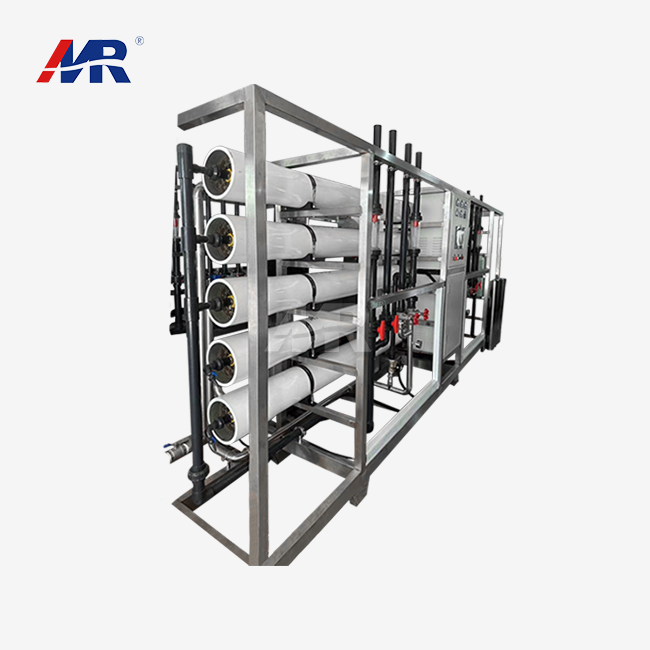
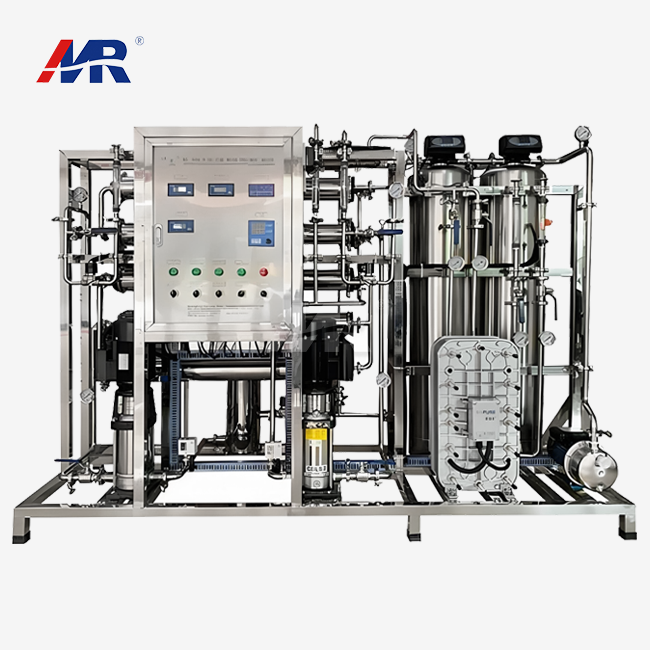
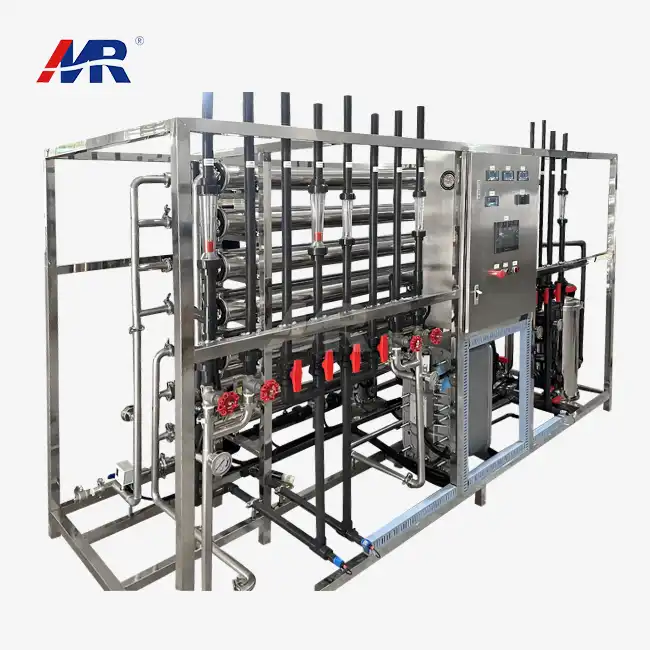
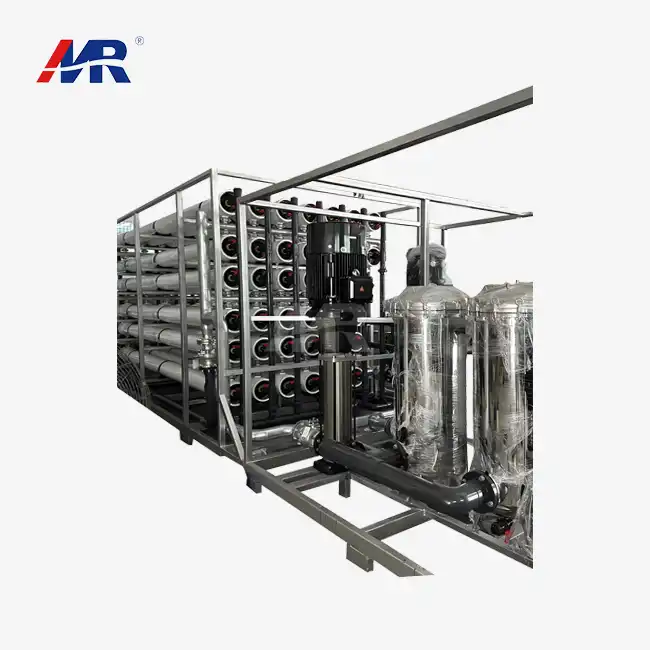
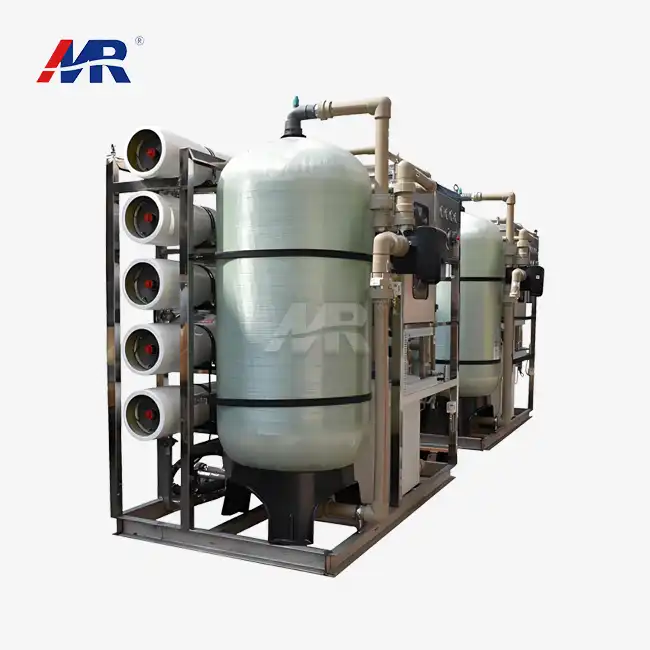
Modern pharmacy RO systems have a number of important parts that make sure the water quality is perfect. To keep membranes further down the line from getting damaged or clogged, pre-filtration units often have silt filters, carbon filters, and sometimes water softeners. The RO membrane assembly has thin-film composite or cellulose acetate membranes that are made for special uses in the medical industry.
Some of the parts that may be added to Reverse Osmosis Devices after the treatment are UV sterilizers to kill microbes even more, remineralization screens for certain pharmaceutical processes, and electrodeionization units for very pure water needs. Storage tanks that are built in a way that keeps them clean keep water from getting contaminated again, and systems that move water to places where it is used keep its quality while it is being moved.
Control systems keep an eye on important factors like conductivity, pressure, flow rates, and more to make sure that everything works the same way every time. These automated tracking features help workers find problems before they affect the quality of the water or the way the system works.
Installation and Maintenance Best Practices
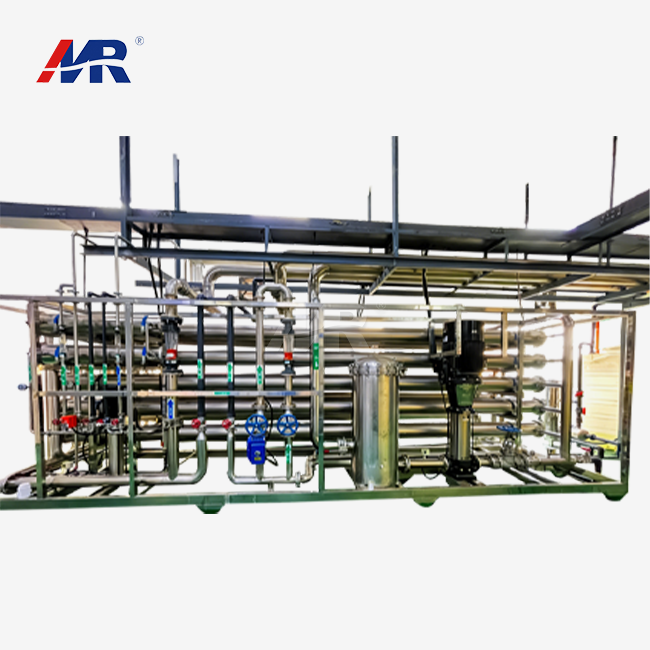
When installing something correctly, you need to pay close attention to sanitary design principles. These include using the right pipe materials, thinking about the slope for draining, and making sure that upkeep work can be done easily. Professional installation teams make sure that the system plan is as efficient as it can be while still meeting the standards of the pharmaceutical business.
Regular repair routines keep systems running smoothly and extend their life. Cleaning plans for membranes rely on the quality of the feed water and how the system is being used, but they are usually done every three to six months. As suggested by the maker, pre-filters should be replaced every 6 to 12 months, but this can change based on how often they are used and the quality of the water.
Water Quality Testing and Monitoring
For Reverse Osmosis Devices, comprehensive testing methods make sure that the system works well and follows the rules. Conductivity readings show in real time how well the membrane is working and how well the system is working generally. Total organic carbon analysis makes sure that organic contaminants that could harm medicinal goods are removed. Testing for microbes shows that bacteria, yeast, and molds have been killed effectively.
Conductivity checks should be done every day, bacteria samples should be taken every week, and a full water quality study should be done every month. Keeping track of all test data helps with legal compliance and finding patterns that could point to new system problems.
Evaluating Reverse Osmosis Devices: Choosing the Right System for Your Pharma Needs
To choose the right RO equipment for pharmaceutical uses, you need to carefully look at the technical specs, legal requirements, and operational factors. It will take years for the choice to affect product quality, running costs, and following the rules.
Technical Performance Criteria
The final standards for water quality must match the needs of pharmaceutical production. For USP Purified Water, the conductivity must be less than 1.3 microsiemens per centimeter at 25°C. For Water for Injection, the purity levels must be even higher. The system's ability should be enough to handle the current amount of production while also leaving room for future growth.
Recovery rates show how well a system works. For pharmaceutical uses, recovery rates are usually between 75 and 85%, but this depends on the quality of the feed water and the specs of the product. Higher recovery rates cut down on trash and running costs, but if they are pushed too far, they could hurt the quality of the water.
Long-term running costs are affected by energy use in a big way. Modern high-efficiency pumps and energy recovery devices can cut power use by 30–50% compared to older systems. For businesses that want to save money, energy efficiency is an important factor in choosing equipment.
Regulatory Compliance and Certifications
To be in line with GMP, systems must be made with hygiene in mind, using the right materials, having the ability to drain, and having proof that the system works. ISO approval adds to the quality guarantee, and vendors that follow the rules set by the pharmaceutical industry make sure that the products will work reliably for a long time.
Specifications, installation plans, operation and maintenance instructions, and validation support materials for Reverse Osmosis Devices should all be included in documentation packages. These tools make it easier for regulators to do checks and help with ongoing compliance efforts throughout the whole lifespan of a system.
Vendor reputation and service skills of the vendor become very important, especially for places that need to fix system problems quickly. Manufacturers that have been around longer tend to have better access to parts, expert help, and service coverage than newer companies that are just getting into the market.
Cost-Benefit Analysis Considerations
Equipment, installation, and setup costs are all part of the initial capital costs. Operating costs include things like energy use, replacement parts like filters and membranes, staff for repairs, and the need to test the water. A total cost of ownership study over 10 to 15 years gives better knowledge for making decisions than just comparing prices at first.
Some productivity benefits are less downtime due to problems with water quality, more consistent products, and easier compliance with regulations. These practical benefits often make it worth spending more at first on high-quality equipment that works better and is more reliable.
Industry Trends and Innovations in RO Technology for Pharmaceutical Water
The pharmacy water treatment industry is always changing as new technologies come out that make things more efficient, less harmful to the environment, and more reliable. The way places choose and use water treatment systems has changed because of these changes.
Emerging Technologies and Integration
The addition of UV sterilization kills more microbes without adding chemicals, which addresses growing worries about the results of disinfection in medicinal water. Modern membrane materials are better at resisting fouling and last longer, which lowers the need for upkeep and the cost of running the system.
In Reverse Osmosis Devices, energy recovery devices use the pressure from concentrate streams to lower the amount of energy that is generally required. When used on a large scale, these systems can save 30 to 40 percent of energy, which makes them appealing to places that want to be green and save money.
Electrodeionization technology uses both ion exchange and electrical regeneration to make water that is very pure without using chemical regeneration. This method gets rid of the need to handle and dispose of chemicals, and it keeps the water quality stable for important medicinal uses.
Digital Monitoring and IoT Implementation
Smart tracking systems get information about many aspects of a system in real time. This lets repair plans plan and avoid problems that come up out of the blue. Machine learning systems look at patterns in performance to find the best working conditions and make parts last longer.
Expert technicians can figure out problems and help without having to go to the spot, which cuts down on reaction times and maintenance costs. Cloud-based data storage makes it easier to follow the rules because it keeps full operating records that can be accessed during checks.
Automated paperwork systems make necessary reports and trending data, which makes administration easier while still keeping full records of compliance. As stricter regulations and higher standards for documentation come into effect, these skills become more useful.
Sustainability and Environmental Considerations
Water conservation methods lower the amount of trash that is dumped into the environment and protect it. More advanced recovery methods get more water while keeping the quality of the product the same. This helps address rising worries about water shortages and environmental responsibility.
In Reverse Osmosis Devices, variable-frequency gears, high-efficiency motors, and improved hydraulic designs are all used in energy-efficient designs to cut down on power use. These changes help the company reach its environmental goals while also cutting costs.
End-of-life environmental issues are dealt with by membrane recycling programs and organic cleaning agents. More and more, manufacturers are offering programs to take back used membranes and eco-friendly cleaning products that make it easier to get rid of trash.
Conclusion
Reverse osmosis machines are now necessary for making medicinal water because they offer the highest levels of cleanliness and the ability to follow regulations. Pharmaceutical companies all over the world choose this technology over others because it can remove 99% of contaminants while keeping operations running smoothly. As the needs of the industry continue to change toward greater sustainability, better tracking, and higher efficiency, modern RO systems have advanced features that meet these needs while still keeping the dependability that pharmaceutical operations need. To choose the right system, you need to carefully look at its technical specs, compliance requirements, and long-term operating issues to make sure it works well and meets all the rules.
FAQ
Q1: What makes reverse osmosis suitable for pharmaceutical water preparation?
Up to 99% of dissolved pollutants are removed by reverse osmosis technology. These include bacteria, viruses, dissolved salts, and chemical compounds. This all-around cleaning feature makes sure that pharmaceutical-grade water meets the strict USP and EP standards needed to make drugs and medical devices.
Q2: How often should pharmaceutical RO membranes be replaced?
Depending on the quality of the feed water, how the system is used, and how often it is maintained, membranes should be replaced every two to five years. Monitoring performance on a regular basis by measuring conductivity and keeping track of flow rate helps figure out the best time to change parts so that water quality stays stable.
Q3: What regulatory standards apply to pharmaceutical RO systems?
Pharmaceutical RO systems have to meet USP guidelines for either Purified Water or Water for Injection, based on the needs of the application. GMP design standards, validation documents, and ongoing monitoring methods set by the FDA and other regulatory bodies are some other things that need to be thought about.
Q4: Can existing RO systems be upgraded for pharmaceutical applications?
Many industrial RO systems can be changed to work with pharmaceuticals by adding new parts, making the tracking systems better, and making it easier to keep records. But a full system review by experienced engineers makes sure that all changes meet the standards and rules of the pharmaceutical business.
Q5: What maintenance requirements are essential for pharmaceutical RO systems?
Regularly cleaning the membrane, replacing the pre-filter, sanitizing the system, and keeping an eye on its overall performance are all important upkeep tasks. Schedules for preventative maintenance help keep the water quality stable, stretch the life of the system, and make sure that it stays in line with regulations while it's running.
Partner with Morui for Advanced Reverse Osmosis Solutions
Guangdong Morui Environmental Technology Co., Ltd. can help you clean the water in your pharmaceutical plants using tried-and-true Reverse Osmosis Device methods and a wide range of support services. Our many years of experience making pharmaceuticals, biotechnology products, and medical devices mean that the systems your facility gets are designed to meet legal requirements and run smoothly. With 20 specialized engineers, the ability to make membranes, and service coverage across the country, we offer complete options, from the original consultation to ongoing help for maintenance. Get in touch with us at benson@guangdongmorui.com to talk about your needs and find out why top pharmaceutical companies trust Morui as their Reverse Osmosis Device provider.
References
1. American Society for Testing and Materials. "Standard Guide for Reverse Osmosis Water Treatment Systems for Pharmaceutical Applications." ASTM International Guidelines, 2023.
2. International Society for Pharmaceutical Engineering. "Water and Steam Systems Design and Operation Guidelines." ISPE Pharmaceutical Engineering Standards, 2022.
3. United States Pharmacopeia. "Water for Pharmaceutical Purposes: Quality Standards and Testing Protocols." USP National Formulary, 44th Edition, 2024.
4. World Health Organization. "Guidelines for Water Treatment in Pharmaceutical Manufacturing." WHO Technical Report Series, Medical Products Division, 2023.
5. European Medicines Agency. "Pharmaceutical Water Systems: Validation and Compliance Requirements." EMA Regulatory Guidance Document, 2023.
6. Journal of Pharmaceutical Sciences and Technology. "Advanced Membrane Technologies in Pharmaceutical Water Purification." Academic Press International Review, Volume 78, 2024.