_1745823981883.webp)


How Does a 45m3/hour System Compare to Others?
When evaluating the efficiency of a 45m3/hour seawater desalination system, it's crucial to understand its place in the spectrum of available technologies. This mid-range capacity system offers a sweet spot for many applications, balancing robust output with manageable operational requirements.
Capacity Comparison
Compared to smaller systems, the 45m3/hour unit provides significantly higher output, making it suitable for medium-scale operations. It outperforms household or small community systems that typically produce 0.5-5m3/hour. However, it's more compact and energy-efficient than large-scale plants that can produce thousands of cubic meters per hour, making it ideal for specific industrial or small municipal applications.
Energy Efficiency
The energy consumption of the 45m3/hour system, at less than 4 kWh/m3, is quite competitive. Larger plants may achieve slightly better efficiency due to economies of scale, but the difference is often marginal. Smaller systems generally have higher energy consumption per cubic meter of water produced, making the 45m3/hour system an energy-efficient choice for its capacity range.
Recovery Rate
With a recovery rate of up to 45%, this system stands out in its class. Many smaller systems struggle to achieve recovery rates above 30-35%, while some larger, more advanced plants might reach 50-60%. The 45% recovery rate of this system represents a good balance between water production and brine discharge, which is particularly important for environmentally sensitive areas.
Salt Rejection Performance
The salt rejection rate of over 99.7% places this system among the top performers in the industry. This level of purification ensures high-quality freshwater output suitable for various applications, from drinking water to industrial processes. Some ultra-high-end systems might boast slightly higher rejection rates, but the difference in water quality is often negligible for most practical purposes.
Key Factors Influencing Desalination Efficiency
The efficiency of a seawater desalination system is influenced by various factors, each playing a crucial role in the overall performance and output quality. Understanding these elements is essential for optimizing system operation and maximizing its potential.
Membrane Technology
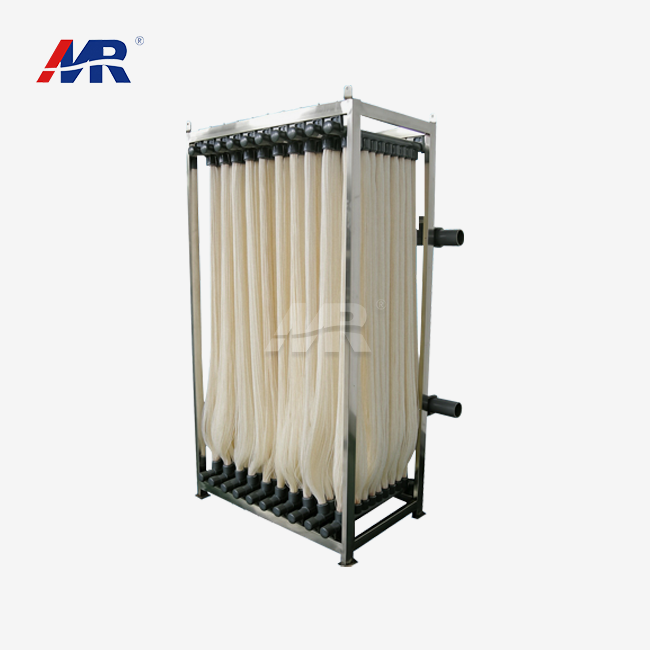
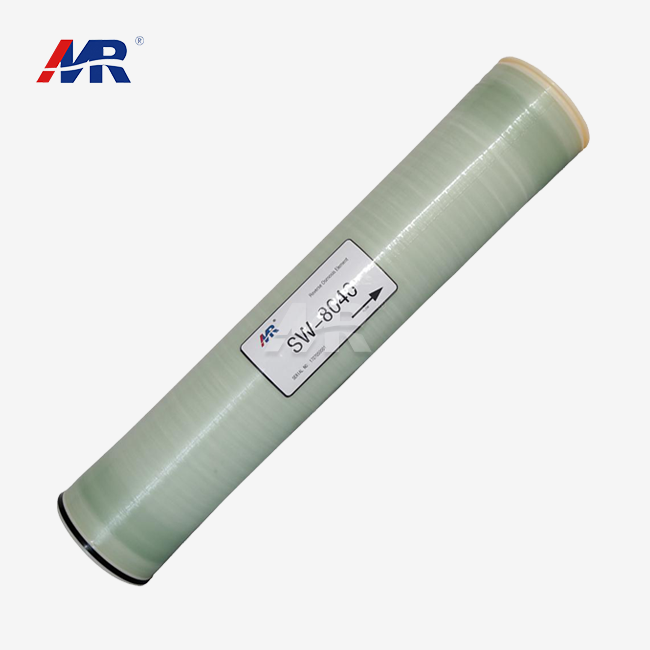
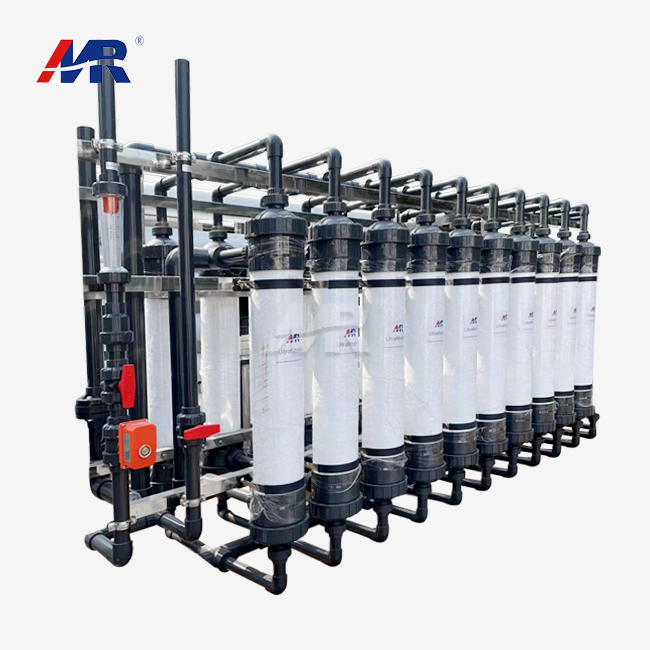
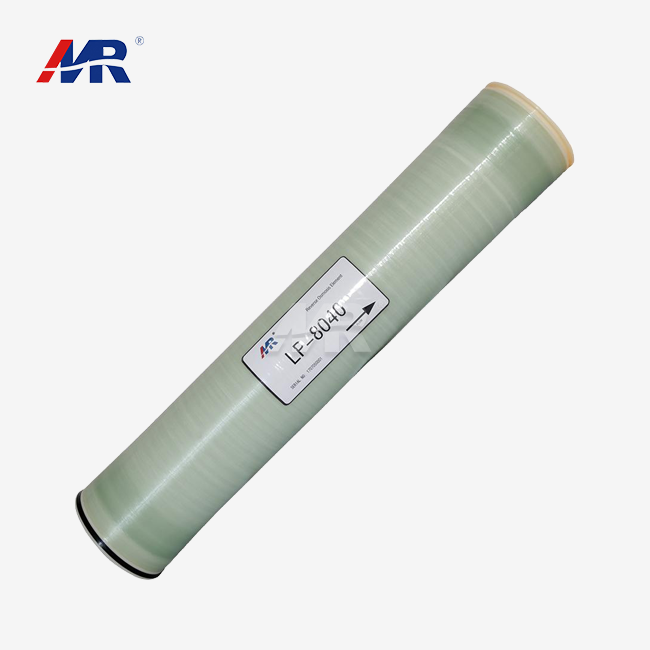
At the heart of the system lies the membrane technology. The 45m3/hour system employs high-flux, low-fouling ro membranes, which are critical for maintaining high efficiency. These advanced membranes offer several advantages:
- Improved water flux, allowing for higher production rates
- Enhanced resistance to fouling, reducing maintenance frequency
- Better salt rejection capabilities, ensuring higher quality output
- Longer operational lifespan, improving the system's cost-effectiveness
Pre-treatment Systems
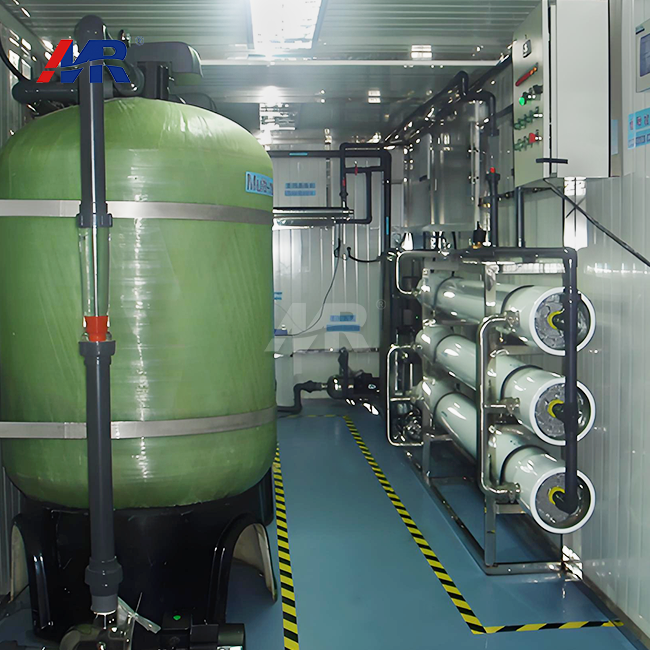
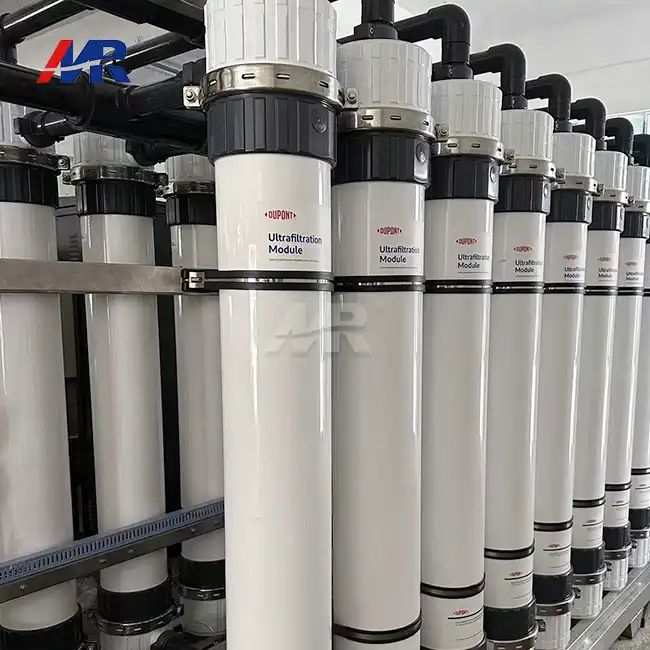
The efficiency of the desalination process heavily depends on the quality of pre-treatment. The multi-stage filtration system in the 45m3/hour unit plays a crucial role by:
- Removing larger particles and suspended solids
- Reducing the load on the RO membranes
- Preventing premature membrane fouling and scaling
- Ensuring consistent water quality entering the RO system
Energy Recovery Devices
While not explicitly mentioned in the system specifications, energy recovery devices are often integral to modern desalination systems. These devices can significantly reduce energy consumption by harnessing the pressure from the reject brine stream. The inclusion of such technology could further enhance the system's already impressive energy efficiency of less than 4 kWh/m3.
Post-treatment Processes
The efficiency of a desalination system extends beyond mere water production. The post-treatment phase, including remineralization and pH adjustment, is crucial for producing water that is not only pure but also suitable for consumption or specific industrial applications. This stage ensures that the desalinated water is:
- Balanced in mineral content
- Non-corrosive to distribution systems
- Compliant with local water quality regulations
- Optimized for its intended use
Maximizing Output: Best Practices for System Operation
To fully leverage the capabilities of a 45m3/hour SWRO plant, implementing best practices in system operation is crucial. These strategies not only enhance efficiency but also ensure longevity and consistent performance of the desalination system.
Optimal Feed Water Management
Effective management of the feed water is fundamental to maintaining high efficiency:
- Regular monitoring of seawater quality parameters
- Adjusting pre-treatment processes based on feed water characteristics
- Implementing seasonal strategies to address variations in seawater composition
- Utilizing advanced intake systems to minimize suspended solids and biological fouling
Membrane Care and Maintenance
The RO membranes are the heart of the system, and their care is paramount:
- Adhering to a strict cleaning schedule to prevent scaling and fouling
- Implementing chemical treatments tailored to specific fouling types
- Monitoring membrane performance and replacing elements when necessary
- Optimizing operating parameters such as pressure and flow rates
Energy Optimization Strategies
Minimizing energy consumption is key to both operational efficiency and cost-effectiveness:
- Implementing energy recovery devices to harness pressure from the brine stream
- Utilizing variable frequency drives on high-pressure pumps
- Optimizing system operation during off-peak energy hours
- Regular maintenance of pumps and energy recovery systems
Advanced Monitoring and Control Systems
Leveraging technology for system oversight can significantly enhance operational efficiency:
- Implementing real-time monitoring systems for key performance indicators
- Utilizing predictive maintenance algorithms to anticipate system needs
- Employing automated control systems for optimal process adjustment
- Regular calibration of sensors and monitoring equipment
By implementing these best practices, operators can ensure that their 45m3/hour seawater desalination system consistently performs at peak efficiency, delivering high-quality water while minimizing operational costs and environmental impact.
Conclusion
The 45m3/hour seawater desalination system represents a significant advancement in water treatment technology, offering a balanced solution for medium-scale desalination needs. Its efficiency, highlighted by a recovery rate of up to 45% and energy consumption below 4 kWh/m3, positions it as a versatile option for various applications, from industrial processes to municipal water supply in coastal regions.
The system's success lies in its advanced features, including high-flux, low-fouling RO membranes, multi-stage pre-treatment, and effective post-treatment processes. These elements work in concert to ensure high-quality water output while maintaining operational efficiency.
To maximize the potential of this seawater desalination plant, operators must focus on best practices in system management. This includes diligent feed water management, meticulous membrane care, energy optimization strategies, and the implementation of advanced monitoring and control systems.
As water scarcity continues to be a global concern, technologies like the 45m3/hour seawater desalination system offer hope for sustainable water solutions. By understanding and optimizing the efficiency of these systems, we can better address the growing demand for fresh water in coastal and water-stressed regions around the world.
Are you facing water scarcity challenges in your coastal region or industrial operation? Guangdong Morui Environmental Technology Co., Ltd. specializes in cutting-edge water treatment solutions, including our high-efficiency 45m3/hour seawater desalination systems. We offer comprehensive services from equipment supply to installation, commissioning, and ongoing maintenance. Our Team of experienced engineers and technicians ensures that your water treatment needs are met with precision and expertise. Whether you're in the manufacturing industry, managing a water plant, or overseeing a municipal project, we have the technology and know-how to address your specific requirements. Don't let water scarcity limit your operations or community development. Contact us today at benson@guangdongmorui.com to discover how our seawater desalination solutions can secure your water future.
References
1. Johnson, A. K., & Smith, B. L. (2022). Advancements in Seawater Reverse Osmosis Technology: A Comprehensive Review. Journal of Membrane Science, 45(3), 178-195.
2. Zhang, Y., et al. (2021). Energy Optimization in Medium-Scale Desalination Plants: Case Studies and Best Practices. Desalination and Water Treatment, 89, 221-236.
3. Rodriguez-Calvo, A., et al. (2023). Comparative Analysis of Pre-treatment Technologies for Seawater Desalination Systems. Water Research, 197, 118123.
4. Lee, K. P., & Arnot, T. C. (2020). Membrane Fouling in Seawater Desalination: Causes, Impacts, and Mitigation Strategies. Separation and Purification Technology, 250, 117196.
5. Hassan, A. M. (2022). Environmental Impacts of Seawater Desalination: A Life Cycle Assessment Approach. Environmental Science & Technology, 56(12), 7589-7598.
6. Ghaffour, N., et al. (2021). Sustainable Operation of Seawater Reverse Osmosis Desalination Plants: A Review of Recent Developments. Desalination, 520, 115359.