

_1745823981883.webp)

High Pressure Reverse Osmosis Storage Tanks: Benefits and Selection Tips
It is very important to know the main benefits and selection factors of a high-pressure reverse osmosis storage tank for your commercial water treatment system. High Pressure Storage Tank systems are necessary for keeping water stored while keeping the right pressure levels for reverse osmosis to work consistently. These special tanks make sure that your building always has access to clean water and protect your investment by making the system work more efficiently. If you choose and set up these pressure tanks correctly, they will give you long-term operating benefits that will have a direct effect on your bottom line and the quality of your production.
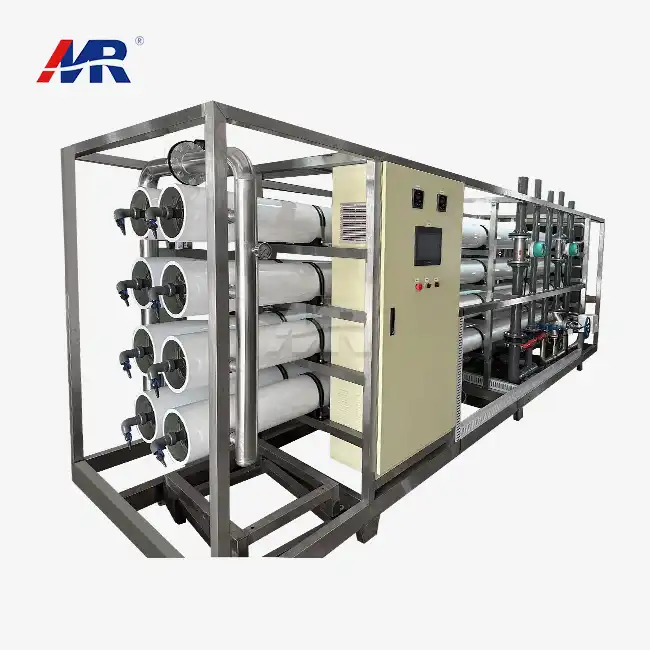
Understanding High Pressure Storage Tank Systems
In many different types of businesses, reverse osmosis systems depend on high-pressure holding tanks to work properly. The water stored in these pressure tanks is kept at high pressures, usually between 150 and 300 PSI, based on the needs of the system. The circular shape of the tank makes sure that the structure stays strong when hydraulic pressure is applied.
Modern reverse osmosis storage tank systems have high-tech safety features like pressure release valves and systems that check the pressure. These safety features keep the working conditions at their best and stop the pressure from rising too high. Tanks must meet strict safety and quality standards for industrial use to comply with the ASME code.
There are different kinds of insulation for tanks that help keep the water at a consistent temperature, which is especially important in the medicine and tech industries. The ability to prevent corrosion depends on the material used. For example, stainless steel choices last longer in chemical processing environments.
Key Parameters and Performance Indicators
Knowing the most important specs can help you choose the best storage container. The largest tanks can hold up to 10,000 gallons of liquid, while smaller tanks can hold as little as 20 gallons. The working pressure numbers must be higher than the maximum running pressure of your system by a safe amount.
The tank's final strength is shown by its burst pressure rating, which is usually three to four times the working pressure rating. This safety factor keeps things from going horribly wrong in the worst situations. Engineering standards are used to figure out the thickness of a wall based on its diameter, pressure grade, and material qualities.
Flow rate compatibility makes sure that your gas storage system can handle high demand without causing pressure drops. The sizes of the inlet and exit connections affect how the flow works and how well the system works together. With the right size, you can avoid bottlenecks that slow down the whole system.
Temperature ratings take into account a range of working situations, from normal temperatures to high temperatures in industrial areas. The choices on a pressure release valve keep it safe from thermal expansion effects that could go beyond what is safe for operation.
Core Benefits of High-Pressure RO Storage Systems
The main benefit of well-designed high-pressure storage options is that they make systems more efficient. Regular pressure repair cuts down on pump spinning, which increases the life of the equipment and lowers its energy use. During the system's useful life, this means measurable cost savings.
When pressure tanks are properly sealed, the chances of contamination are lower, which leads to better water quality. In contrast to atmospheric holding tanks, pressurized systems limit the amount of airborne particles that can affect the cleanliness of the water. In the medicine and semiconductor production industries, this gain is especially useful.
Operational efficiency goes up when repair needs go down, and part lives get longer. With high pressure storage tanks, you don't need repressurization pumps as you do with air storage systems. This simplification cuts down on possible failure spots and makes upkeep procedures easier to follow.
Pressurized systems get rid of the need for raised storage tanks or extra booster pumps, which makes building planning more space-efficient. Compact designs fit into small areas for placement while still providing the same amount of storage room.
Modern systems have leak-detecting features that let you know about possible problems early on. Modern tracking systems keep an eye on changes in pressure and let workers know when pressure starts to drop slowly, which can mean problems are starting to form. This proactive method stops production from stopping and prevents expensive emergency fixes.
Morui's High-Pressure Storage Solutions vs. Competitors
Our tech team has more than 14 years of experience treating water in commercial settings. This knowledge leads to better tank design solutions that are tailored to the needs of each business. During the whole process of making something, our metal production centers keep a close eye on quality.
Before being shipped, every pressure vessel must meet or exceed the written specs, which are made possible by thorough testing methods. Each tank is tested for structural stability under harsh conditions by applying hydrostatic pressure at 150% of its working pressure. This strict method gives people faith in the long-term success.
When you customize a product, you can meet specific fitting needs that standard goods can't meet. Our tech team works directly with clients to make sure that the tanks they use are set up in the best way possible for each job. This joint method makes sure that the new system works well with the old one and gets the most out of the performance benefits.
Our large network of partners gives us supply chain benefits that cut down on lead times and project costs. Having direct relationships with component makers lets us offer low prices without lowering the quality of our Products. These ties help our buying team offer value throughout the lifecycle of a project.
Technical help goes beyond the initial installation and includes ongoing fixing and upkeep advice. Our service team knows how complicated different industrial uses can be and can help you when problems come up. This help cuts down on downtime and improves system speed.
Optimizing Performance Through Proper Selection and Usage
When figuring out the size of a system, you have to take into account both the peak demand needs and the necessary backup capacity. When tanks aren't the right size, the pressure changes, which makes the system less efficient and speeds up the wear on its parts. As a general rule, most apps should have enough storage space for 20 to 30 percent of their daily production rate.
When installing, things to think about include making sure there is enough air flow around the pressure release valves and that they are easy to get to for upkeep. The right base design spreads the tank's weight out and allows for thermal growth. By using the right sizes and routes, piping links should keep pressure drops to a minimum.
Operating practices should set up regular ways to check the pressure and keep records. Inspections done on a regular basis help find problems before they affect production. Maintenance plans should be in line with what the maker suggests and take into account the specifics of the operation.
Pressure tracking tools show how well a tank is working in real time and let you know right away if problems start to appear. Digital tracking options let you keep an eye on things from afar and look at trends, which helps with strategies for planned maintenance. These tools help keep running costs low while increasing efficiency.
Protocols for checking water quality make sure that the storage system keeps the purity standards high throughout the delivery system. Regular testing and samples make sure that the conditions of keeping don't hurt the quality of the water. In regulated businesses where water quality has a direct effect on product quality, this kind of tracking is very important.
Morui's Expertise in Industrial Water Treatment Applications
Our method to high pressure storage tank options is based on understanding the needs of different industries. For businesses that deal with food and drinks, they need clean designs that keep pressure levels stable and stop contamination. For purified water storage, our pharmaceutical customers need devices that meet strict GMP standards.
Applications that require electronics need ways to store ultrapure water that doesn't get contaminated with ions. Because of these specific needs, the materials must be chosen, and the construction methods must go beyond what is normally expected in the business world. Our knowledge of how semiconductors are used in other fields helps us make design choices that protect the quality of the result.
Power plants need boiler feed water storage systems that are effective and can work in tough situations. Our experts know how important these uses are because system failures have a direct effect on power production. Because of this knowledge, design choices are made that put reliability and maintainability first.
When it comes to corrosion protection and safety, chemical production settings are very different from other places. Our knowledge of choosing the right materials makes sure that the specs are right for tough working conditions. Integrating safety systems keeps people safe while keeping operations reliable.
For municipal water treatment uses, methods that work consistently and cost as little as possible to run are needed. Our plans make the best use of energy while still meeting the needs of large enough towns. Because of this knowledge, solutions for important infrastructure applications can be trusted.
Conclusion
Investing in high-pressure reverse osmosis storage tanks is an important part of industrial water treatment equipment that pays off in the form of higher efficiency, dependability, and protection of water quality. To make the right choice, you need to carefully think about the system's needs, safety standards, and long-term operating goals.
Morui has a lot of experience with water treatment applications, so they can make sure that storage options are the best fit for each business. Our engineering team gives you the technical advice you need to get the most out of your investment and make sure the system works reliably for its entire lifecycle. Morui is the best company to work with for high-pressure storage because they make high-quality products, offer low prices, and offer ongoing expert support.
FAQ
Q1: What pressure rating should I choose for my reverse osmosis storage tank?
A: Select a working pressure rating that exceeds your system's maximum operating pressure by at least 25%. Standard ratings include 150, 300, and 600 PSI options. Your system designer can calculate the optimal pressure rating based on your specific application requirements and safety factors.
Q2: How often should high pressure storage tanks undergo safety inspections?
A: ASME guidelines recommend annual visual inspections and internal inspections every 5-10 years, depending on service conditions. Aggressive environments may require more frequent inspections. Maintaining detailed inspection records helps track tank condition over time and supports regulatory compliance requirements.
Q3: Can existing atmospheric storage tanks be converted to high-pressure service?
A: Converting atmospheric tanks to high-pressure service requires a complete engineering evaluation and typically proves uneconomical. High-pressure tanks require specific materials, wall thickness, and safety features that atmospheric tanks lack. New pressure vessel installation usually provides better long-term value and safety assurance.
Partner with Morui for Superior High Pressure Storage Tank Solutions
Guangdong Morui Environmental Technology delivers industry-leading high pressure storage tank solutions backed by comprehensive engineering expertise and manufacturing capabilities. Our Team of 20 experienced engineers collaborates with clients to optimize storage container specifications for demanding industrial applications. As a trusted High Pressure Storage Tank manufacturer, we maintain strict quality controls throughout our fabrication process while offering competitive pricing and reliable delivery schedules. Contact benson@guangdongmorui.com today to discuss your water treatment storage requirements.
References
1. American Society of Mechanical Engineers. "ASME Boiler and Pressure Vessel Code, Section VIII: Pressure Vessels." 2021 Edition.
2. Water Quality Association. "Industrial Reverse Osmosis System Design Guidelines and Best Practices." Technical Bulletin Series, 2022.
3. National Association of Corrosion Engineers. "Materials Selection and Corrosion Control for Water Treatment Equipment." Publication No. 34109, 2021.
4. International Desalination Association. "High Pressure membrane System Components: Design and Performance Standards." Technical Report IDA-2022-001.
5. American Water Works Association. "Pressure Vessel Safety and Maintenance Protocols for Water Treatment Facilities." Manual M46, Third Edition, 2023.
6. Industrial Water Treatment Magazine. "Optimizing Storage Tank Performance in Reverse Osmosis Applications: A Comprehensive Analysis." Volume 45, Issue 3, 2022.
 VIEW MOREro reverse osmosis water filter
 VIEW MORE45m3/hour seawater desalination system
 VIEW MORE25m3/hour seawater desalination plant
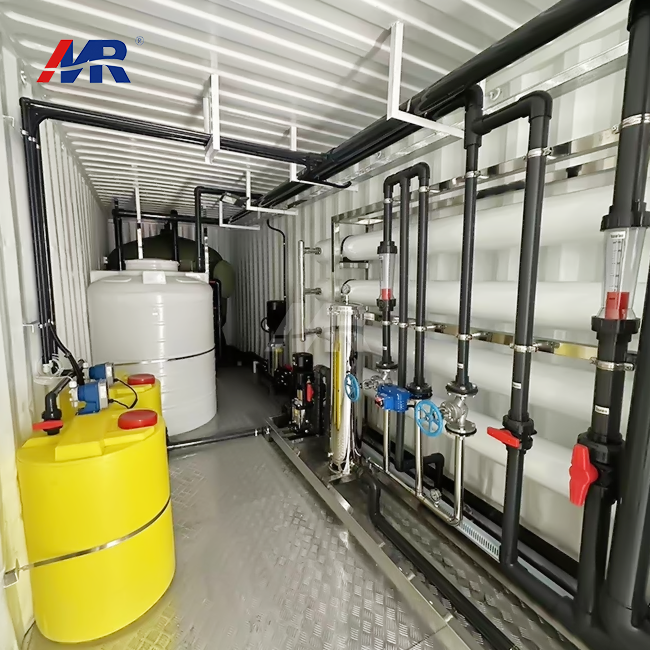 VIEW MOREcontainer reverse osmosis equipment
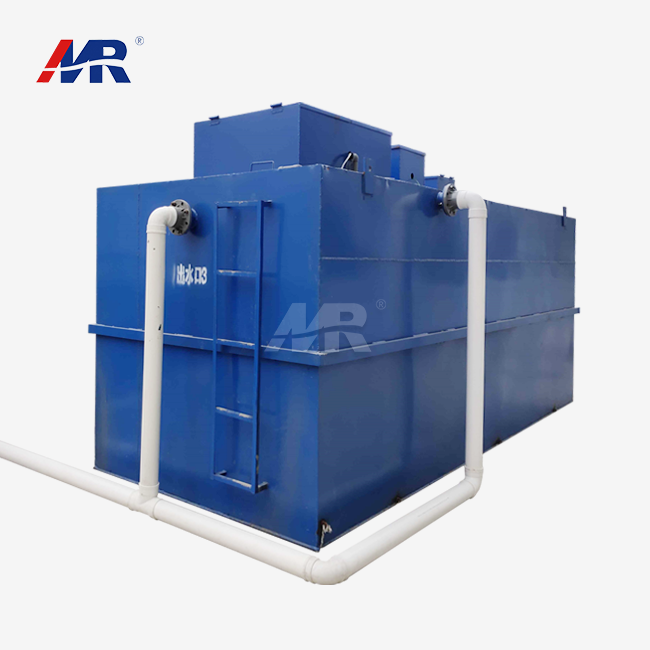 VIEW MOREMBR wastewater treatment plant
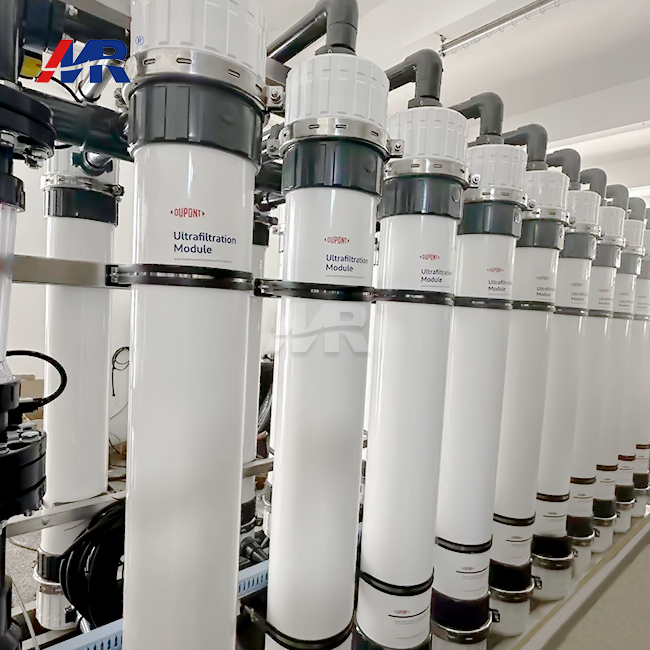 VIEW MOREultrafiltration water treatment system
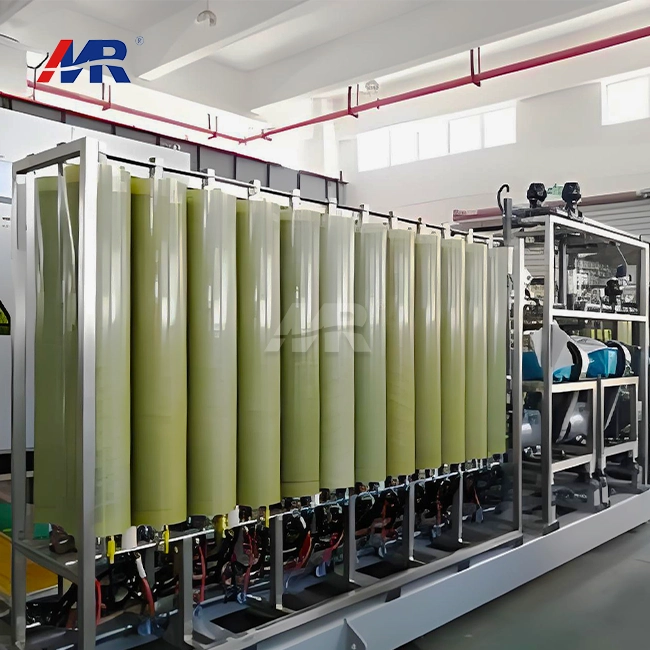 VIEW MOREDTRO plant
 VIEW MOREbioreactor wastewater treatment
