_1745823981883.webp)

What Is Container Seawater Desalination Equipment? A Complete Beginner's Guide
Container Seawater Desalination Equipment, also known as a containerized reverse osmosis system, is an innovative course of action outlined to address freshwater deficiency in coastal and remote regions. This compact, self-contained water treatment development capably changes seawater into consumable water, making it a culminate choice for diverse businesses and applications. By leveraging dynamic film advancement and a measured arrange, these frameworks offer a strong and cost-effective suggests of making clean water from boundless seawater sources. In this comprehensive coordinate, we'll explore the key highlights, benefits, and applications of the holder seawater desalination adaptation. Whether you're a locale looking to supplement your water supply, a mechanical office looking for a tried and true freshwater source, or simply curious approximately this cutting-edge development, this article will provide you with a solid understanding of containerised desalination frameworks and their potential to address water scarcity challenges.

What defines a containerized seawater desalination plant?
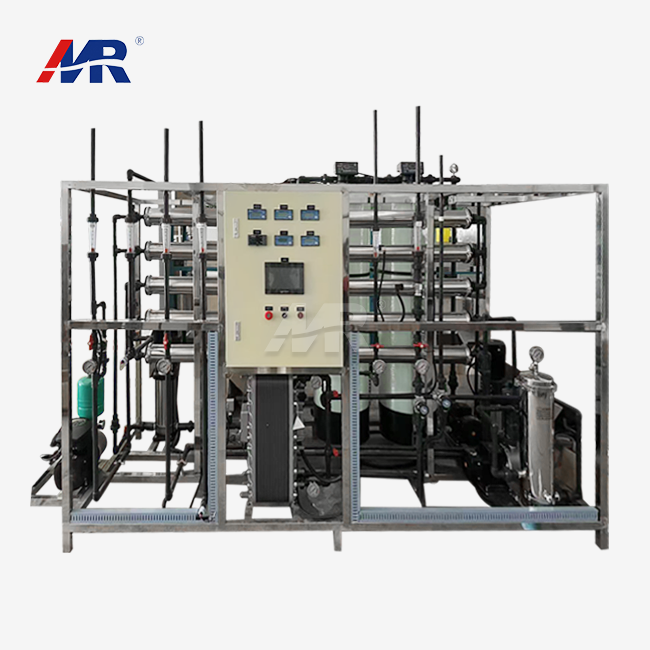
A containerized seawater desalination plant is a compact, pre-engineered water treatment system housed inside one or more standard shipping containers. These self-contained units are designed to deliver new water from seawater utilising turn-around osmosis (RO) technology, which evacuates salt and other impurities through a semi-permeable membrane.
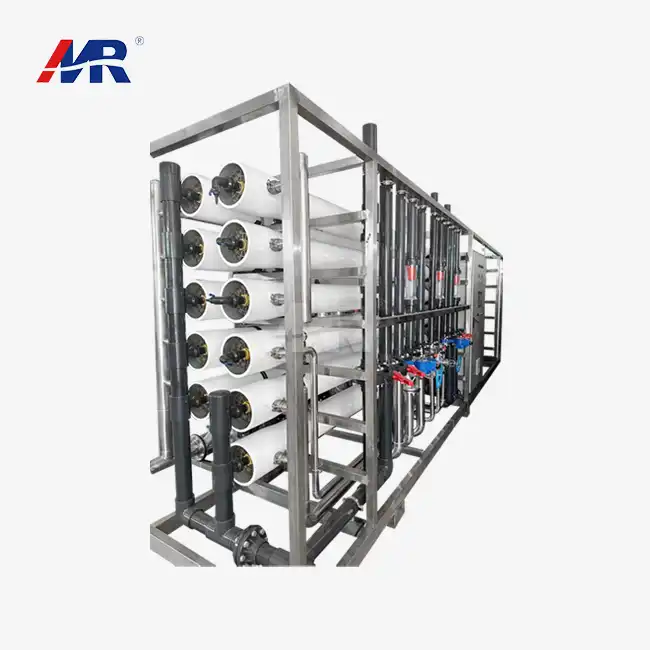
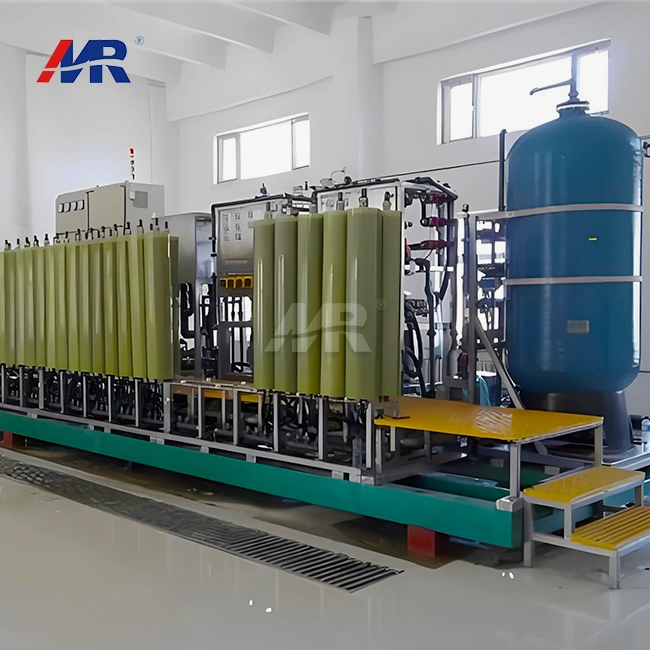
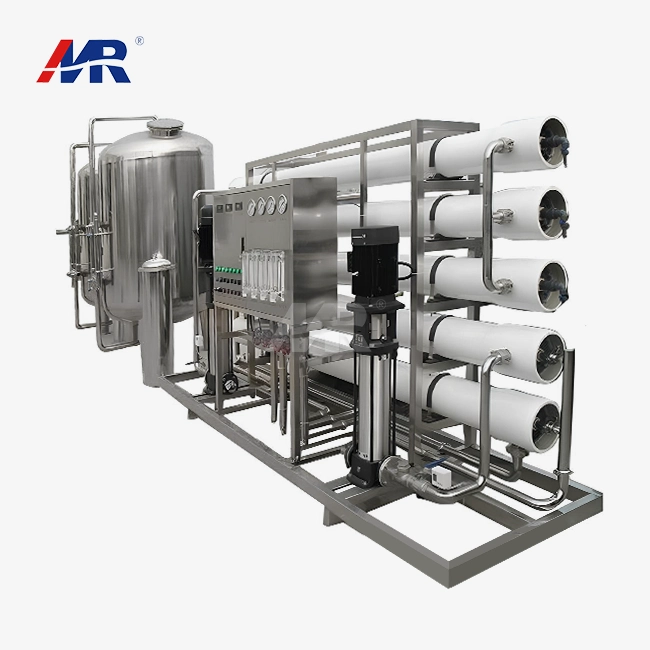
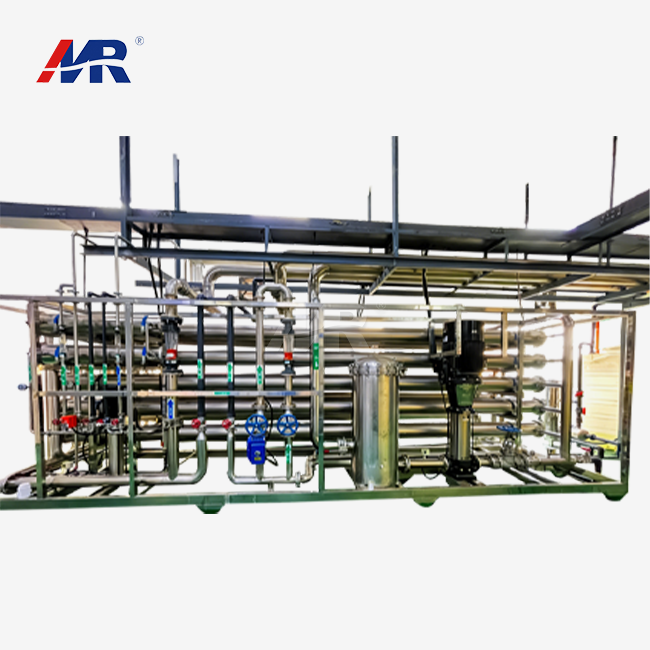
Key components of a containerized RO plant
- Intake system: Mindful of drawing seawater into the treatment process.
- Pre-treatment: Incorporates multi-media filtration and ultrafiltration to expel bigger particles and ensure the RO membranes.
- High-pressure pumps: Thrust the pre-treated water through the RO membranes at high pressure.
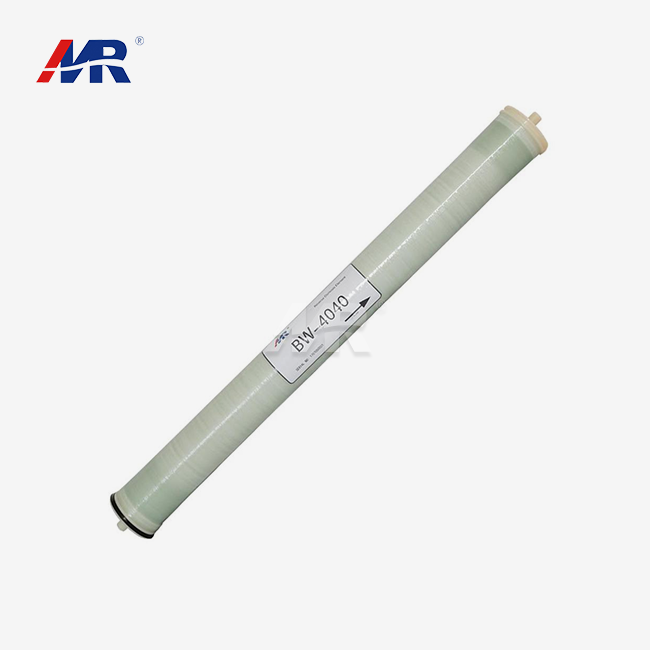
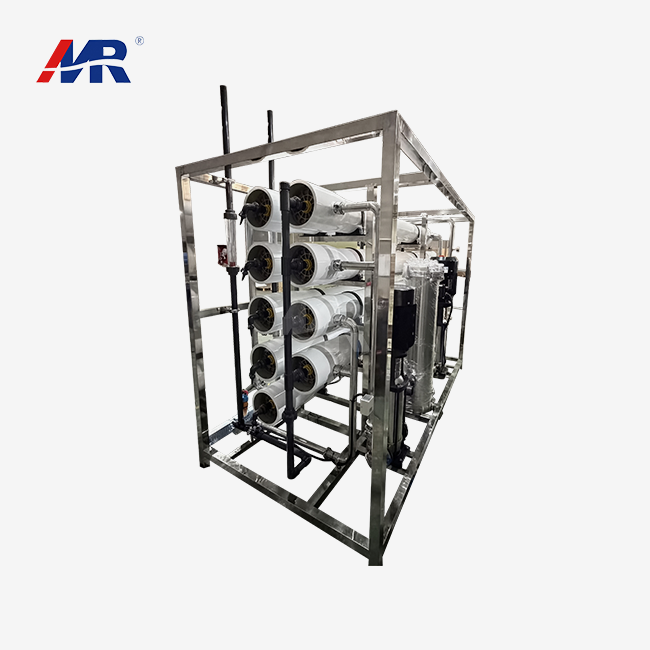
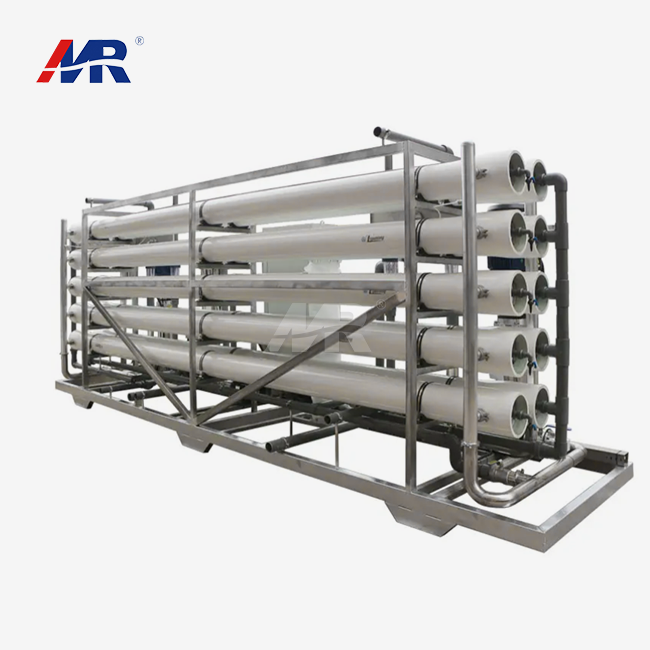
- RO membrane cluster: The heart of the framework, where the genuine desalination occurs.
- Post-treatment: Remineralisation and sanitisation to guarantee the created water meets drinking water standards.
- Control system: Ordinarily, a Programmable Logic Controller (PLC) that mechanises and screens the whole process.
Distinguishing features of containerized desalination systems
- Modularity: The containerized RO plant can be effortlessly scaled up or down by including or expelling holder units.
- Mobility: The holder organises permits for simple transportation and migration as needed.
- Rapid sending: These frameworks can be rapidly introduced and commissioned, frequently within days or weeks.
- Compact impression: Perfect for ranges with constrained space or transitory installations.
- Standardisation: Utilize of standard shipping holders guarantees compatibility with existing transportation infrastructure.
Benefits of modular, containerized desalination for remote coastal sites
Containerized seawater desalination equipment offers numerous advantages for remote coastal locations facing water scarcity issues. These benefits make it an attractive solution for various industries and applications.
Flexibility and scalability
One of the essential preferences of containerized desalination systems is their inalienable adaptability. These measured units can be effectively scaled up or down to meet changing water requests. For instance, a developing coastal community can begin with a small-capacity system and include extra holders as the population increases. This versatility permits for more efficient utilize of assets and better arrangement with budgetary constraints.
Rapid deployment and installation
Traditional desalination plants frequently require broad development and long establishment periods. In differentiate, container water treatment systems can be sent and operational within a division of time. This fast establishment capability is especially important in crisis circumstances, such as characteristic fiascos or sudden water deficiencies, where fast access to new water is critical.
Cost-effectiveness
Containerized desalination plants frequently demonstrate more cost-effectiveness than conventional, lasting establishments, particularly for smaller-scale applications. The pre-engineered nature of these systems decreases planning and building costs, whereas their seclusion permits a staged venture as water needs develop. Moreover, the capacity to migrate the gear is fundamental and gives added value and flexibility.
Reduced environmental impact
The compact impression of containerized systems minimises arrival, utilisation, and natural unsettling influence during installation. This is especially advantageous in environmentally delicate coastal regions. Moreover, the measured plan permits for simpler updates to more proficient advances as they ended up accessible, possibly lessening long-term environmental impact.
Simplified maintenance and operation
Containerized RO plants are designed with ease of maintenance in mind. Their standardised components and modular construction facilitate quicker repairs and replacements. Many systems also feature remote monitoring capabilities, allowing for efficient operation and troubleshooting even in remote locations.
Typical capacities and mobility use-cases for container RO systems
Containerized seawater desalination equipment comes in various capacities to suit different applications. Understanding these capacities and their corresponding use-Cases can help potential users identify the most suitable solution for their needs.
Small-scale systems (20-100 m³/day)
These compact systems are ideal for:
- Small coastal communities or islands
- Resorts and inns in inaccessible locations
- Emergency help efforts following natural disasters
- Temporary work camps for development or asset exploration
Small-scale containerized RO plants can typically fit within a single 20ft or 40ft container, making them highly mobile and easy to transport via truck, ship, or even helicopter in some cases.
Medium-scale systems (100-500 m³/day)
Medium capacity systems are suitable for:
- Small to medium-sized mechanical facilities
- Offshore oil and gas platforms
- Military bases in coastal areas
- Larger coastal communities or little towns
These systems may require numerous holders but still keep up a generally small impression compared to conventional desalination plants. They offer a great adjust between capacity and portability, frequently able to be transported by standard container ships or trucks.
Large-scale systems (500-2,000 m³/day and beyond)
Larger containerized desalination plants are appropriate for:
- Municipal water supply augmentation
- Large mechanical offices, such as control plants or refineries
- Agriculture and water system ventures in coastal areas
- Mining operations in water-scarce districts close to the coast
While these systems may comprise different holder units and require broader location planning, they still offer advantages in terms of measured quality and quicker arrangement compared to conventional desalination plants.
Mobility considerations
The mobility of containerized RO systems depends on several factors:
- System estimate and number of containers
- Site foundation prerequisites (control supply, intake/outfall structures)
- Transportation choices accessible (street, ocean, air)
- Regulatory considerations for moving water treatment equipment
While smaller systems offer the greatest mobility, even larger containerized plants can be relocated if necessary, providing flexibility that traditional desalination infrastructure cannot match.
Conclusion
Containerized reverse osmosis systems offer a flexible and productive arrangement for seawater desalination, addressing freshwater shortage in coastal and farther zones. These container water treatment systems combine compact design, measured quality, and progressed RO technology to provide solid, high-quality consumable water. From small-scale operations to expansive mechanical or metropolitan applications, containerized RO plants give quick arrangement, adaptability, and simplified upkeep, making them perfect for energetic water needs. By contributing to a containerized RO plant, communities and businesses can guarantee economical water supply, operational adaptability, and long-term cost-effectiveness, while minimising natural effects and maximising water security.
FAQ
Q1: How does the energy consumption of containerized desalination compare to traditional plants?
A: Containerized desalination systems regularly have comparable or marginally higher energy utilisation per unit of water produced compared to large-scale conventional plants. Be that as it may, they frequently consolidate energy recovery gadgets and effective plans to minimise control utilisation. The vitality utilisation for our containerized RO systems ranges from 3-4 kWh/m³, which is competitive with industry standards.
Q2: Can containerized desalination systems operate off-grid?
A: Yes, many containerized desalination systems can be designed to operate off-grid using alternative energy sources such as solar panels, wind turbines, or diesel generators. This makes them particularly suitable for remote locations without reliable power infrastructure.
Q3: What is the typical lifespan of a containerized seawater desalination system?
A: With appropriate upkeep and operation, a containerized seawater desalination system can final 15-20 a long time or more. Key components like ro membranes may require substitution every 3-5 a long time, depending on water quality and working conditions. Our systems are built with corrosion-resistant materials to guarantee long-term toughness in coastal environments.
Containerized Reverse Osmosis Systems for Seawater Desalination | Morui
Are you in need of a reliable, efficient, and flexible seawater desalination solution? Look no further than Guangdong Morui Environmental Technology Co., Ltd. Our state-of-the-art containerized reverse osmosis systems offer the perfect balance of performance, mobility, and cost-effectiveness for a wide range of applications.
Whether you're a small coastal community seeking to supplement your water supply, an industrial facility requiring high-quality process water, or a resort looking for a sustainable freshwater source, our containerized RO plants can meet your needs. With capacities ranging from 20 to 2,000 m³/day and beyond, we have a solution for every scale of operation.
Don't let water scarcity limit your potential. Contact us today at benson@guangdongmorui.com to discuss how our containerized seawater desalination equipment can solve your water challenges. Our Team of experts is ready to provide you with a customised solution tailored to your specific requirements. Take the first step towards water security and sustainability – reach out to Guangdong Morui Environmental Technology Co., Ltd now!
References
1. Johnson, A. K., & Smith, B. L. (2022). Advances in Containerized Desalination Technologies: A Comprehensive Review. Journal of Water Resources Management, 45(3), 287-302.
2. Patel, R. M., & Chen, Y. (2021). Energy Efficiency in Small-Scale Desalination: Comparing Containerized and Traditional RO Systems. Desalination and Water Treatment, 89, 114-129.
3. United Nations Environment Programme. (2023). Sustainable Desalination: Innovative Solutions for Water-Scarce Regions. UNEP Report Series.
4. García-Rodríguez, L., & Gómez-Camacho, C. (2020). Perspectives of Solar-Assisted Seawater Desalination in Containerized Units. Renewable Energy Focus, 33, 16-24.
5. World Bank Group. (2022). Modular Desalination for Developing Countries: Economic and Environmental Considerations. Water Global Practice Discussion Paper.
6. International Desalination Association. (2023). Global Water Intelligence: Containerized and Small-Scale Desalination Market Report. IDA Publications.