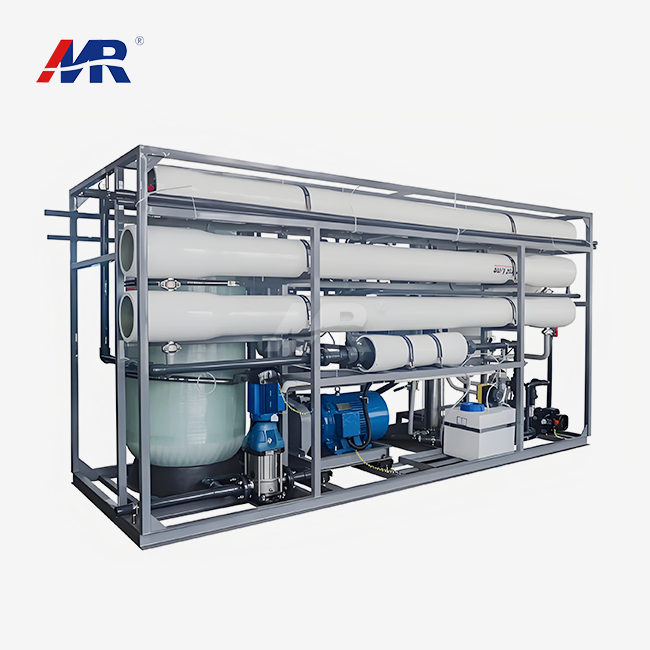
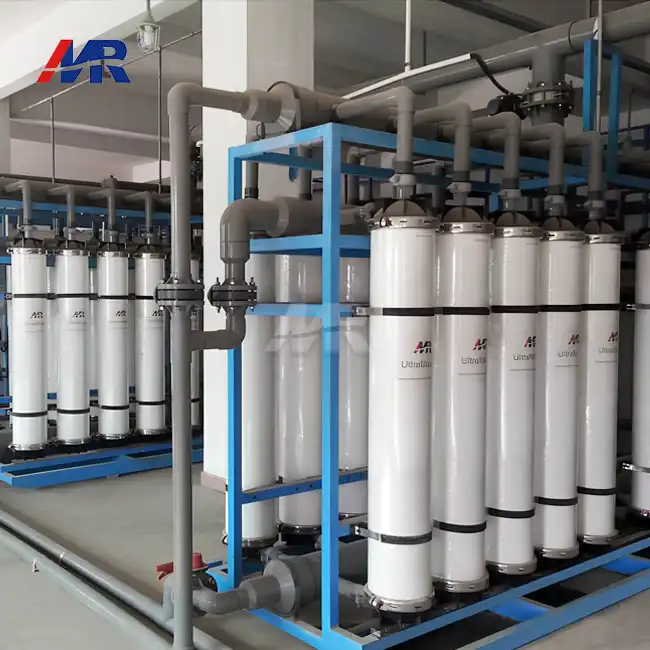
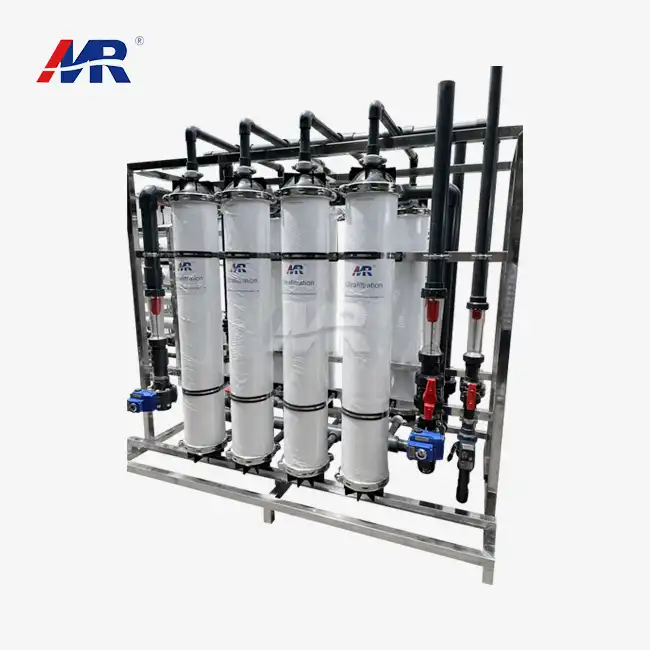
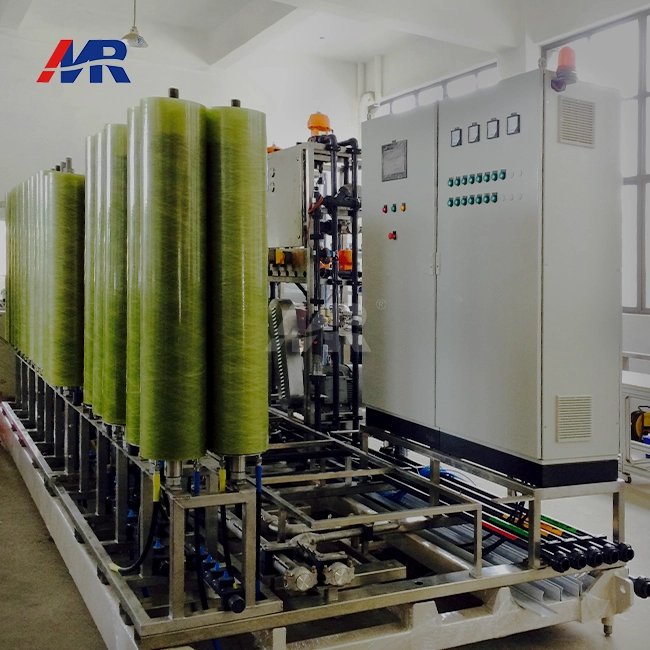
_1745823981883.webp)

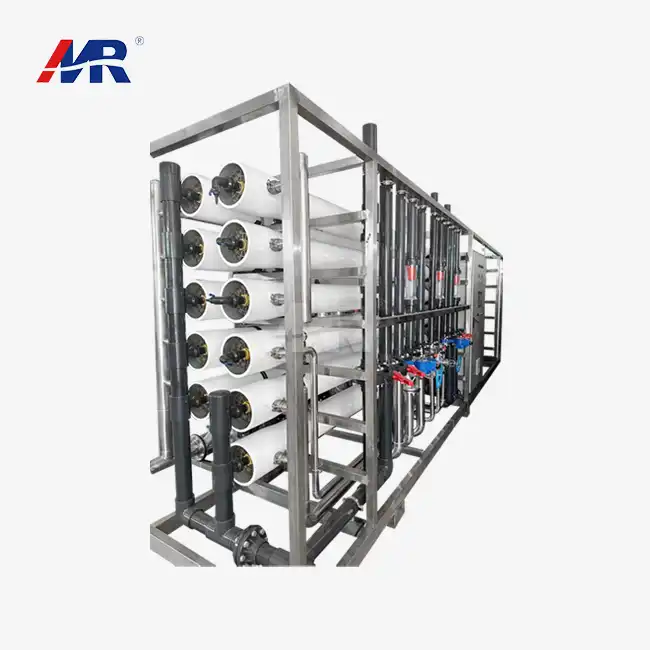
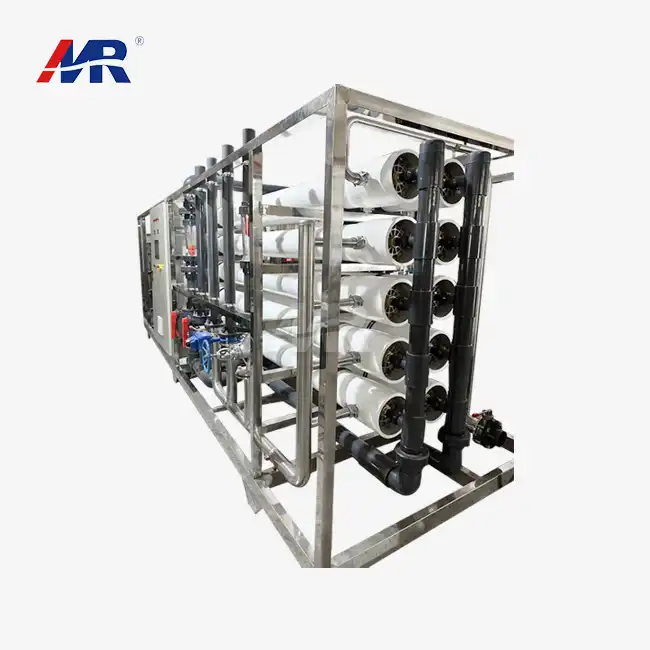
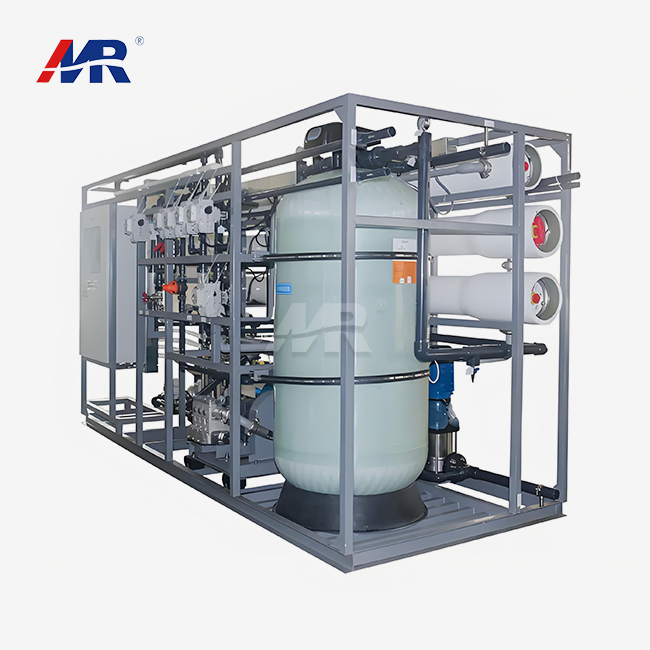
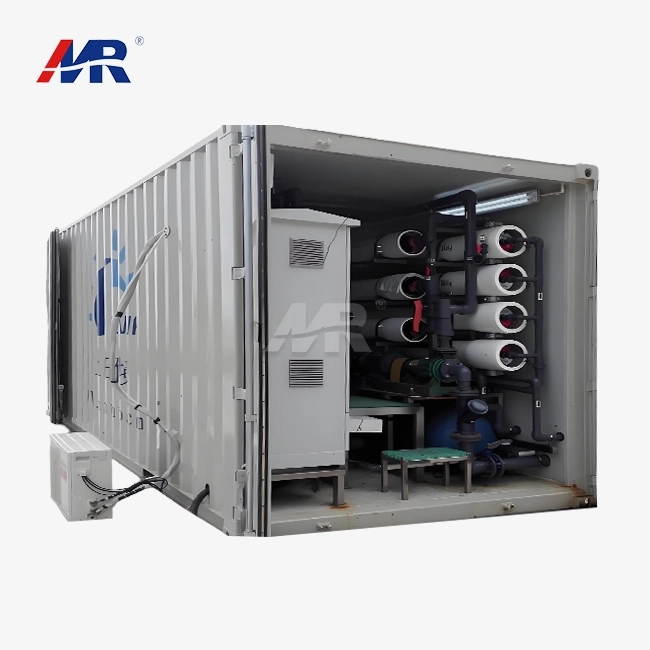
To find a trustworthy 2000 liters/hour edi system supplier in China, you need to carefully look at the technical skills, production facilities, and service quality of each maker. Leading Chinese companies that clean water, like Guangdong Morui Environmental Technology, offer full EDI solutions that have been used successfully in pharmaceutical, semiconductor, and industrial settings. China is a good place for people all over the world to buy high-purity water treatment tools because these companies use cutting-edge electrodeionization technology and offer competitive prices.
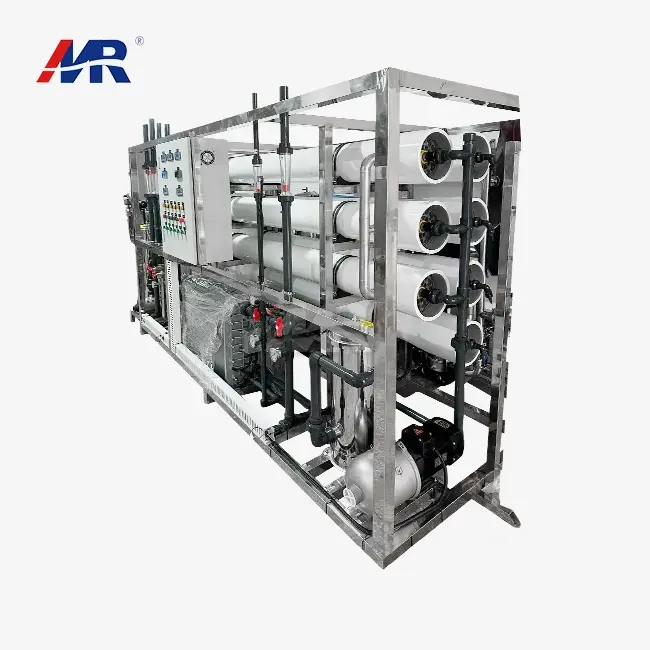
Understanding EDI Technology and Its Growing Demand
Electrodeionization is a new way to clean water that uses both ion exchange resins and electrical regeneration. This process of continual regeneration does away with the need for chemical regenerants, making it a green way to make high-purity water. The method works by sending an electrical current via ion-selective membranes, which removes ionic impurities and makes the material conductive at levels below 0.1 μS/cm.
Key Applications Driving Market Demand
Drug manufacturing and equipment cleaning need ultra-pure water that fulfills strict GMP standards. Semiconductor production companies need deionized water to clean chips since even tiny amounts of dirt can cause problems. Power plants use EDI systems to prepare boiler feed water, which ensures that the steam is of the best quality and that the equipment lasts as long as possible.
For analytical testing and experimental processes, research labs need water that is always of the same quality. Food and drink processors are using membrane technology more and more to make sure their Products are safe and last longer. These many uses create a lot of demand in the market for reliable water purification systems that meet certain flow rate needs.
Technical Advantages of Modern EDI Systems
Modern 2000 liters/hour EDI systems use less than 0.1 kWh/m³ of power, which is good for the environment. Continuous manufacturing capabilities get rid of the downtime that comes with standard ion exchange regeneration cycles. Automated control systems monitor conductivity in real time and optimize processes, which means that operators don't have to do as much work.
The small size makes it easier to install in places with limited space. Scaling prevention techniques helps equipment last longer and keep working at the same level. Getting rid of chemical dosing lowers expenses and environmental harm while making maintenance easier.
Market Analysis: Supply and Demand in Key Regions
Asia is the biggest market for industrial water treatment equipment because of fast industrialization and strict environmental rules. China makes the most EDI systems in the world, with established manufacturing clusters in the provinces of Guangdong, Jiangsu, and Zhejiang. These areas benefit from supply chains that include making membranes, making components, and putting systems together.
Regional Market Characteristics
As the mining, petrochemical, and food processing industries grow, South American markets are seeing more and more demand for water treatment solutions. Brazil and Chile are the first countries in the region to use modern water purifying technologies. More and more, local laws require the recycling of wastewater and the recovery of resources, which is encouraging the use of 2000 liters/hour EDI systems.
As infrastructural development speeds up, African markets have a lot of room to grow. Mining operations need a lot of process water, which is a chance for companies that treat industrial water. Coastal areas are looking at desalination plants to deal with the problem of not having enough water.
Industry-Specific Demand Patterns
The electronics industry needs ultra-pure water systems with high-quality standards all the time. When choosing equipment providers, pharmaceutical businesses put a lot of weight on regulatory compliance and validation support. Power plants focus on long-term reliability and ease of maintenance.
The automotive and metalworking sectors need deionized water for coating and surface treatment. Chemical processors need unique systems that can handle tough feed water conditions. Each part of the industry has its own needs that affect how equipment is made and how suppliers are chosen.
Sourcing Strategies: Comparing Different Procurement Channels
To buy water treatment equipment successfully, you need to know about the several ways to get it and what each one is good for. Direct contacts with manufacturers give you technical assistance and the ability to make changes to your products. Trading companies have a wider range of products, but they might not have the same level of experience in a certain area. B2B platforms help you find suppliers at first, but you need to be careful when you do so.
Direct Manufacturer Partnerships
When you work directly with manufacturers like Guangdong Morui Environmental Technology, you can get engineering help and the ability to make things your own. Visits to factories let you check the quality and the amount of work they can do. Direct ties usually mean better prices and full after-sales support, such as installation and commissioning services.
Manufacturers with integrated production facilities can make sure that the parts are of good quality and that they arrive on time. Talking about technical issues with engineering teams can make system specs better for certain uses. Long-term agreements make it easier to get spare parts and service help throughout the life of the equipment.
Alternative Sourcing Channels Comparison
| Channel Type | Advantages | Disadvantages |
|---|---|---|
| Local Distributors | Regional support, faster delivery, and local regulations knowledge | Limited technical expertise, higher costs, smaller product range |
| Trading Companies | Multiple supplier options, established logistics, and competitive pricing | Less technical support, quality inconsistency, and limited customization |
| B2B Platforms | Easy comparison, transparent pricing, buyer protection | Supplier verification needed, communication challenges, and limited customization |
| Direct Factory | Best pricing, full customization, comprehensive support | Higher MOQ, longer lead times, and relationship development are required |
Supplier Evaluation and Quality Assurance
A thorough evaluation of suppliers makes sure that the equipment works and projects go well. Evaluating a company's manufacturing capabilities entails looking at its production capacity, quality processes, and technical knowledge. Checking for financial stability protects against hazards associated with suppliers while a project is going on.
Technical Qualification Criteria
Check how much experience vendors have with systems and applications that are comparable to yours, such as a 2000 liters/hour EDI system. Check the certification credentials, such as ISO 9001, CE marking, and approvals from the industry. Ask for extensive technical documentation that includes system design, component specs, and performance guarantees.
Evaluate the engineering skills and experience with design optimization of your own staff. Check if the testing facilities are good for performance validation and quality control. Check reference installations that have the same specs and working conditions to make sure the supplier is qualified.
Quality Control and Verification Methods
Factory audits give a direct look at how things are made and how quality procedures work. Third-party inspections throughout production ensure that the specifications are followed. Testing the system before it is shipped makes sure it works as expected.
Material certificates, test reports, and operating manuals are all part of the documentation evaluation. Witness testing lets you check important performance factors. Quality agreements set explicit standards and requirements for the whole procurement process.
Procurement Best Practices and Risk Management
To buy equipment successfully, you need to know the usual business conditions and delivery times. The minimum order quantity varies by manufacturer; however, it is usually between one and several systems, depending on how much customization is needed. Most payment arrangements call for an advance payment, with the rest due when the work is done or the goods are delivered.
Commercial Terms and Logistics
Standard delivery dates are between 6 and 12 weeks, depending on how complicated the system is and how much customisation is needed. When making shipping plans, you should think about the size of the equipment and how long it will take to install. Insurance protects against damage and delays during transportation.
Letters of credit are used for overseas transactions, and bank transfers are used for established ties. Progressive payment plans match up with important steps in the manufacturing and delivery processes. For big projects with long delivery times, currency hedging may be important.
Common Pitfalls and Risk Mitigation
Poorly written specifications cause problems with performance and disagreements. Poor supplier qualification leads to problems with quality and late deliveries. Misunderstandings about technical requirements and business concepts happen when people don't talk to each other well.
Not having the right paperwork makes it hard to honor warranties and provide service. Poor planning for installation slows down the project's completion and raises costs. Regular communication and milestone reviews help find and fix possible problems early on.
Conclusion
Getting reliable 2000 L/H EDI systems from China has many benefits, including access to sophisticated manufacturing capabilities and lower prices. To successfully buy something, you need to do a thorough review of suppliers, make precise specifications, and manage the project well. Direct agreements with manufacturers offer the best Technical support and customization options, as well as the assurance of long-term service availability. Companies like Guangdong Morui Environmental Technology show that China can provide high-quality water treatment systems that match international standards and work in a wide range of industries.
Frequently Asked Questions
1. What factors determine the cost of a 2000 L/H EDI system?
System cost depends on feed water quality requirements, automation level, material specifications, and customization needs. Additional factors include certification requirements, installation services, and spare parts packages. Flow rate control sophistication and inline water quality monitoring capabilities also influence pricing.
2. How long does it take to receive a custom EDI system from China?
Typical delivery times range from 8-16 weeks, depending on customization complexity and manufacturing schedule. Standard systems may ship faster, while specialized applications requiring custom engineering take longer. Proper planning and early supplier engagement help ensure timely delivery.
3. What maintenance requirements should I expect for an EDI system?
EDI systems require minimal maintenance compared to traditional ion exchange systems. Regular tasks include conductivity monitoring, membrane cleaning, and resin bed inspection. Preventive maintenance schedules typically involve quarterly system checks and annual comprehensive service.
Partner with Morui for Your Water Treatment Needs
Guangdong Morui Environmental Technology stands ready to deliver exceptional 2000 liters/hour EDI system solutions tailored to your specific industrial requirements. Our comprehensive approach combines advanced membrane technology with proven engineering expertise, ensuring optimal water purification performance for pharmaceutical, semiconductor, and industrial applications.
With over 14 branches, 500 employees, and 20 dedicated engineers, Morui provides complete project support from initial consultation through system commissioning. Our integrated manufacturing facilities and established supplier partnerships enable competitive pricing without compromising quality. We serve as authorized agents for premium brands, including Shimge Water Pumps and Runxin Valves, ensuring component reliability and performance.
Our experienced team understands the unique challenges of sourcing 2000 liters/hour EDI system equipment across diverse markets. Whether you need a pharmaceutical-grade system for GMP compliance or an industrial solution for process water treatment, our engineers can optimize system design for your specific application. Contact us at benson@guangdongmorui.com to discuss your water treatment requirements and receive detailed technical proposals. Visit moruiwater.com to explore our comprehensive product portfolio and successful project case studies.
References
1. International Water Association. "Electrodeionization Technology Assessment for Industrial Applications." Water Science and Technology Journal, 2023.
2. Chen, L., Wang, M., & Liu, S. "Performance Evaluation of Continuous Electrodeionization Systems in Semiconductor Manufacturing." Journal of Membrane Science, 2022.
3. Global Water Intelligence. "Asia-Pacific Industrial Water Treatment Market Analysis 2023." Market Research Report, 2023.
4. Zhang, H., Li, Y., & Kumar, R. "Energy Efficiency Optimization in EDI Systems for Pharmaceutical Water Production." Water Research, 2022.
5. Industrial Water Treatment Association. "Best Practices for EDI System Procurement and Implementation." Technical Guidelines, 2023.
6. Martinez, C., Thompson, J., & Kim, D. "Comparative Analysis of Water Purification Technologies for High-Purity Applications." Environmental Technology Reviews, 2022.