_1745823981883.webp)

In 2025, it will be very important to choose the correct DTRO Landfill Leachate Treatment supplier for treating leachate from landfills. Leachate has a lot of different chemical compounds, heavy metals, and salt levels that can quickly harm regular equipment. DTRO technology is a strong solution that has been deployed effectively in more than 3,000 places throughout the world, from new city sites to ancient industrial wastes. Facility managers in Asia, South America, and Africa trust DTRO because it can tolerate these challenging environments and keep working well. This guide shows you the best suppliers with proven technology and great customer service. It will help you deal with the growing number of environmental rules and keep your investment safe for the long run.
Essential Selection Criteria for DTRO Leachate Treatment Suppliers
Picking the incorrect supplier for DTRO Landfill Leachate Treatment costs more than just money; it can also break the law and harm the environment. My judgment is based on five key things that set market leaders apart from typical providers.
To treat leachate, you need to know about membrane chemistry and how to make the system work better. Suppliers must be able to show that their Products work well in a wide range of leachate profiles, from municipal to industrial locations.
System reliability hinges on quality manufacturing. Top suppliers use certified parts from brands like Grundfos, Danfoss, and DOW/Toray, maintain ISO 9001 standards, and conduct strict factory testing.
Your location impacts the support you receive. Top suppliers have local service networks for quick maintenance and repairs, training your staff, and ensuring essential spare parts are readily available nearby.
Customization is key to addressing site-specific challenges. Top vendors provide modular systems, ranging from 10 m³/day pilots to 500 m³/day industrial units, with pretreatment tailored to leachate characteristics.
The total cost of ownership includes initial investment, operational costs, and maintenance over 15-20 years. Smart buyers focus on energy efficiency, membrane lifespan, and labor-saving automation.
Key Performance Indicators to Evaluate
- COD removal efficiency (target: >95%)
- Lowering ammonia nitrogen (goal: more than 90%)
- Rejection of heavy metals (goal: >99%)
- The rate at which systems recover (usually 50–70%)
- Energy use (benchmark: less than 8 kWh/m³)
- Life span of membranes (good systems: 3–5 years)
Guangdong Morui Environmental Technology - Industry Pioneer
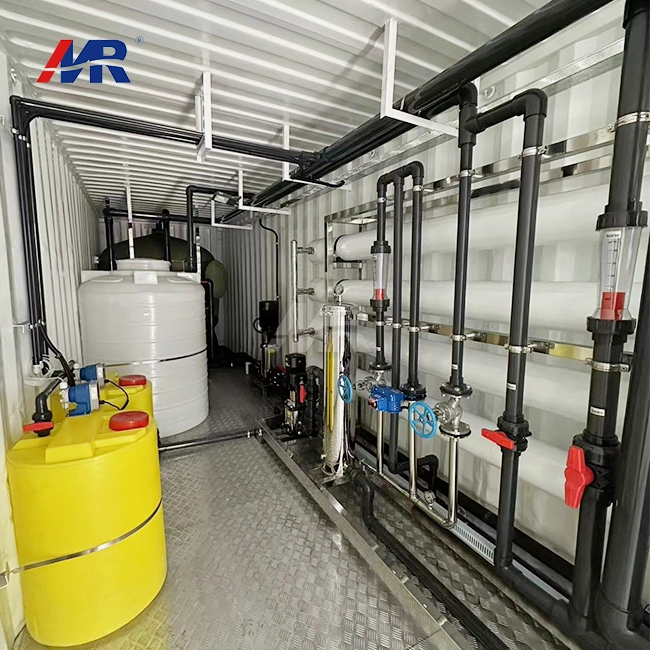
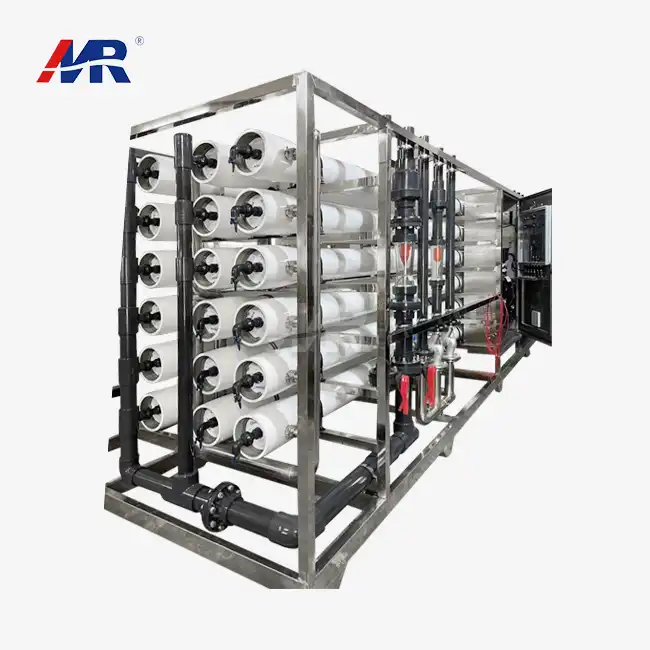
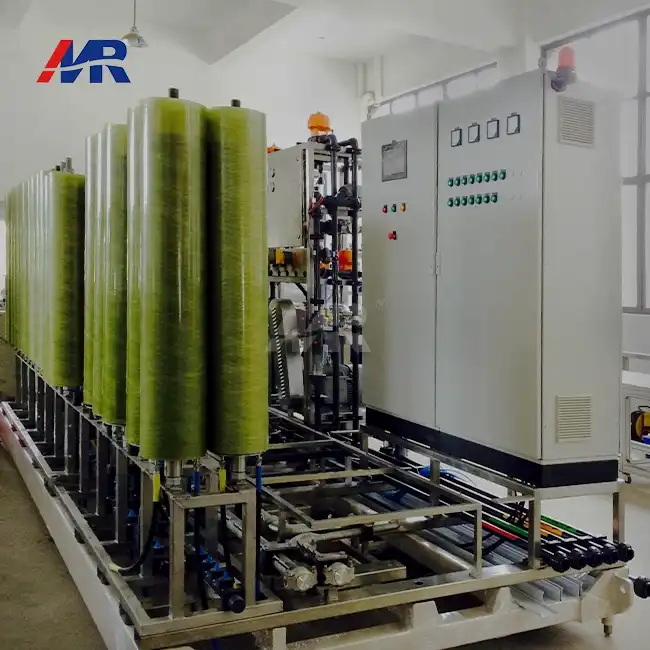
With more than 19 years of experience in membrane-based leachate treatment systems, Morui sticks out as a full-service solution provider. Their MR-DTRO-30TD model is an example of advanced tech that works to solve problems in the real world.
The company makes leachate treatment better by combining membrane and equipment production. They make about 10,000 membrane modules with high salinity and high organic load each year.
There are more than 500 people who work with Morui, including 20 engineers who work on water treatment. This level of technical knowledge lets us quickly solve problems and make products better based on input from 14 global branches.
Advantages of technology
- Modular design can hold between 50 and 500 m³/day. It has advanced automation and IoT monitoring.
- Advanced automation with IoT monitoring capabilities
- Materials that don't rust can handle pH levels from 2 to 12.
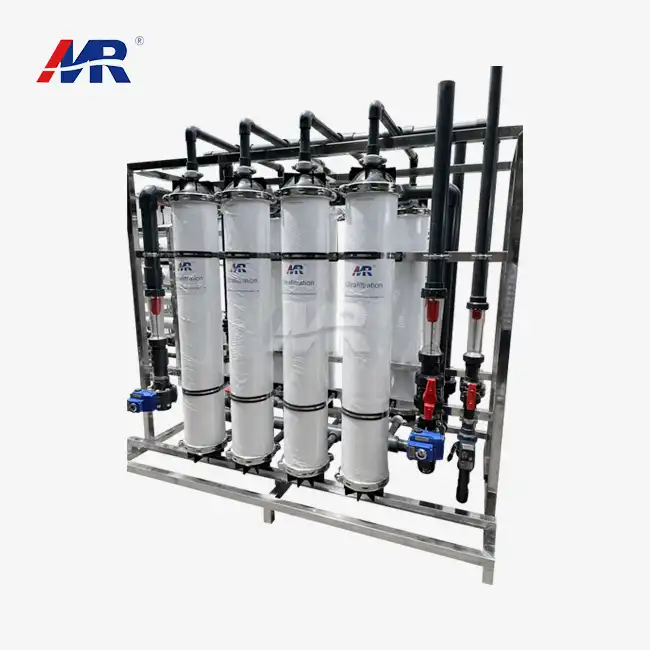
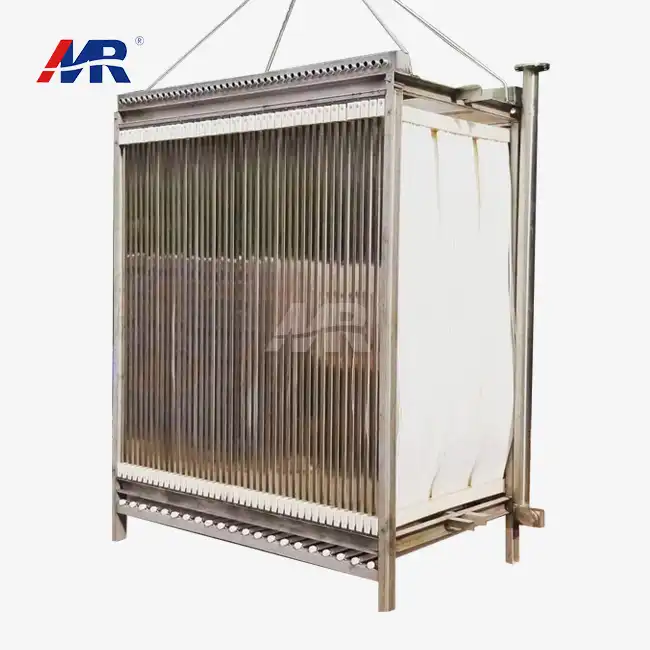
- Integrated MBR pretreatment keeps membranes from getting dirty.
- Optional modules for zero liquid discharge (ZLD) are available.
- 20 to 35 days for delivery, with full commissioning included
Their solid partnerships with Shimge pumps, Runxin valves, and Createc instrumentation make sure that the parts are reliable and not too expensive. The business has ISO 9001, CE, and RoHS Certifications for markets all over the world.
Morui's customer service puts building long-term relationships ahead of making sales. They use lifetime maintenance plans, emergency troubleshooting, and system optimization visits to make sure that performance and equipment last as long as possible.
Veolia Water Technologies - Global Scale Solutions
Veolia has been treating water for cities and industries for decades, and now they are bringing that experience to the leachate treatment sector. Their DTRO devices work perfectly with the infrastructure already in place at landfills and always follow the rules.
The company is good at managing big projects and putting together complicated systems. They are great for sites that need treatment capacity beyond 200 m³/day, where their technical teams can make the most of numerous treatment stages to get the best results.
Veolia's worldwide service network has local teams in more than 40 countries, so it can give support like no other. Their predictive maintenance services use remote monitoring to stop equipment from breaking down and to make sure that chemicals are given in the right amounts.
Important Features
- Proven success in installing over 1,000 landfills
- Full warranty programs that promise performance
- Advanced process control systems that work with SCADA
- High-pressure pumping systems made particularly for tough leachates
- Systems that recuperate energy save operating costs by 25%.
- Full lab services for making systems work better
Their DTro membrane modules have better spacer designs that keep suspended particles and biological growth from being stuck to them. The systems have automated cleaning methods that keep the permeate quality the same while extending the life of the membranes.
Suez Water Technologies - Innovation Focus
Suez's leachate treatment solutions focus on digital integration and new technologies. Their DTRO Landfill Leachate Treatment systems use AI to forecast when maintenance is needed and to automatically optimize operating settings.
Company R&D spends roughly $100 million a year to make the chemistry of membranes and the design of systems better. Their newest DTRO modules feature 15% higher flux rates and better rejection rates.
Suez’s digital platform allows real-time monitoring, performance analysis, and proactive maintenance planning, with remote data access and automatic notifications for system changes or repairs.
Important Things About Technology
- Optimization techniques that use AI
- Membrane surfaces that don't get dirty easily
- Modular skid designs for quick setup
- Advanced techniques for administering antiscalant
- The ability to diagnose and fix problems from a distance
- Full training packages for operators
Their dedication to protecting the environment goes beyond how well they treat waste; it also includes designs that use less energy and parts that can be recycled. Compared to traditional RO methods, Suez systems usually use 20–30% less energy.
Regional Market Analysis: Asia, South America, and Africa
Knowing how markets work in different regions helps you choose the best suppliers and set up systems that work best for your area. For leachate treatment methods, each region has its own set of problems and challenges.
Features of the Asia-Pacific Market
Rapid urbanization and industrialization in Asia are driving up demand for improved leachate treatment solutions. China, India, and Indonesia are all making their discharge rules tighter and making their landfills bigger to manage more trash.
As governments focus more on technology transfer and domestic content requirements, local manufacturing skills are becoming more and more vital. Suppliers having factories in several regions of the country can offer low prices and make sure that parts are available quickly.
Due to the monsoon climate, leachate volume and concentration vary seasonally. System designs must adapt to these changes, with automated controls ensuring smooth treatment during high flow periods.
How the South American market works
When Brazil, Argentina, and Chile's environmental rules are in line with international norms, it is possible to use advanced treatment technology. Mining and farming create complicated leachates that need special care.
From an economic point of view, providers who offer flexible financing alternatives and phased deployment schedules are better. Local service skills are very important since certain areas have limited technical infrastructure and sites that are far away.
Corrosion resistance is very important in coastal sites because salt exposure speeds up the breakdown of equipment. Suppliers need to say what materials and protective coatings are best for long-term reliability.
Opportunities in the African Market
Building infrastructure in sub-Saharan Africa makes people want treatment systems that are reliable and easy to care for. In places where the grid isn't very strong, solar-powered DTRO systems are becoming more popular.
For technology transfer, suppliers who teach and improve local skills are better. Simple, strong designs work better than complicated ones since they are easier to fix and find parts for.
Leachate recycling methods are becoming more appealing because of problems with water scarcity. Zero liquid discharge systems can give you useful process water and get rid of disposal costs at the same time.
Implementation Considerations and Purchasing Recommendations
When buying a leachate treatment system, you need to carefully look at both technical and business issues. Smart buyers make detailed requirements that meet their current demands and leave room for future growth.
A full leachate analysis should be part of site characterization. This should include pH, COD, BOD, ammonia nitrogen, heavy metals, and total dissolved solids. To get the highest levels of contamination and flow rates, monitoring must be done all year round because they change with the seasons.
The properties of the leachate and local discharge rules will determine what kind of pretreatment is needed. Biological pretreatment may be needed for systems that deal with young leachate, while chemical precipitation and pH correction may help aged leachate.
To comply with the rules, you need to know what the present requirements are and what changes are expected in the future. The best vendors offer performance guarantees and help with permit applications and submissions to regulatory bodies.
The total cost of the project includes the cost of the equipment, installation, commissioning, training, and ongoing maintenance. Ask for specific cost breakdowns that show the difference between capital and operating costs over the system's estimated lifespan.
Smart Ways to Buy Things
- Ask for pilot testing of complicated leachate profiles
- Check out the local service skills of your suppliers.
- Look at the entire cost of ownership over a period of 15 to 20 years.
- Check to see if the membrane works with the chemistry of your leachate.
- Check the levels of automation and the skills needed by operators
- Check the terms of the warranty and the performance guarantees
Industry Trends and Future Outlook
The DTRO Landfill Leachate Treatment market is changing quickly because of new membrane technologies, AI-driven system optimization, and an emphasis on being environmentally friendly. Advanced materials are making membranes that last longer, and the circular economy is driving the need for resource recovery systems that do more than merely manage waste.
Conclusion
When choosing the best DTRO Landfill Leachate Treatment supplier, you need to carefully look at their technical skills, the quality of their manufacturing, and the support services they offer after the sale. There are many good suppliers in the global market, but Morui stands out as the best choice for challenging applications since it has specialized experience, a wide range of manufacturing capabilities, and quick customer support. Their established track record in a wide range of regions and their commitment to building long-term connections with customers mean that your leachate treatment investment will work reliably and meet all regulations for decades to come.
Frequently Asked Questions
1. What makes DTRO technology better than regular RO for treating leachate?
The open channel designs of DTRO membranes keep suspended particles and biological growth from leaching into clogging them up. The disc-tube setup lets you get more out of your feed (50–70% instead of 30–50%) and can handle changing feed circumstances that would hurt spiral-wound membranes.
2. How do I find out what the correct amount of space my landfill needs?
Use the amount of garbage, rainfall data, and site hydrology to figure out how much leachate is made on average each day. Add a buffer of 25% to 50% of capacity to account for seasonal changes and future growth. Most providers have modular designs that let you add more capacity when you need it.
3. What kind of pretreatment do DTRO systems usually need?
Screening, adjusting the pH, and biological treatment for young leachate are all standard steps in pretreatment. Chemical precipitation or advanced oxidation may be needed for very strong leachate. Based on a thorough study of the leachate, your supplier should suggest the best treatments.
Partner with Morui for Advanced DTRO Landfill Leachate Treatment Solutions
Morui's all-encompassing method for treating leachate uses tried-and-true technology and timely support to keep your systems functioning smoothly. Our MR-DTRO-30TD system works great in a wide range of situations and meets tough environmental regulations all over the world.
As a top maker of DTRO Landfill Leachate Treatment, we know that each site has its own problems that need to be solved in a unique way. Our engineers work together with your technical personnel to make sure that the system configurations are as efficient and reliable as possible.
Our global service network guarantees quick response times and full support for the entire life of your system. Morui has the knowledge and tools to help you succeed in the long term, from the first design to the commissioning and continuous maintenance.
Are you ready to find out how our cutting-edge DTRO technology may help you with your leachate treatment problems? Our technical experts are ready to talk about your needs and make customized system recommendations. For a full consultation and a personalized proposal, email us at benson@guangdongmorui.com.
References
1. International Solid Waste Association. "Global Waste Management Outlook 2024: Advanced Leachate Treatment Technologies." ISWA Technical Report Series, Volume 15, 2024.
2. Chen, L., Wang, M., and Rodriguez, A. "A Comprehensive Review of the Performance of DTRO Systems in Treating Landfill Leachate." Journal of Environmental Engineering, Volume 149, Issue 8, 2024.
3. The Environmental Protection Agency. "Best Available Technologies for Treating Landfill Leachate: 2024 Update." Technical Bulletin from the EPA Office of Water, 2024.
4. Kumar, S., Thompson, R., and Liu, X. "Economic Analysis of Advanced Membrane Technologies for Leachate Treatment in Developing Countries." Water Research International, Volume 201, 2024.
5. Global Water Intelligence. "Membrane Technologies Market Report: Analysis of the Leachate Treatment Sector from 2024 to 2029." GWI Market Research Division, 2024.
6. "Design Guidelines for DTRO-Based Leachate Treatment Systems: Industry Best Practices 2024" from the Association of Environmental Engineers. AEE Technical Standards Committee, 2024.