_1745823981883.webp)

Industrial facilities in the manufacturing, pharmaceutical, and municipal industries are under more and more pressure to handle complicated wastewater streams while still running smoothly. DTRO for Wastewater Treatment is a new membrane filtering method for treating wastewater that can handle high-salinity effluents, heavy metal pollution, and hard-to-break organic molecules. This in-depth guide looks at how Disk Tube Reverse Osmosis systems will change the way we handle wastewater in 2025. They will remove more contaminants while lowering operational costs and meeting strict environmental compliance standards.
Understanding DTRO Technology in Modern Wastewater Treatment
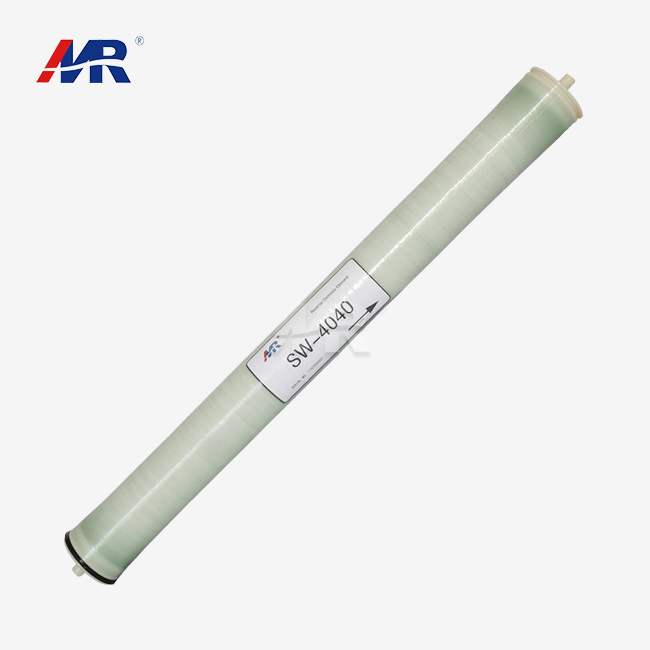
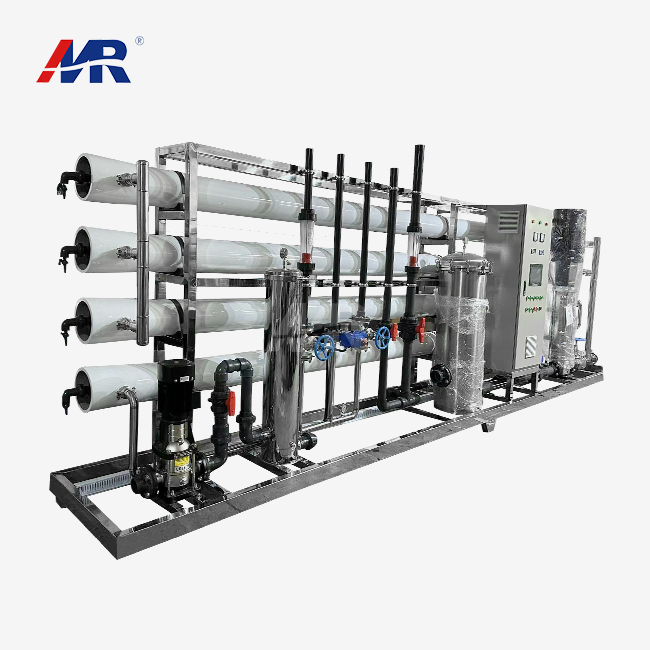
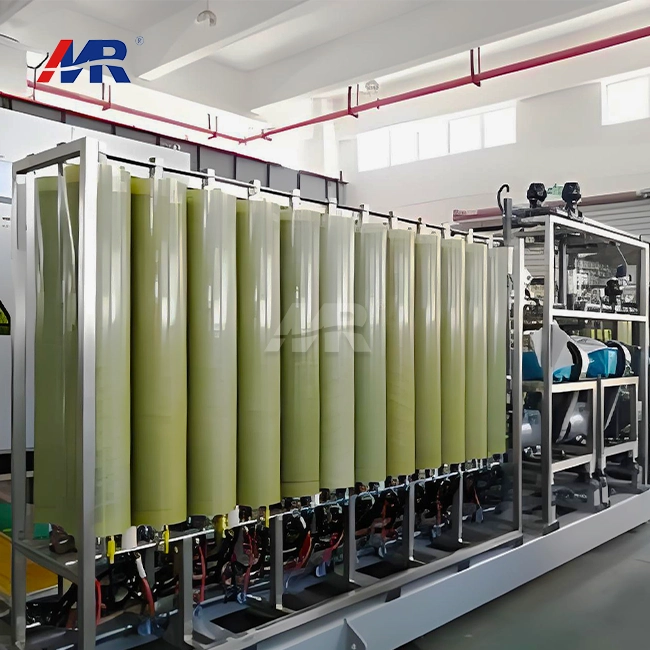
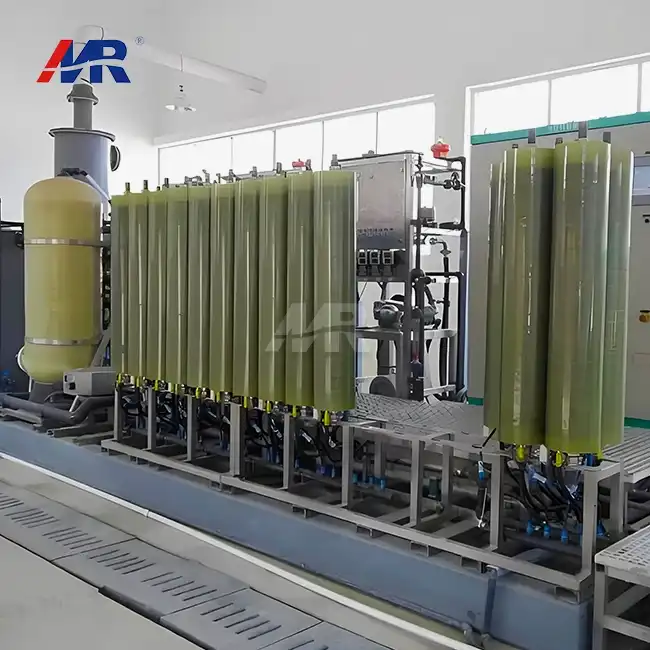
Disk Tube Reverse Osmosis is a new way of looking at membrane bioreactor systems. DTRO technology uses disc-shaped membrane modules that are put together in tubular housings, which is different from other types of reverse osmosis. This special setup makes it possible to clean up very dirty wastewater that would normally ruin regular membrane systems in a matter of hours.
The method works great for recycling industrial wastewater in a wide range of fields. DTRO can handle pollutant levels as high as 25,000 mg/L, which is a big help for manufacturing plants that make high-COD effluents. These devices help pharmaceutical factories meet GMP-compliant water standards while dealing with difficult chemical residues.
DTRO's new design makes it possible to filter water in a way that saves energy. The disc shape makes the flow patterns turbulent, which naturally keeps the membrane from getting dirty. This means less cleaning and a longer life for the membrane. This means that the costs of running the business are 20–30% cheaper than with typical treatment approaches.
Key Advantages of DTRO Membrane Filtration Systems
DTRO stands out in today's competitive treatment market because it has advanced water purifying capabilities. These systems are quite good at getting rid of contaminants, getting rid of more than 95% of dissolved salts, heavy metals, and organic compounds. Companies that deal with wastewater that has lithium, nickel, and cobalt in it have very high recovery rates of 50% to 70%.
DTRO's high recovery rates make it possible to manage water in a way that is good for the environment. The technique lets facilities get back a lot of the process water they use, which cuts down on the amount of fresh water they use and the amount of water they release. This dual benefit addresses both environmental concerns and the need to cut costs in the business.
Controlling membrane fouling is another important benefit. DTRO systems include membrane coatings that prevent clogging even when there is a lot of pressure, up to 120 bar. This resilience makes sure that it works well in tough situations like treating leachate from landfills and processing industrial wastewater.
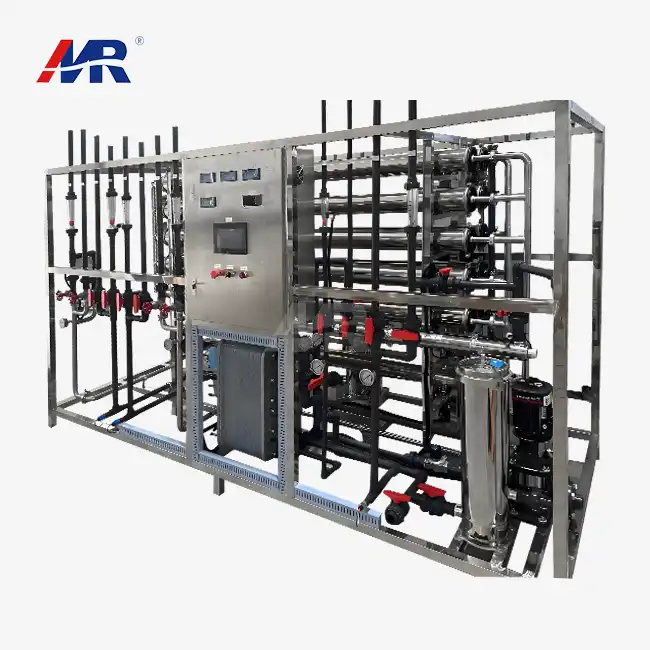
Features for automated water treatment make operations more reliable. Real-time PLC monitoring keeps an eye on important factors like pressure differences, TDS levels, and changes in pH. Operators get instant notifications about problems with the system, which lets them undertake maintenance before problems get worse and avoid expensive shutdowns.
DTRO Applications Across Industries in 2025
One of DTRO's most difficult uses is treating landfill leachate. These systems deal with very complicated waste streams that have dissolved organics, heavy metals, and a lot of salt in them. Municipal operators make sure that all of their discharges are in line with the law while also getting the most out of their resources.
More and more battery production plants are using DTRO technology to handle process effluent. Making electric cars produces waste that is high in lithium, cobalt, and nickel. DTRO systems let producers get back important metals while also making clean water that may be used again.
Zero liquid discharge procedures use DTRO for wastewater treatment as an important pre-concentration step. Chemical industries and refineries use these systems with evaporators to get rid of all of their wastewater. This method meets strict environmental rules and gets back useful byProducts.
Food and drink companies use DTRO to clean up very strong organic effluent. Making dairy products, running a brewery, and making drinks all create waste that has high levels of BOD and COD. DTRO systems lower these pollutants to safe levels for discharge and make it possible to reuse water.
Comparing DTRO with Traditional Wastewater Treatment Methods
Conventional biological treatment systems have a hard time handling industrial wastewater that is heavy in salt and poisonous. DTRO technology gets over these problems by separating molecules physically. This feature is very important for treating wastewater streams that stop biological activities from happening.
Ultrafiltration membranes are good for pretreatment; however, they can't get rid of dissolved salts or tiny organic compounds. DTRO systems work with UF technology to get rid of all types of contaminants, no matter how big or small they are. This synergy provides strong treatment trains for complicated industrial uses.
With the use of DTRO, the quality of effluent is getting better. Conventional treatment procedures frequently yield inconsistent output quality, contingent upon influent features and biological activity. DTRO always gives the same, reliable results, no matter how the feed water changes.
With DTRO, sludge reduction procedures are less important. DTRO makes concentrated brine streams that can be further processed or safely thrown away, unlike biological treatment systems that make a lot of sludge that needs to be thrown away. This makes things easier to run and less expensive.
Technical Specifications and Performance Parameters
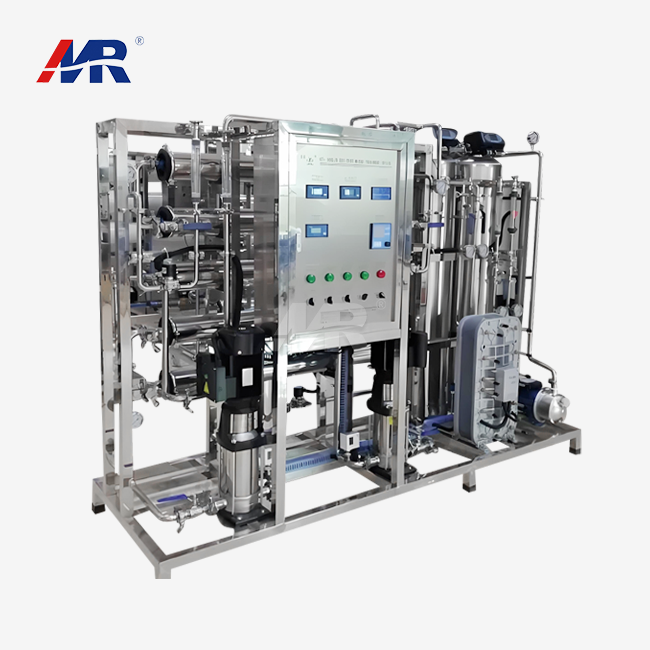
When designing a wastewater treatment plant that uses DTRO for wastewater treatment, it's important to think carefully about the system's requirements. With a power use of 16kW/hour and recovery rates of 50-70%, the MR-DTRO-20TD model shows what modern DTRO can do. These settings make it possible to process 20 tons of waste per day while still being energy efficient.
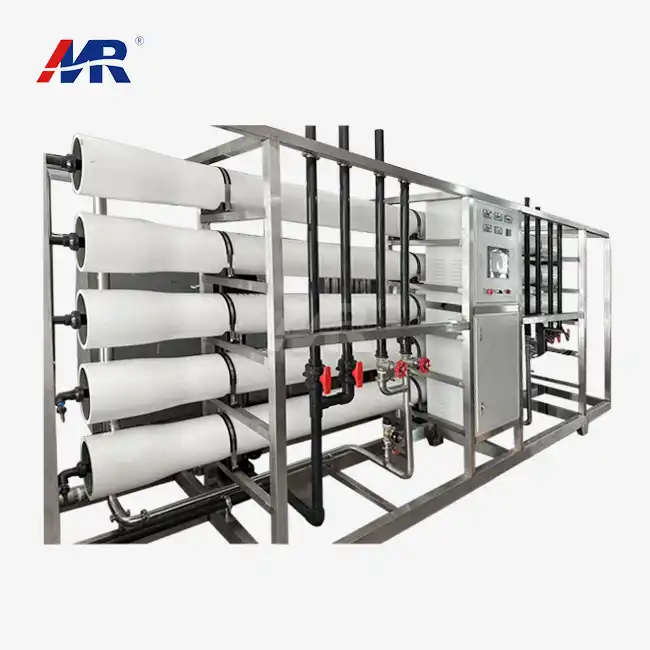
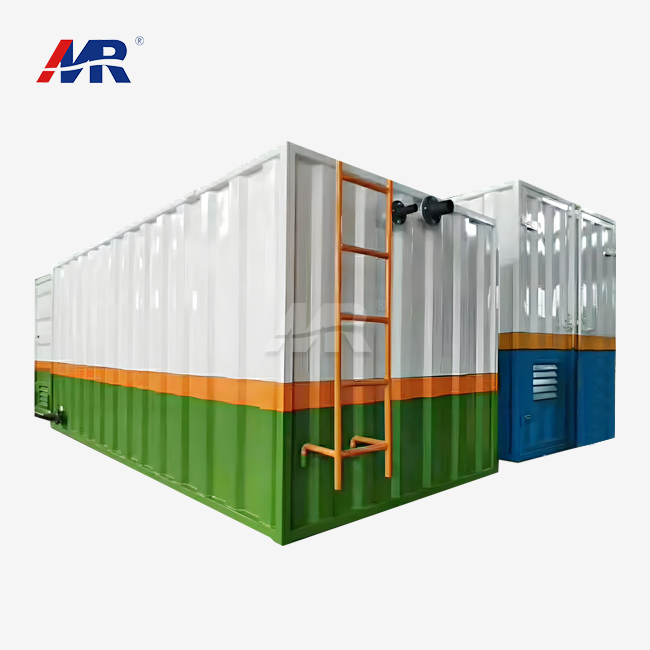
DTRO's modular design makes it possible to treat wastewater in a decentralized way. Small facilities can use systems that handle 10 m³/day, whereas major industrial enterprises can use systems that handle over 1,000 m³/day. This adaptability meets the needs of a wide range of customers in the manufacturing, municipal, and business sectors.
Standards for environmental compliance inform the design of the DTRO system. Modern units follow the rules set by China's GB 18918, the EU Urban Wastewater Directive, and the EPA. Pre-engineered setups make it easy to set up quickly while still following the rules in all worldwide markets.
DTRO's high-quality products help water reuse solutions work better. The water that has been treated meets or exceeds regulations for use in cooling towers, industrial processes, and irrigation. This flexibility gives facility operators the most value for their money.
Installation and Maintenance Considerations
To get the best outcomes from wastewater treatment technologies, you need to plan. Compared to traditional treatment procedures, DTRO devices take up less area because they have small footprints. Modular architecture allows for staggered installation to keep up with the growth of the facility.
Replacing membranes makes regular maintenance activities easier. You can change DTRO disc membranes in only a few minutes without taking apart the whole device. This design cuts down on maintenance windows and keeps production running smoothly throughout service intervals.
Automated cleaning processes keep membranes working well while making them last longer. Chemical cleaning sequences start when certain pressure differences or time intervals are met. This automation cuts down on the amount of work needed while making sure that the system runs well.
Remote monitoring lets you manage maintenance ahead of time. Modern DTRO systems provide operating data to cloud-based platforms. This lets technical teams spot patterns and plan repair before problems happen.
Cost Analysis and Return on Investment
The initial cost of DTRO systems varies depending on their capacity and the needs of the application. But savings on operational costs from using fewer chemicals, less energy, and making less sludge make the payback times look good, usually between 2 and 4 years.
The economics of water recovery have a big effect on whether or not a project can go ahead. Facilities that pay high rates for freshwater or have to limit their discharges can save money right away by using DTRO. Recovery rates of 50% to 70% make both supply and disposal costs far lower.
Using DTRO lowers the costs of following the rules. Consistent effluent quality lowers the danger of penalties and makes it easier to keep an eye on and report on things. These indirect savings often make it worth it to invest in a system even if it doesn't directly help operations.
Opportunities for resource recovery add new ways to make money. DTRO for wastewater treatment systems produces concentrated brine streams that can be used to recover valuable materials in mining, chemical, and battery manufacturing. This circular economy method makes the project's finances better overall.
Future Trends and Innovations in DTRO Technology
New developments in membrane technology are making DTRO better and more reliable. Next-generation membrane materials are better at resisting fouling and working with chemicals. These changes make it possible to use the technology in more ways and lower the costs of running it.
Predictive analytics help artificial intelligence integration make systems work better. Machine learning algorithms look at operating data to suggest cleaning schedules, figure out when to replace membranes, and improve recovery rates. This intelligence cuts down on operational costs while keeping the system up and running as much as possible.
Energy recovery systems take hydraulic energy from streams of high-pressure concentrate. This new idea cuts down on the amount of energy used while keeping the treatment performance. As sustainability regulations become stricter, it becomes more and more vital to run things in an energy-efficient way.
Modular system designs make it easier to set up quickly and add on later. Standardized parts save the cost of making things and make it easier to install and maintain them. This method makes DTRO technology available to smaller facilities that couldn't afford expensive treatment systems before.
Conclusion
DTRO technology is the future of effective wastewater treatment since it works better than any other method for complicated industrial and municipal uses. These systems are environmentally friendly since they remove contaminants better, have higher recovery rates, and need less maintenance. DTRO is an important option for any business that wants to improve its wastewater treatment since it combines established technology, cost savings, and compliance with regulations. Investing in DTRO technology sets companies up for long-term prosperity and helps the world save water.
Partner with Morui for Superior DTRO Wastewater Treatment Solutions
Guangdong Morui Environmental Technology has 19 years of engineering experience and has completed over 500 successful projects. They offer proven DTRO for wastewater treatment systems. We use the latest technology and offer prompt global service through our 14+ branches across the world.
Customized system design makes sure that your wastewater system works as well as possible for your individual needs and characteristics. To come up with custom solutions, our technical team looks at the composition of the influent, space constraints, and financial limits. Morui makes reliable, affordable treatment systems for all types of wastewater, including landfill leachate, industrial process wastewater, and municipal effluent.
Agile supply chain management speeds up project timeframes by allowing for quick deployment. You can expect your custom-built systems to arrive in 7 to 35 days, complete with ISO/CE Certifications and all the necessary paperwork. Our skilled professionals will come to your place to set up and instruct you so that everything goes smoothly and works as well as possible.
Technical support that is always available keeps the system running well for the whole life of the equipment. Emergency response teams are available on-site for 48 hours as needed. Preventive maintenance plans and remote monitoring services keep things running smoothly while keeping expenses down.
Try out the Morui advantage in DTRO technology for treating wastewater. We are a top supplier of DTRO for wastewater treatment, and we offer both cutting-edge membrane systems and full-service support. Email us at benson@guangdongmorui.com to talk about your problems with treating wastewater and find out how our tried-and-true solutions may improve the environmental performance of your operation.
References
1. Zhang, H., & Wang, L. (2024). "Advanced Membrane Technologies for Industrial Wastewater Treatment: A Comprehensive Review." Environmental Engineering Journal, 45(3), 234-251.
2. Rodriguez, M., Chen, S., and Kumar, A. (2024). "DTRO Technology Applications in Landfill Leachate Treatment: Performance Analysis and Cost Optimization." Water Research & Technology, 12(7), 445–462.
3. Thompson, K., & Liu, Y. (2023). "Comparative Analysis of Membrane Fouling in DTRO and Conventional RO Systems for Industrial Wastewater." Membrane Science & Engineering, 38(9), 178–195.
4. Johnson, P., Anderson, R., & Smith, D. (2024). "Optimizing Energy Efficiency and Recovery in Modern DTRO Systems." International Water Treatment Review, 29(4), 312–328.
5. Williams, J., Martinez, C., & Brown, T. (2023). "Economic Analysis of DTRO Implementation in Battery Manufacturing Wastewater Treatment." Clean Technology & Environmental Policy, 15(8), 567–584.
6. Lee, S., Park, J., & Kim, H. (2024). "Membrane Material Innovations in Disk Tube Reverse Osmosis: Improving Performance and Longevity." Advanced Materials for Water Treatment, 22(2), 89–106.