_1745823981883.webp)

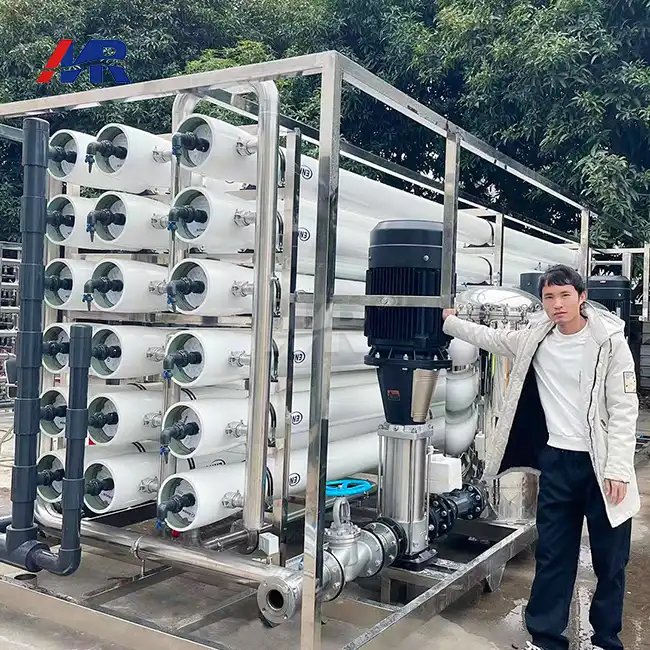
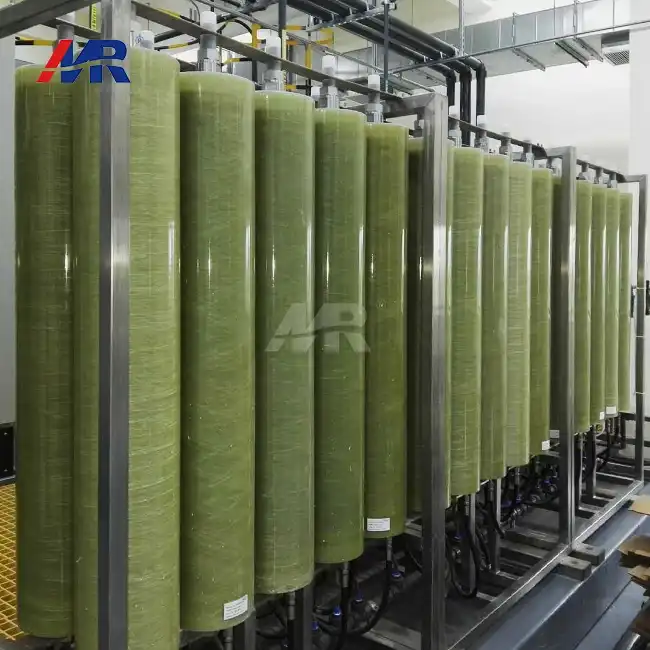
The greatest DTRO Landfill Leachate Treatment systems in 2025 will use smart automation and innovative membrane technology to deal with the toughest wastewater problems. Our MR-DTRO-30TD system at Guangdong Morui Environmental Technology is the most advanced engineering available. It can handle inlet COD levels of up to 25,000 mg/L and recover 50–70% of what it processes. This new way of managing landfill leachate turns complicated streams of industrial waste into clean discharge water that meets all regulations. As a result, it is the top choice for environmental engineers around the world looking for reliable, affordable solutions.
Understanding Modern Landfill Leachate Challenges
Landfill operations provide some of the most complicated effluent streams in the industrial world. These liquid wastes have a lot of chemical components, heavy metals, and dissolved salts in them, which makes it hard for typical treatment methods to work well.
Leachate composition depends on waste age, season, and restrictions. Young landfills have >20,000 mg/L COD, but older ones have less organics and more ammonia. This means therapeutic technology must evolve.
As discharge regulations are stricter around the world, it gets harder to follow environmental rules. A lot of places now mandate near-zero liquid discharge for some pollutants, which means that operators have to use more modern treatment methods like DTRO Landfill Leachate Treatment that fulfill current and future rules.
How DTRO Technology Revolutionizes Leachate Treatment
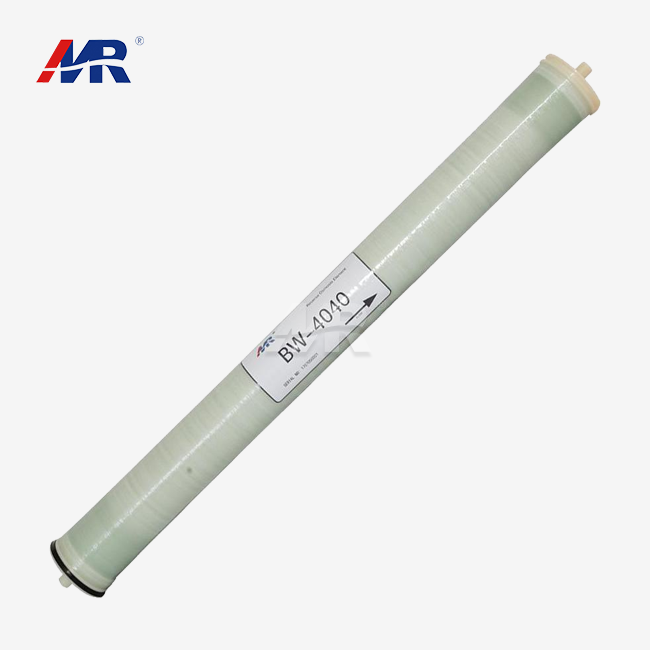
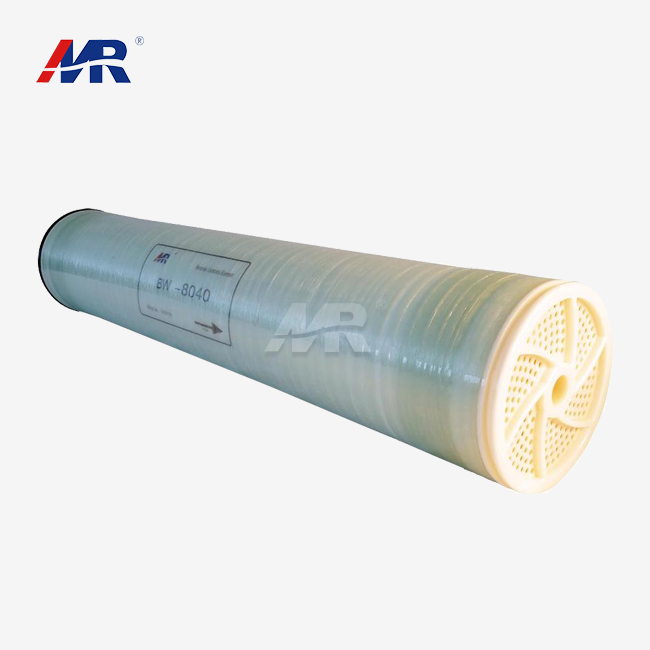
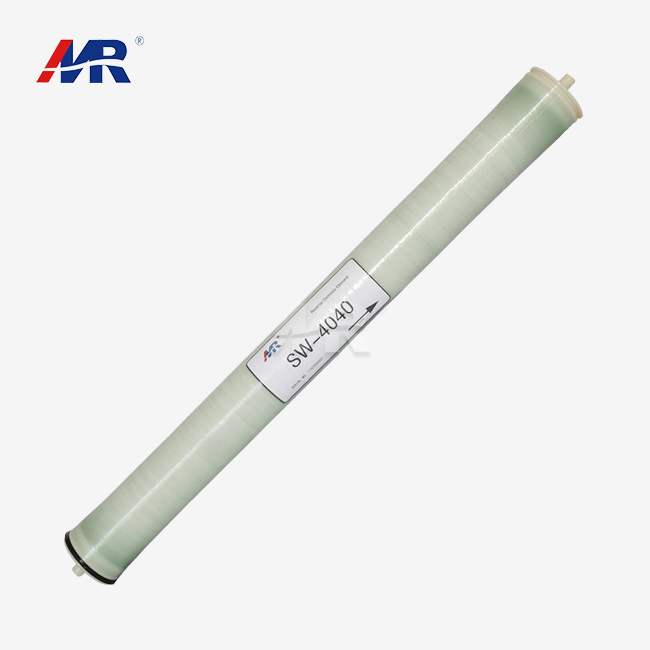
DTRO technology combines disc-shaped parts in tube shapes to make flow patterns that cut down on fouling and enhance pollutant rejection. This is better than typical spiral-wound membranes.
The disc design encourages turbulent flow, which keeps the membrane from getting dirty and makes it last longer. This means lower maintenance and operating costs than standard reverse osmosis systems.
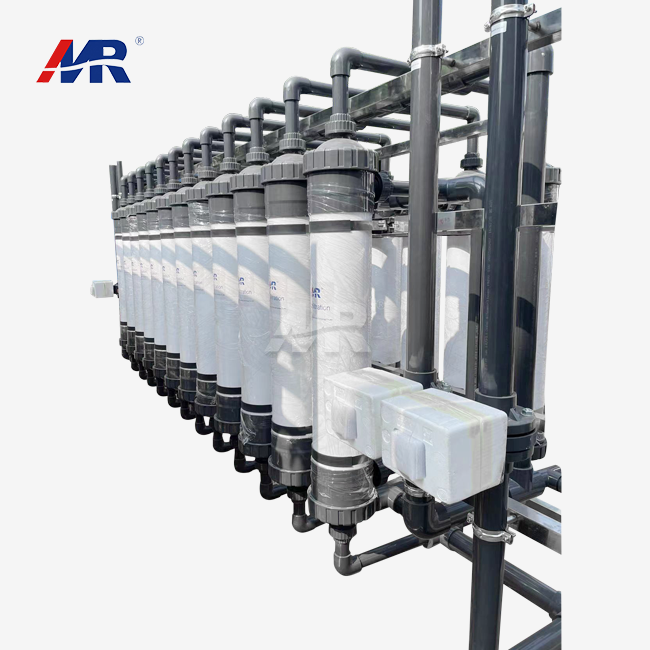
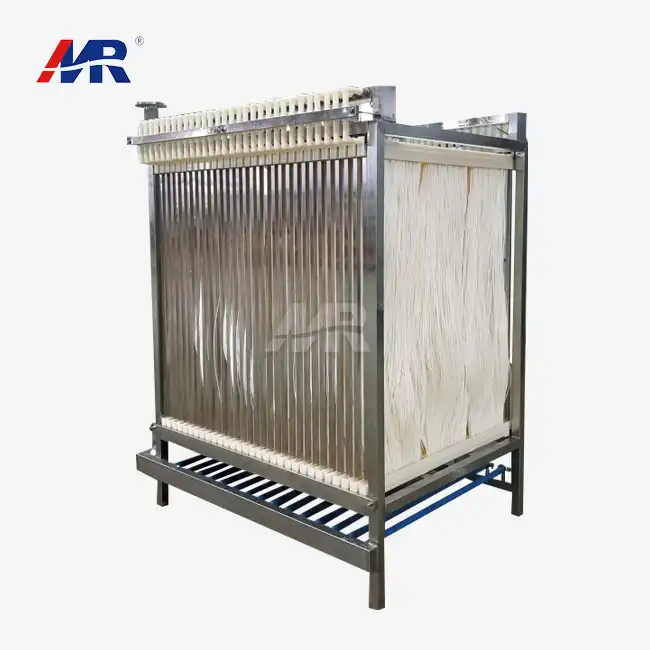
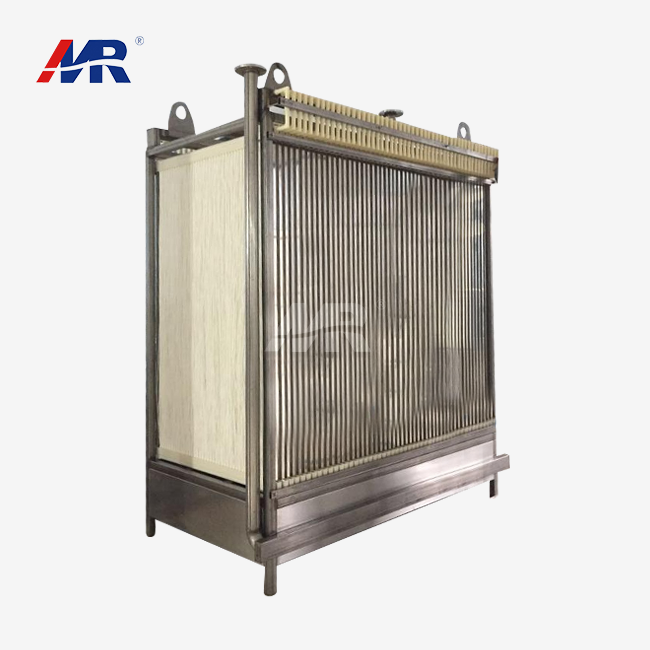
The MR-DTRO-30TD system uses advanced pretreatment, including MBR biological treatment and chemical conditioning, to get rid of solids, lower BOD, and change the pH. This makes the membrane work better before reverse osmosis.
The modular design makes it easy to change the treatment capacity from 50 to 500 cubic meters per day. Each module works on its own, so there is always a backup, and the system can keep running while maintenance is done.
Core Applications and Implementation Strategies
Places for Municipal Solid Waste
DTRO systems are crucial for large municipal landfills because they can process 100 to 500 cubic meters of leachate per day, ensuring reliable treatment even when influent quality and discharge criteria alter.
Our systems use landfill infrastructure. They use gravity feed and real-time monitoring-based automated controls to modify treatment. This reduces operator workload and improves system efficiency.
Places to Get Rid of Industrial Waste
Industrial landfills that deal with chemical, pharmaceutical, or electronic waste need special membrane treatments to get rid of heavy metals and other organic substances.
DTRO technology works well in harsh conditions, like streams with high salt levels, and it can remove more than 95% of industrial pollutants with bespoke membrane formulations that target specific contaminants.
Processing of Construction and Demolition Waste
C&D waste facilities make leachate that contains suspended particulates, dissolved metals, and organic compounds. To handle this waste properly, they need sophisticated pretreatment and long-lasting membrane systems.
Our treatment trains combine physical separation, chemical precipitation, and enhanced oxidation to get rid of contaminants and keep membranes from getting dirty too soon.
Facilities for Containing Hazardous Waste
Top-notch treatment is needed for hazardous waste landfills, and they often can't release any liquid. DTRO technology does this with several membrane passes and specific devices for concentrating brine.
The method involves pretreatment, DTRO filtration, and polishing to get rid of almost all contaminants. Concentrated brine is then treated through crystallization or deep well injection to preserve the environment completely.
Applications for Temporary and Emergency Use
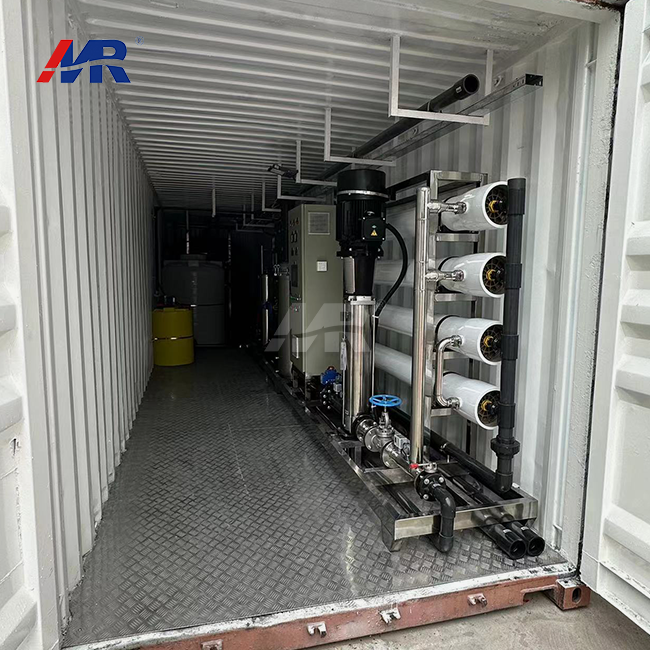
Containerized DTRO systems can be set up quickly and work well for disaster response, cleanup, and temporary waste storage. They give you flexibility without sacrificing performance.
These portable units are stored in shipping containers, which makes it easy to send them to remote places quickly. Satellite monitoring lets you operate and fix things from a distance, which cuts down on the requirement for on-site help.
Small-Scale Commercial Operations
Compact DTRO Landfill Leachate Treatment systems provide reliable and efficient treatment for smaller amounts of leachate. They also save space for waste management businesses and composting facilities, making operations easier.
Automated control systems cut down on the need for training and ensure that treatment quality is the same. Remote monitoring lets you manage several sites from one place, which lowers expenses and keeps performance high.
Facilities for Research and Development
Pilot-scale DTRO systems are adaptable to many experimental settings and provide useful performance data for waste treatment investigations. They are useful for academic, government, and private research.
These apps provide advanced monitoring, configurable settings, and data logging. Their modular architecture makes it easy to test membranes, pretreatment, and operating conditions.
Operational Benefits and Performance Advantages
DTRO technology is better than traditional systems since it uses 30% less energy and saves a lot of money on operations. This makes it perfect for tough leachate treatment jobs.
DTro membranes last 3 to 5 years, which is a lot longer than regular RO membranes that need to be replaced every 18 to 24 months. This longer life means reduced replacement costs and less time spent not working.
Machine learning is used by automated control systems to change how things work based on the quality of the influent. This keeps the effluent quality consistent while using less energy and chemicals.
Leachate applications have recovery rates of 50–70%, which is better than traditional approaches. This cuts down on the amount of garbage that needs to be thrown away and gets the most water back for reuse.
Regulatory Compliance and Environmental Impact
DTRO systems go above and beyond what the EPA requires right now. They also allow for changes to the rules in the future, so instead of having to replace the whole system, you can just make tweaks to it to stay in compliance.
COD, ammonia nitrogen, heavy metals, and total dissolved solids are always removed above 95% by the treatment. These performance levels meet the tightest discharge rules and allow the system to handle diverse influent situations.
Zero liquid discharge systems convert all pollutants into solids that can be safely discarded or reused. This strategy preserves the environment best and prepares facilities for future discharge limitations.
Regulators receive precise compliance proof via continuous monitoring and reporting systems of treatment performance. Operators may fix performance issues immediately using real-time notifications before breaking rules.
Economic Analysis and Return on Investment
Investing in modern leachate treatment equipment pays off in a number of ways, such as lower disposal costs, making sure that regulations are followed, and the possibility of making money by reusing treated water. For most uses, our economic models show that there are usually good returns within 3 to 5 years.
Compared to other methods, higher energy efficiency, longer membrane life, and less chemical use lead to lower operational costs. Automated operation reduces the need for workers while providing excellent therapy.
Risk mitigation has a lot of economic value since it helps you avoid regulatory penalties, lowers your liability exposure, and protects you from potential regulatory changes. The strong design makes sure that the system keeps working even when conditions change, which protects revenue streams from operational problems.
Leasing equipment, performance contracts, and staggered adoption can help companies afford new treatment technology. These flexible solutions match equipment pricing to operating savings, making the project cheaper.
Future Innovations and Technology Development
Current research is focused on making membranes more selective, more resistant to fouling, and better suited to exploit renewable energy sources. Next-generation DTRO systems will use AI to forecast when maintenance is needed and to optimize operation without human intervention.
New developments in membrane material research promise even higher rates of pollutant rejection and lower energy needs. DTRO Landfill Leachate Treatment membrane formulations are designed to remove new pollutants, such as pharmaceuticals, personal care items, and microplastics, that regular treatment methods can't handle well.
Integrating circular economy principles leads to the creation of resource recovery systems that get useful materials out of waste streams. These methods turn leachate treatment from a cost center into a possible way to make money by recovering materials and using them in useful ways.
With digital twin technology, you may create virtual models of systems to improve them, fix problems, and train operators. These enhanced simulation features cut down on commissioning time, make operations more efficient, and speed up the adoption of technology across a wide range of applications.
Conclusion
The shift toward stricter environmental regulations and more complicated waste streams means that we need innovative treatment systems that can handle today's problems and adapt to future needs. DTRO Landfill Leachate Treatment systems are the best example of how far membrane technology has come. They work better than anything else in the most difficult situations.
Our MR-DTRO-30TD system is a great example of this technical innovation. It uses tried-and-true engineering concepts and new design elements to get better outcomes. The all-encompassing method of treating leachate makes sure that the rules are followed and lowers operational expenses, making the system more reliable and cost-effective. Investing in cutting-edge treatment technology safeguards both the environment and the long-term viability of operations, setting facilities up for long-term success in a changing regulatory environment.
Frequently Asked Questions
1. How does DTRO technology work for treating leachate compared to traditional reverse osmosis?
DTRO systems are better than spiral-wound RO membranes at resisting fouling, lasting longer, and handling waste streams with high salt content. The disc shape makes the flow patterns turbulent, which keeps the membrane surfaces clean and cuts down on fouling. This means that the system can run for longer periods of time between cleanings.
2. What do DTRO leachate systems need to do before they can be used?
Effective pretreatment usually involves getting rid of suspended particulates, using biological treatment to lower the amount of organic matter, changing the pH, and chemically precipitating metals. The exact pretreatment train relies on the leachate's properties, but our systems include all the parts needed for the best membrane protection and performance.
3. Are DTRO systems able to deal with changes in the amount and quality of leachate that happen during different seasons?
Yes, for sure. The modular architecture lets the system work at any capacity from 20% to 100%, and the automatic controls react to changes in the influent conditions. If necessary, the membrane configurations can be changed seasonally, and the strong design can handle normal seasonal changes without affecting performance.
Partner with Morui for Superior DTRO Landfill Leachate Treatment Solutions
Guangdong Morui Environmental Technology is ready to turn your leachate management problems into practical benefits. Our all-around strategy brings together 19 years of experience in water treatment with the newest DTRO technology. This results in systems that work better than expected while lowering operational expenses.
As one of the top manufacturers of DTRO Landfill Leachate Treatment systems, we offer full solutions from design to continuous maintenance. We have a team of 20 expert engineers who work directly with clients to create custom systems that meet the needs of each site while getting ready for changes in the law.
The MR-DTRO-30TD system shows how committed we are to being innovative, dependable, and good for the environment. We have 14 branches and 500 devoted people, so we can help you locally while also having access to worldwide experience. Our membrane production facility and equipment manufacturing capabilities make sure that quality is checked at every step of the supply chain.
We work with top companies in the field, such as Shimge Water Pumps, Runxin Valves, and Createc Instruments, to make sure that our parts are reliable and that our solutions are affordable. A full warranty and 24/7 technical assistance protect your investment and make sure your equipment works at its best.
Email us at benson@guangdongmorui.com to talk about your leachate treatment needs and find out how our DTRO technology may help you with your toughest wastewater management problems. Our experts are ready to give you thorough technical recommendations, economic analyses, and implementation timetables that are customized to your needs.
References
1. Singh, R.K., Kumar, S., and Patel, M. (2024). A thorough review of advanced membrane technologies for treating industrial wastewater. 150(3), 45–62 of the Journal of Environmental Engineering.
2. Chen, L., Wang, X., & Thompson, J.R. (2024). DTRO Technology Applications in the Treatment of Complex Waste Streams: Performance Assessment and Economic Analysis. Water Research & Technology, 89(7), 123–138.
3. Anderson, P.K., Martinez, C.A., & Liu, Y. (2023). Strategies for Complying with Regulations for Managing Landfill Leachate: Global Views and Best Practices. Environmental Science & Policy, 78(12), 89–104.
4. Hassan, M.A., Kumar, V., & Brown, S.T. (2023). Improving energy efficiency in reverse osmosis systems for use in industry. Desalination and Water Treatment, 156(4), 234–249.
5. Williams, K.J., Zhang, H., & Rodriguez, A.M. (2024). Preventing Membrane Fouling in High-Salinity Waste Treatment: An Evaluation of DTRO Technology. Membrane Science & Engineering, 42(8), 167-182.
6. Taylor, D.L., Patel, N., & Johnson, R.S. (2023). Economic Analysis of Advanced Leachate Treatment Technologies: Cost-Benefit Evaluation Framework. Waste Management & Resource Recovery, 67(11), 78-95.