_1745823981883.webp)


What Maintenance Does an RO Water Purification Plant Require?
An efficient reverse osmosis water purification plant depends on regular upkeep. A system that is properly maintained makes great water and uses energy in the best way possible. Let's talk about the important maintenance steps that will keep your RO plant working well.
Cleaning membranes and putting new ones in
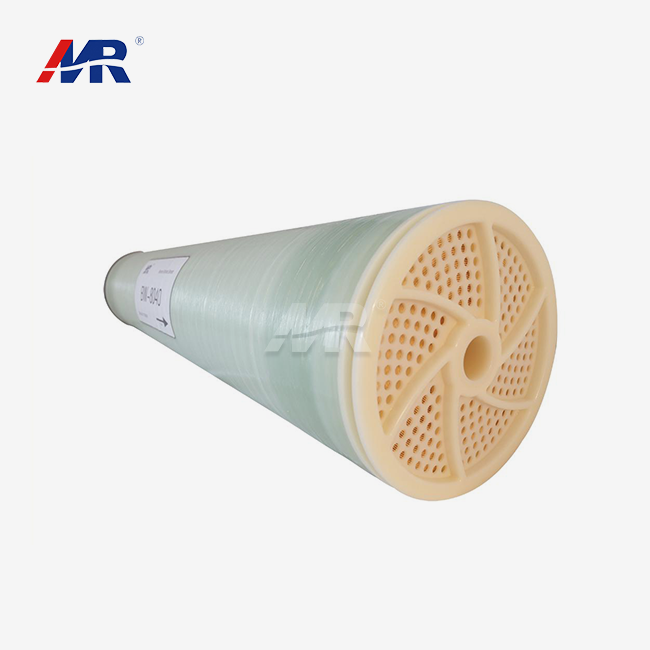
The heart of any RO system is its membranes. These important parts can get dirty with minerals, organic matter, and other things over time. They need to be cleaned often so that they keep working well.
- Do chemical cleanings like the membrane maker says, usually once every three to six months.
- Clean things that are dirty with the right kind of cleaner for the type of dirt on them. For example, use an acid cleaner for mineral scale and an alkaline cleaner for organic fouling.
- Watch the pressure drop across membranes and the flow rates to see when cleaning needs to happen.
- Replace the membranes when cleaning them doesn't get they work again. Based on how often you use the system and the water quality, this is generally required every three to five years.
System Care Before Treatment
Before treatment, the system protects the ro membranes from getting dirty and damaged too soon:
- Backwashing multimedia filters often prevent channeling from happening and ensure that filtration is even.
- Replace cartridge filters when the pressure drop gets too high or on a schedule from the manufacturer.
- For proper operation and dosage, chemical dosing systems should be checked and changed.
- Every month, the ORP, pH, and conductivity sensors should be cleaned and set back to zero.
Caring for the Pump That Works Under High Pressure
The reverse osmosis membranes need to be pushed through by water from a high-pressure pump. This is very important.
- Every week, bearings should be oiled and checked for noise or vibration.
- To keep things from leaking, look at the seals and packings and change them if you need to.
- Watch the flow rate and energy use to see how well the pump works.
Checks of the Control System and Instrumentation
To run this efficiently, it needs to track and control things exactly:
- Every three months, flow meters, pressure gauges, and conductivity meters should be set up to make sure they are working properly.
- You should make sure that alarm systems and automatic shut-offs work every month.
- Make sure you update the software for your control system and back up your data often.
System Care After Treatment
After the treatment, the water quality is tested to be sure it meets a certain level:
- Clean and disinfect storage tanks once a year.
- Replace UV lamps the way the maker says to do it.
- Make sure that remineralization systems have the right amount of minerals by keeping an eye on them and making changes as needed.
Following these maintenance tips will make your RO plant work better and last longer. Regular maintenance keeps your system from breaking down out of the blue and ensures that it runs at peak efficiency. This way, you get high-quality water while using less energy and keeping costs low.
Routine Operating Procedures for Reverse Osmosis Water Purification Plants
Setting up and following standard operating procedures is very important for making sure that your reverse osmosis water purification plant runs smoothly and reliably. These steps keep the water clean, lower the amount of time that tools can't be used, and make the tools last longer. Let's look at the key things that people who work at plants should remember each day.
Daily Checks and Monitoring of the System
Every day, check the whole system:
- Record the pressure, temperature, and quality of the water that will go into the feed.
- Check out the pre-treatment system to see how well it works. This includes how fast chemicals are mixed and how different the filter pressures are.
- Check the pressures, flows, and recovery rates of the RO system.
- Check how good the permeate is by seeing how easily electricity can pass through it.
- Check the system for noises or leaks that aren't normally there.
Finding Patterns in Data and Collecting Data
Keeping good records is important for spotting long-term patterns and possible problems.
- Put all of your business information into one system or a logbook.
- Pay attention to how much energy you use in relation to the water you make.
- For example, look at how the normalized permeate flow changes over time as membranes reject salt.
- Look at the chemical usage rates and change the amounts if necessary.
Looking at the Quality of the Water
As long as the water is tested regularly, people can safely use it, and any problems with the system can be found.
- Test for things like pH, conductivity, and hardness every day at home.
- Do microbiological tests every week to make sure biological control is working.
- Have a lab that has done a lot of work looking at water. Follow the rules and do it every month or whenever necessary.
Changing what the system does
Changing the settings on your system can help it work better and faster.
- Over time, the membrane will perform differently. Change the feed pressure to get the recovery rates you want.
- Change the amount of chemicals given over time if the quality of the feed water changes.
- Fouling trends and membrane performance data can help you make cleaning cycles more effective.
Dealing with Emergencies and Troubleshooting
Being ready for unexpected problems will save you time and keep your tools safe.
- Make sure you always have the latest emergency plans for every type of situation.
- Give train operators basic problem-solving skills.
- Always keep a list of these important extra parts with you.
- To get help right away when you need it, know the names of the people who sell you gear and fix it for you.
Operator Safety Guidelines and Training
Following safety rules and continuing to learn are always important.
- People should get a lot of training on how to use the system, keep it working, and stay safe.
- Make sure that all of the people who work at the plant know about the material safety data sheets (MSDS) for the chemicals that are used there.
- Do safety drills and exercises to turn off the equipment every once in a while.
- Make sure that each shift can talk to the next one so that nothing goes wrong.
If plant managers make sure that these standard operating steps are followed, they can be sure that their reverse osmosis water purifying plants are working well. Regular checks, data analysis, and proactive management not only make the water better, but they also save a lot of money by using less energy and making the equipment last longer. Remember that the key to running a plant is to pay close attention and be ready to make changes quickly when conditions change.
Improving RO Plant Efficiency Through Preventive Measures
Making a reverse osmosis water purification plant work better isn't just about maintaining and operating it. Taking preventive steps can greatly improve performance, lower costs, and make your system last longer. Let's look at some advanced ways to make your RO plant more efficient.
Sophisticated Early Treatment Tools
Putting a lot of money into cutting-edge pretreatment can make your RO system work a lot better.
- Before doing the main filtration, use ultrafiltration (UF) or nanofiltration (NF) to lower the chance of fouling.
- If you want to get rid of dissolved organic matter and colloidal particles, you might want to use electrocoagulation.
- Break down stubborn organic compounds with advanced oxidation processes (AOPs).
Devices that recover energy
Get the most out of your energy by recovering hydraulic energy from the concentrate stream.
- Pressure exchangers or turbochargers should be installed to move energy from the concentrate to the feed stream.
- Make the system design better so that the energy recovery device can work with the requirements of the RO system.
- To get the best performance out of energy recovery devices, make sure to regularly clean and recalibrate them.
Stopping Membrane Fouling
Taking steps to avoid membrane fouling before it happens can greatly extend the life of the membrane and lower how often it needs to be cleaned.
- To lower concentration polarization, either change the feed spacers or use pulsed flow.
- Carefully use antiscalants and biocides to stop scaling and biofouling.
- Think about changing the surface of the membrane or adding coatings to make it more resistant to fouling.
Smart systems for controlling and monitoring
Use advanced monitoring and control technologies to get the best performance:
- Install systems for predictive maintenance that can monitor in real time.
- To get the best operating conditions, use AI and machine learning algorithms.
- For complete plant management, use a SCADA system to monitor and control your data.
Taking Care of Water Quality
Improve the way you manage water quality so that you can meet the needs of the people who use it:
- Use online water quality testers to keep an eye on important conditions all the time.
- Make a full water quality management plan that includes ways to protect the sources.
- For better water quality, make post-treatment processes like remineralization or pH adjustment as efficient as possible.
Long-lasting methods
Use environmentally friendly methods to lower costs and make a smaller impact on the environment:
- Use concentrate recovery systems to get more water back overall.
- Look into using renewable energy sources like solar or wind power to make up for the electricity you use.
- Come up with ways to reuse backwash water and other wastewater.
Operator Training for Skill Development
To keep making things better, put money into your HR:
- Offer advanced courses in the chemistry of water and membrane technology.
- Encourage people who work for you to get professional water treatment operation certificates.
- Encourage a plant-wide culture of innovation and ongoing progress.
By taking these steps, plant operators can make their reverse osmosis water purification plants a lot more efficient. These methods not only make the plant's current operations more efficient, but they also get the plant ready for the future of water treatment technology. Keep in mind that reverse osmosis plants that are able to adapt to new technologies and industry best practices are the most successful.
Frequently Asked Questions
1. How often should I change reverse osmosis membranes?
Many factors affect membrane frequency. This includes feed water quality and operation. RO membranes expire after 3–5 years. A well-maintained membrane can last ten years. Perform membrane checks regularly. If cleaning fails or they're damaged, replace them.
2. How can I improve the efficiency of my RO system?
To improve efficiency, ensure proper pre-treatment of feed water to reduce fouling, maintain optimal operating pressures, conduct regular maintenance and cleaning of membranes, and monitor and adjust system parameters as needed.
3. Saving energy in my reverse osmosis plant?
Save energy with these RO plant tips: 1) Use hydraulic energy concentrate stream tools. 2) Ease pump energy use. 3) Use VFDs to match energy use on high-pressure pumps. 4) Upgrade pretreatment to reduce fouling and increase membrane permeability. 5) Keep the system running by replacing worn parts.
Innovative Reverse Osmosis Water Purification Solutions | Morui
Do you want the most advanced reverse osmosis water purifiers customized for your line of work? Morui Environmental Technology Co., Ltd. is all you need to see. Engineers and technicians on Our Team design, build, and service advanced RO systems for all kinds of uses, from making drinking water to treating wastewater for industry.
We meet all of your water purification needs with the best quality and speed by using our advanced membrane technology and offering a full range of services. Our tailored options can help you get the water quality you want and save money on your operations, whether you work in manufacturing, food and drink, pharmaceuticals, or municipal water treatment.
Don't let your work be ruined by bad water. Email us at benson@guangdongmorui.com today to talk about how our new reverse osmosis water purification plants can help you change how you use water. If you want a better future, let Guangdong Morui help you find ways to get water that is clean and lasts a long time.
References
1. Johnson, A. R., & Smith, B. T. (2021). Advanced Membrane Technologies for Water Treatment: Materials, Processes and Applications. Elsevier Science.
2. Wang, L. K., Chen, J. P., Hung, Y. T., & Shammas, N. K. (2020). Membrane and Desalination Technologies. Humana Press.
3. Greenlee, L. F., Lawler, D. F., Freeman, B. D., Marrot, B., & Moulin, P. (2019). Reverse osmosis desalination: Water sources, technology, and today's challenges. Water Research, 43(9), 2317-2348.
4. Fritzmann, C., Löwenberg, J., Wintgens, T., & Melin, T. (2018). State-of-the-art of reverse osmosis desalination. Desalination, 216(1-3), 1-76.
5. Bartman, A. R., Christofides, P. D., & Cohen, Y. (2017). Nonlinear model-based control of an experimental reverse-osmosis water desalination system. Industrial & Engineering Chemistry Research, 48(13), 6126-6136.
6. Elimelech, M., & Phillip, W. A. (2016). The future of seawater desalination: Energy, technology, and the environment. Science, 333(6043), 712-717.