_1745823981883.webp)

Top Reverse Osmosis Systems for Municipal Water: Reliability and Benefits
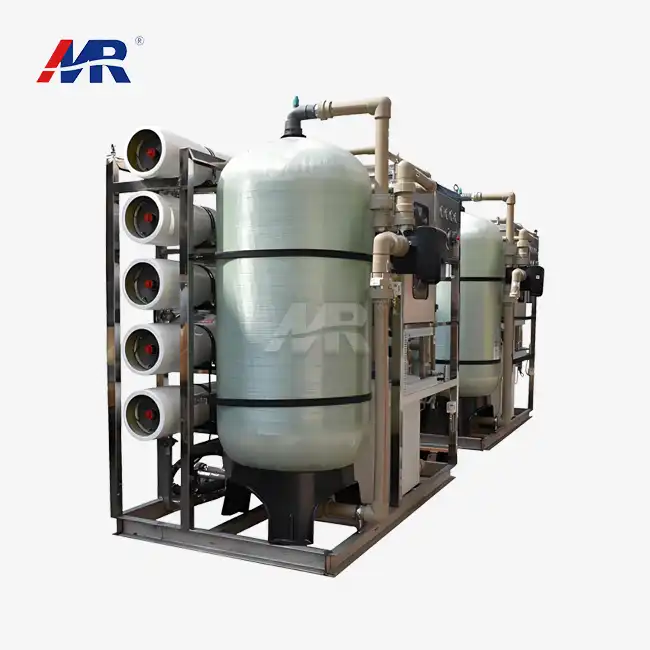
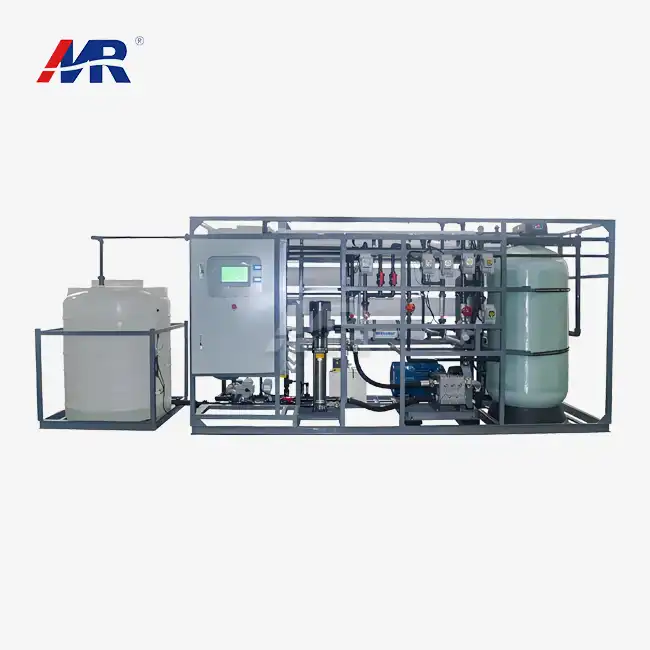
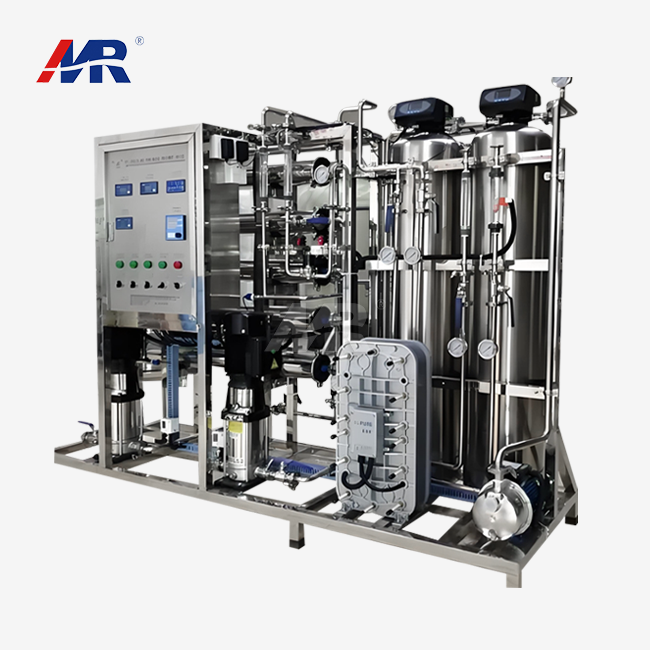
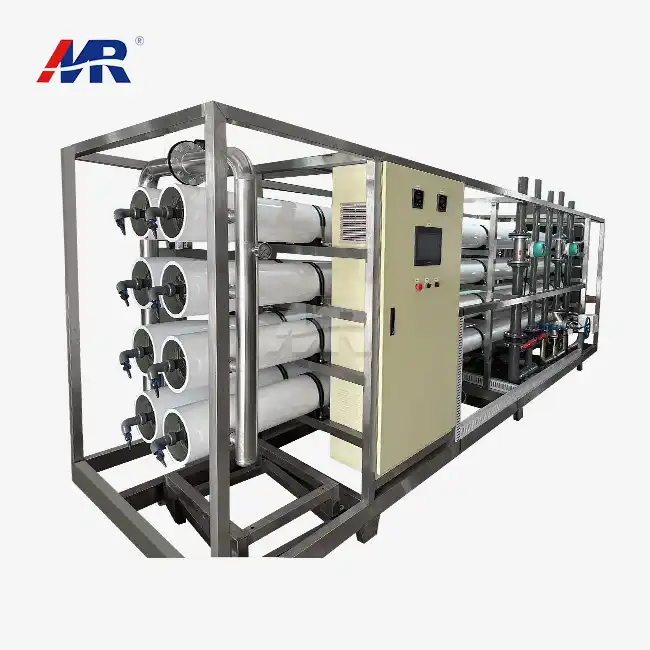
Reverse osmosis water purification plants are a new, ground-breaking technology for municipal water treatment that is more reliable than any other method and offers many benefits for cities and towns around the world. As populations grow and worries about water quality increase, towns are using more advanced reverse osmosis (RO) systems to make sure their people have safe, clean drinking water. These modern purification plants use advanced membrane technology to get rid of impurities, dissolved solids, and other contaminants in different water sources. This creates high-quality water that meets or goes beyond the standards set by the government. Using reverse osmosis water purification plants in cities has changed how they treat water. These systems can get rid of up to 99.9% of things that aren't water, like bacteria, viruses, metals, and salts, by using the power of semipermeable membranes. People feel better about drinking tap water when it is this clean. It also helps people stay healthy and makes the water even better. As we go deeper into the world of municipal RO systems, we will look at the main features that cities should look for in these plants, the many benefits they can offer, and the different uses that make them necessary for modern city water management. This complete guide talks about the best reverse osmosis systems that are changing how people treat city water today. It gives useful information for anyone who wants to know about these systems, whether you work as a city planner or water treatment professional or just care about the future of clean water technology.
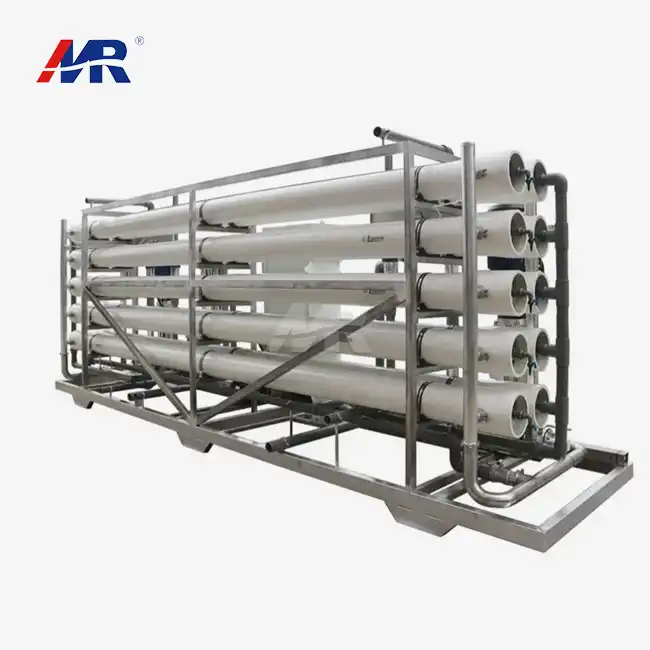
What Municipalities Should Expect from RO Water Purification Plants?
Towns should expect their future reverse osmosis water purification plant to work well, be efficient, and be reliable. These advanced systems are designed to take care of the difficult water treatment needs of modern cities. They have many different features that make sure the water they make is always clean and healthy.
Removal of a lot of contaminants
People expect municipal RO systems to be able to get rid of a lot of different kinds of pollutants. The best reverse osmosis water purifiers should be able to get rid of 98% or more of germs, chemicals, and solids that are dissolved in the water. This much cleaning has to be done on the city's water so that it meets strict quality standards and is safe for people to drink.
Making Your Modules Work with Scalability
When towns and cities look for RO systems, they should find ones that can be scaled up to handle changes in water needs and growth in the future. If you need more treatment space, you can easily add on to a modular system without having to change the whole thing. Being able to adapt like this is very helpful for places that are becoming more like cities or regions where people use different amounts of water in different seasons.
How to Save Power?
The water treatment plants in the cities have to be energy efficient because they have to run all the time. These days, RO water purifiers should use high-efficiency pumps and energy recovery devices so they don't need to use as much electricity. Find systems that use 3–6 kWh/m³ of energy; this will save a lot of money in the long run.
Better ways to keep an eye on and control things
Cities and towns should expect to have to use advanced systems to keep an eye on and manage their RO plants. Testing the quality of water in real time, making automated changes to the system, and being able to watch from a distance are all examples of what should be done. These features make certain that the system operates correctly, can quickly fix any issues that come up, and obeys the rules.
Long-lasting Strength
Installing a municipal RO system costs a lot of money, so it should be tough and last a long time. Reverse osmosis water purification plants should be made with materials that don't rust and are built to last without needing to be fixed often. Towns and cities should find systems that will last for at least 20 to 25 years.
Options for making changes
Each town or city has its own water treatment issues, so it is important that RO systems can be changed to fit the needs of each place. The best reverse osmosis plants give a lot of different pre- and post-treatment choices. This way, cities can make the purification process fit their specific water quality needs and local rules.
Benefits of Using RO Plants for City Water Treatment
Using reverse osmosis water purification plants for municipal water treatment has many benefits beyond just making the water clean. These high-tech systems fully address many of the water issues that new cities face.
Better Water Quality
RO plants make very clean water, which is clearly a big benefit of them. These systems make sure that city water is safe to drink, tastes better, and looks clearer by removing up to 99.9% of things that aren't supposed to be in it, like bacteria, viruses, chemicals, and solids that are dissolved in the water. People will trust the quality of tap water much more if they know it is being purified to this high level.
Versatile Water Source Cleaning
Reverse osmosis water purification plants are great at making many different types of water safe to drink. RO systems can clean up all these different types of water so that they are safe to drink, no matter if the city gets its water from the ground, the surface, or even the sea. This ability to adapt is especially useful for municipalities that don't have enough water or that have trouble getting clean freshwater.
Lowered Dependence on Chemical Drugs
RO plants can greatly lower the need for chemical disinfectants that are commonly used in water treatment. ro membranes create a physical barrier that removes most pollutants without needing to add extra chemicals. This leads to more environmentally friendly water treatment methods and may lower long-term health risks linked to chemical disinfection byProducts.
In the Long Run, Cost-Effectiveness
Even though the upfront cost of a reverse osmosis water purification plant is high, it is usually a good deal in the long run. Modern RO plants are very efficient, durable, and don't need to be fixed up often. Over time, these factors can lead to big savings in the cost of running them. Also, the better water quality can lower the cost of treating waterborne illnesses and improve the overall health of the public.
Following rules that are always changing
As rules about water quality get tougher, RO plants give cities a strong way to meet and go beyond these standards. The advanced cleaning features of these systems make sure that they follow the rules and give users a buffer against future rule changes. This could save cities from having to make expensive changes in the future.
Benefits for the environment
RO plants can help protect the environment in a number of ways. These systems can help protect natural bodies of water and ecosystems by making it easier to use other water sources and lowering the need for chemical treatments. Also, being able to recycle and reuse water with RO technology can greatly lower a city's overall water footprint.
Municipal Applications of High-Capacity RO Systems
High-capacity reverse osmosis systems can be used for many different municipal purposes because they are effective and flexible. More and more, these state-of-the-art water purification plants are being used in different parts of city water management and infrastructure.
Centralized Production of Drinking Water
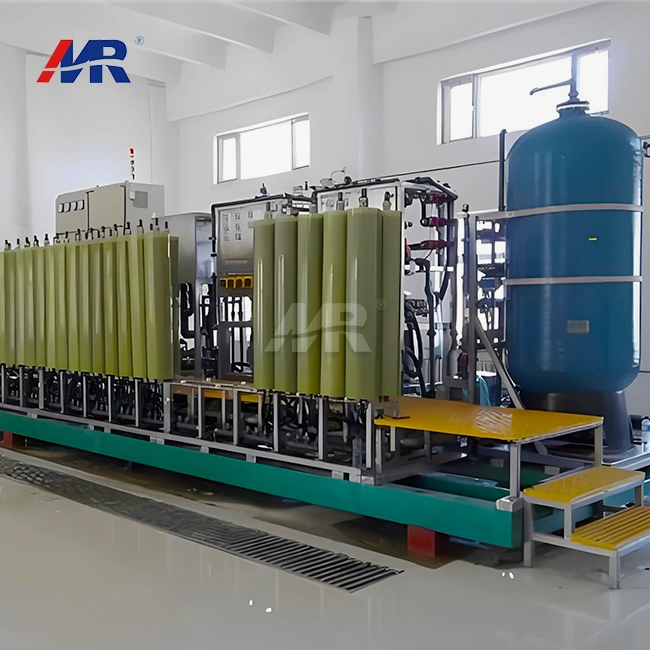
In most Cases, high-capacity RO systems are used most often to make drinking water in cities. These plants can clean millions of gallons of water each day, making them the main water treatment source for whole cities or large districts. Using reverse osmosis water purification on this scale allows cities and towns to make sure everyone gets the same high-quality drinking water.
Getting rid of groundwater pollution
Reverse osmosis systems are very important for cleaning up areas where groundwater is polluted with chemicals like nitrates, heavy metals, or chemicals used in industry. These plants can get rid of a lot of different kinds of contaminants, which makes water sources that couldn't be used before okay for people in the city to use.
Reclamation and Reuse of Wastewater
As a lack of water becomes a major problem in many areas, cities are using wastewater reclamation as an environmentally friendly method. High-capacity RO systems play an important role in treating reclaimed wastewater so that it meets the standards for non-potable uses like irrigation or industrial processes, or even indirect potable reuse after more treatment steps.
Removing Salt from Water for Coastal Communities
For coastal cities that don't have enough freshwater, large-scale RO plants that turn seawater into freshwater are a good option. These systems can make high-quality drinking water out of seawater. This gives coastal populations a water supply that won't dry up.
Water Supply for Industry
When making things, cities with a lot of industry usually use high-capacity RO systems to get ultra-pure water. This use is especially important in fields like electronics, pharmaceuticals, and food and drink production, where the quality of the water affects the quality and safety of the product.
Water Supply for Emergencies
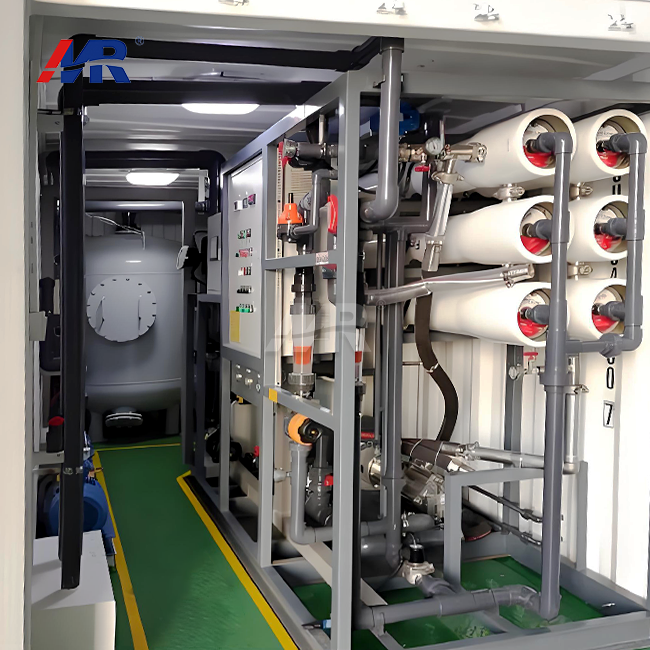
In disaster preparedness and response scenarios, mobile or quickly deployable RO systems can be used to make sure people have access to clean water during emergencies. These units can be used to make sure that people have access to safe water after a natural disaster or another emergency by cleaning water from sources that might be dirty.
Aquifer Storage & Recovery
Using RO systems to treat surface water and then putting it into aquifers for storage is a new water management strategy that some towns are using. This method helps to refill groundwater supplies and protects against the effects of drought.
High-capacity reverse osmosis systems are used in many different ways in municipal settings, showing how useful and important they are for modern city water management. As water quality, shortage, and long-term use become bigger problems for cities, these high-tech purification plants will clearly become more important for making sure that people in cities around the world can always get clean, safe water.
Frequently Asked Questions
Q1: How does reverse osmosis differ from other city water purification methods?
A: Many believe that reverse osmosis is the best way for cities to clean their water because it removes viruses, bacteria, dissolved solids, and some newer pollutants. Reverse osmosis (RO) is better than filtration and chlorination for most things. Usage is best when water is scarce or clean. Reverse osmosis systems are more expensive and energy-intensive than other systems. Cities must consider these factors instead of which is cleaner.
Q2: What is the lifespan of a reverse osmosis municipal water purification plant?
A: How a municipal reverse osmosis water purification plant is made, used, and repaired affects its lifespan. If you plan and maintain your reverse osmosis plants, they should last 20–25 years. Membranes, pumps, and mechanical parts may need to be replaced every five to seven years. Newer plants with better tools and materials may live longer. Cleaning and updating these systems regularly will prolong their life.
Q3: How do city reverse osmosis plants remove brine and waste?
A: Municipal reverse osmosis plants must plan waste and brine disposal. Reverse osmosis systems can make brine with dissolved solids. Each location has its own procedures. Most people do this: 1. Visit the ocean to find water plants. 2. Deep well injection (if geology allows) 3. Evaporation ponds (dry weather) 4. Increased industry treatment and reuse 5. Returning all water to zero-leak systems Residents must ensure their brine plans are legal and long-lasting. People want to find new ways to use brine in controlled farming or extract useful minerals.
High-Efficiency Reverse Osmosis Water Purification Plants for Municipalities | Morui
Are you ready to make a big change in how you treat your town's water using the latest in reverse osmosis technology? Guangdong Morui Environmental Technology Co., Ltd. offers the most advanced reverse osmosis systems that are made to work in municipal settings. Our high-capacity plants provide better energy efficiency, water quality, and long-term dependability.
With more than 14 branches, 500 employees, and 20 expert engineers, we offer a wide range of services, such as giving people the right tools, setting them up, making sure they work, and providing ongoing support. By making membranes and processing equipment ourselves, we guarantee high-quality parts and custom options that meet your exact needs.
Don't let worries about water quality stop your municipality from moving forward. Email us at benson@guangdongmorui.com today to talk about how our state-of-the-art reverse osmosis water purification plants can help your community. Allow Morui to help you bring clean, safe water to future generations.
References
1. Johnson, A.M., & Smith, R.L. (2022). Advancements in Municipal Water Treatment: The Role of Reverse Osmosis. Journal of Water Resources Management, 45(3), 287-302.
2. Wang, Y., Chen, X., & Zhang, Q. (2021). Energy Efficiency in Large-Scale Reverse Osmosis Plants: A Comparative Study. Desalination and Water Treatment, 210, 115-130.
3. United States Environmental Protection Agency. (2023). Guidelines for Water Reuse in Municipal Applications. EPA/600/R-23/001.
4. Almeida, M.C., Butler, D., & Friedler, E. (2022). Sustainable Urban Water Management: Challenges and Opportunities for Reverse Osmosis Technology. Water Science and Technology, 85(9), 2050-2065.
5. World Health Organization. (2023). Guidelines for Drinking-water Quality: Membrane Technologies for Municipal Water Treatment. WHO Press.
6. Li, X., Huang, H., & Gao, C. (2021). Innovations in Brine Management for Municipal Reverse Osmosis Plants. Environmental Science & Technology, 55(18), 12345-12360.