_1745823981883.webp)

The 2 m³/hour edi system stands as the optimal choice for Vietnamese factories requiring consistent high-purity water production. These electrodeionization units deliver exceptional performance through continuous regeneration technology, eliminating chemical usage while maintaining superior water quality standards. Modern factories across Vietnam increasingly rely on these advanced systems to meet stringent industrial requirements and environmental regulations.

Introduction
Vietnam's industries need advanced water cleaning systems that find a balance between speed, cost, and meeting environmental rules. Factories in the food, tech, and medicine industries need to be able to obtain high-purity deionized water all the time. The 2 m/hour capacity is ideal for medium-scale processes as it effectively balances flow rates and energy efficiency. These electrodeionization systems, by combining ion exchange technology with electrical renewal processes, have revolutionized the cleaning of water.
Modern EDI systems don't need to be chemically regenerated, which lowers the cost and environmental effect of running them. Vietnamese makers are putting more money into water cleaning technology that is known to work and keeps Products in line with rules. These systems are ideal for places that don't have a lot of room or technical know-how because of their small size and automatic settings.
Why Focus on EDI Water Treatment Systems?
Electrodeionization technology solves the big problems Vietnamese producers are having. Traditional ion exchange systems need to be chemically regenerated often, which disrupts operations and raises waste dumping issues. EDI systems allow chemical-free work all the time, which makes sure that production plans stay on track.
The electrical renewal process keeps plastic beds in great shape and makes water with a conductivity below 0.1 µS/cm. No extra steps are needed to get this level of clarity that meets the standards for pharmaceuticals, semiconductors, and laboratories. Vietnamese companies gain because it is easier to run their businesses and the quality of their products is more consistent.
As electricity prices go up across Southeast Asia, using energy more efficiently becomes more important. Modern EDI systems use less than 0.1 kWh per cubic meter of cleaned water, which is a lot cheaper than older ways. Automated process control minimizes manual labor and ensures consistent performance.
Selection Criteria for Top EDI Systems
When you judge an EDI system, you need to think about a lot of different success factors. The recovery rate is an important number, with the best methods getting over 90% performance. This high return reduces wastewater output while improving feed water usage.
Power economy is an important thing to look for because it directly affects the cost of running things. Less energy per volume consumed, at under 0.15 kWh/m³, indicates better system design. How difficult the preparation has to be depends on the quality of the feed water. Systems that can handle conductivity levels of up to 20 µS/cm have more operating freedom.
The amount of maintenance required significantly influences the total cost of ownership. Regularly repaired systems reduce downtime and staff costs. Automated tracking makes it possible to plan repairs ahead of time, which stops unexpected breakdowns from happening. Long-term dependability is affected by how simple it is to access the parts and whether nearby help is available.
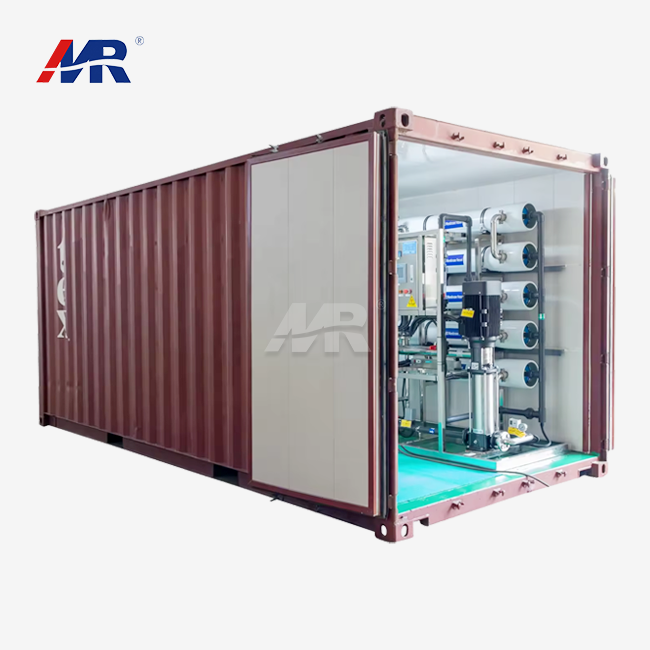
It's important to consider the installation size in established buildings. Compact versions with dimensions of about 1200 x 800 x 1800 mm will work in places where there isn't a lot of room. Modular building makes it easier to add more space in the future without having to make significant changes to the infrastructure.
Morui Advanced EDI Water Treatment System
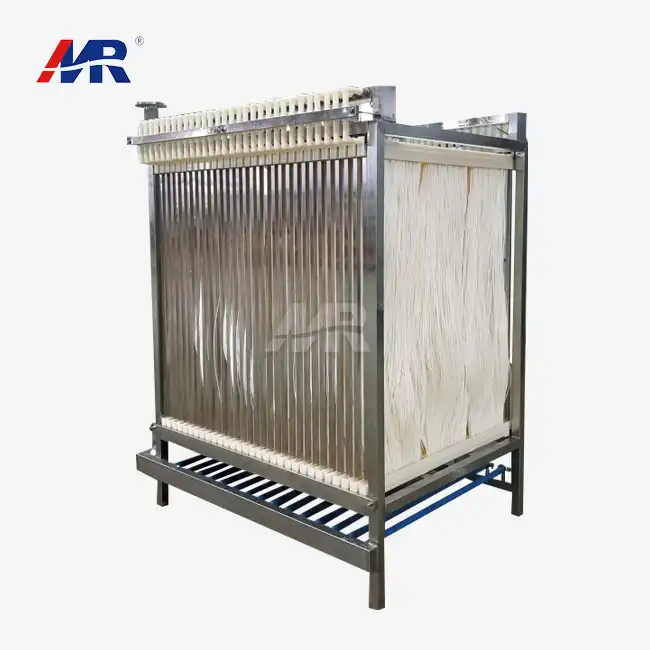
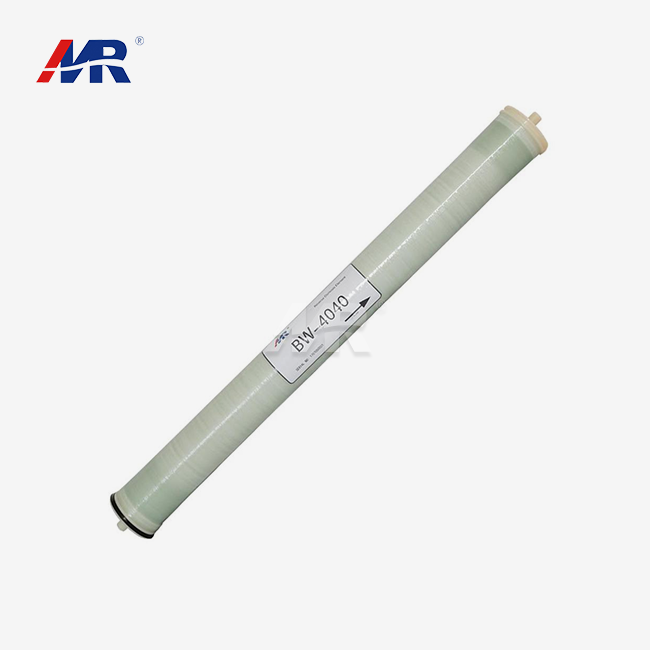
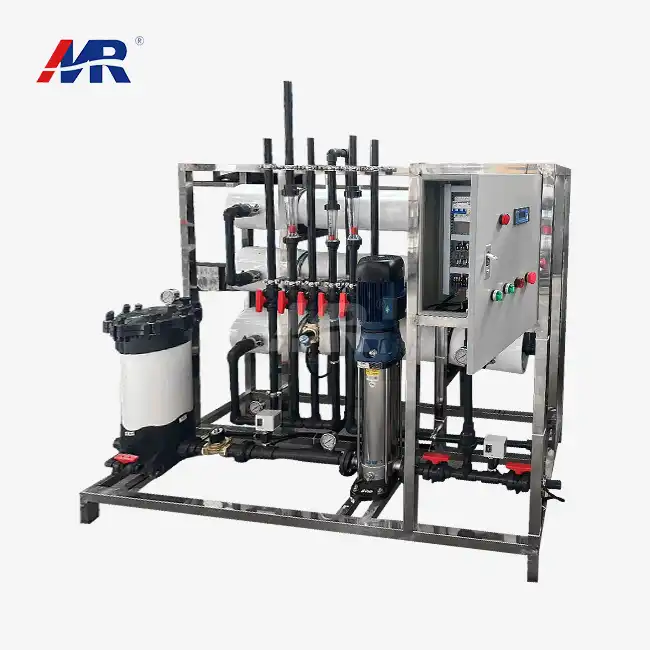
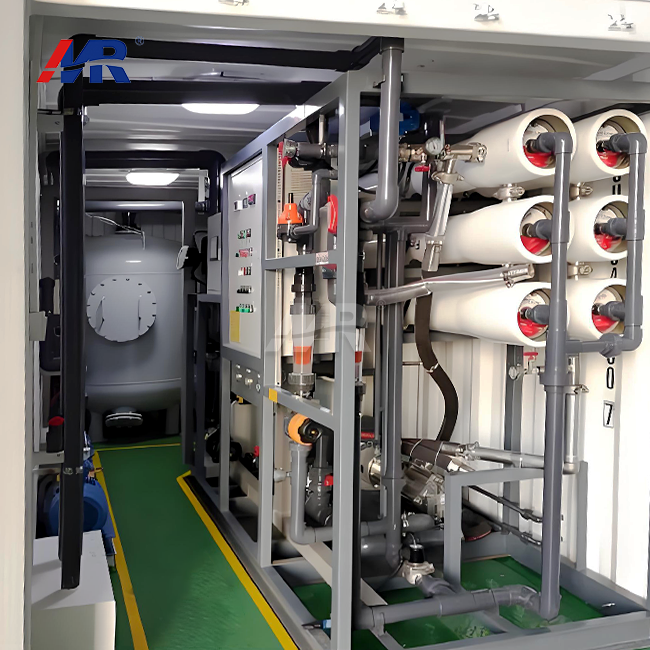
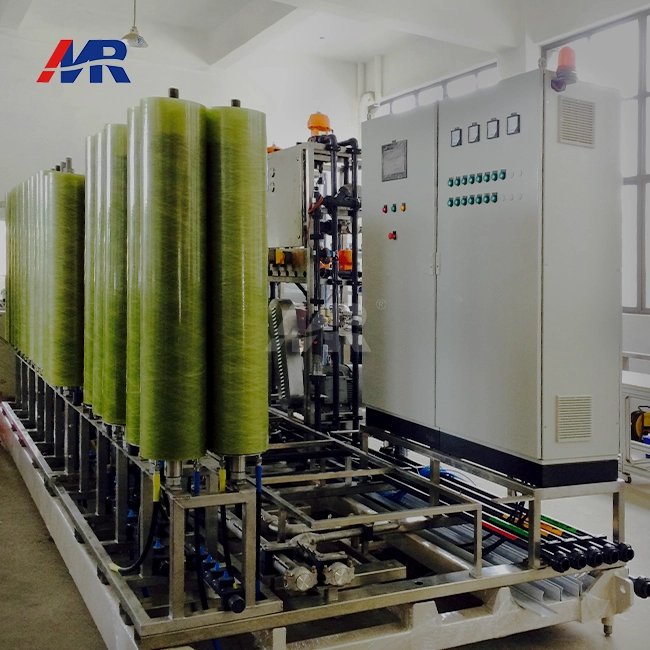
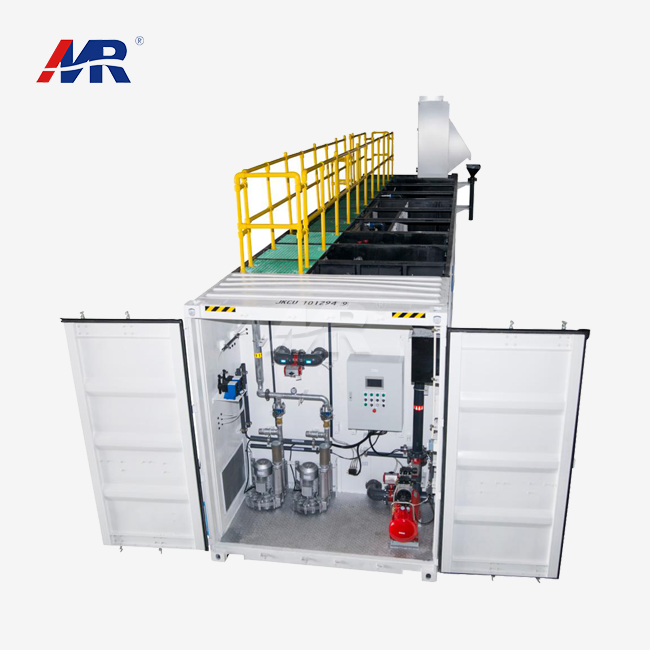
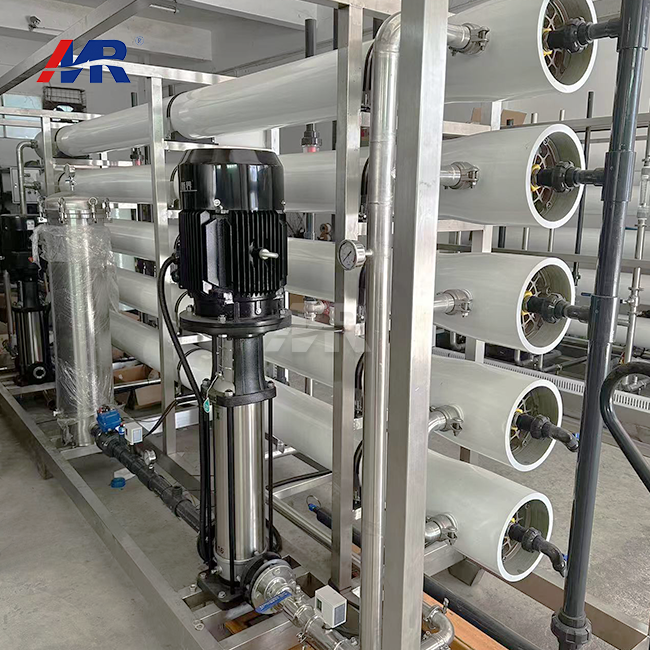
Morui's state-of-the-art 2 m³/hour EDI system represents cutting-edge electrodeionization technology specifically engineered for Vietnamese industrial applications. This small unit uses established ion exchange methods along with membrane separation technology to provide a steady flow of deionized water without needing chemical cleaning.
Technical Specifications:
Production Capacity: 2 m³/hour continuous operation
Feed Water Requirements: Conductivity below 20 µS/cm
Product Water Quality: Less than 0.1 µS/cm conductivity
System Recovery Rate: Greater than 90% efficiency
Power Consumption: Under 0.1 kWh/m³ treated water
Physical Dimensions: 1200 x 800 x 1800 mm (L x W x H)
Operating Pressure Range: 0.3 - 0.7 MPa
Operational Advantages:
Running a chemical-free business means you don't have to worry about dealing with or getting rid of dangerous materials. Automated process control helps the system keep the water quality the same, which means that operators don't have to step in as much. Using little energy lowers costs and helps with environmental efforts. Equipment that doesn't need much care doesn't have to be fixed as often, and it lasts longer.
Installing the space-saving form in its intended location eliminates the need for significant space modifications. Advanced tracking systems show you performance data right away, which makes it possible to schedule repairs ahead of time. The automatic recycling process makes sure that there are no breaks in output and that the system can keep working all the time.
Process Workflow:
The four-stage cleaning process starts with preparation, which gets rid of biological waste and big particles. Reverse osmosis removes a lot of minerals from water and lowers the amount of solids that are mixed in. The EDI method purifies the water to the highest purity standards. After treatment, the pH is changed, and selected remineralization is done if needed.
Industrial Applications Across Vietnamese Manufacturing
Vietnamese drug companies use electronic data interchange tools to produce GMP-compliant clean water. These locations require consistent water to prepare for injections, clean tools, and lab tests. The ability to run continuously ensures that production plans are not delayed and strict legal requirements are met.
Electronics and chip manufacturing use ultra-pure water for accurate cleaning. To avoid making defective products, component manufacturing needs water that doesn't have a lot of ionic contamination. EDI systems consistently achieve low conductivity, meeting these tough standards.
Food and drink manufacturers need to have access to clean water so they can make their products and clean their tools. The chemical-free process is in line with food safety rules and makes the business easier to run. Consistent water quality makes sure that the taste and quality of the product are the same across all production runs.
Research and lab spaces need ultrapure water that they can count on for experiments and analyses. The consistent standard of outputs from EDI systems removes factors that could have an impact on study outcomes. Using machines to do work in the lab keeps quality high and lowers the amount of work that lab staff have to do.
Market Characteristics in Target Regions
The Vietnamese market, along with others in Asia, has a quickly rising need for high-tech water cleaning. As industry grows, many different fields need dependable methods for getting clean water. Because of these rules, environmental laws are supporting more and more treatments that don't use chemicals. This makes EDI technology very appealing.
South American buyers are genuinely interested in water cleaning systems that use less energy. Because of rising energy costs, low-power EDI systems are more economically appealing compared to older ways. The emphasis on environmentally friendly production methods aligns with the advantages of EDI technology.
African markets have a preference for robust, easily maintained tools that can withstand challenging working conditions. The 2 m³/hour EDI system's automatic operation and low upkeep meet these area needs. The food processing and medicine industries are growing, which means that more business possibilities are on the way.
Regulatory systems across these areas are putting more and more focus on protecting the earth and lowering waste. The way EDI systems work without chemicals and have high recovery rates goes along with these legal trends. The provision of local expert help becomes crucial for the smooth development and running of the system.
Purchasing Recommendations and Considerations
It is important to carefully consider current and future water quality needs when buying an EDI system that works. Conduct a thorough analysis of the water quality to determine the necessary cleaning methods and system size. When you choose equipment specs, think about times of high demand and the possibility of expanding capacity.
Calculate the total cost of ownership, which includes purchase, upkeep, and operation costs. Take the amount of energy used, the need for disposable parts, and the availability of service help into account. Compare possible providers' guarantee terms and ability to provide help in your area.
Look at the construction needs, like how much room and utility access are needed and how the new system will work with the ones you already have. Make a plan for staff training and the way your business will run. Think about the needs for backup systems or extra parts for important uses.
Verify the supplier's qualifications, recommendations, and ability to help in your area. Check to see the tools' approvals and compliance with applicable standards. Talk about making full-service deals that include both routine repair and emergency help.
Industry Trends and Summary
The water treatment business is always moving toward methods that are better for the environment and more efficient. In line with this trend, EDI devices work without chemicals and optimize energy use. Automation and online tracking make systems more reliable and easier to use. Vietnamese producers are putting more and more money into electrodeionization technology that they know will work. They know it will help them in the long run. Because of the increasing focus on environmental safety and practical efficiency, EDI systems are becoming the most popular choice for industrial water treatment.
Conclusion
Selecting the right EDI water treatment system requires careful evaluation of technical specifications, operational requirements, and long-term costs. The 2 m³/hour capacity provides optimal performance for medium-scale industrial applications while maintaining energy efficiency and compact footprint advantages. Morui's advanced electrodeionization technology delivers proven reliability, superior water quality, and operational simplicity. Vietnamese manufacturers benefit from partnering with experienced suppliers who understand local requirements and provide comprehensive support services. Investing in quality 2 m³/hour EDI systems ensures consistent production capability, regulatory compliance, and long-term operational success.
Frequently Asked Questions
Q1: How does EDI technology compare to traditional ion exchange systems?
A: EDI systems provide continuous operation without chemical regeneration, eliminating downtime and hazardous material handling. They produce consistently higher purity water while reducing operating expenses and environmental impact compared to traditional methods.
Q2: What pretreatment is required for EDI systems?
A: EDI systems typically require reverse osmosis pretreatment to reduce feed water conductivity below 20 µS/cm. Additional pretreatment may include sediment filtration, carbon adsorption, and water softening depending on source water quality.
Q3: What maintenance does an EDI system require?
A: Routine maintenance includes periodic cleaning of membranes and resin beds, monitoring of electrical components, and replacement of consumable parts. Most systems require professional service every 6–12 months, depending on operating conditions.
Partner with Morui for Reliable EDI System Solutions
Guangdong Morui Environmental Technology stands ready to provide comprehensive water treatment solutions tailored to Vietnamese industrial requirements. Our experienced team of 20 engineers and extensive manufacturing capabilities ensure reliable 2 m³/hour EDI system delivery and support. With over 14 branches and 500 dedicated employees, we offer unmatched technical expertise and service coverage.
Our integrated approach includes equipment design, manufacturing, installation, and commissioning services. We maintain strategic partnerships with leading component suppliers, including Shimge Water Pumps, Runxin Valves, and Createc Instruments. This comprehensive supplier network enables us to deliver complete systems optimized for your specific applications.
Ready to enhance your facility's water treatment capabilities? Contact our technical specialists to discuss your requirements and receive customized system recommendations. Contact us at benson@guangdongmorui.com to connect with experienced EDI system suppliers who understand Vietnamese industrial needs.
References
1. Industrial Water Treatment Association of Vietnam. "Guidelines for EDI System Implementation in Manufacturing Facilities." Technical Publication Series, 2023.
2. Southeast Asian Water Technology Review. "Comparative Analysis of Electrodeionization Systems for Industrial Applications." Volume 15, Issue 3, 2023.
3. Vietnam Ministry of Industry and Trade. "Water Quality Standards for Pharmaceutical and Electronic Manufacturing." Regulatory Document VN-WQ-2023-07.
4. Asian Industrial Water Treatment Conference Proceedings. "Energy Efficiency Trends in EDI Technology." Ho Chi Minh City, 2023.
5. Journal of Vietnamese Environmental Engineering. "Chemical-Free Water Treatment Technologies in Industrial Applications." Vol. 28, No. 4, 2023.
6. International EDI Technology Assessment Report. "Performance Evaluation of 2-3 m³/hour Electrodeionization Systems in Tropical Climates." Research Publication RT-2023-118.