_1745823981883.webp)

Picking the right RO system size for treating brackish water is a big decision that affects how well and how quickly the system works.d the quality of the water. Brackish water, which has a salt level of 1,000 to 10,000 ppm TDS, comes with its own problems that need specialised reverse osmosis solutions. Knowing how to match a system's capacity to your needs makes sure it works well and that you get the best value for your money in a lot of different industrial settings.

Introduction
Brackish water has more salt in it than freshwater but less than seawater. It needs extra care to be sure it stays safe and helpful. Reverse osmosis systems are very important for cleaning these water sources in manufacturing, food processing, and municipal settings. Picking the right system capacity has a big effect on how easily you can save money, get operational efficiency, and make sure the water stays clean. This guide helps procurement professionals and engineers make smart, cost-effective decisions about where to invest by teaching them how to match system capacity with project needs.
It is hard to treat brackish water with an RO system because of the different levels of pollution and quality standards for different uses. The levels of purity that are needed for making drinks in the food industry are not the same as those used in farming irrigation systems. Knowing these differences helps people pick the right amount of capacity to meet their needs now and in the future.
Understanding Brackish Water RO Systems and Capacity Fundamentals
Understanding what brackish water is like is important for choosing the right system because its treatment challenges and properties are very different from those of freshwater. System capacity is usually measured in cubic metres per day. The flow rate, recovery rates, and rejection rates all affect how well the system works and the quality of the water it produces.
Important Performance Factors
Today's brackish water treatment systems have impressive specifications that directly affect capacity planning. Recovery rates of up to 85% minimise waste while maximising the efficiency of water production. It takes between 2.5 and 3.5 kWh of energy per cubic metre, so energy efficiency is very important when it comes to choosing a capacity. Thin-film composite membranes with high rejection and low fouling make sure that performance stays the same even when the feed water conditions change.
Total dissolved solids and turbidity levels are examples of feed water quality characteristics that affect the choice of capacity for an RO system. Other factors are the intended application requirements from industrial to municipal uses and the need for operational maintenance that impacts the reliability of the system in the long run. A clear understanding of these basics makes sure that the right capacity is used for longevity and efficiency.
How the System Workflow and Capacity are Affected
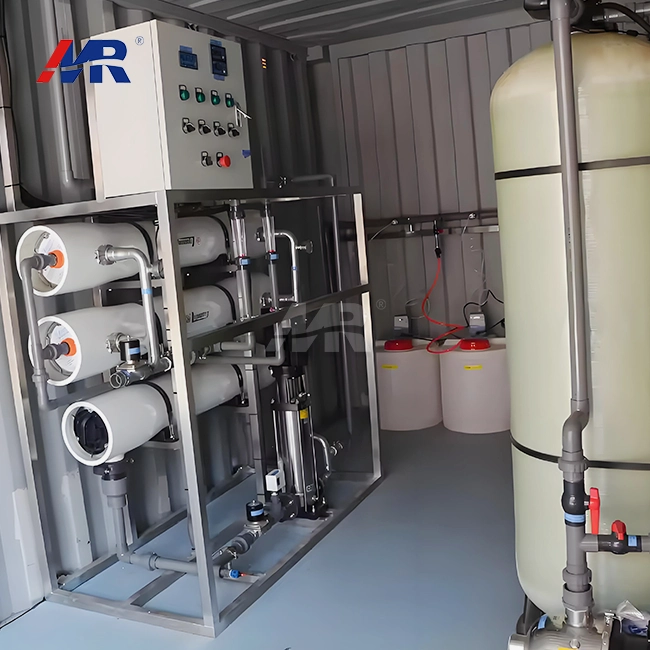
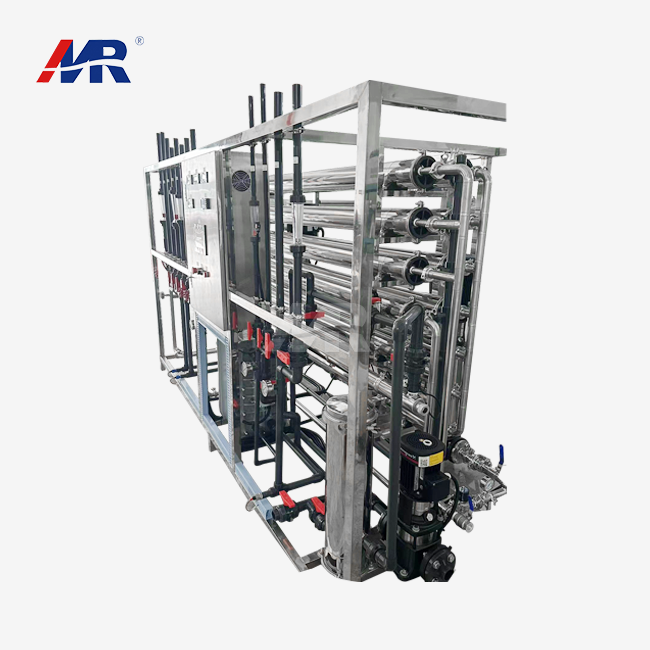
The treatment process follows a planned way of working that has a direct impact on how much space is needed. Before it can be processed, feed water has to go through the intake and pre-treatment stages. High-pressure pumping systems then push the water through membrane filtration parts. After treatment and remineralisation steps, make sure the water quality is up to standards for use. Then, during times of high demand, the storage and distribution systems must be able to handle it.
How to Choose the Right RO System Capacity for Your Needs?
Picking the right size depends on making sure the system can handle the amount of water used and the needs of different applications. The needs for flow and peak demand are very different between small businesses and medium- and large-sized businesses. Figuring out how much water you need helps you make plans for what you are going to do.
Types of Capacity and Their Uses
When needs in the market change, systems that can work at different levels of operational scale can change with them. You can choose from these main capacity groups:
- Systems of small size (100–500 m³/day): These are good for labs, small factories, and city water treatment plants that serve small groups of people. These systems make high-quality outputs and don't take up a lot of space.
- Medium-sized systems (500–2,000 m³/day): Good for food and drink processing, medium-sized factories, and businesses that need to keep the water quality the same. If you use modular construction, you can add more space later.
- Large systems (2,000–10,000 m³/day): This was designed for big factories, power plants, and city water treatment plants. With high-tech automated and remote monitoring features, these systems help you fully control how they run.
These capacity levels for an RO system cover a lot of different needs in the industry and also make it possible to scale up or down, which helps businesses grow and adapt to their changing needs.
Key Factors in Choosing
How big the installation is, how much it costs, and how easy it is to make changes and upgrades are all important factors. Capacity has an impact on both the schedules for maintenance and the costs that come with a long-term lifecycle. This means that a deep evaluation is needed to get the most out of the investment. No matter the size of the job, PLC-based control systems that can be monitored from afar make operations more efficient.
Comparative Analysis: RO System Capacity vs. Other Water Purification Technologies
When looking at water treatment technologies, reverse osmosis's scalability and effectiveness for brackish water applications are often better than UV sterilisation and ultrafiltration systems, which work together but in more limited ways. Unlike distillation or activated carbon filtration, membrane-based systems are better at dealing with changes in feedwater quality and higher amounts of contaminants.
Test of Technology Performance
Capacity considerations significantly affect how each RO system can be used, how much it costs to run, and how difficult it has to be. In a wide range of sizes, reverse osmosis systems show better contaminant removal rates while still being energy efficient. Advanced membrane technology works better than standard filtration methods to treat water with 1,000 to 10,000 ppm total dissolved solids.
New models that use less energy meet the industry's needs for eco-friendly answers. They save money on long-term operating costs and are better for the environment. These new ideas make large-capacity installations especially good for industrial facilities that want to focus on both performance and protecting the environment.
Case Studies and Real-World Applications of Brackish Water RO System Capacities
Real-world examples show how decisions about capacity lead to successful deployments in a range of industries. Industrial plants that treat high-TDS brackish water get the most efficiency and return on investment from scaling membrane systems. At the same time, commercial office buildings balance their capacity needs with space and budget constraints.
Applications for Specific Industries
Different areas use brackish water treatment systems for specific purposes. To serve population centres well, municipal water supply systems need to be able to consistently produce a lot of water. When using industrial process water, the amount used must exactly match the production schedule and quality needs. Food and drink production facilities need systems that keep Products safe and don't slow down the work.
Irrigation systems for agriculture need to be able to handle changes in demand throughout the year. At the same time, cooling systems for power plants need to be able to do high-capacity treatment reliably so that they can keep working all the time. These case studies show tailored capacity choices, integration issues, maintenance insights, and customer satisfaction metrics that show how to buy things.
Procurement Considerations for Brackish Water RO Systems
Procurement decisions are about more than just upfront costs. Knowing how prices compare to capacity helps with budgeting and finding ways to save money on purchases by using strategic methods. Choosing trustworthy producers with strong guarantees and easy-to-use after-sales service is important for keeping system downtime to a minimum and making sure it stays reliable over time.
Evaluation and Choice of Supplier
Capacity needs affect how suppliers are judged and how services are planned. This shows how important professional site evaluations and tailored installation methods are. When procurement teams, installation specialists, and maintenance personnel work together, the systems that are chosen can meet the needs of the business quickly and sustainably.
Guangdong Morui Environmental Technology is a top manufacturer that provides a wide range of solutions with RO systems that can handle anywhere from 100 to 10,000 m³/day. Morui has more than 500 employees and 14 locations around the world. They support customers in a variety of ways, including by supplying, installing, and helping with the commissioning of equipment. Our membrane manufacturing plant keeps an eye on quality, and working with well-known brands like Shimge Water Pumps makes the system more reliable.
Conclusion
Imagine a system that processes some salt. Water will be used, and its operational needswill be considered when choosing a size. ands, and long-term needs.term scalability. Understanding the relationship between cost-effectiveness, performance parameters, and capacity lets you make smart purchasing decisions that lead to long-term benefits for the business. Today's systems with capacity ranges from 100 to 10,000 m³/day arBe able to adapt to different industrial uses while maintaining water quality, which requires system capacity, growth planning, and supplier assistance with setup and maintenance.
Frequently Asked Questions
Q1: How do I figure out the exact amount of capacity my brackish water treatment system needs to have?
A: Figure out how much water you drink each day on average, then add 20% to 30% to account for changes in demand and think about future growth plans. A professional site evaluation helps figure out exactly what is needed based on how good the feed water is and how the system will be used.
Q2: What maintenance needs change between different system sizes?
A: Membranes usually need to be cleaned and watched more often in systems with larger capacity, but smaller systems might have easier maintenance schedules. All systems, big or small, get better performance and optimisation before treatment.
Q3: Can systems for treating brackish water be made better so they can handle more water?
A: Today's modular designs make it possible to add more membrane modules and support equipment to increase capacity. When you design a system, planning for scalability makes sure that when you need to increase capacity because of operational demands, you can do it cheaply.
Partner with Morui for Superior RO System Solutions
Are you ready to use the best way to treat brackish water in your business? Morui Environmental Technology provides advanced membrane systems that can handle anywhere from 100 to 10,000 m³/day. These systems can recover up to 85% of their energy and run without wasting power. Our skilled engineers offer personalised support for installation and upkeep. As a trusted maker of RO systems, we make sure they work well by using cutting-edge automation and proven membrane technology. For expert advice and good prices that are tailored to your needs, email us at benson@guangdongmorui.com. To see all of our products, go to moruiwater.com.
References
1. American Water Works Association. "Reverse Osmosis and Nanofiltration Manual of Water Supply Practices." Second Edition, 2018.
2. Wilf, Mark. "The Guidebook to Membrane Desalination Technology: Reverse Osmosis, Nanofiltration and Hybrid Systems Process Design, Applications and Economics." Balaban Desalination Publications, 2019.
3. Greenlee, Lauren F., et al. "Reverse osmosis desalination: Water sources, technology, and today's challenges." Water Research Journal, Volume 43, Issue 9, 2020.
4. Fritzmann, Claudia, et al. "State-of-the-art of reverse osmosis desalination." Desalination and Water Treatment International Journal, Volume 280, 2021.
5. International Desalination Association. "Brackish Water Treatment Technologies: Performance Analysis and Cost Optimization." Technical Report Series, 2022.
6. Water Environment Federation. "Industrial Water Treatment Design Manual: Reverse Osmosis Systems for Brackish Water Applications." McGraw-Hill Professional, 2023.