

_1745823981883.webp)

High Capacity Reverse Osmosis Water Purifiers for Industrial and Residential Use
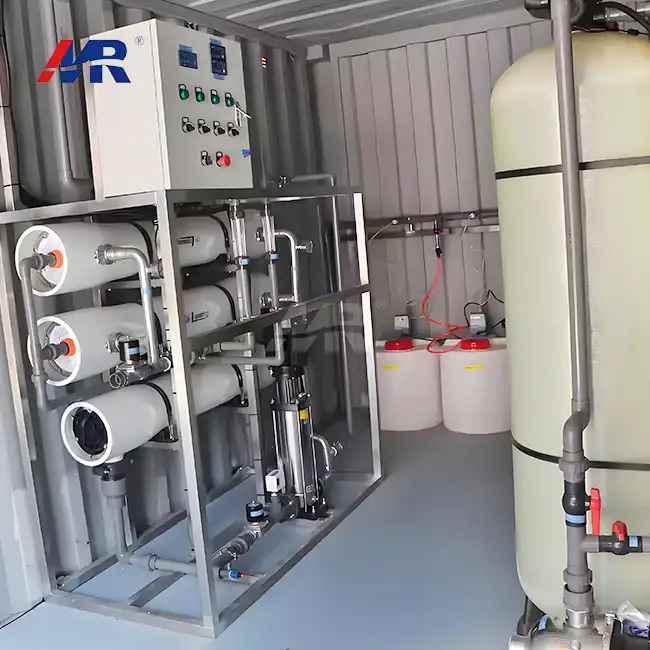
High-capacity reverse osmosis water filters are important pieces of equipment for businesses that need to treat water consistently and well. Modern Reverse Osmosis Water Purifier systems are used for a wide range of purposes, from making medicines to treating public water. They are very effective at removing contaminants, 98 to 99% of the time. These high-tech water purification systems use semi-permeable membrane technology to get rid of dissolved solids, heavy metals, germs, and chemical pollutants. They are necessary to meet strict water quality standards in the healthcare, industry, and public sectors.
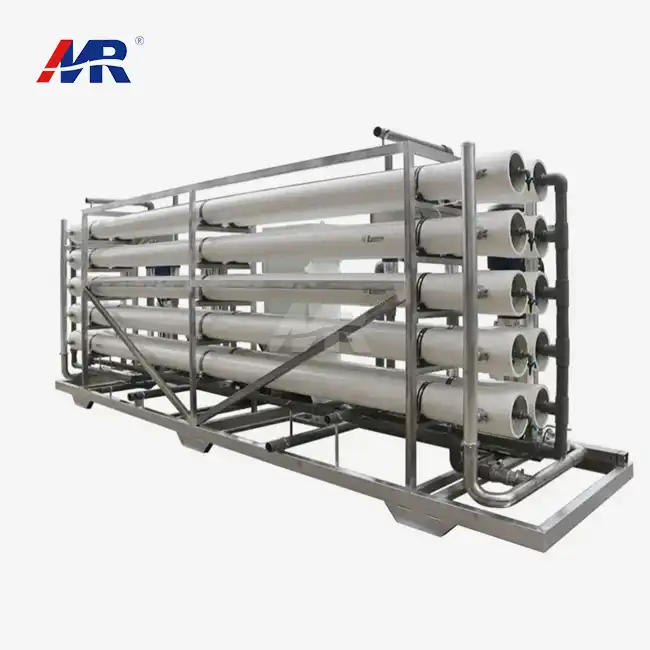
Understanding High-Capacity Reverse Osmosis Water Purifiers
Advanced Membrane Filtration Technology
High-capacity RO systems use more than one stage of filtration, which is better than the old UV and carbon cleaning methods. Semi-permeable membranes are at the heart of the technology. They work under controlled pressure to push water molecules through tiny holes while blocking out contaminants. This method removes particles as small as 0.0001 microns, which is much smaller than what can be done with regular methods.
Usually, the first step in the filtration process is sedimentation, which removes bigger particles like dirt and rust. Next, carbon filters get rid of chlorine and volatile organic compounds that change the taste and smell of the water. The reverse osmosis membrane is the most important part of the system. It gets rid of up to 98% of all dissolved solids, such as heavy metals, salts, and poisons.
Superior Performance Over Traditional Methods
Reverse osmosis cleans everything, unlike UV systems that only kill germs or activated carbon filters that only get rid of certain contaminants. This complete removal of contaminants is especially helpful in industrial settings, where ultra-pure water that doesn't have any minerals in it that could affect the quality of the production is needed.
Pharmaceutical companies that need GMP-compliant water, electronics companies that need ultrapure water for handling semiconductors, and food processing plants that need to make sure their Products are safe and consistent all benefit from this technology reverse osmosis water purifier. These uses need safe ways to get rid of contaminants, which can only be provided by high-capacity RO systems.
Critical Factors to Consider When Choosing RO Water Purifiers for B2B Procurement
Performance Metrics and System Capacity
When choosing industrial water purification equipment, people who work in procurement have to look at a number of success factors. Flow rate needs are very different depending on the application. Some places need hundreds of gallons per hour, while others need to keep making a lot of things. When planning for system capability, high-demand times and possible expansion needs should be taken into account.
Rejection efficiency scores show how well the system can get rid of certain contaminants. Good systems can get rid of dissolved solids 95–99% of the time. Recovery rates, which show what percentage of feed water is turned into purified product, have a direct effect on running costs and issues related to trash management.
Installation and Space Requirements
High-capacity reverse osmosis water purifiers need careful planning when it comes to the place where they will be installed, the electricity they will need, and the water they will need. Custom designs are often needed for industrial installations so that they work with the way the building is set up and how the production process works. Small businesses can use commercial units that fit under the sink, but large ones usually need their own equipment rooms with the right air and drainage systems.
Analyzing how much power a facility uses helps procurement managers figure out how much it costs to run, especially for factories that have ongoing production plans. Long-term operating costs can be cut by a large amount with energy-efficient designs that use variable frequency drives and better pressure control.
Advanced Features and Customization Options
Modern RO systems have advanced tracking features, such as sensors that check the water quality in real time, automatic cleaning processes, and features that let you check on the system from afar. Remineralization devices can add good minerals back to cleaned water when needed for certain tasks or to meet government standards.
Smart control systems let machines run themselves with little help from people, which cuts down on labor costs while keeping the quality of the output stable. These features are especially useful for businesses that have various shifts or need to be able to produce water 24 hours a day, seven days a week.
Maintenance and Operational Tips for High-Capacity RO Systems
Scheduled Maintenance Protocols
Effective repair plans keep the water quality stable, extend the life of equipment, and cut down on unplanned downtime. The frequency of filter change depends on the quality of the feed water and the amount of production. Generally, different parts of the system need to be replaced every three months to once a year.
Cleaning the membranes is an important part of routine care that keeps the system running well. Chemical cleaning gets rid of buildups of deposits and living things that can slow down flow rates and make rejection less effective. To keep working at their best, facilities that deal with hard water or feed sources that are hard to clean may need to do cleaning processes more often.
Performance Monitoring and Troubleshooting
Key performance factors should be checked on a regular basis so that problems can be found before they affect production. Differential pressure readings between membrane steps show fouling conditions, and conductivity readings confirm how well the rejection works. Keeping an eye on the flow rate makes sure that systems meet output needs and spots trends of falling performance.
Problems that often happen in the operations of reverse osmosis water purifiers are membrane fouling, changes in pressure, and lower rejection rates. Preventative steps like good pre-treatment, regular upkeep, and monitoring of water quality make these problems a lot less likely to happen. Extra pre-treatment parts help protect expensive membrane elements in facilities that treat well water or feed sources that are hard to work with.
By using automated tracking systems, you can keep an eye on things all the time without having to hire extra staff. These systems can let workers know when performance changes and change the settings automatically to keep things running at their best.
Procurement Insights: Pricing, Installation, and Vendor Selection
Total Cost of Ownership Analysis
Knowing how much a whole system costs includes more than just buying the tools. It also includes things like installation, ongoing upkeep, replacing consumables, and energy use. High-capacity systems usually cost between $50,000 and $500,000, but this depends on how much production is needed and how complicated the system is.
Installation prices depend a lot on the needs of the building. Simple installations can cost anywhere from 15% to 25% of the equipment itself, while complex custom installations may cost the same as the equipment itself. Replacement filters, membrane elements, chemicals, and energy use are some of the ongoing running costs that usually add up to 20 to 30 percent of the initial investment every year.
Facilities can handle their capital expenditure needs and get access to cutting-edge technology by using financing options from equipment sellers or third-party providers. Leasing may be a good option for smaller businesses or buildings that need to be able to update at any time.
Vendor Evaluation Criteria
When choosing a reverse osmosis water purifier, you should look for one with strong technical knowledge, good customer service, and the possibility of a long-term relationship. Established makers usually offer full warranties that cover equipment problems and performance promises. Additionally, local service networks make sure that upkeep and emergencies are handled quickly.
Facilities with specific needs or difficult fitting limitations need to be able to customize their products. In addition to selling tools, vendors who give Technical support, custom fabrication, and integration services add value. Referencing similar applications helps confirm the vendor's skills and the system's success in similar circumstances.
Quality qualifications like ISO standards, NSF approval, and industry-specific compliance show that a seller is dedicated to quality and following the rules. These Certifications are especially useful for businesses that are regulated and need proof that they meet water quality standards.
Conclusion
When choosing the right high-capacity reverse osmosis systems, you need to think carefully about your long-term business goals, production needs, and water quality standards. These systems are necessary for businesses that need consistent, high-quality water cleaning. They also offer solutions that can be scaled up or down to fit a wide range of needs, from small sites to big industrial operations. The technology has been shown to improve performance by getting rid of all contaminants, being reliable, and following regulations. The higher quality of the products made and lower business risks make the technology worth the money.
FAQ
Q1: How safe is reverse osmosis water for different applications?
Reverse osmosis water is safe for most home and business uses because it gets rid of dangerous contaminants and produces consistently pure water. Bacteria, viruses, heavy metals, and chemical toxins that are bad for your health or lower the quality of the product are removed by this process. Industrial uses benefit from stable water quality that keeps industrial processes from getting contaminated, and household users enjoy clean drinking water that is free of common contaminants found in municipal supplies.
Q2: What maintenance intervals are recommended for filters and membranes?
Maintenance plans rely on the quality of the feed water and the amount of output. Carbon filters last for 6 to 12 months, while sediment filters need to be replaced every three months. In normal situations, membrane parts should work well for two to three years. However, hard water sources may shorten their life. Monitoring pressure differences and water quality factors on a regular basis lets you know early on when repair is needed.
Q3: How do RO systems compare to UV and activated carbon filters for industrial use?
When it comes to getting rid of contaminants, RO systems are better than UV cleaning and carbon filters. Reverse osmosis gets rid of dissolved solids, heavy metals, and almost all contaminants, no matter what size or chemical traits they have. UV systems only kill microorganisms, and carbon screens only target certain chemicals. RO technology is necessary for uses that need ultra-pure water or have to meet high-quality standards because it cleans water in so many ways.
Partner with Morui for Premium Reverse Osmosis Water Purifier Solutions
Morui offers state-of-the-art equipment for treating water, along with a wide range of building services and support across the whole country. Our reverse osmosis water purifier systems have been tested and shown to work well in both demanding commercial and domestic settings. They use cutting-edge membrane technology, are built to last, and have smart monitoring features.
Email our technology experts at benson@guangdongmorui.com to talk about your unique needs and get personalized system suggestions. As a top maker of reverse osmosis water purifiers, we offer full solutions that are designed to make your water treatment processes run more smoothly. These include designing and installing the equipment and providing ongoing support services.
References
1. American Water Works Association. "Reverse Osmosis and Nanofiltration: Manual of Water Supply Practices." Second Edition, 2018.
2. Bergman, Robert A. "Membrane Softening versus Lime Softening in Florida: A Cost Comparison Update." Florida Water Resources Journal, 2019.
3. Greenlee, Lauren F., et al. "Reverse Osmosis Desalination: Water Sources, Technology, and Today's Challenges." Water Research, Volume 43, 2020.
4. International Desalination Association. "Industrial Water Reuse and Desalination Technologies: Global Market Analysis and Trends." Annual Report, 2021.
5. National Science Foundation. "NSF/ANSI Standards for Water Treatment Systems: Certification Guidelines for reverse osmosis equipment." Technical Manual, 2022.
6. Water Quality Association. "Industrial and Commercial Water Treatment: Best Practices for Reverse Osmosis System Selection and Operation." Industry Guidelines, 2021.
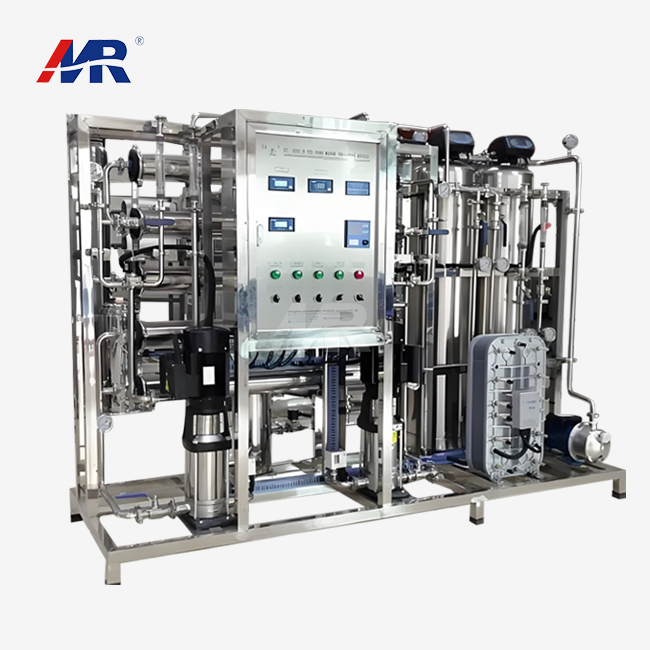 VIEW MORE1000LPH EDI system
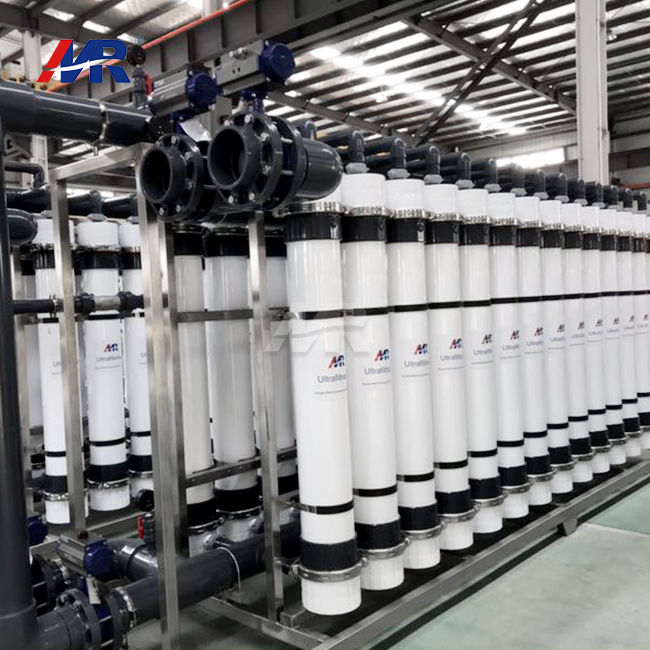 VIEW MOREultrafiltration machine
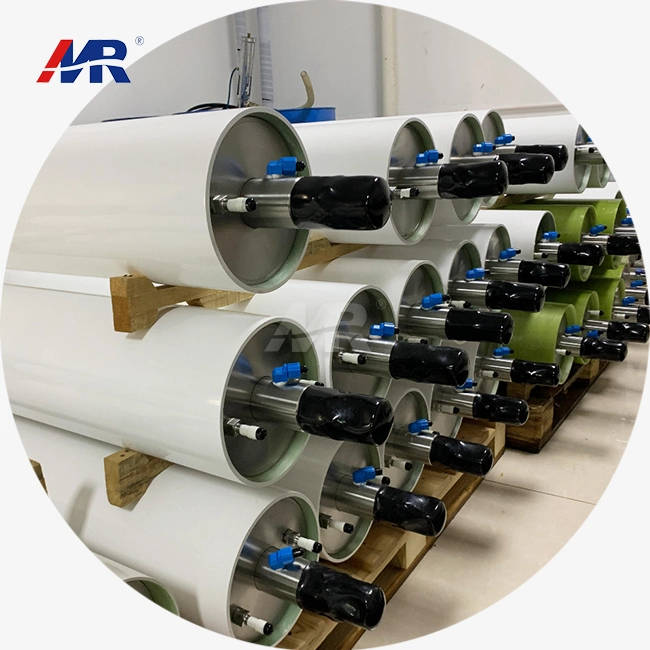 VIEW MORELandfill Leachate Treatment Plant
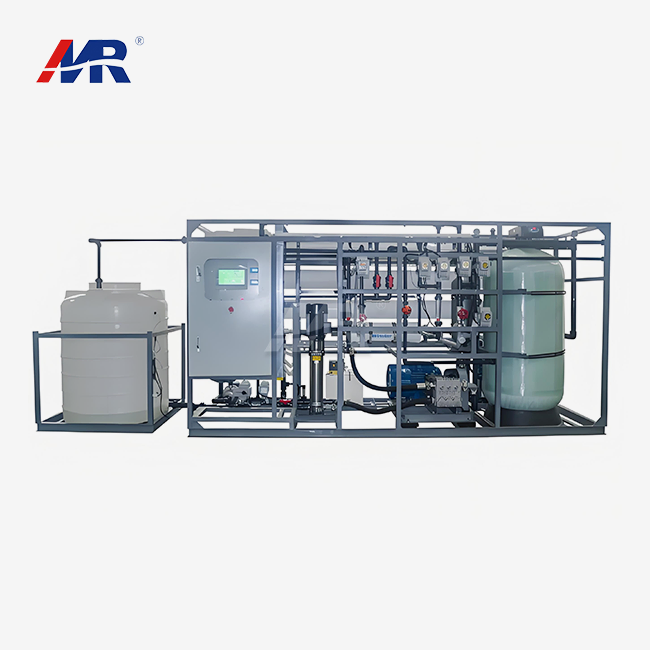 VIEW MOREseawater treatment system
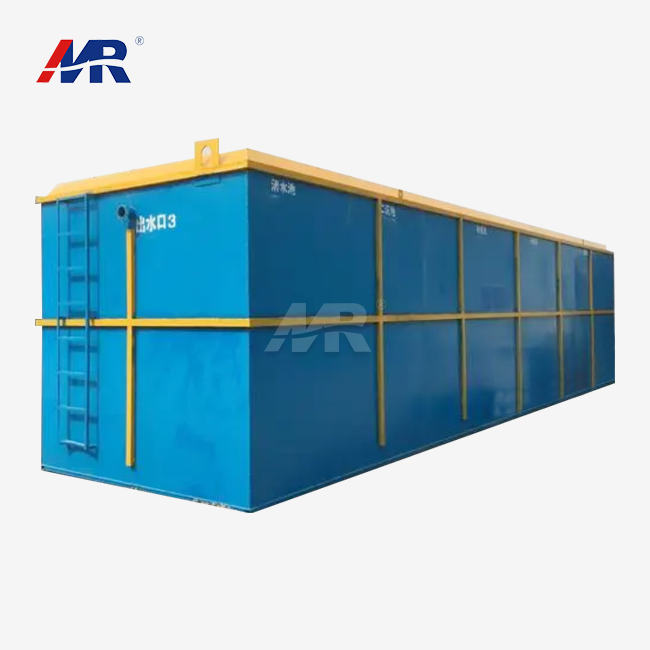 VIEW MOREwaste water treatment plant
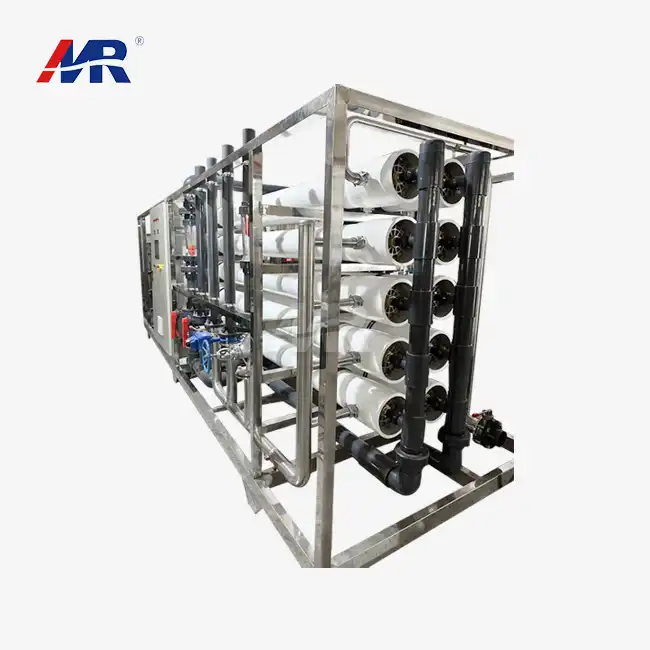 VIEW MORE50m3/hour reverse osmosis equipment
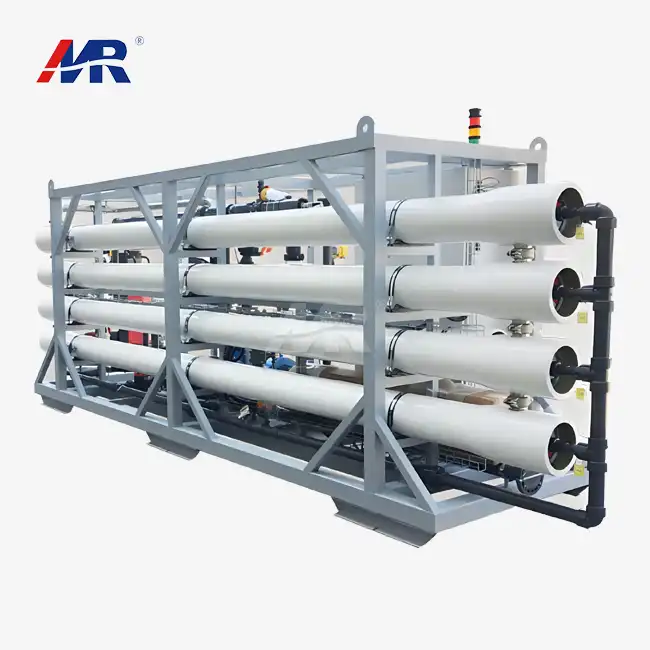 VIEW MORE12m3/hour seawater desalination equipment
 VIEW MOREcontainer 3m3/hour RO equipment
