_1745823981883.webp)

Troubleshooting Your Reverse Osmosis Device: Common Issues and Solutions
When your reverse osmosis device has performance problems, they need to be found and fixed quickly to keep operations running smoothly. Even though these high-tech water treatment systems are very good at getting rid of up to 99% of contaminants, they can run into problems like membrane fouling and pressure drops. Knowing about these common issues and how to fix them helps facility managers and purchasing professionals keep downtime to a minimum and make sure that water quality standards are met across all industry uses.
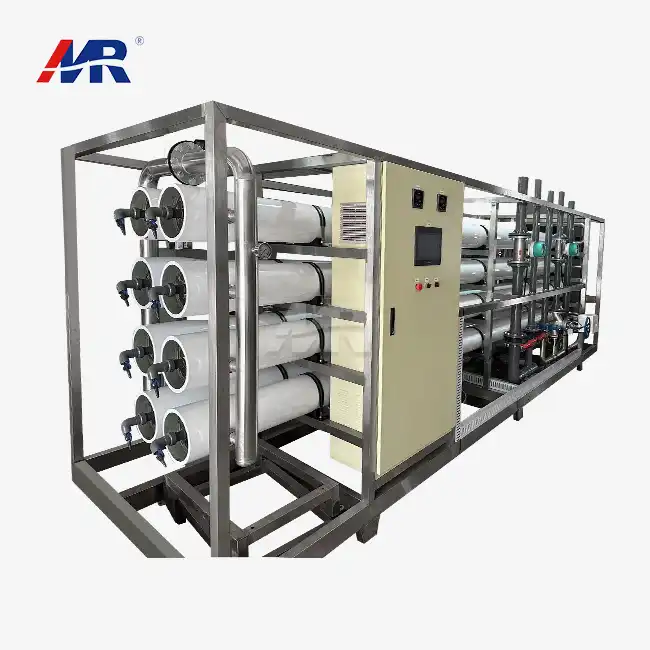
Understanding Common Problems with Reverse Osmosis Devices
Low Water Flow and Reduced Productivity
Water flow rates in commercial reverse osmosis systems often drop, which has a direct effect on how well they work. Usually, this problem is caused by membrane fouling, which can be sediment buildup, bacterial growth, or scaling deposits. When the amount of total dissolved solids (TDS) in the source water is higher than what was planned, filters get clogged more quickly than expected.
This is a problem that industrial sites that use a lot of water notice, especially when demand is high. For example, chip cleaning processes need ultrapure water flow rates that stay the same in electronics manufacturing plants. When flow rates fall below what is expected, they can seriously mess up production plans.
Membrane Fouling and Scaling Issues
One of the hardest parts of maintaining a RO system is keeping the membranes from breaking down. Even though thin-film composite (TFC) membranes are very good at getting rid of contaminants, they can be damaged by chlorine and bacterial fouling. These membranes are made up of several layers that can become damaged by chemicals that don't work well together or too much biological material.
Scaling happens when calcium carbonate, calcium sulfate, or silica crystals form on the sides of membranes. This effect is especially troublesome when using strong brine solutions to desalinate seawater, as they make it easier for crystals to form. Pharmaceutical production sites need to take action on this problem right away to keep the water quality standards that meet GMP requirements.
Pressure Fluctuations and System Instability
Maintaining a steady working pressure is important for reverse osmosis to work well. Pressure drops are often a sign of a clogged pre-filter, worn pumps, or plumbing problems inside the system. On the other hand, too much pressure can weaken membrane structures and shorten their useful life.
To make ultrapure boiler feedwater using a reverse osmosis device for use in the energy sector, especially in power plants, stable pressure patterns are needed. Changes in the pressure in these systems can cause expensive equipment to break down and raise safety issues. Checking the difference in pressure between membrane banks on a regular basis can help find problems early on, before they get too bad.
Step-by-Step Troubleshooting Guide for RO Systems
Systematic Diagnostic Protocols
Troubleshooting works best when a lot of data is collected and analyzed. These days, RO systems have advanced tracking features that keep an eye on key performance indicators like flow rates, pressure differences, conductivity readings, and membrane rejection percentages. These factors tell us a lot about the health and performance trends of the system.
The testing process should be done in a way that makes sense, starting with checking the quality of the source water. The amount of chlorine, grit, and organic matter in municipal water sources can change with the seasons, which can affect how well membranes work further downstream. Facility managers should keep thorough records of the features of the water coming in so that they can find trends that are linked to problems with the system.
Essential Diagnostic Tools and Techniques
To accurately find the problem during professional fixing, you need to use special tools. Conductivity meters help check the health of membranes by comparing the quality of the infiltrate to standards that have already been set. Pressure gauges at several spots in the system show when hydraulics are limited or when the pump isn't working right. Flow meters give us numbers that we can use to figure out system recovery rates and production measures.
Data logging for a reverse osmosis device lets you look at trends over long stretches of time. From a past point of view, this helps tell the difference between normal operating changes and problems that need to be fixed. A lot of buildings have automatic alert systems that let repair staff know when certain factors go above and beyond certain limits.
Membrane Cleaning and Replacement Procedures
The right way to clean with chemicals depends on the type of fouling that is found. Alkaline cleaners with sodium hydroxide and detergents are usually good at getting rid of biological pollution. To get rid of scale buildup, you need acidic treatments like citric acid or hydrochloric acid. It is important to carefully plan the cleaning steps so that different cleaning chemicals don't mix and get dirty.
When to change the membranes depends on a number of things, such as the quality of the source water, the working conditions, and the performance needs. In factory settings, high-quality TFC membranes that are kept in good shape can work well for two to three years. But if the water source is hard to work with or the business needs a lot of work, changes may need to happen more often.
Comparing Reverse Osmosis Device Features to Avoid Common Problems
Technology Comparison and Selection Criteria
When used correctly, reverse osmosis technology has clear benefits over other filter methods. RO screens remove all kinds of contaminants, like heavy metals, bacteria, viruses, and dissolved salts. This is different from activated carbon systems, which only remove chlorine and organic chemicals. Because it can work on a wide range of substances, reverse osmosis is very useful for making ultrapure water for medicinal and electronics uses.
System makers have to compare different reverse osmosis device RO setups based on things like how much energy they use, how often they need to be maintained, and how flexible they are in how they can be used. In high-pressure situations like desalination of saltwater, energy recovery devices cut down on running costs by a large amount. These systems take pressure energy from concentrated streams and send it tothe feedwater going in. This can cut energy use by as much as 60% total.
Advanced Features and Integration Options
Modern reverse osmosis machines have complex control systems that make them work better while requiring less upkeep. High-pressure pumps with variable frequency drives (VFDs) can change their running settings automatically based on how the system is working in real time. This flexible control stops the membrane from being exposed to too much pressure, which saves energy and makes it last longer.
Adding UV cleaning systems after the ro membranes gives even more protection against bacterial contamination. This mix is especially important in pharmacy settings that need to use clean water and need more than one barrier method. When these technologies are combined, they work better together, making the whole system more reliable.
Remineralization devices deal with the fact that beneficial minerals are lost completely during reverse osmosis cleaning. The mineral level needs to be managed in food and drinks to make sure the taste is good and to follow the rules. After the water has been cleaned, these systems add minerals like calcium, magnesium, and others back into it in exact amounts that can be managed.
Installation and Support Strategies to Minimize Troubleshooting
Professional Installation Protocols
When you set up a system correctly, it will work reliably for a long time. Professional installation teams follow thorough plans that cover important things like the right way to treat the area first, how to set up the pipes correctly, and how to connect the electricity. The main reason why industrial membranes fail too soon is that they weren't treated properly before use.
When designing a pre-treatment system, certain features of the source water and expected changes in water quality must be taken into account. Solids in the fluid that could damage membranes further down the line are removed by multi-media filters. Activated carbon filters get rid of chlorine and chemical molecules that break down membranes. In high-hardness situations, water softener systems stop scale from forming.
The construction process of a reverse osmosis device includes checking the system's performance and putting it through a full commissioning process. As part of the initial starting steps, the pressure is slowly raised to allow the membrane to compact and stabilize. Performance testing makes sure that the system works as planned in terms of flow rate, refusal percentage, and energy use.
Technical Support and Service Partnerships
By building ties with service providers with a lot of knowledge, you can be sure that operational problems will be fixed quickly. Comprehensive service contracts usually include regular preventative maintenance visits, emergency fix services for emergencies, and expert advice to find ways to make things work better. These agreements are especially helpful for places that don't have their own water cleaning experts.
Remote tracking lets you plan preventative maintenance based on how the system is actually working, not just at random times. Cloud-based monitoring tools let you view system data in real time from anywhere, which makes it easier to find and fix problems quickly. A lot less downtime is caused by this technology because it lets problems be fixed quickly, before they get worse.
Training programs for people who work in building care make it easier to figure out problems and lessen the need to hire outside help. Full training includes regular upkeep steps, simple troubleshooting methods, and safety rules for working with chemicals. Many common problems can be fixed by well-trained workers without having to call for help.
Morui Environmental Technology: Your Partner in Water Treatment Excellence
Guangdong Morui Environmental Technology Co., Ltd. has more than ten years of experience in providing industrial water treatment options that can help facilities deal with the difficult problems they face. Our all-inclusive method includes everything from designing the system from the start to providing ongoing upkeep support, ensuring that it works at its best throughout its entire lifecycle.
Twenty highly skilled engineers on Our Team create unique reverse osmosis systems that meet the needs of different industries. No matter if your facility needs ultrapure water for handling semiconductors or pharmaceutical-grade water for making drugs, we can provide systems that meet the highest quality standards. Our own membrane production plant makes sure that quality control is always in place and that the supply chain for important parts is managed reliably.
Our services go far beyond just selling reverse osmosis device tools; they also include full turnkey installation and testing. Our team of 500 dedicated professionals works out of 14 area branches spread across China to provide local help. This vast infrastructure allows for quick responses and full after-sales help, no matter where the project is located or how complicated it is.
Strategic relationships with top component makers like Shimge Water Pumps, Runxin Valves, and Createc Instruments make sure that every system uses technology that has been tested and proven to work. Because of these connections, we can offer full guarantees and keep large stocks of spare parts so that there is little chance of downtime.
Some of the industries we work with a lot are pharmaceutical manufacturing, tech production, food and beverage processing, and public water treatment. Because we have a lot of experience, we can understand the particular needs of each business and provide solutions that meet regulatory compliance needs and operational difficulties.
Conclusion
To fix problems with reverse osmosis systems, you need a methodical plan that includes the right testing tools, regular upkeep, and strong relationships with suppliers. Knowing about common problems like membrane fouling, changes in pressure, and drops in flow rate helps facility managers come up with effective solutions that keep operations running as smoothly as possible. Choosing the right technology features and having a professional install them greatly lowers the chance of future problems and improves the performance of the system. Industrial facilities can meet consistent water quality standards and make machinery last longer and run more efficiently by working with experienced providers who offer full Technical support and reliable supply chains for parts.
FAQ
Q1: How often should commercial RO membranes be replaced?
Under regular settings, commercial reverse osmosis membranes need to be replaced every two to three years. But how often it needs to be replaced varies depending on the quality of the source water, the hours of operation, and the upkeep methods used. Facilities that deal with difficult water sources or that are always running may need to be replaced more often. Monitoring performance on a regular basis helps figure out the best time to replace the membrane based on its real state instead of making decisions based on random schedules.
Q2: What are the key indicators that signal troubleshooting needs?
Less water flow, higher permeate conductivity, bigger pressure differences across membranes, and an odd taste or smell in cleaned water are the main warning signs. When these factors go above certain limits, automatic tracking systems should send out alerts. Visual checks done on a regular basis can also find leaks, strange noises, or discoloration that are signs of problems that need to be fixed right away.
Q3: Is RO-treated water safe for all industrial applications?
Reverse osmosis makes water that is very good and can be used in most industry settings. However, some processes might need extra steps of treatment, like remineralization for use in food and drinks or UV cleaning for use in pharmaceuticals. Depending on the needs, post-treatment adjustments may be needed to make sure that all minerals are gone. Talking to experts in water cleaning makes sure that the system is set up correctly for its intended use.
Partner with Morui for Reliable Reverse Osmosis Solutions
Are you ready to solve your water cleaning problems with proven knowledge and full support? Morui Environmental Technology makes reverse osmosis systems that are specifically built to meet the needs of your industry. Our experienced team does everything, from the original meeting to ongoing maintenance support, to make sure that your system works at its best and has as little downtime as possible. Get in touch with our technical experts at benson@guangdongmorui.com to get a free system evaluation and find out why top manufacturers choose Morui as their chosen reverse osmosis device provider.
References
1. American Water Works Association. "Reverse Osmosis and Nanofiltration Manual of Water Supply Practices." AWWA Press, 2022.
2. Crittenden, J.C., et al. "MWH's Water Treatment: Principles and Design." John Wiley & Sons, 2021.
3. Membrane Technology Research Institute. "Industrial Membrane Applications and Performance Standards." Water Treatment Technology Reviews, 2023.
4. International Desalination Association. "Best Practices for Reverse Osmosis System Maintenance and Troubleshooting." IDA Technical Guidelines, 2022.
5. National Academy of Engineering. "Membrane Technologies for Water Treatment and Reuse." Engineering Applications Quarterly, 2023.
6. Water Quality Association. "Commercial and Industrial Water Treatment System Performance Standards." WQA Technical Bulletin, 2022.