

_1745823981883.webp)

Step-by-Step Guide: How to Remineralize RO Water at Home Efficiently
Remineralizing reverse osmosis water at home means adding minerals back into clean water using special filter systems. To get the water back to its original state, home remineralization filters often use calcium carbonate, magnesium oxide, and other small minerals. Adding nutrition and making the water taste better are what this process does. It also stops health problems that could happen from drinking demineralized water for a long time. Present RO systems work best when post-filtration remineralization cartridges are used. This makes sure that the water has the right amount of minerals and still meets cleaning standards.

Understanding the Problem: Why RO Water Needs Remineralization
Very clean water is made by reverse osmosis, which gets rid of almost all dissolved substances, even good nutrients. It gets rid of harmful contaminants, but it also gets rid of important things that are good for water quality and people's health.
The Science Behind Mineral Depletion
The way RO membranes work is that they push water through walls that only let things bigger than water molecules pass. Calcium, magnesium, potassium, and sodium are some of the minerals that are dissolved and taken out by this process. There are not many total dissolved solids (TDS) in the water. This makes it "aggressive" or "hungry"-smelling.
Health Implications of Demineralized Water
The World Health Organization has written about some problems that can happen when you drink water that is low in minerals for a long time. Minerals may be flushed out of the body faster if you drink water that has been stripped of minerals. The WHO found that chloride, magnesium, sodium, and potassium ions leave the body faster in people who drink water that is low in minerals.
If the water you drink doesn't have enough of some nutrients, it can hurt your heart, bones, and nerves. When people don't get enough calcium and magnesium, it changes how they taste things. For many, this makes water taste flat or unsatisfying.
Infrastructure and Equipment Concerns
Acidic water in a home remineralization filter can damage lines, appliances, and storage bins because it has lost some of its minerals. Mineral-poor water is active and can remove metals from pipes. This can let in harmful chemicals and make tools wear out faster. This chemical action changes the way water systems work in homes and businesses, which can lead to higher maintenance costs and health risks from metal waste.
Step-by-Step Process: How to Efficiently Remineralize RO Water at Home?
To make a remineralization system that works well, you need to plan it out carefully, choose the right tools, and install it by following a set of steps. The following all-around plan will get the job done right and still meet water safety standards.
Water Quality Assessment and Testing
Before you can figure out how much RO water you have, you should make sure it is clean. To find out how many dissolved solids are in water, professionals use TDS meters. Full test kits can tell you about the minerals, pH level, and alkalinity. Note these numbers down to see how things are getting better now that you have a remineralization system in place.
As part of the test, the pH level, calcium, magnesium, and potassium should all be found. Many people who work with treating water say that the total dissolved solids level should be 50 to 150 mg/L and the pH level should be between 7.0 and 8.5 in remineralized water.
Equipment Selection and Compatibility Analysis
Choose home remineralization filter equipment based on the flow rate you need, the quality goals you have for the water, and how your present RO system is set up. Most people choose post-filter remineralization filters because they always work and are simple to set up. Most of the time, these units have calcite, corosex, or a mix of minerals that are meant to break down slowly and add minerals to water that has been cleaned.
In alkaline remineralization screens, different kinds of media are used, like crushed coral, limestone, or designed mineral mixes. There are high-tech ways that use more than one stage with different mineral sources to get exact water chemistry goals.
Installation Guidelines and System Integration
The remineralization filter should be put after the RO system's storage tank, but before the last faucet that lets water out. Putting the nutrients in this way makes sure that they are added at the best time during the treatment. If you want to connect food-grade tubes and fittings that can be used with drinkable water, follow the manufacturer's directions.
To do a job right, you need to pay attention to the housing's angle, the flow direction, and the flow rate. A lot of remineralization filters have flow restrictors that make sure the mineral media and water can touch each other. Skilled technicians can usually set up the system in 30 to 60 minutes. During this time, they will clean it to get rid of any initial media dust or small particles.
Maintenance Scheduling and Performance Monitoring
Based on how much water is used and what the maker says, make regular repair plans. The cartridge needs to be changed every 6 to 12 months for most home remineralization filters. This depends on how much water is used every day and how fast the mineral media goes down. TDS meters and pH test strips should be used once a month to make sure that minerals are being added regularly.
Keep track of how well the system works over time by writing down when it needs to be fixed, when it needs to be changed, and how clean the water is. Keep track of when the water is refilled so you can find the best times and fix any problems before they get worse and affect the quality of the water.
Comparing Popular Solutions: Which Remineralization Method Suits Your Needs?
One way to remineralize rocks is better than another, and each has its own pros and cons. When buying, teams know these differences, and they can choose choices that work for their business and fit their budgets.
Post-Filter Remineralization Cartridges
Most people use post-filter filters for remineralization because they are simple to use and do a good job. In these systems, natural mineral media are slowly broken down to add calcium, magnesium, and trace elements back into clean water. The mineral makeup stays the same, and the pH doesn't change much because of the slow breakdown process.
The best companies that make these cartridges make sure that the amounts of minerals they use are right for the type of water and taste in the area. However, some units add more than just calcium and magnesium to make the water better. They also add potassium, sodium, and minor minerals.
Because they are easy to set up, post-filter screens can be used at home or in a small business. They don't need any big changes or extra power links to work with RO systems that are already in place.
Alkaline Remineralization Systems
It is important for home remineralization filter alkaline remineralization technology to both add minerals and change the pH. Most of the time, these systems raise the pH of the water to between 8.0 and 9.5 while adding alkaline chemicals that some health advocates believe are good for you in other ways. If you are used to drinking pure spring water, you might like the taste better when the pH level is higher.
In alkaline systems, on the other hand, the minerals may change more depending on the water's temperature, flow rate, and how long it is exposed. Some people say they like the way things taste when the pH level is more like it should be. In other words, balanced remineralization methods are better for everyone than alkaline ones.
Liquid Mineral Additives and Drops
Remineralizing can be done with liquid mineral treatments that don't need to be put in place forever. Mineral mixes that are packed in these items are often added straight to water. But you have to measure out liquid ingredients by hand, and they might have different effects depending on how much you use.
Since the prices of liquid chemicals per gallon add up over time, they often cost more than the cost of filter systems that are already installed. Quality varies a lot from one maker to the next, and some items have harmful chemicals or mineral amounts that don't match.
Procurement Insights: Buying and Implementing Home Remineralization Filters
You need to think about more than just the price of the tools when you want to buy remineralization systems. A thorough study looks at things like how reliable the source is, how certified the product is, how much ongoing support there is, and the total cost of ownership.
Supplier Evaluation and Certification Requirements
Suppliers you can trust will have Certifications from well-known testing groups like WQA, NSF International, or others in the same field. These signs make sure that the items are safe and do what they say they will do. Find proof that the system gets rid of contaminants, adds minerals, and can handle a certain amount of flow. These tests should be done by a third party.
Find out how the provider controls quality and deals with customers, as well as how well they can make things. Companies with ISO 9001 recognition show that they are committed to handling quality in the same way every time. International service companies should make it easy for people to talk to each other, offer professional help in the right languages, and know the rules and laws in each area.
Cost Analysis and Total Ownership Calculations
The tools' original price of the home remineralization filter is only a small part of what they cost to own in the long run. Make a list of all the costs that will keep coming up, such as new batteries, maintenance services, and possible system tweaks. Each good remineralization cartridge costs between $25 and $75, and they need to be changed every 6 to 12 months, depending on how often they are used.
Think about opportunities to buy in bulk for a lot of places or to work with an OEM. A lot of service providers offer savings, longer warranties, and faster expert help for larger sales that are bigger. Talk about terms that include having access to extra parts, getting help with training, and making promises about how well you will do.
Integration Strategies and System Compatibility
These days, remineralization filters can work with a variety of RO systems. However, to avoid fitting problems, it is best to make sure they are appropriate before putting them in. You should check the connection sizes, pressure rates, and flow capacity needs before you buy. For some systems to work best, they need to be put in place in a certain way or with a certain amount of pressure.
Plan ways to connect things so that you can change or add to the system in the future. Parts can be changed, and systems can be brought up to date without having to rebuild the whole thing. For quality control that is done automatically, you might wantto look into systems that can hold tracking tools like pH or TDS meters.
Morui's Advanced Remineralization Filter Solutions
Guangdong Morui Environmental Technology Co., Ltd. is an expert at treating water in all of its forms. They use state-of-the-art remineralization technology that works well with RO systems. Businesses and groups that want to improve the quality of their water can count on us because we have worked with a wide range of clients, from factories and homes to businesses and corporations.
Innovative Technology and Product Excellence
The mineral media mixes in our remineralization filter systems are carefully planned so that they always work the same way. The goods in this line come in several different styles that can be used with different material conditions, flow rates, and fitting positions. It is checked over and over to make sure it meets the highest quality standards for water safety around the world.
The chemistry of the water stays the same for longer with new types of natural media that have controlled release rates. Our engineering team has created unique mixes that stop media from flowing as much as possible while also making mineral touch more efficient. When you compare these new technologies to older ones, they make cartridge life more stable and maintenance needs lower.
Comprehensive Service and Support Infrastructure
Our business has 14 area offices with more than 500 employees. Twenty of them are engineers whose only job is to create and improve water treatment systems. This large network makes sure that technical questions, help with setting up, and ongoing maintenance needs are met fast. We can keep an eye on the quality the whole time the goods are being made because we have our own membrane production center and different places where we process equipment.
Companies like Shimge Water Pumps, Runxin Valves, and Createc Instruments are some of the best at making parts that we work with to give our customers full solutions that meet their needs. Because of these relationships, you can get good parts at prices that are good for large purchases.
Custom Solutions and OEM Partnerships
Water needs to be remineralized in different ways for each home remineralization filter business, which we know. For each client, our engineering team creates a unique material mix, system layout, and interaction plan that fits the needs of their business. Our solutions are made to fit the needs of each client, whether they are a drug company that needs to keep exact mineral levels in check or a drink company that wants to make their drinks taste better.
OEMs can work together in several ways, such as by private marking, custom packing, and co-developing certain systems. We are skilled at making things, and we can handle orders of all sizes, from small test projects to large-scale business deployments. We promise that all orders, no matter how big or small, will get the same amount of quality and service.
Conclusion
You need to understand the science behind mineral loss, pick the right technology, and work with service providers who have done this before to get the most out of your home remineralization system. Good remineralization filters keep the benefits of reverse osmosis treatment while adding back in important minerals. To be successful, you need to correctly connect systems, keep them in good shape, and always keep an eye on how well they're doing. Companies that need remineralization solutions that they can trust should work with well-known brands that offer full support, tried-and-true technology, and a variety of buying options that can be tailored to each company's needs.
FAQ
Q1: How often should home remineralization filter cartridges be replaced?
Depending on how much water is used and the kind of mineral media, every 6 to 12 months, the filters should be changed. Check the water quality once a month and use TDS meters to keep track of how fast minerals are being added. When the numbers drop below the goal levels or the taste changes, it's time to get a new cartridge. Sometimes they need to be changed more often in homes that get a lot of use. Other places can go longer between repairs as long as they follow the manufacturer's directions.
Q2: Can remineralization filters work with any reverse osmosis system?
Most modern remineralization filters can be used with regular RO systems because they come with flexible connectors and can be placed in several different ways. Before you buy, make sure you know the types of pressure, flow rates, and connection sizes. Some older RO systems may need adapter parts or changes to the way they control the flow. Make sure it works with your RO type by looking at the manufacturer's specs or getting help from a professional.
Q3: What health benefits result from drinking remineralized water?
Calcium, magnesium, and potassium are some of the minerals that are added to remineralized water. The body needs these minerals for many activities. These minerals help the body's chemicals stay balanced, and bones and the heart function properly. Studies have shown that getting enough water may help you escape mineral deficiencies that can happen after drinking water that has lost minerals for a long time. It is good for you to drink more water that has been remineralized because it tastes better.
Q4: Do remineralization filters affect water purity or safety?
A good remineralization filter doesn't change how clean the water is; it just adds good minerals to it. A lot of tests have been done on natural media to make sure there are no contaminants and that it is safe for food. After RO treatment, the remineralization process takes place. Not only does it get rid of pollution, but it also adds back important nutrients. Pick items that have been approved by NSF or WQA to make sure they meet safety and performance standards.
Q5: What mineral levels should remineralized water contain?
About 50 to 150 mg/L of total dissolved solids of minerals should be in remineralized water, and the pH should be between 7.0 and 8.5. Between 10 and 30 mg/L of magnesium and 40 to 80 mg/L of calcium make food taste good and are good for you. The best goals might change depending on the tastes of the area and the way the water is sourced. Testing often helps keep levels at the right level and lets you know when a new cartridge is needed.
Partner with Morui for Superior Home Remineralization Filter Solutions
Morui has a history of making high-quality Products and offers the best remineralization technology. They also offer full engineering support. When you use our home remineralization filter systems, the minerals are added regularly, and they work well with other RO systems. Send an email to benson@guangdongmorui.com to talk to our expert team about your needs and find out what other options are out there.
References
1. World Health Organization. "Health Risks from Drinking Demineralised Water." WHO Technical Report on Nutrients in Drinking Water, 2005.
2. Kozisek, Frantisek. "Health Significance of Drinking Water Calcium and Magnesium." National Institute of Public Health, Czech Republic, 2003.
3. American Water Works Association. "Reverse Osmosis and Nanofiltration Manual of Water Supply Practices." AWWA Manual M46, Second Edition, 2007.
4. NSF International. "NSF/ANSI Standard 58: Reverse Osmosis Drinking Water Treatment Systems." NSF Standards and Criteria Department, 2019.
5. Water Quality Association. "Technical Application Bulletin: Remineralization of Reverse Osmosis Water." WQA Technical Committee, 2018.
6. Environmental Protection Agency. "National Secondary Drinking Water Regulations: Guidance for Nuisance Chemicals." EPA Office of Water, 2017.
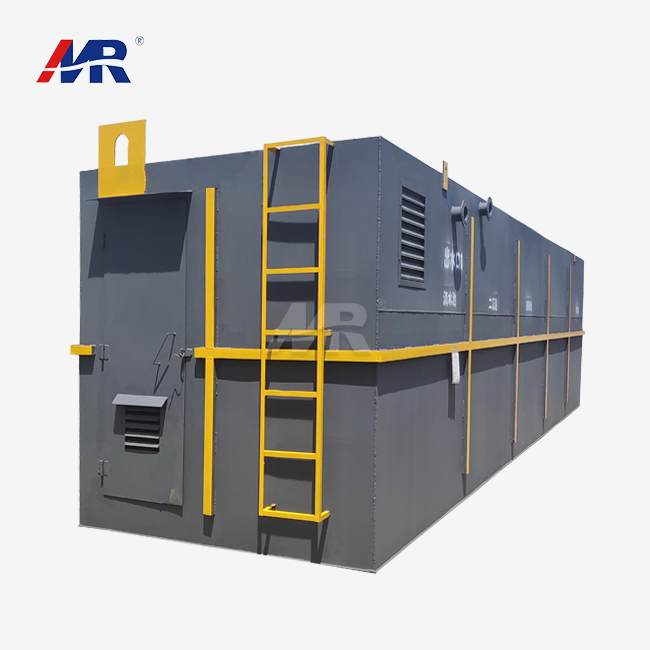 VIEW MOREhome wastewater treatment plant
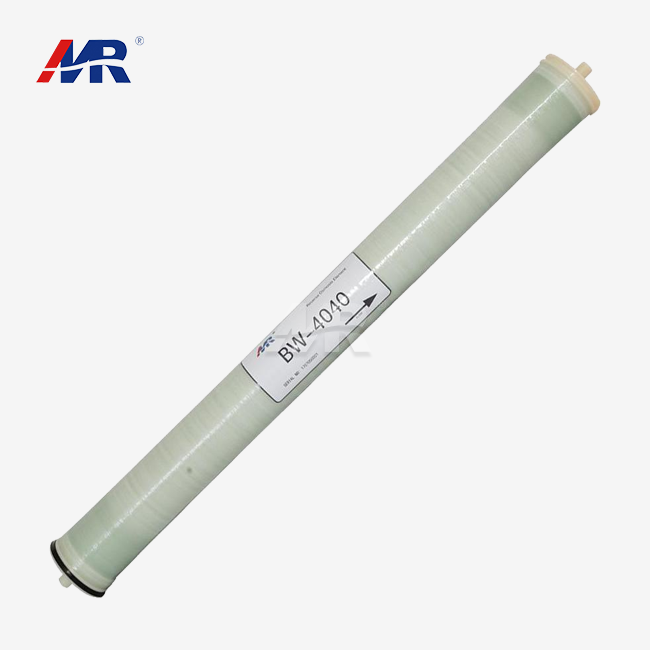 VIEW MORE4040 reverse osmosis membrane
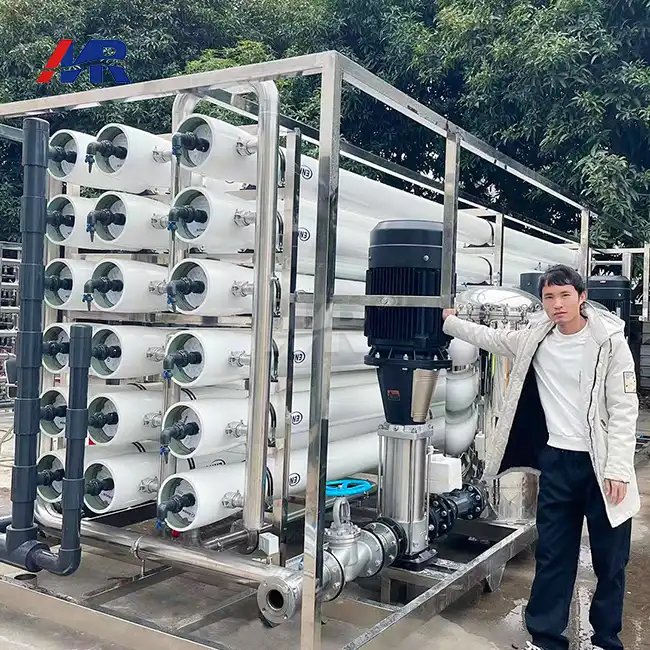 VIEW MORE100m3/hour reverse osmosis system
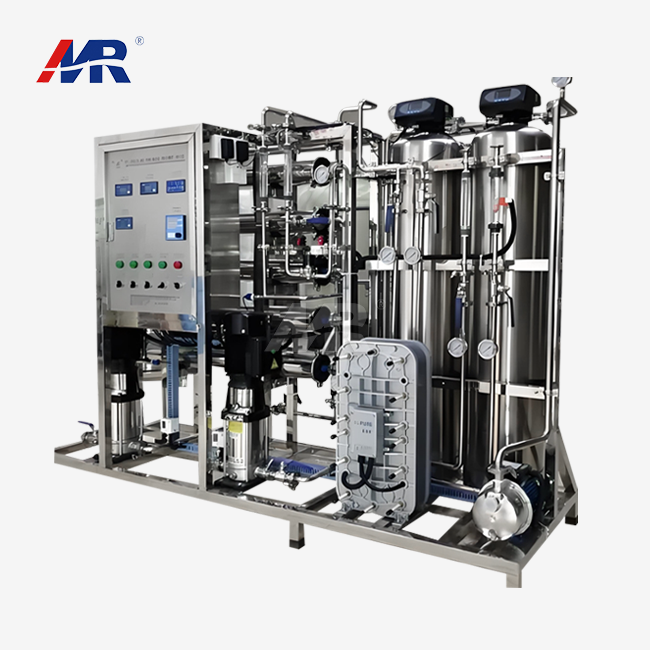 VIEW MOREEDI plant
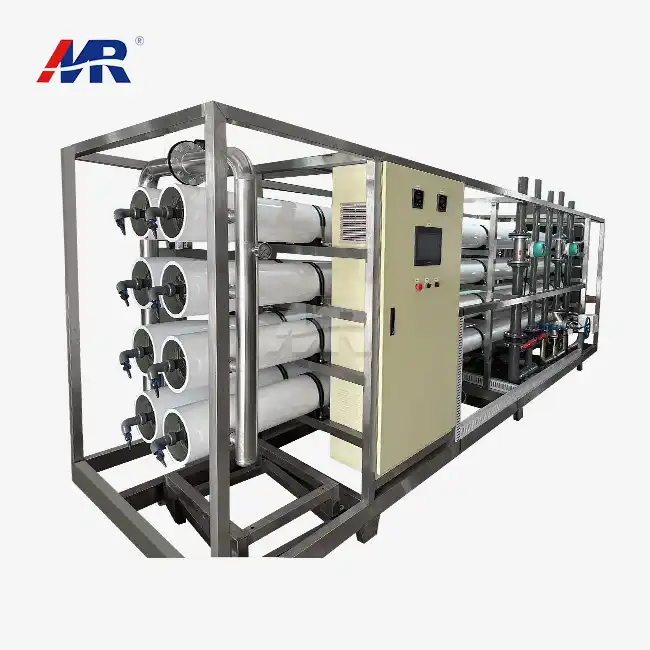 VIEW MORE8m3/hour two pass reverse osmosis system
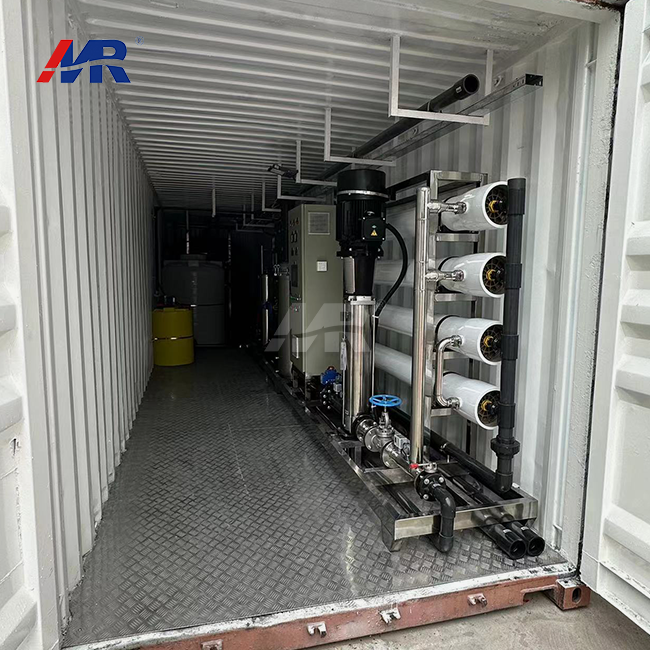 VIEW MOREcontainerized ro system
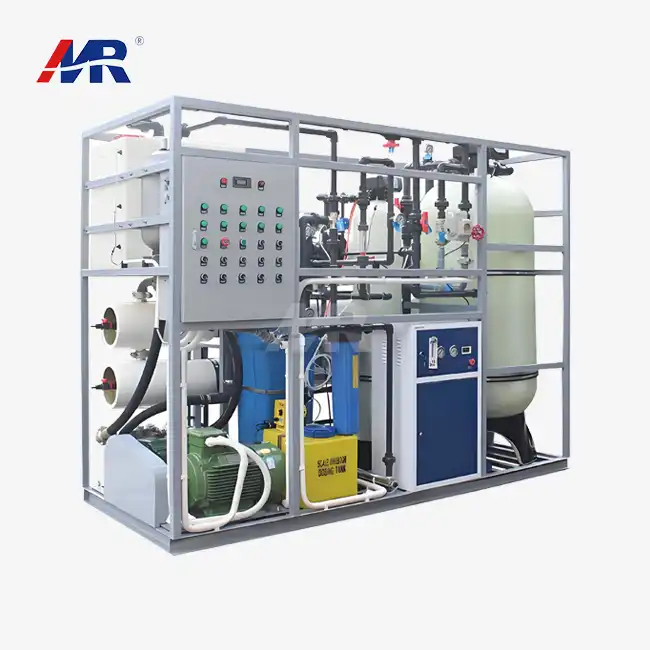 VIEW MORE2T/H seawater desalination plant
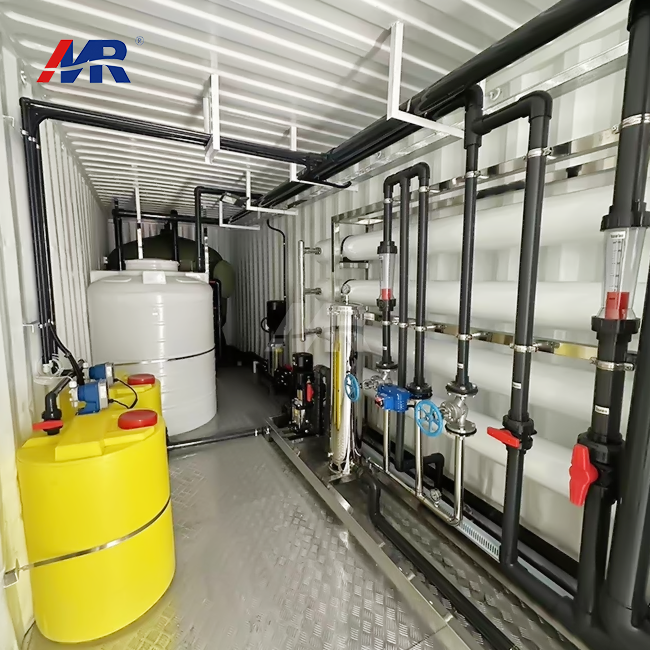 VIEW MOREcontainer reverse osmosis equipment
