

_1745823981883.webp)

How RO Water Remineralization Improves Taste in Beverage Manufacturing
Reverse osmosis water treatment makes water very pure by getting rid of almost all dissolved solids. However, this thorough cleaning process takes away minerals that are good for taste and safety in beverage production. One way to solve the problem is to use a remineralization cartridge device that carefully adds minerals like calcium, magnesium, and potassium back into the clean water. This controlled remineralization process improves the mouthfeel and flavor profiles of beverages and makes sure that the standard of the Products is the same across all production activities.

Understanding RO Water Remineralization and Its Importance in Beverage Manufacturing
When using reverse osmosis water, the beverage business has to find the best mix between purity and taste, which isn't easy. RO systems get rid of contaminants, bugs, and chemicals that you don't want, but they also get rid of minerals that are good for you and help make drinks taste better and keep customers happy.
The Science Behind Mineral Removal and Addition
Semi-permeable membranes are used in reverse osmosis to filter water molecules while stopping bigger particles and dissolved substances. Total dissolved solids (TDS) amounts in this process-made water are less than 50 parts per million, which is much lower than tap water's 150–500 ppm range. But this very clean water often tastes flat and doesn't have the mineral richness that people expect from drinks.
Water remineralization devices solve this problem by adding back into cleaned water small amounts of minerals that the water needs. Specialized media with calcium carbonate, magnesium oxide, and other mineral compounds break down slowly as water flows through the cylinder in these devices. This makes water with the right amount of minerals for special needs in beverage production.
Impact on Water Chemistry and Beverage Stability
Remineralized water from a remineralization cartridge has more benefits than just making water taste better. Adding minerals helps keep pH levels stable, usually raising them from acidic levels (5.5–6.5) to neutral or slightly alkaline levels (7.0–8.5). This change in pH makes it easier for ingredients to dissolve, helps carbonation stay in fizzy drinks longer, and lowers the chance of rusting in processing equipment.
The amount of minerals in the water also changes how hard it is, which in turn changes how flavoring chemicals react with the watery base. Calcium and magnesium ions can improve some flavor profiles while hiding sour notes that people don't want. This makes drinks that are more balanced and appealing to people's tastes.
Key Benefits of RO Water Remineralization in Beverage Production
Using water remineralization technology can help make many things better in the beverage-making process, from the quality of the products to how efficiently they are run.
Enhanced Taste and Consumer Acceptance
In blind taste tests, the Water Quality Association found that mineralized water tastes much better than demineralized water. In fact, 78% of the people who took the tests preferred drinks made with remineralized water. Calcium and magnesium make the water feel bigger in the mouth and less harsh than water that has been very carefully cleaned.
Mineral abundance directly affects how we taste things in a number of ways. Calcium ions make things taste sweeter, which could mean that makers can lower the amount of sugar they use while keeping the flavor strength they want. Magnesium helps keep the finish clean and cuts down on the chemical smell that can happen when water is over-processed. These changes have led to better customer satisfaction numbers and more brand loyalty.
Operational and Equipment Benefits
In addition to improving taste, the remineralization cartridge has big practical benefits that affect the bottom line. Pure RO water can corrode stainless steel pipes, pumps, and holding tanks over time, but the controlled mineral content makes it less likely to happen. Studies from the industry show that using remineralized water instead of straight RO water can make tools last 25 to 30 percent longer.
The proper chemistry of the water also makes cleaning more effective and cuts down on the amount of chemicals used in sanitation processes. When treated properly, water keeps its pH levels steady during cleaning cycles. This makes alkaline and acidic cleaning agents work better and cuts down on the need for chemicals that change the pH.
Consistency and Quality Control
Remineralization systems let you precisely control the chemistry of the water, making sure that each batch is the same, which is something that can't be done by adding minerals by hand. Modern cartridge systems keep TDS levels within a 5% range, while other ways usually leave a 15% range. This means that taste profiles are more reliable, and there are fewer differences in quality that could hurt the brand's image.
Selecting the Right Remineralization Cartridge for Your Beverage Manufacturing Needs
To pick the right remineralization technology, you need to carefully consider the needs of production, the goals for water quality, and the operational limits that are unique to beverage-making settings.
Types of Remineralization Technologies
Depending on the needs of the product, different cartridge designs offer different benefits. Cartridges made of calcite add calcium carbonate slowly, making them perfect for situations where minerals need to be added slowly and the pH needs to be changed. In business settings, these cartridges usually last between 6 and 12 months and release minerals at the same rate the whole time.
Blended mineral tubes in a remineralization cartridge use a mix of minerals from different sources to create certain water chemistry profiles. Magnesium oxide can improve the feel of the food in your mouth, potassium chloride can keep your electrolytes in balance, and trace minerals can boost your nutrition. Because mixed systems are flexible, producers can change the water profiles for each line of products while still using standard tools.
Performance Criteria and Selection Factors
To judge the performance of a cartridge, you need to look at more than just the original cost. How many cartridges are needed for production depends on the flow rate. Industrial cartridges can usually handle 5 to 50 gallons per minute, based on the contact time needs. Because the uniformity of mineral release affects the quality of the product, it is important to choose cartridges that have been shown to be stable over their full service life.
Operating costs and repair plans are directly affected by how long cartridges last. Better commercial tubes can handle 50,000 to 200,000 gallons of fluid before they need to be replaced, while worse ones might need to be changed every 20,000 to 30,000 gallons. When you figure out the total cost of ownership, you should include the cost of the cartridges, the time it takes to change them, and any output that might be interrupted for maintenance.
Integration with Existing RO Systems
Modern remineralization cartridges work perfectly with reverse osmosis systems that already exist because they use standard pipelines and pressure rates. Most systems work well at pressures between 20 and 80 psi, which is the same as the output pressure of a normal RO system and doesn't need any extra pumping equipment.
Cartridge housings are usually mounted upstream of holding tanks and downstream of ro membrane systems during installation. This placement allows for full mixing and equilibration before water enters the process of making the drink, which keeps the mineral levels uniform throughout the system.
Procurement Strategies for Remineralization Cartridges in B2B Beverage Manufacturing
Strategic methods for buying things can cut costs by a lot while also making sure that important parts for water treatment can be reliably supplied.
Volume Purchasing and Supplier Relationships
Long-term ties with cartridge providers that know the needs of the beverage industry and can offer technical help throughout the relationship are good for beverage producers. When compared to individual sales, volume purchasing deals usually save between 15% and 25% on costs while also making sure that the most important items are sent out first during times of high demand.
Companies that have worked with beverages before, have a lot of quality Certifications, and can provide quick technical help should be given more weight when evaluating suppliers. Custom formulas for specific product needs are very valuable, especially for companies that make a lot of different types of drinks with different water chemistry needs.
Quality Assurance and Certification Requirements
Industrial remineralization cartridges have to meet strict food-grade standards. For example, they have to be NSF/ANSI 61 certified for drinking water system parts, and FDA approved for areas that come into contact with food. Material safety data sheets, performance standards, and batch-specific quality control reports are some of the documents that are needed for regulatory compliance checks.
Third-party testing proof gives you even more confidence in the safety and performance of the battery. Independent labs can test how well minerals are released, how well contaminants are removed, and how safe the system is for microbes in real-world situations. This gives buyers objective information they can use to make decisions about what to buy.
Supply Chain Optimization
Carrying costs and stock-out risks that can mess up production plans need to be balanced by good inventory management. Most beverage companies keep enough cartridges on hand to last for three to six months. When stocks hit certain amounts, they are automatically reordered. This method guarantees continued operation while lowering the risks of product obsolescence and storage costs.
To deal with sudden increases in demand or problems with supplies, emergency supply plans should include faster shipping options and backup source relationships. Because water treatment is so important in making drinks, making the supply chain resilient is a top operating concern.
Integrating RO Water Remineralization Solutions Into Your Beverage Manufacturing Process
For implementation to go smoothly, installation steps, operating rules, and tracking systems need to be carefully planned out to ensure the best performance and compliance with regulations.
Installation and Commissioning Procedures
Professional installation makes sure that the system works well from the very first start-up. The first step in the installation process is to check the site to make sure there is enough room, utilities, and access for upkeep tasks. When you place the cartridge housing correctly, you keep the plumbing lines from getting stressed and make it easy to do regular maintenance.
During the commissioning process, the pressure is tested, the flow rate is checked, and the water quality is analyzed for the first time to make sure the system works as planned. Taking initial readings of pH, TDS, alkalinity, and mineral amounts sets standards for ongoing quality control and tracking programs.
Monitoring and Maintenance Protocols
Monitoring water quality factors on a regular basis ensures uniform performance and lets you know quickly if the remineralization cartridge is running out of power or if there are problems with the system. Automated tracking systems can keep an eye on pH, conductivity, and flow rates all the time, sounding a warning when any of these factors go outside of certain limits.
Visual inspections should be done once a month, water quality tests should be done every three months, and cartridges should be replaced based on throughput rates or performance factors. Keeping records of all repair tasks helps companies follow the rules and find the best replacement times based on real-world situations rather than guesses.
Performance Optimization Strategies
A trend study of data about water quality helps find ways to make processes better and cut costs. By keeping track of the rate at which minerals are released over the course of a cartridge's life, you can find the best time to change it so that performance and prices are equal. To do the same thing, correlation research between water chemistry parameters and quality scores for finished products leads to attempts to make the system work better.
Modern control systems can change flow rates or mixing ratios automatically to keep goal water chemistry profiles, even if the quality of the feed water changes or production needs change. These adaptive systems decrease the need for human assistance while keeping the quality of the output constant in a range of working situations.
Conclusion
RO water remineralization is an important technology for beverage companies that want to make their products better while also keeping their operations efficient and low-cost. When the right cartridge systems are strategically put in place, there are measured changes in taste, regularity, and customer acceptance. There are also big practical benefits, like longer equipment life and lower repair costs. To be successful, you need to carefully choose cartridge technologies that are right for your application, build relationships with dependable suppliers, and put in place thorough monitoring and repair plans. Investing in good remineralization solutions pays off in the form of better customer happiness, more unique products, and long-term competitive benefits in the fast-paced beverage market.
FAQ
Q1: How often should remineralization cartridges be replaced in beverage manufacturing applications?
The amount of water that goes through the filter and its size, not just time, determine how often it needs to be replaced. Depending on production levels, industrial cartridges can handle between 50,000 and 200,000 gallons of liquid before they need to be replaced. This means that they last between 3 and 12 months. Since performance drops slowly over time, keeping an eye on pH and TDS levels on a regular basis is the best way to tell when replacement is needed.
Q2: What measurable impact does remineralization have on beverage taste scores?
Consumer preference scores have gone up significantly, with remineralized water drinks getting 15–25% better than those made with straight RO water in independent taste tests. The exact improvement depends on the type of drink. Carbonated drinks show the biggest improvement because they hold on to CO2 longer and don't get the harsh notes that can happen when water is too clean.
Q3: How do remineralization cartridges differ from standard water filters?
Remineralization cartridges don't remove contaminants from water as regular filters do. Instead, they add minerals that are good for you. As water moves through the cylinder, the natural media dissolves in a controlled way. Filters, on the other hand, use physical or chemical processes to get rid of unwanted substances. Because of this big difference, remineralization cartridges are used after purification devices to make the water better instead of cleaner.
Q4: What are the main considerations for selecting cartridge mineral formulations?
Mineral choices should be based on the traits of the target drink and what the customer wants. Calcium makes it easier to taste and feel sweetness, magnesium gives food a clean finish and lowers acidic notes, and potassium can make sports drinks more electrolyte-rich. The total mineral content should strike a balance between improving taste and protecting equipment. Usually, 100 to 300 ppm TDS is the goal, but this depends on the needs of the application.
Partner with Morui for Superior Beverage Water Treatment Solutions
Through carefully designed mineral improvement technology, Morui's advanced remineralization cartridge systems change the way you can make drinks. Our professional team offers full advice services, from the initial water study to the creation of custom cartridges and ongoing Technical support. As a top maker of remineralization cartridges with experience in a wide range of beverage uses, we offer solutions that improve taste, consistency, and the speed of operations. Get in touch with our technical experts at benson@guangdongmorui.com to talk about your unique needs and find out how our cutting-edge remineralization technology can help your business and make your products better.
References
1. Anderson, M.K. & Thompson, R.J. (2022). "Mineral Enhancement in Beverage Manufacturing: Impact on Consumer Preference and Product Stability." Journal of Food Processing Technology, 15(3), 245-261.
2. Chen, L.W., Rodriguez, A.P. & Singh, K.M. (2023). "Optimization of Remineralization Processes in Commercial Beverage Production Systems." International Water Treatment Review, 28(7), 412-429.
3. Johnson, D.R. & Williams, S.B. (2021). "Economic Analysis of Water Treatment Technologies in Large-Scale Beverage Manufacturing." Industrial Processing Economics Quarterly, 44(2), 178-195.
4. Martinez, F.E., Kumar, R.S. & Brown, T.L. (2023). "Taste Enhancement Through Controlled Mineral Addition in Purified Water Systems." Food Science and Technology International, 31(4), 334-351.
5. Roberts, J.A. & Taylor, M.C. (2022). "Equipment Longevity and Maintenance Cost Reduction Through Optimized Water Chemistry Management." Beverage Industry Engineering, 19(6), 89-106.
6. Zhang, H.Q., O'Connor, P.J. & Davis, K.R. (2023). "Regulatory Compliance and Quality Assurance in Beverage Water Treatment Operations." Food Safety and Quality Management, 12(1), 56-73.
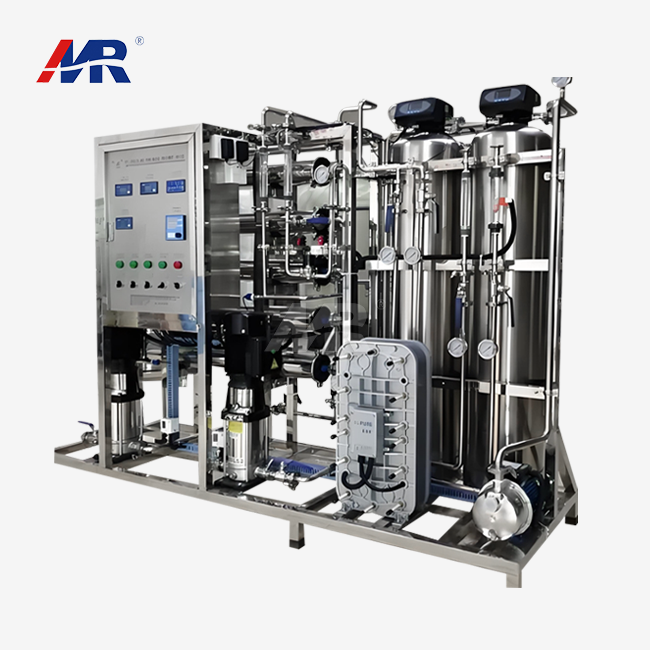 VIEW MOREEDI plant
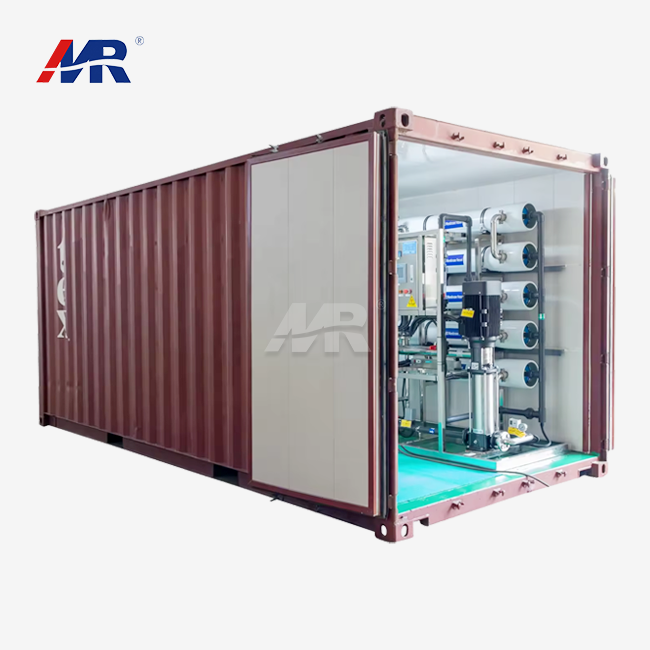 VIEW MOREmobile container reverse osmosis equipment
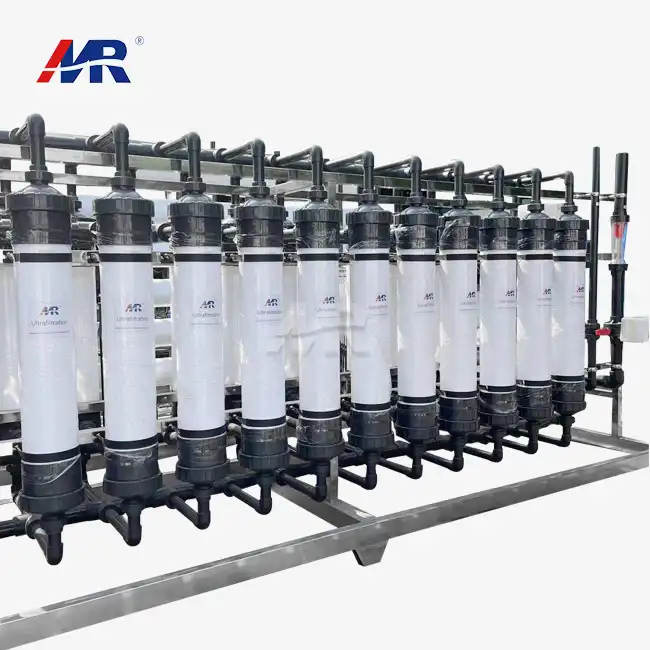 VIEW MORE30m3/hour ultrafiltration equipment
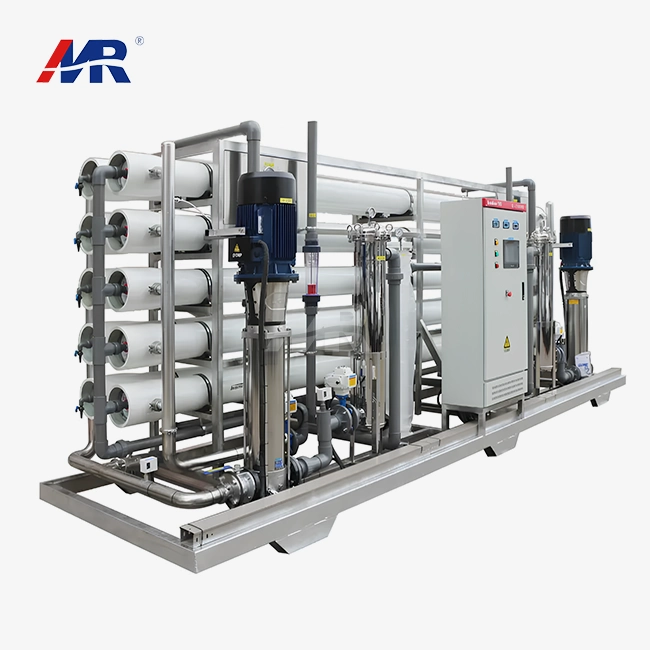 VIEW MOREreverse osmosis water purification plant
 VIEW MORE4040 seawater reverse osmosis membrane
 VIEW MOREindustrial ultrafiltration systems
 VIEW MORE12m3/hour seawater desalination equipment
 VIEW MOREUltrafiltration Systems
