_1745823981883.webp)

Container RO equipment is a groundbreaking change in water treatment technology that is easier to move and faster to set up than normal RO systems. The basic difference is that this system's integrated, containerized design includes all the parts needed in a strong, portable frame. In contrast, traditional reverse osmosis systems need a lot of setup and installation at the spot where they will be used. This difference affects everything from when the systems can be put in place to how flexible they are in use, which is why containerized solutions are becoming more popular in industries that need to quickly treat water.
Understanding Container RO Equipment and Standard RO Systems
Container RO Equipment Design and Integration
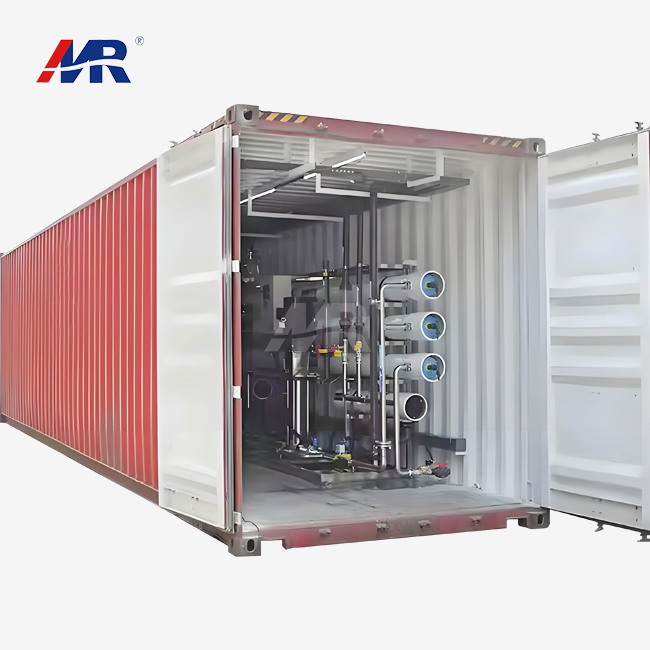
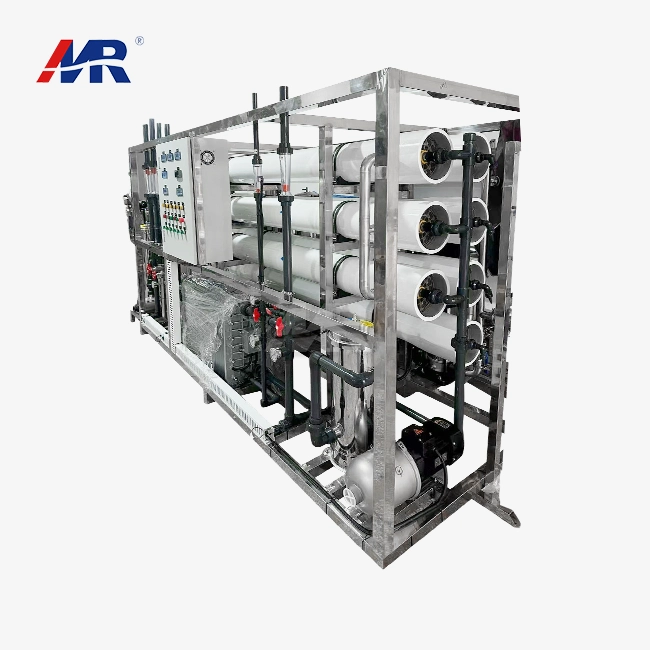
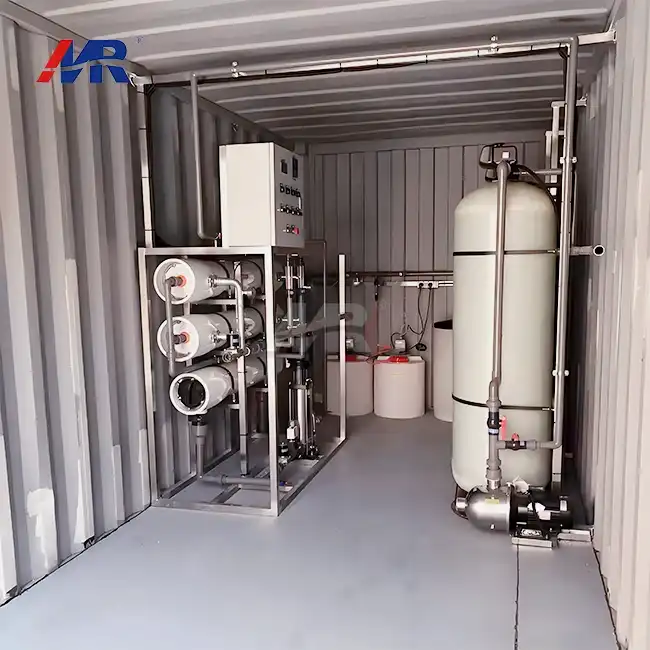
Container RO equipment puts all of the important reverse osmosis parts into a strong, movable frame so that they can be used for a wide range of water treatment uses. These units are built in the size of a regular shipping container, usually 20-foot or 40-foot long, and hold high-pressure pumps, membrane tanks, pre-treatment systems, and control screens. With the combined design, there is no need for a lot of building at the site because all of the plumbing, electrical connections, and instruments are put together and tested in the factory.
At Morui, our containerized systems are made of materials that won't corrode and include tracking systems that make sure they keep working even in tough conditions. The covered design keeps delicate equipment safe from the weather and dirt, and the standard sizes make it easy to move by truck, train, or ship.
Standard RO Systems Architecture
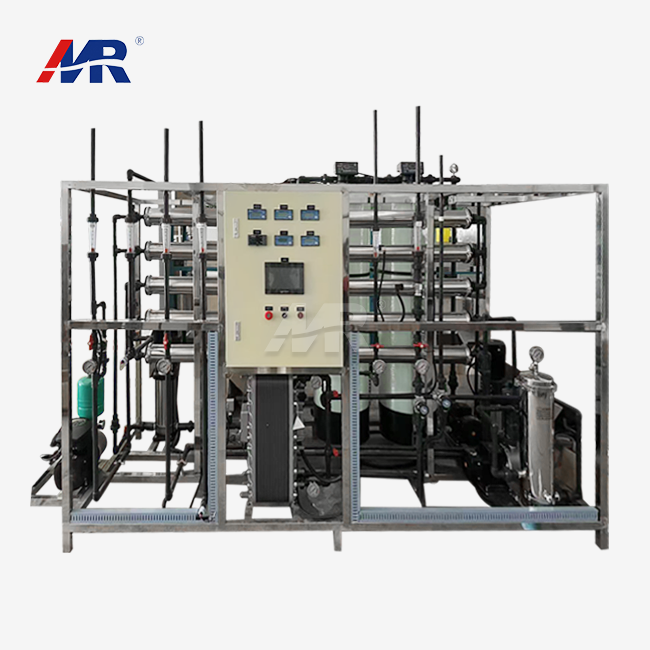
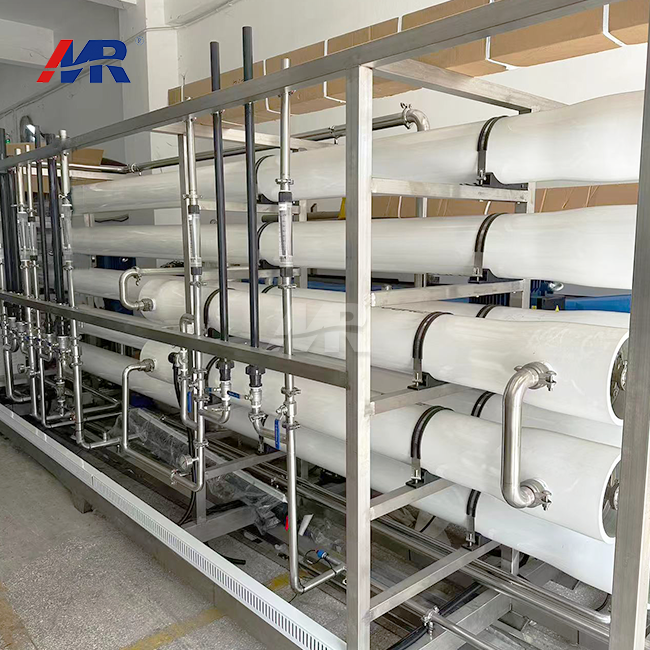
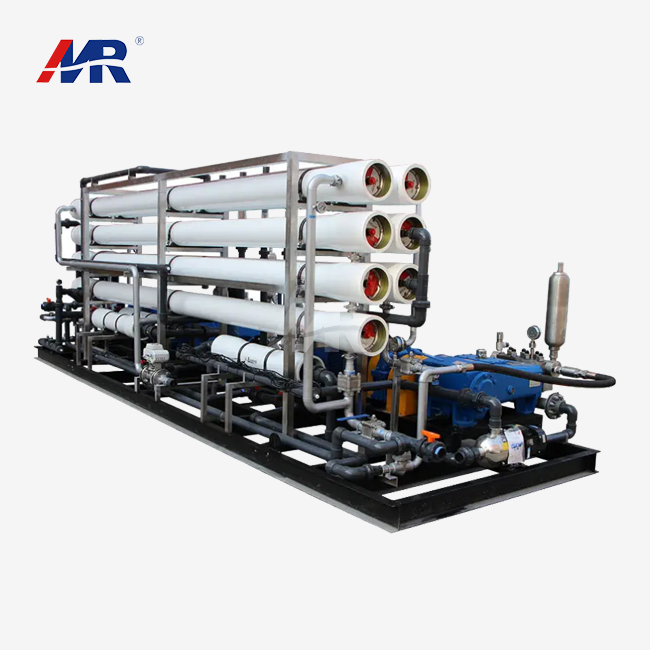
Modular or skid-mounted designs that are meant to be used in specific places are common in standard RO systems. These systems can be customized more, but they are harder to put together because they need things like prepping the base, installing pipes, and connecting the electricity. This method makes it possible to add as much capacity as needed and create unique setups, but it takes a long time to complete projects and is more expensive to install.
Workflow Differences and Integration
Raw water input, pre-treatment filtration using multimedia filters and activated carbon, reverse osmosis membrane filtration, optional post-treatment, and storage and distribution of clean water are the five steps that make up the container RO equipment operation. This unified process runs in just one container unit, which makes it easier to use and fix when something goes wrong.
Standard systems might spread these tasks over different buildings or areas. This means that parts of different systems have to be connected and work together in a very complicated way. This spread can make it harder to plan routine upkeep and figure out what's wrong.
Key Performance and Design Differences
Capacity and Throughput Comparison
Container RO units usually have a good range of capacities that are designed to be portable without losing flow or filter quality. Our systems can handle 50–500 m³ per day, use only 3–4 kWh/m³, and achieve recovery rates of up to 75%. These specs show how containerized solutions keep up with the performance standards in environments with limited space.
Standard systems might be able to do more, with higher maximum outputs over 1000 m³/day, but this benefit comes with the downsides of being harder to install and needing more space. Standard systems are modular, so they can be scaled without limits, but each addition needs more engineering and building steps.
Energy Efficiency and Operational Costs
Because of better system design and built-in heat return systems, containerized options are often more energy efficient. The compact plan reduces pressure loss with shorter pipe runs, and factory tuning makes sure that all parts work at their best. This improvement means the system's overall cost and cost to run it are both lower over its 10–15 year lifespan.
Installation Time and Space Utilization
Unlike normal RO setups, container systems that come pre-assembled cut the time it takes to install them from months to weeks. It is very important to make efficient use of space in business settings where the cost of real estate is high. Standard systems may need their own buildings and a lot of other equipment, but as long as there is a flat surface and access to utilities, a containerized system can be set up.
Benefits and Use Cases for Container RO Equipment
Rapid Deployment Capabilities
Containerized RO technology is great for situations that need to be set up quickly, like emergency water supply, disaster aid, and short-term industrial projects. The plug-and-play design lets you start using it within days of delivery, which is very helpful when you need to clean water right away.
This movement is a big help for businesses that have regular changes in demand. Mining activities, building sites, and short-term events can use containerized systems when they are needed and then move the equipment to new places when the projects are over.
Remote Location Applications
Offshore platforms, remote work areas, and isolated towns often don't have the right facilities for standard RO systems. Here are the main benefits that containerized systems offer for apps that run on the internet:
- It can run on its own with just power and water lines, so there is no need for special buildings or difficult construction.
- A weather-resistant building that can handle tough circumstances, like very hot or cold temperatures, high humidity, and corrosive environments that are usually found in naval or industrial settings
- With remote tracking, you can oversee operations from far away, which means you don't need as many technicians on-site and don't have to pay for their accommodations.
- Standardized repair processes that general building staff with basic training can do, which lowers the need for expert technicians
These benefits help get production issues sorted out in places where building up the normal infrastructure would be too costly or difficult. The uniform design also makes sure that the function is always the same, no matter where it is used.
Industrial Process Water Applications
When you use container RO equipment systems, you don't have to worry about pollution. This helps factories that need very pure water to make electronics, drugs, or food and drinks. The sealed design keeps the water clean by keeping outside materials out, and the built-in tracking system makes sure that the output always meets the standards.
Procurement Considerations for B2B Buyers
Total Cost of Ownership Analysis
Business buyers need to think about more than just the price of the first purchase when they buy something. As opposed to basic skid-mounted systems, containerized equipment usually needs more money up front. However, it often has a better total cost of ownership because installation and upkeep costs are lower. The factory-tested connection lowers the chances of things going wrong at the start and with the guarantee.
Containerized systems use standard freight infrastructure for shipping, which gets rid of the need for special kinds of transportation that are usually required for large standard system parts. This makes foreign buying projects able to predict costs and stick to schedules.
Supplier Selection and Certification Requirements
It is important to know a manufacturer's production capability, quality Certifications, and ability to provide after-sales assistance. ISO 9001 and CE quality certifications show that you follow global guidelines, but for some reason, GMP compliance and other certifications in the drug business may be needed too.
It's important to have Technical support available for remote operations where help can't be given in person right away. Suppliers offering online diagnostic capabilities and thorough training programs provide extra value for foreign buyers.
Maintenance, Troubleshooting, and Long-Term Performance
Maintenance Requirements and Procedures
Because of the combined design, routine container RO equipment repair is done using a set of standard steps. Routine upkeep, which can all be done through easy-to-reach service panels, includes replacing membranes, changing filters, and cleaning the system. The enclosed environment keeps the parts safe from dirt and weather. This extends the repair times and lives of the parts.
Predictive maintenance can be done by combining tracking systems that show how well a system is working, instead of just guessing how often to do maintenance. This method finds the best time to change a membrane while also minimizing unexpected downtime.
Performance Monitoring and Optimization
Modern container systems with advanced control systems can track performance in real time and optimize automatically. Differential membrane pressure, conductivity, flow rates, and recovery percentages are constantly checked and recorded. This information helps people find performance patterns and make the best possible use of the system for certain types of water quality.
Manufacturers can offer proactive technical help through remote monitoring, which lets them spot possible issues before they affect operations. This way of giving help is especially useful for customers who use more than one system in different places.
Guangdong Morui Environmental Technology: Your Container RO Equipment Partner
Company Expertise and Manufacturing Capabilities
Guangdong Morui Environmental Technology Co., Ltd focuses on water treatment as a whole, including making containerized RO technology that can be used in a variety of industries. Morui has over 14 branches, 500 workers, and 20 skilled engineers. They have a lot of experience making things and know a lot about technology.
Our integrated method includes container RO equipment factories that make membranes and process tools, which ensures that quality is controlled during the whole manufacturing process. This vertical merging makes it possible to customize things while keeping costs low and delivery on time.
Product Specifications and Customization Options
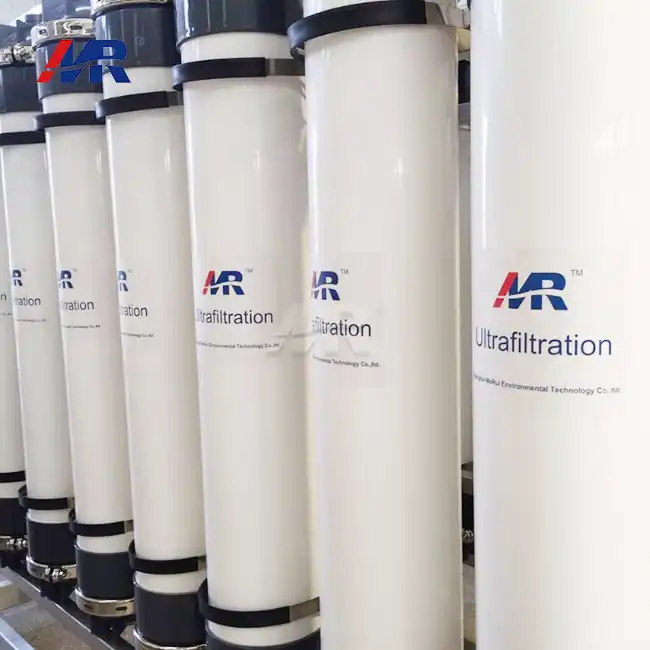
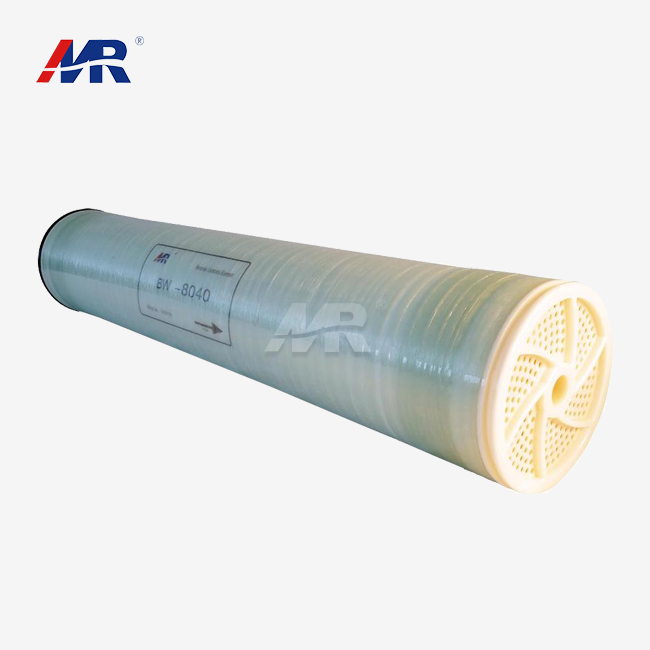
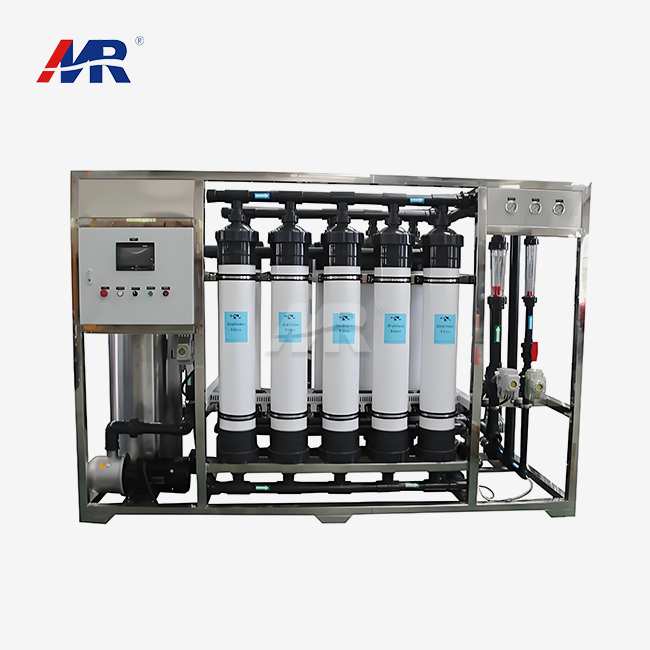
Morui's container RO systems have membranes that are high-rejection and low-fouling. These systems include full pre-treatment with multimedia filtration, activated carbon, and microfiltration. The flexible design makes it easy to scale up, and the plug-and-play feature makes sure that deployment can happen quickly.
The customization choices make sure that specific water quality standards are met, as well as volume needs and rules that must be followed. For things like emergency water supply, industrial process water, or better cleaning for city water, our engineering team works with customers to make the best system settings for their specific needs.
Conclusion
Containerized RO equipment has clear benefits over normal RO systems for jobs that need to be able to move them around, set them up quickly, and make them easier to maintain. Standard systems allow for more flexibility and growth, but containerized solutions are better for remote areas, short-term setups, and situations where installation needs to be simple. Choosing between these technologies rests on certain needs for how they will be used, limitations based on the sites they will be used on, and plans for how they will be used in the long run. Understanding these basic differences helps you make smart purchasing choices that are in line with both short-term and long-term goals.
FAQ
Q1: What is the typical lifespan of container RO equipment compared to standard systems?
A: Container RO equipment typically enjoys a lifecycle of 10-15 years, comparable to standard systems. The enclosed design actually protects components from environmental damage, potentially extending equipment life in harsh conditions. Regular maintenance and proper operation are the primary factors determining system longevity regardless of configuration.
Q2: Can container RO equipment be customized for specific industrial requirements?
A: Yes, customization options are readily available for containerized systems. Modifications can include specialized membrane configurations, enhanced pre-treatment systems, variable capacity controls, and compliance with specific industry standards such as GMP for pharmaceutical applications or food-grade certifications for beverage processing.
Q3: How does energy consumption compare between container and standard RO systems?
A: Container RO systems often demonstrate superior energy efficiency due to optimized component integration and shorter piping runs that minimize pressure losses. Typical consumption ranges from 3-4 kWh/m³, which is competitive with or better than standard systems. The factory optimization process ensures all components operate at peak efficiency.
Partner with Morui for Your Container RO Equipment Needs
Ready to explore how container RO equipment can transform your water treatment operations? Morui's comprehensive solutions combine proven technology with responsive support to deliver reliable, efficient water purification systems. Our Team of experienced engineers provides personalized consultations to identify the optimal configuration for your specific requirements, whether you need emergency water supply capabilities or permanent industrial process water treatment. As a leading container ro equipment manufacturer, we offer complete project support from initial design through installation and ongoing maintenance. Contact us at benson@guangdongmorui.com to discuss your project requirements and receive detailed specifications tailored to your application.
References
1. Water Environment Federation. "Industrial Water Treatment Systems: Design and Implementation Guidelines." WEF Press, 2023.
2. American Water Works Association. "Reverse Osmosis and Membrane Technology: Applications in Municipal and Industrial Settings." AWWA Publishing, 2022.
3. International Desalination Association. "Containerized Water Treatment: Market Trends and Technology Advances." IDA Technical Report, 2023.
4. National Institute of Standards and Technology. "Performance Standards for Mobile Water Treatment Systems." NIST Special Publication, 2022.
5. Industrial Water Treatment Magazine. "Comparative Analysis of Fixed vs. Mobile RO Systems in Industrial Applications." Technical Review, 2023.
6. Water Technology International. "Container-Based Water Treatment: Engineering and Operational Considerations." Industry Analysis, 2023.