_1745823981883.webp)

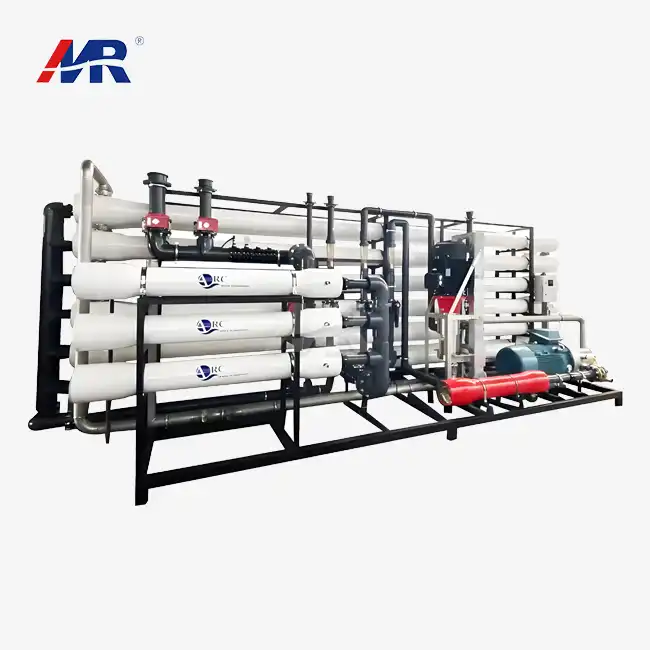
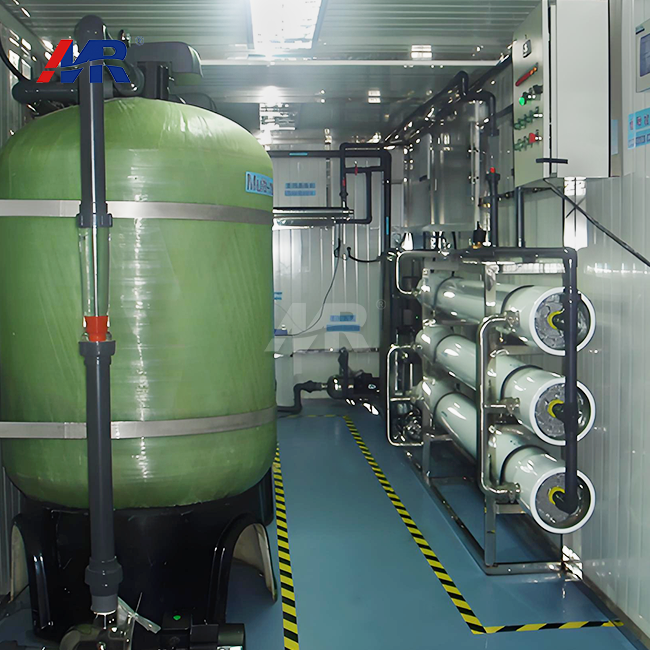
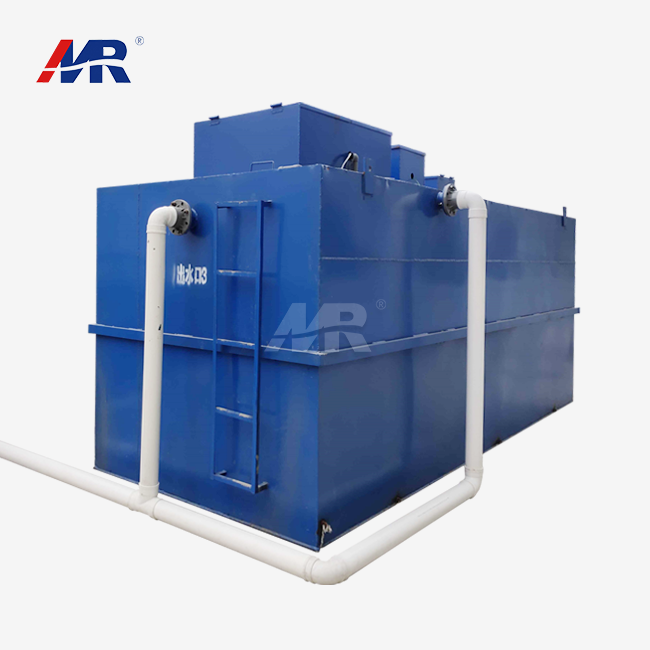
membrane/membrane-mbr">Membrane bioreactor MBR technology is a new way to treat wastewater that uses both biological processes and membrane filtering. This unified method keeps the size of the systems down while providing better waste quality. MBR systems are used more and more in Asia, South America, and Africa to meet strict standards for water reuse and disposal in a variety of industries. Using activated sludge treatment with ultrafiltration membranes, the technology quickly and easily gets rid of harmful substances. This makes it an essential part of modern wastewater management.

Understanding Membrane Bioreactor Technology
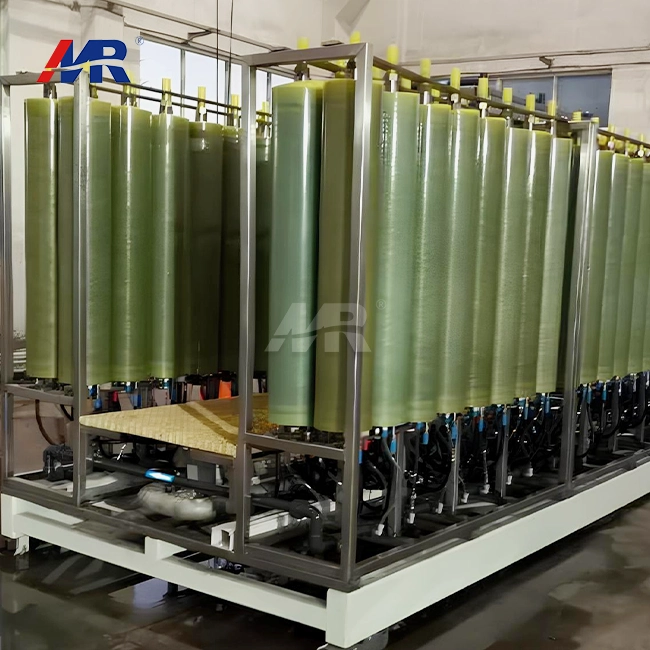
Membrane bioreactor systems use both traditional active sludge methods and cutting-edge membrane filtering technology. Microorganisms are used in the biological treatment part to break down nutrients and other organic materials. At the same time, screens with pores that are 0.01 to 0.4 micrometers wide and underwater separate clean water from waste.
The membrane bioreactor MBR process has a few important ways that it can work. In the bioreactor tank, biological breakdown of mixed liquid floating solids takes place. A ventilation system keeps things just right for aerobic processes that need air. The membrane module then makes the cleaned water into high-quality permeate by filtering it. This mix gets more than 99% of dissolved solids and more than 95% of biological oxygen demand pollutants out of the water.
Today's MBR setups let you create things in a variety of ways. Hollow fiber and flat sheet membranes work in different ways. The operating flow usually falls between 10 and 25 LMH, and the best energy use is between 0.5 and 0.8 kWh per cubic meter. These factors make sure that the work gets done quickly and cheaply.
Municipal Wastewater Treatment Applications
The most common use of membrane bioreactor technology is in municipal wastewater treatment plants. People who live in cities produce a lot of sewage that needs to be safely cleaned before it is released or reused. Environmental rules are getting stricter, which makes it hard for traditional cleaning methods to comply.
Membrane bioreactor MBR systems are great for city use because they don't take up much space and provide better effluent quality. A normal system can handle 50–10,000 cubic meters per day, and it takes up 50–70% less room than traditional plants. This benefit is very important in cities with a lot of people, where land is hard to come by.
The technology handles changes in the water source well, which is common in public systems. Standard methods of wastewater treatment are made more difficult by peak flow times, yearly changes, and discharges from factories. MBR systems keep working well even when sludge retention times and membrane filtering hurdles are high.
Municipal uses benefit greatly from MBR technology's ability to remove nutrients. Stringent emission limits for nitrogen and phosphorus require advanced cleaning capabilities. The long biological treatment with membrane separation gets rid of nutrients in a safe way without needing extra treatment steps.
Industrial Wastewater Treatment Solutions
Industrial sites in a range of areas create complicated garbage that needs special cleaning. Food and drink processing, drug manufacturing, and textile creation all cause different types of pollution. These difficult uses often don't work well with traditional ways of treatment.
Membrane bioreactor MBR technology is a big help to the food and drink businesses. Wastewater with a lot of biological matter, dissolved solids, and seasonal changes is processed by processing plants. Membrane filtering makes sure that the process works the same way, no matter what the influent is like. The technology lets water be used again for non-process uses, which lowers the total amount of water used.
Pharmaceutical and science companies need harsh legal standards to be met by their treatment systems. MBR systems keep working while safely removing contaminants. The biological treatment part breaks down organic compounds, and membrane filtering gets rid of drug residues and bacteria.
Making textiles makes wastewater that has dyes, chemicals, and threads that are not dissolved. Removing color and breaking down chemicals are problems for conventional treatment. MBR technology uses biological treatment to break down chemicals and physical filtering to remove all traces of contamination. The wastewater that comes out of the process meets the standards for release, or it can be used again.
Commercial and Hospitality Sector Applications
Hotels, spas, shopping centers, and business buildings all produce a lot of wastewater that needs to be treated where it is made. Decentralized MBR systems are especially helpful in places that are far away or don't have the right city services.
Resorts often run in areas that are sensitive to environmental impact, where the quality of waste is very important. The wastewater that MBR technology makes is clean enough to use for toilet flushing or garden watering. Being able to recover water lowers the environmental effect and the cost of operations, too.
The amount of wastewater that flows through shopping areas and business buildings changes at different times of the day. There are a lot of customers during work hours, but there are very few customers at night and on the weekends. Membrane bioreactor MBR systems deal with these changes without hurting the quality of the medicine. An automated procedure makes sure that the Products are always the same and requires less work.
The small design works well for business settings where space is tight, and treatment choices are limited. Installations underground keep the upper area free for things that make money. When modular construction is used, you can add more capacity as the facility grows without having to make big changes to the infrastructure.
Residential Community and Eco-City Development
Decentralized wastewater treatment systems are being used more and more by residential groups, especially those in growing areas. MBR technology is a good way to treat home projects, eco-cities, and rural areas that don't have the right infrastructure.
As long as they are planned, new home buildings can use combined membrane bioreactor MBR systems. All of the wastewater from the town goes through these systems, which also make treated water for gardening and other uses that don't involve drinking. The method lowers the cost of infrastructure and encourages long-term water control.
The goals of eco-city projects are to protect the earth and save resources. The goals listed here fit nicely with MBR systems, which can clean water efficiently and reuse it. The technology sees wastewater as a useful resource instead of trash, which is in line with the cycle economy ideas.
It is not always easy for people in rural areas to get to centralized medical centers. Small-scale MBR systems clean wastewater reliably without needing to spend a lot on infrastructure. The equipment helps people stay healthy and protects water supplies in the area.
Agricultural and Aquaculture Water Treatment
For best productivity, agricultural irrigation and aquaculture businesses need to make sure that the water they use stays at the same quality all the time. MBR systems clean different kinds of water, like freshwater mixed with saltwater, runoff from farms, and wastewater from aquaculture.
Wastewater that is cleaned by MBR and meets the water quality standards for crops is good for agricultural watering. The technology gets rid of bacteria, suspended solids, and extra nutrients that could hurt crops or dirt. Treated water is often better than raw water in terms of quality and dependability.
Aquaculture sites use membrane bioreactor MBR devices to clean water that is recirculated. Farming fish and shrimp makes waste that needs to be cleaned up before the water can be used again. Biological treatment breaks down organic chemicals that are mixed in with the water, and membrane filtering takes particles out of the water. This method makes it possible to do heavy farming with very little water.
The technology helps environmentally friendly farming by making it possible to recover wastewater and lowering the need for new water. This feature is especially helpful in areas that don't have enough water, since cities and farming both need water and fight for it.
Marine and Offshore Platform Applications
Ships, oil platforms, and marine sites need small wastewater treatment devices that follow international discharge rules. Traditional treatment methods are not useful for naval uses because of space issues and operating problems.
Cruise ships and cargo ships produce a lot of wastewater from the actions of passengers and workers. International marine rules say that wastewater must be treated before it is discharged into the ocean. Membrane bioreactor MBR systems offer dependable treatment in space-saving designs that can be installed on ships.
Oil and gas sites offshore must deal with their waste in areas where there are few choices for doing so. MBR technology cleans all wastewater from the platform so that it meets environmental standards for dumping. The devices can be counted on to work in harsh marine environments with little upkeep needed.
The technology makes it possible to work abroad for longer periods of time by cleaning rainwater so it can be used again. This feature makes the need for more supply ships lessens while making sure that the environmental rules are followed.
Key Benefits and Advantages
Membrane bioreactor technology is better than traditional cleaning methods in many ways. Better effluent quality makes direct release or water reuse possible. Biological treatment followed by membrane filtering takes out almost all solids that are floating in the liquid and lowers the percentage of pathogens.
Being able to do things with less space is a big help for many uses. MBR systems need 50 to 70 percent less room than normal activated sludge systems. Because it's small, this can be installed in places where there isn't a lot of room or where saved land can be used to build more facilities.
It is cheaper and better for the earth when there is less sludge that needs to be thrown away in membrane bioreactor MBR systems. In MBR systems, longer sludge holding times lead to better biomass use. The amount of sludge made usually goes down by 50–80% compared to more traditional methods.
Operational versatility allows for changes in flow rates and the amount of contaminants. The technology controls high flows without hurting the quality of the treatment. An automated procedure makes sure that the products are always the same and requires less work.
The ability to optimize processes makes it possible to get the best results for certain uses. Control of membrane fouling through chemical cleaning and backwashing keeps the long-term performance up. Finding the best way to use energy combines the cost of doing things with the speed of medical care.
Conclusion
Membrane bioreactor technology is a game-changer for wastewater treatment in residential, industrial, and business settings. Biological processes and membrane filtering work together to improve wastewater quality and keep system sizes small. MBR systems are dependable ways to deal with a wide range of wastewater problems, from city sewage plants to isolated platforms in the ocean. The technology is the best way to meet the environmental rules of 2025 because it is flexible, efficient, and has a track record of success. MBR systems are seen by industries around the world as the best way to handle garbage and reuse water in an environmentally friendly way.
FAQ
Q1: What capacity range do MBR systems typically handle?
A: MBR systems accommodate a wide capacity range from 50 to 10,000 cubic meters per day. Small residential communities might require systems handling 50-200 m³/day, while large municipal plants can process several thousand cubic meters daily. The modular design allows easy capacity expansion as requirements grow.
Q2: How does membrane fouling affect MBR system performance?
A: Membrane fouling represents the primary operational challenge for MBR systems. Regular backwashing cycles remove reversible fouling, while periodic chemical cleaning addresses irreversible fouling. Proper pretreatment and process optimization significantly extend membrane life and maintain consistent permeate flux.
Q3: What energy consumption can I expect from MBR systems?
A: Modern MBR systems typically consume 0.5-0.8 kWh per cubic meter of treated water. Energy requirements include aeration for biological processes and membrane operation. Advanced control systems optimize energy consumption while maintaining treatment performance, making MBR technology increasingly cost-effective.
Choose Morui for Your Membrane Bioreactor MBR Solutions
Guangdong Morui Environmental Technology brings over 14 years of expertise as a trusted membrane bioreactor MBR manufacturer. Our advanced MBR systems deliver exceptional performance across diverse applications with proven reliability. We manufacture our own membranes and provide complete turnkey solutions, including design, installation, and commissioning services. With 20 experienced engineers and 500 dedicated employees across our 14 branch locations, Morui ensures comprehensive support throughout your project lifecycle. Ready to transform your wastewater treatment capabilities? Contact us at benson@guangdongmorui.com today.
References
1. Judd, S. (2024). The MBR Book: Principles and Applications of Membrane Bioreactors for Water and Wastewater Treatment. Third Edition. Butterworth-Heinemann.
2. Yang, W., Cicek, N., & Ilg, J. (2023). State-of-the-art of membrane bioreactors: Worldwide research and commercial applications in North America. Journal of Membrane Science, 645, 120-135.
3. Krzeminski, P., Leverette, L., Malamis, S., & Katsou, E. (2024). Membrane bioreactors - A review on recent developments in energy reduction, fouling control, novel configurations, LCA, and market prospects. Journal of Environmental Management, 321, 115-128.
4. Subtil, E.L., Hespanhol, I., & Mierzwa, J.C. (2023). Biofouling in reverse osmosis membranes for municipal wastewater reuse applications: A comprehensive review. Water Research, 201, 117-134.
5. Di Bella, G., Durante, F., Torregrossa, M., Viviani, G., & Mercurio, P. (2024). The role of fouling mechanisms in a membrane bioreactor. Process Safety and Environmental Protection, 162, 456-467.
6. Santos, A., Ma, W., & Judd, S.J. (2023). Membrane bioreactors: Two decades of research and implementation. Desalination, 548, 116-129.