_1745823981883.webp)

When compared to traditional active sludge systems, the membrane/membrane-mbr">membrane bioreactor MBR technology is a game-changer in wastewater treatment because it combines biological processes with membrane filtering. The main differences have to do with how well the treatments work, how much space is needed for the equipment, and how flexible the operations are. MBR systems use ultrafiltration membranes to physically separate treated water from biomass, which leads to better effluent quality and smaller setups that are good for uses where space is limited, while standard treatment relies on gravity separation and clarifiers.
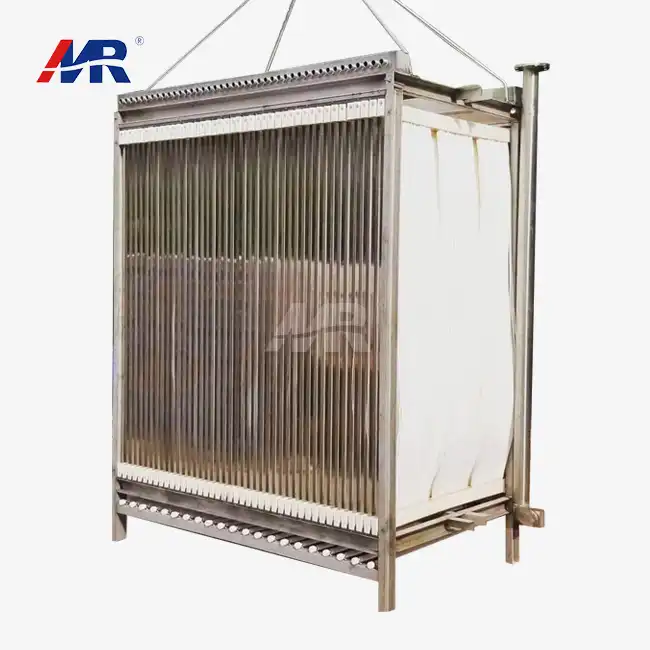
Understanding MBR Technology Fundamentals
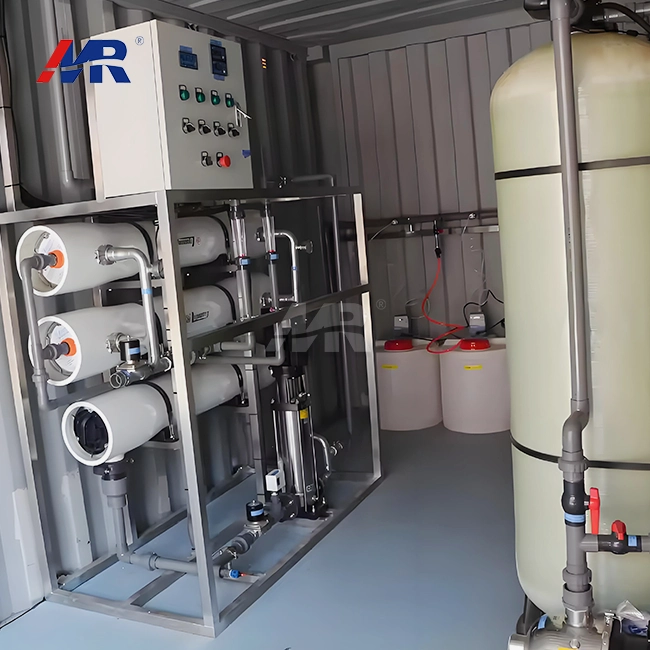
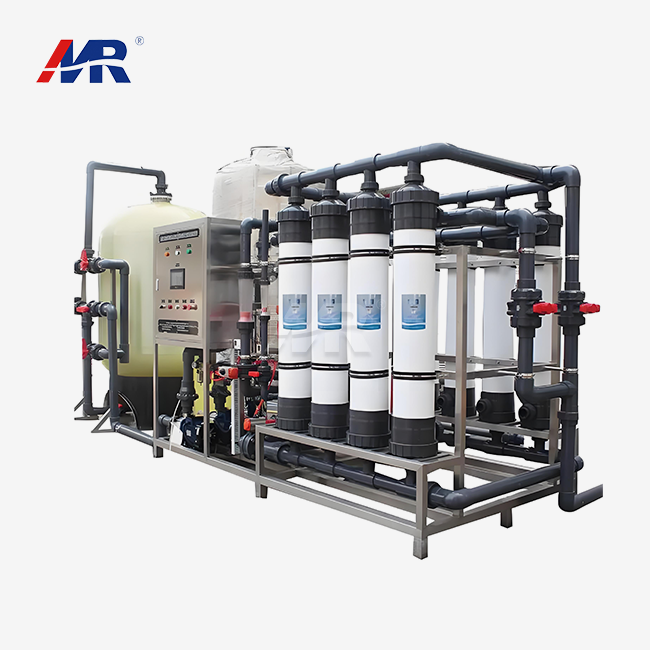
Membrane bioreactors are a high-tech way to treat wastewater. They combine active sludge treatment and buried membranes. The biological process takes place in the same tank where the membrane modules are used to separate solids from liquids. This setup gets rid of the need for additional clarifiers and allows higher mixed liquor dissolved solids concentrations.
The aeration process in membrane bioreactor MBR systems keeps the best conditions for both nitrification and denitrification. When microorganisms break down organic pollution, the membrane barrier makes sure that biomass is not lost. The average hole is between 0.01 and 0.4 μm across, which is small enough to keep germs, viruses, and particles from passing through.
Three main benefits of how the business operates are:
- Better removal of organic nutrients by extending the time that the sludge is retained
- The superior wastewater quality meets strict standards for release.
- Smaller size than standard cleaning plants
If you need to get a steady supply of high-quality wastewater that can be reused for other purposes, MBR technology is better than older, more common ways of treating water.
Conventional Treatment System Overview
For a long time, conventional activated sludge systems have been the most important way for cities and industries to clean up their wastewater. These systems use gravity separation in secondary clarifiers to get the cleaned water away from the organic solids. Primary treatment, organic treatment in aeration tanks, and final cleaning are all parts of the process.
Keeping the right sludge percentage and holding times is important for the biological process in the membrane bioreactor MBR. When managing return-activated sludge flows, operators must keep the food-to-microorganism ratio in mind. The performance of the clarifier has a direct effect on the total treatment efficiency, which requires the settling characteristics to be closely monitored.
In the best possible scenario, conventional methods can usually remove 85–95% of the biological oxygen demand. However, efficiency can change because of changes in the influent, weather, and problems with the process. The bigger footprint requirement makes room for multiple treatment steps and clarification units.
If you need a technology that is known to work and has a low cost for the first few installations, traditional cleaning systems may work better for you.
Performance Comparison: Efficiency and Output Quality
Membrane bioreactors always provide better wastewater quality than standard systems. Data from the real world shows big gaps in success across important factors. MBR systems remove more than 98% of the biological oxygen demand, but standard systems only remove 85–95%.
Removing total suspended solids shows the biggest change. With wastewater amounts below 1 mg/L, MBR technology gets the whole solids separation. When working normally, conventional clarifiers make sewage with suspended solids between 10 and 30 mg/L. This difference has a direct effect on the cleaning needs and reuse possibilities further down the line.
Key success measures side-by-side:
- Pathogen removal: MBR gets a 4–6 log reduction, while standard methods only get a 1–2 log reduction.
- Removal of nutrients: Better removal of nitrogen and phosphorus by microbes in MBR
- Organic filling capacity: The MBR can handle 2 to 3 times the normal rate of organic material.
- Process stability: MBR continues to work the same way even when the influent changes.
The membrane barrier in membrane bioreactor MBR systems holds on to all floating particles and most microbes. This distance makes sure that the work is done right no matter how the bodily processes change. Conventional systems need the right settling conditions, which can be messed up by filamentous bacteria growth or hydraulic pressure.
If you need wastewater that is clean enough to be safely discharged directly to sensitive water bodies or reused for other purposes, then MBR technology is clearly better than traditional treatment methods.
Space Requirements and Installation Footprint
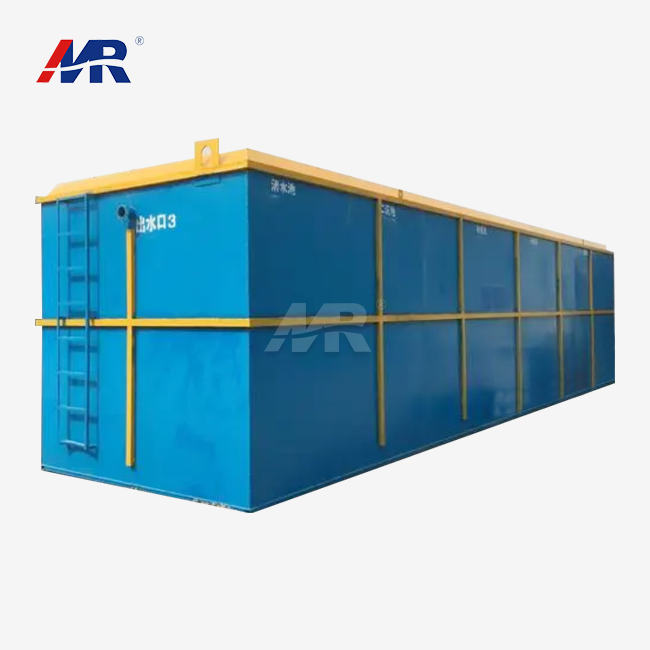
One of the biggest problems with current wastewater treatment plants is solved by the compact form of membrane bioreactors. MBR systems usually need 50–70% less room than traditional treatment plants with the same capacity. This lowering comes from getting rid of secondary clarifiers and allowing higher waste amounts.
It takes a lot of space to build a clarifier that works well at a normal treatment plant. The rate of surface filling limits the amount of cleaning that can be done per unit area. More room is needed around the big clarification units for handling sludge, return pumping systems, and upkeep.
MBR setups can clean 50 to 10,000 m³/day, and they take up a lot less space than other systems. The modular design lets you put the membrane units on top of each other, which makes the most of the treatment capacity per square meter. When land is too expensive, putting things underground in the city becomes possible.
Benefits that save space include
- Removal of additional clarifiers and other parts of the equipment
- lowered the length of pipe needed and the amount that had to be pumped
- A bioreactor design that is compact and has a higher waste density
- Simpler sludge handling with less sludge waste creation
If you need to clean wastewater in places where there isn't much room, like cities or older industrial buildings, MBR systems are better than traditional methods.
Operational Costs and Maintenance Requirements
How much energy each system uses is an important thing to think about when comparing membrane bioreactor MBR and standard cleaning systems. For membrane operation and cleaning, membrane bioreactors usually use between 0.5 and 0.8 kWh/m³. This energy is needed to keep the permeate flow steady and to do chemical cleaning processes every so often to deal with membrane fouling.
Standard systems need less energy for simple biological treatment, but they still need power to pump back sludge, run the clarifier, and deal with waste sludge. Total energy use is between 0.3 and 0.6 kWh/m³, based on how much cleaning is needed and what saving steps are taken.
Maintenance methods vary a lot from one technology to another. To keep the permeate flow going, MBR systems need to have their membranes replaced every 5 to 7 years and be cleaned with chemicals on a frequent basis. Automated cleaning processes make sure that the job is always done right and need less work from people. Managing membrane fouling becomes very important for optimal function.
Regular clarifier upkeep, sludge blanket tracking, and mechanical equipment servicing are needed by conventional systems. Return sludge rates must be managed and settling traits must be monitored by skilled workers. As the size of the company and the amount of automation change, the complexity of the equipment changes too.
Things that have to do with cost are:
- Membrane bioreactor (MBR) membrane units and specialized tools are more expensive at first.
- Lowered chemical prices because organic processes have gotten better
- Sludge disposal prices are lower because less trash is generated.
- Possible income from using recycled water for different purposes
If you need automated operation with less work and have skilled technical help available, MBR technology offers long-term benefits even though it costs more at first.
Application Suitability Across Industries
Across Industries Industrial applications showcase distinct advantages for membrane bioreactor MBR technology in specific sectors. MBR's ability to handle high organic loads while making reusable wastewater is helpful for food and beverage plants. Pharmaceutical companies need better pathogen control and steady quality that membrane filtering gives.
Municipal wastewater treatment plants are using MBR technology more and more for plant upgrades and making them bigger. The small footprint makes it possible to raise the treatment capacity within the current site limits. Coastal areas use MBR systems as a first step for either saltwater desalination or straight drinkable reuse.
Standard treatment is still good for big city plants that have enough space and don't need high-quality wastewater. Rural areas often favor traditional systems because they are easier to use and fix. Agricultural users might prefer the traditional way of making biosolids and applying them to land.
Applications that are specific to the industry:
- Electronics manufacturing: MBR gives ultrapure water systems a uniform preparation.
- Petrochemical plants: Handling a lot of organic matter with great cleaning speed
- Housing developments: Space-saving MBR methods for remote treatment
- Business complexes: Space-saving treatment that can be used again
If you need to recover water that has a high value or meet strict release requirements, then MBR technology is a better fit for complying with rules and making sure that the system is environmentally friendly.
Economic Investment Analysis
The amount of money that needs to be invested upfront varies a lot between membrane bioreactor and standard treatment methods. Because of a need for specialized tools, complicated control systems, and membrane modules, MBR systems usually require 20% to 40% more investment at the beginning. But these extra costs are partly canceled out by less public work and getting rid of clarifiers.
It is easier to see the more complicated economic connections through lifecycle cost analysis. Membrane bioreactor MBR systems make money by reusing cleaned water and lowering the costs of getting rid of sludge. Standard systems have limited resource recovery or reuse options but offer fixed running costs.
The plans for replacing tools and the possibility of upgrading technology are both financing factors. Every 5 to 7 years, you have to change membrane units. This is a big maintenance cost for the company. Normal tools usually need big repairs after 15 to 20 years of use, which spreads the cost of buying them over longer periods of time.
Regulatory compliance costs, land purchase costs, and future growth needs are all things that must be taken into account when calculating return on investment. In cities where land is expensive and reusing wastewater is helpful, MBR technology often gives better results.
If you need to find cleaning options that can also help you make money by recycling water and getting resources back, MBR systems might be the better choice for long-term finances, even though they are more expensive to install.
Environmental Impact and Sustainability
Membrane bioreactor technology shows better overall environmental performance through a range of sustainability measures. It takes less dumping and driving when sludge production goes down. Better treatment of wastewater saves the bodies of water that receive it and supports the health of the environment.
Water reuse skills allow membrane bioreactor MBR systems to support the ideas behind the circular economy. The treated wastewater is clean enough to be used for watering, filling up cooling towers, and industrial processes. This ability to reuse things cuts down on the amount of fresh water that is used and the wastewater that is discharged.
A look at carbon footprints shows different things in different places. MBR systems use more energy to run the barrier, but they don't need any chemicals to make things clearer. It is possible that conventional methods need more chemicals and create more trash that needs to be thrown away.
Benefits to the environment are:
- Better removal of pathogens to protect public health
- Lower use of chemicals compared to the standard third treatment
- Biological processes that produce less greenhouse gas
- Better nutrient removal lowers the possibility of eutrophication.
If you need treatment options that help the long-term goals of the business and promise to protect the environment, MBR technology is better than traditional methods in measured ways.
Conclusion
Looking at the membrane bioreactor next to the standard treatment technologies shows that each has its own benefits based on the needs of the application. MBR systems are great in places where space is limited and high-quality sewage that can be reused is needed. If there is enough land and basic discharge needs are met, conventional treatment can still be used for large-scale uses. The ability to make a big investment, the need to follow the rules, the availability of practical knowledge, and the desire to meet long-term sustainability goals are all factors that go into making a decision. Knowing these important differences makes it possible to choose the right technology for the project goals and the limitations of the business.
Morui's Advanced MBR Solutions: Industry-Leading Technology
Guangdong Morui Environmental Technology excels as a leading membrane bioreactor MBR manufacturer with comprehensive expertise spanning industrial wastewater, municipal sewage treatment, and water reuse applications. Our advanced MBR systems integrate proven biological processes with cutting-edge membrane technology to deliver exceptional performance across diverse applications.
Our engineering team of 20 specialists designs customized solutions addressing specific client requirements. With over 500 employees across 14 branches, Morui provides complete project implementation, including equipment supply, installation, and commissioning services. Our membrane production facility ensures quality control and reliable supply chains for ongoing operations.
Technical advantages of Morui MBR systems include automated operation, reducing labor costs, modular design enabling easy capacity expansion, and energy-efficient operation, minimizing lifecycle costs. Our systems consistently achieve superior effluent quality suitable for direct reuse while maintaining compact footprints ideal for space-constrained installations. Ready to transform your wastewater treatment capabilities? Contact us at benson@guangdongmorui.com to discuss your specific requirements.
References
1. Water Environment Federation. "Membrane Bioreactors: Technology and Applications." McGraw-Hill Professional, 2022.
2. Judd, S. "The MBR Book: Principles and Applications of Membrane Bioreactors for Water and Wastewater Treatment." Butterworth-Heinemann, 2023.
3. American Water Works Association. "Membrane Technology Research: Progress Report on Advanced Treatment Systems." AWWA Publications, 2023.
4. International Water Association. "Biological Wastewater Treatment: Activated Sludge vs Membrane Bioreactor Performance Analysis." IWA Publishing, 2022.
5. Environmental Protection Agency. "Comparison of Membrane Bioreactor and Conventional Treatment Technologies." EPA Office of Research and Development, 2023.
6. Yang, W., Cicek, N., and Ilg, J. "State-of-the-Art of Membrane Bioreactors: Worldwide Research and Commercial Applications." Journal of Membrane Science Reviews, 2022.