_1745823981883.webp)

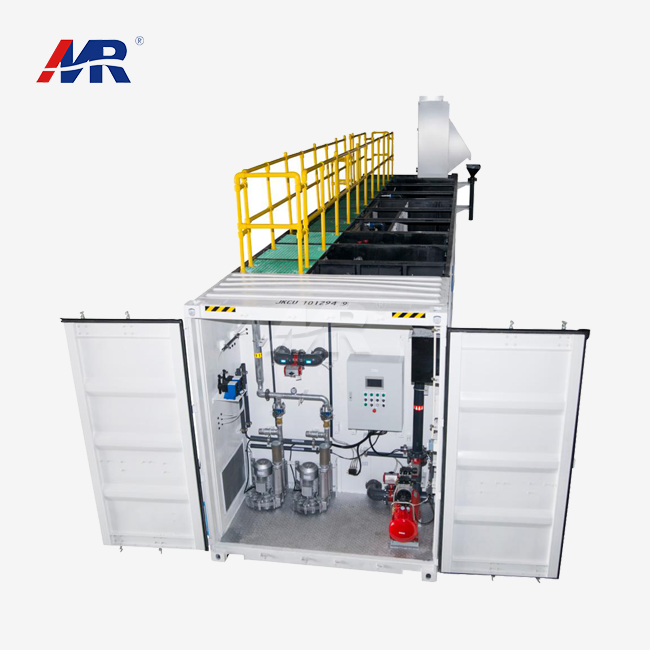
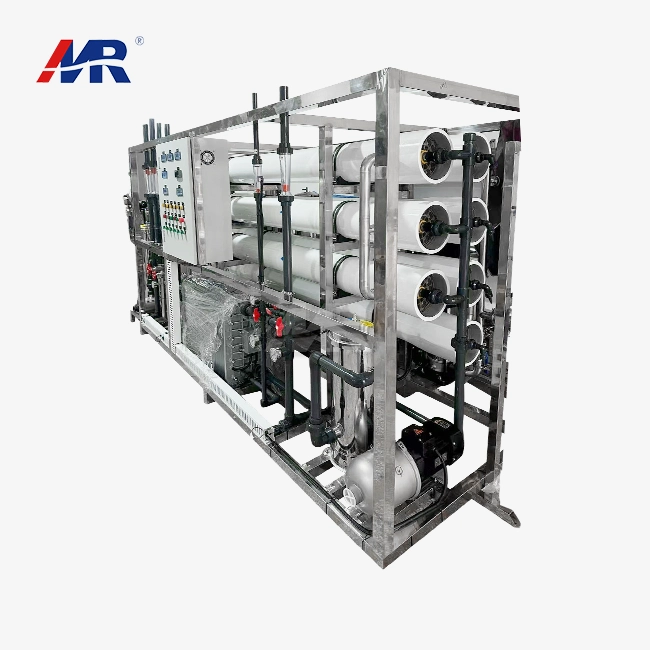
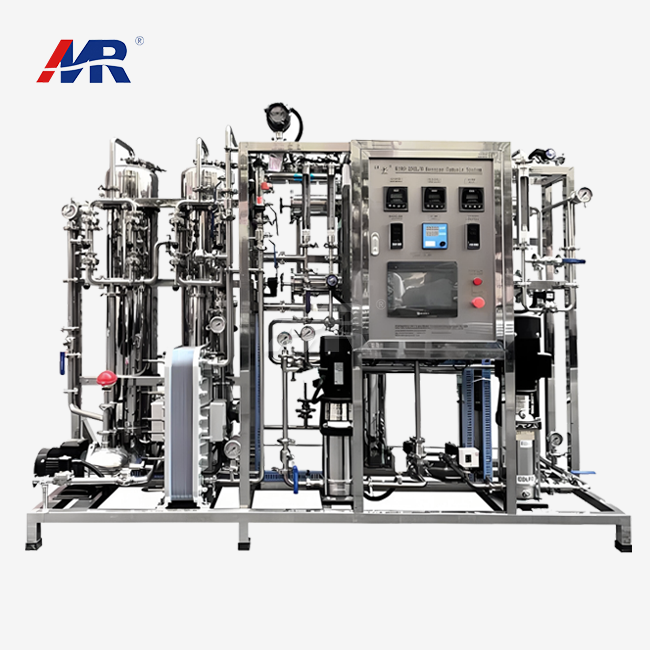
Ultrafiltration membrane technology is a big step forward in the treatment of current wastewater. It gives environmental engineers a strong tool for getting better water quality. In this in-depth guide, we look at how ultrafiltration membrane for wastewater treatment systems work admirably in both commercial and domestic settings. These modern membrane filtration systems offer the reliability and efficiency that today's water treatment facilities demand. They remove solids that are floating in the water and get rid of dangerous bacteria and viruses. Ultrafiltration technology is based on certain ideas and can be used in different ways. It can also be improved in certain ways. When engineers learn about these things, they can make good choices about how to use the technology to treat their specific needs.
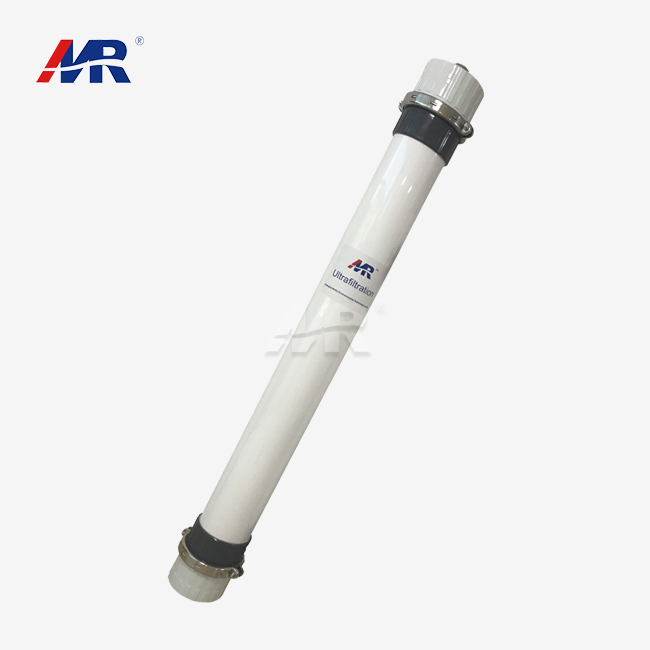
Understanding Ultrafiltration Technology in Modern Water Treatment
Ultrafiltration is a very important part of modern water treatment technology. It uses semi-permeable filters with hole sizes that are very carefully controlled to range from 0.01 to 0.1 microns. This membrane filtration method works by size exclusion. It lets small molecules and salts pass through while getting rid of viruses, bacteria, colloids, and particles.
The crossflow filtering mechanism is what makes ultrafiltration systems different from standard filtration methods. When water runs next to the membrane surface, it makes a lateral flow that keeps sweeping rejected particles away. This design keeps the membrane clean and lasts longer than dead-end filter systems.
Ultrafiltration membranes for wastewater treatment operate at pressures usually between 0.1 and 0.3 MPa. These systems use very little energy while still allowing high filtrate flow rates. The low-pressure system uses less energy and costs less to run, which is very important for large-scale wastewater treatment plants.
PVDF (polyvinylidene fluoride) membranes have become the best choice for wastewater uses because they are very strong and resistant to chemicals. These membranes can handle pH levels from 2 to 11 and work well at temperatures up to 40°C, making them useful in a wide range of settings.
Key Applications Across Industrial and Municipal Sectors
Before being discharged or reused, industrial wastewater is treated by ultrafiltration systems, which are used more and more in manufacturing plants. These systems help the food and drink businesses make sure their production water is clean enough, and their garbage is handled properly. Ultrafiltration technology is important for getting GMP-compliant water quality for a range of production methods in the pharmaceutical industry.
Electronics and chip manufacturing use ultra-pure water for accurate cleaning. An ultrafiltration membrane for wastewater treatment is an important step that must be done before electrodeionization and reverse osmosis. The technology gets rid of germs and particles that could mess up the cleaning processes that come after it.
Municipal sewage plants use ultrafiltration as a third step to meet high standards for the cleanliness of the treated water. These methods lower the biological oxygen demand (BOD) and total suspended solids (TSS) in the water, making it clean enough to be used for irrigation and in factories.
Ultrafiltration is used by petrochemical plants to clean oilfield reinjection water and wastewater. The strong design of the technology deals with tough feed water conditions while keeping the performance steady over long periods of time.
Power generation sites use ultrafiltration devices to make boiler feed water and treat cooling water. The technology saves costly downstream equipment by getting rid of germs and particles that could cause corrosion or scaling.
Technical Performance and System Design Considerations
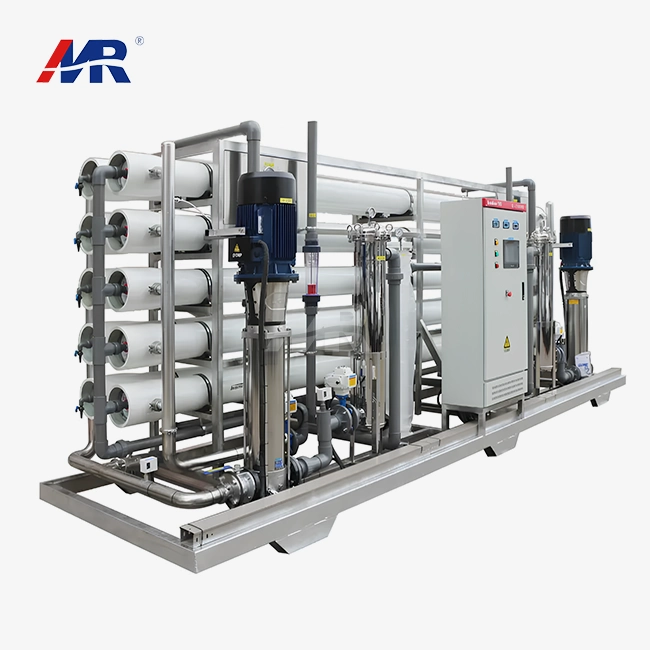
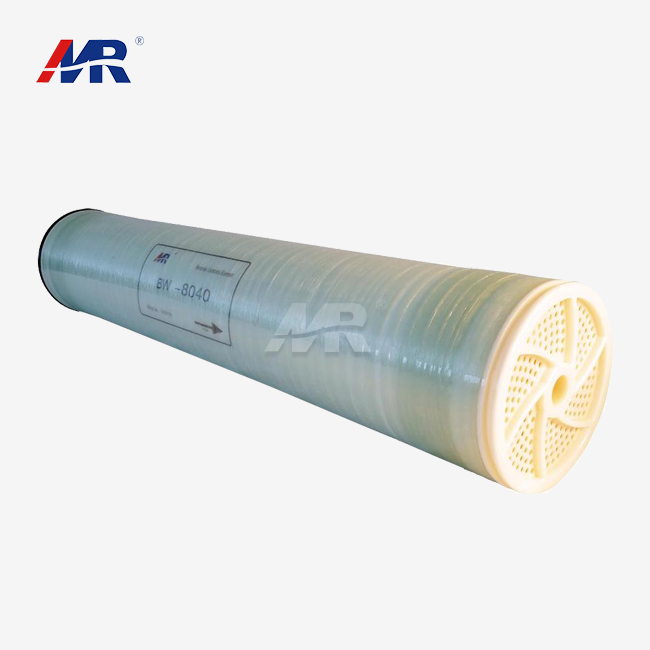
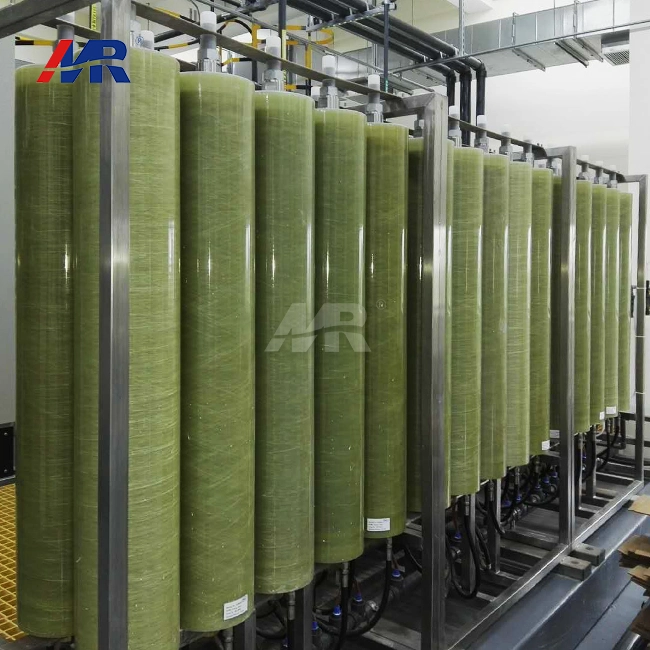
The way the membrane module is set up is very important for how well the system works and how often it needs to be fixed. Hollow fiber modules have great flow and packing properties, which make them perfect for big installs. Spiral-wound designs keep the cleaning power and give flexibility to smaller systems at the same time.
Feed water quality, working pressure, and temperature must all be carefully thought about when optimizing flux rate. Typical flux rates can go up to 80 L/m²/h, but the real performance relies on the needs of the application and how likely the feed water is to get dirty.
The function of an ultrafiltration membrane for wastewater treatment, as well as its lifespan, is greatly affected by pretreatment steps. Effective screening gets rid of big bits of trash, and coagulation and flocculation make it easier to get rid of particles. Adjusting the pH protects the membrane from chemical breakdown and makes sure that it works well.
Membrane cleaning procedures make sure that the performance level stays the same over the entire operating cycle. Chemical cleaning gets rid of mineral scaling, bacterial growth, and organic fouling. Backwashing restores the transparency of membranes and lengthens the time between cleanings.
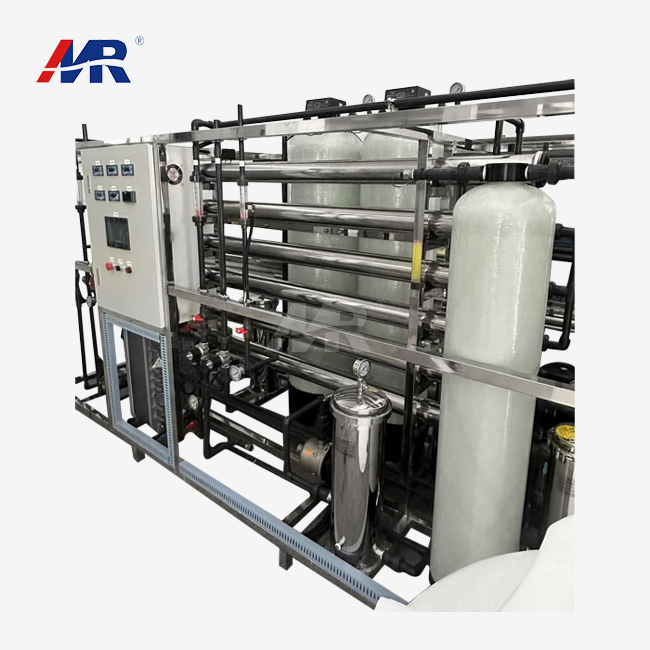
Automating systems makes work more efficient and requires less effort. Automated backwashing cycles, chemical cleaning routines, and performance tracking make the system run better and need less hands-on help.
Membrane Fouling Management and Optimization Strategies
Environmental engineers can come up with good ways to deal with waste when they know how it happens. When objects build up on the membrane surface, it's called particle fouling; when microbes build up, it's called biological fouling. Chemical fouling happens when chemicals that are dissolved in a liquid fall out of that liquid when the pH and temperature are just right.
Early signs of fouling growth can be seen with flux decline tracking. Regularly measuring permeability helps make plans for when to clean things and find possible problems with the way things are done. Watching the transmembrane pressure reveals changes in system resistance that show the buildup of gunk.
Choosing the right cleaning chemicals for different kinds of fouling is part of chemical cleaning optimization. If you want to get rid of biological growth and organic waste, use an alkaline cleaner. If you want to get rid of mineral layers, use an acidic solution. How often and how long an ultrafiltration membrane for wastewater treatment is cleaned affects how well it works and the cost of cleaning it.
Finding the best crossflow rate makes fouling control and energy use work together. Higher speeds make particle formation lower, but it costs more to move. Engineers can make systems work better for certain uses if they understand this link.
Testing membrane stability makes sure that the barrier continues to work well during the whole operating cycle. Before they hurt water quality, pressure decay tests and particle challenge studies make sure membrane stability and find possible flaws.
Economic Benefits and Return on Investment Analysis
The amount of money that needs to be invested upfront for an ultrafiltration system depends on its capacity, how automated it is, and the needs of the application. But the system uses very little energy and few chemicals, making it much cheaper to run than other cleaning methods.
Concentration control is an important part of running a business. The concentrate stream has harmful things that were not successfully removed from the process, so it needs to be thrown away or treated again in the right way. Concentrate handling that is done right lowers dumping costs and problems with following the rules.
The cost of replacing membranes is an important part of the lifetime cost. Membranes made of PVDF and other high-quality materials last longer, so they don't need to be replaced as often, which saves money on work. Proper system operation and care have a big effect on how long the membrane lasts.
There are more business perks that come with reusing water treated by an ultrafiltration membrane for wastewater treatment. Treated percolate usually meets the quality standards for a range of non-potable uses. This lowers the amount of fresh water used and the costs that come with it. This gets more and more useful in areas where water is hard to find.
Regulatory obedience helps keep the sewage quality steady and lowers the risk of breaking the rules. The dependable performance of ultrafiltration technology helps sites avoid expensive fines and keep their working permits.
Selecting the Right Ultrafiltration System for Your Application
The right method can be chosen only if the feed water profile is understood. Figuring out the concentration of floating solids, the spread of particle sizes, and the chemical makeup helps to choose membranes and size systems. Biological activity levels have an impact on how dirty things are and how people need to operate.
System configuration and module choices are based on capacity needs. The initial system size is influenced by a peak flow situation, a normal daily flow, and plans for future growth. Modular design lets you add more space without having to make big changes to the system.
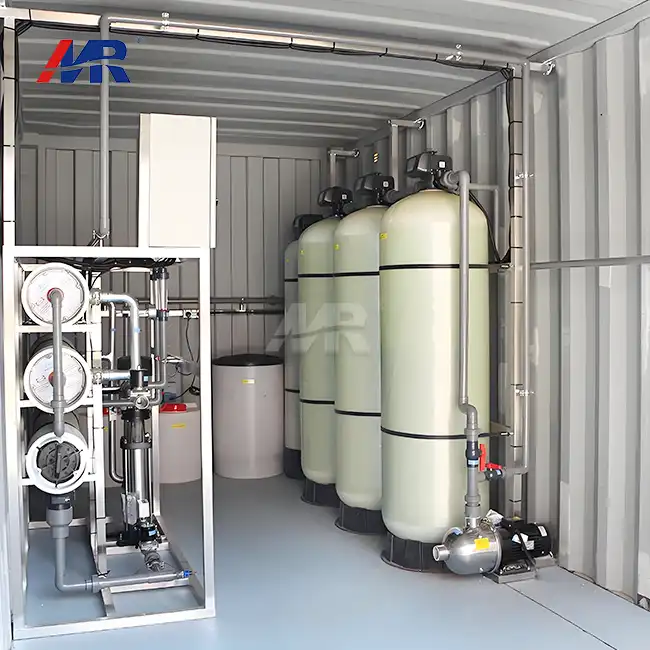
How the system is set up and how the tools are put together is often decided by the amount of space that is available. Compact footprint designs make sure that building limits are taken into account while keeping the working space for repair activities.
Adding an ultrafiltration membrane for wastewater treatment to current treatment processes needs to be carefully thought about in terms of chemical compatibility, operational routines, and hydraulic profiles. If you do integration right, it will make the general process more effective and the system easier to use.
The amount of automation needed depends on how many people you have, how complicated the work is, and how well you want it done. Advanced control systems make performance better, reduce the need for hands-on work, and lower the number of mistakes that happen during operation.
Future Trends and Technological Advances
With new materials and ways of making things, membrane technology keeps changing and improving. New membrane chemicals make fouling resistance better and operating life longer. Surface change methods make surfaces more hydrophilic and less biologically adhesive.
Energy recovery systems for an ultrafiltration membrane for wastewater treatment use pressure energy to lower the cost of doing business. These technologies are especially useful when there is a lot of pressure and in big projects.
Smart tracking systems use data analysis and monitors to make sure that systems run as well as possible. Real-time tracking makes it possible to do predictive repair and automated fine-tuning of operating settings.
Putting together with other modern treatment technologies makes a full water treatment system. When ultrafiltration is used with nanofiltration, reverse osmosis, and advanced oxidation methods, the water quality is much better for uses that need it.
It is important to make cleaning agents and barrier materials that are better for the environment. These improvements lower the negative effects on the environment without making the medicine less successful.
Conclusion
For a wide range of industry and city-based uses, ultrafiltration membrane technology gives environmental engineers a tried-and-true way to get better results in wastewater treatment. Because it can be energy-efficient, operationally flexible, and good at removing harmful substances, ultrafiltration is a popular choice for modern water treatment plants. Understanding the technology basics, how to use systems, and how to make them work better helps engineers get the best results out of systems while keeping costs low. Ultrafiltration technology will be more and more useful for protecting water supplies and making water recovery possible as water quality standards change, and people become more concerned about environmental impact. Choosing the right system, running it correctly, and doing regular maintenance are all parts of a successful deployment that ensure the system performs well throughout its lifecycle.
Partner with Morui for Advanced Ultrafiltration Solutions
Guangdong Morui Environmental Technology delivers cutting-edge ultrafiltration membrane for wastewater treatment systems backed by comprehensive engineering expertise. Our PVDF membrane technology achieves superior filtration performance with low fouling propensity and extended operational life. As a trusted ultrafiltration membrane for wastewater treatment manufacturer, we provide complete turnkey solutions, including equipment supply, installation, and commissioning services. Contact us at benson@guangdongmorui.com to discuss your specific water treatment requirements and discover how our advanced membrane systems can optimize your facility's performance.
References
1. Judd, S., & Jefferson, B. (2023). "Membranes for Industrial Wastewater Recovery and Re-use." Elsevier Science & Technology Books.
2. Crittenden, J.C., Trussell, R.R., Hand, D.W., Howe, K.J., & Tchobanoglous, G. (2022). "MWH's Water Treatment: Principles and Design, 4th Edition." John Wiley & Sons.
3. Baker, R.W. (2021). "Membrane Technology and Applications, 4th Edition." John Wiley & Sons.
4. Guo, W., Ngo, H.H., & Li, J. (2020). "A mini-review on membrane fouling in ultrafiltration processes." Journal of Membrane Science, 595, 117607.
5. Lee, S., Cho, J., & Elimelech, M. (2019). "Combined influence of natural organic matter and colloidal particles on nanofiltration membrane fouling." Journal of Membrane Science, 262, 27-41.
6. Tchobanoglous, G., Stensel, H.D., Tsuchihashi, R., & Burton, F. (2023). "Wastewater Engineering: Treatment and Resource Recovery, 6th Edition." McGraw-Hill Education.