_1745823981883.webp)

How Reverse Osmosis Systems Support Agricultural Irrigation Water Purification
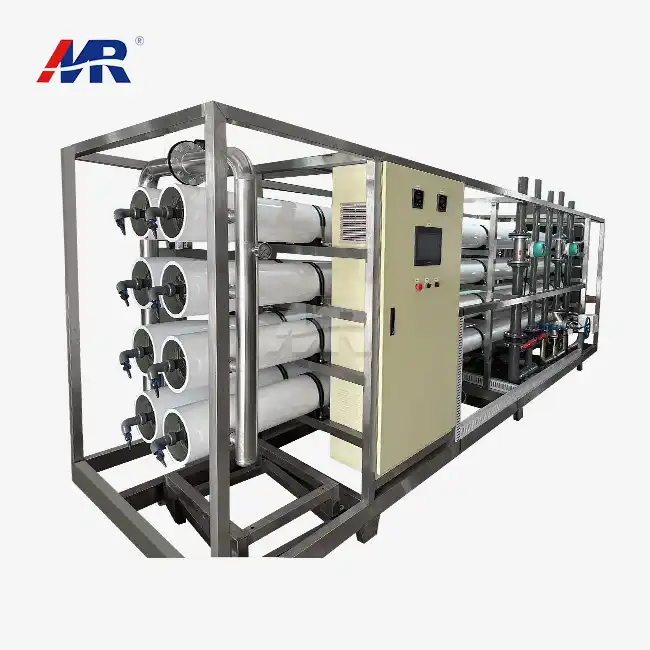
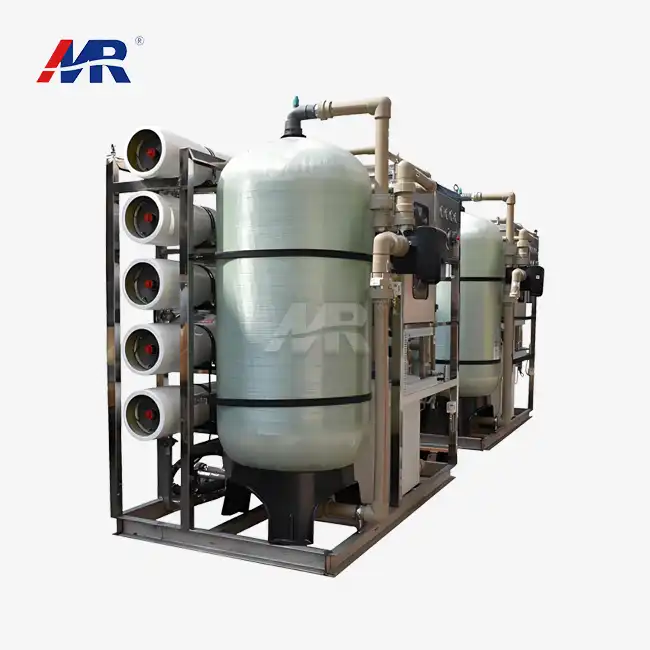
Improved irrigation water from reverse osmosis water purification plant makes farming more sustainable. These high-tech filters clean water of chemicals, solids, and other contaminants. Clear water improves soil and grows plants. If the farm has no water or unsafe water, reverse osmosis can help. It improves water efficiency. Reverse osmosis cleans sewage, surface, and salty groundwater. This makes them ideal for dry-area plant watering. Reverse osmosis in farming improves crop watering and feeds everyone.
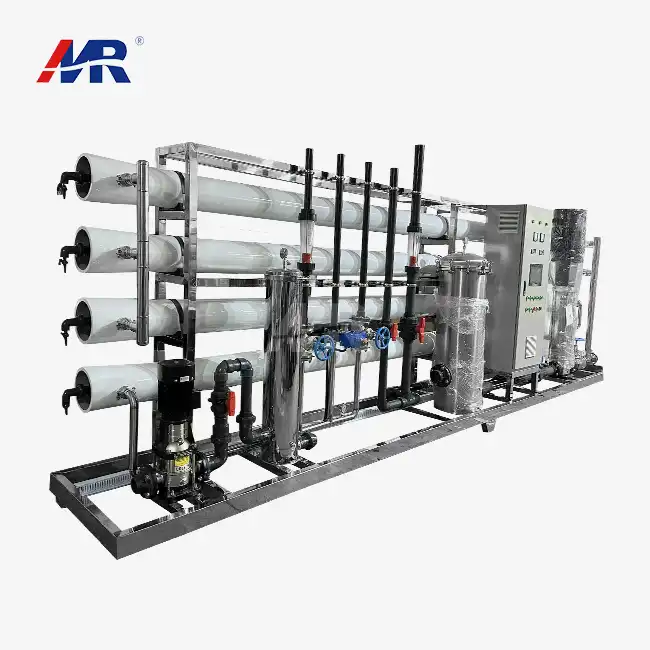
Can RO Water Purification Plants Improve Irrigation Water Quality?
A new and important method for improving farming water is reverse osmosis (RO). These advanced systems remove water-soluble microorganisms, heavy metals, pesticides, and salts using semi-permeable membranes. It provides clean plant-friendly water.
Eliminating environmentally harmful pollutants
RO plants are popular for water purification because they remove harmful chemicals well. Farm water with too much salt can damage soil and crops. RO systems remove TDS well. This prevents salty ground, protecting plants from osmotic stress.
RO technology can remove high levels of phosphates and nitrates from water. Plants need these nutrients, but too much can cause algal blooms in water and unbalanced soil. Reverse osmosis water purification plants let farmers control water composition to give plants the right nutrients.
Cleaning water for plants that need more help to grow
Some plants need clean water, especially hydroponic or greenhouse plants. For sensitive applications, RO water purification plants produce water with low electrical conductivity. Such water quality control makes nutrient solutions and mineral buildup in irrigation systems easier to manage.
Bad water problems are easier to fix
Farmers in water-scarce areas must use salty groundwater or treated wastewater to irrigate their crops. RO systems treat hard-to-irrigate water. Farmers will benefit from more water. This skill is useful when clean water is scarce, especially in dry areas.
The RO water cleaning plants help.
- More quality crops
- Slowing soil salt gain
- Better water and fertilizer use
- Longer irrigation tool life
Farming RO technology improves efficiency and sustainability when water quality is low.
Using RO Water Purification Technology in Agriculture
In farming, reverse osmosis water purification technology has made big changes in a), the way that water is managed, and b) the way that crops are watered. As farmers and agricultural companies search for better, more efficient, and eco-friendly ways to use water, reverse osmosis systems are becoming more important in today's farming.
Extracting salt from water for agricultural production.
An important use of RO technology in farming is getting rid of salt in groundwater or seawater that has a lot of salt in it. Reverse osmosis water purification plants can turn saltwater into irrigation water that can be used in coastal areas and dry places where there isn't much freshwater. With this, crops can be grown in places where it wasn't possible before.
For example, Israel and Saudi Arabia are two countries that have used RO technology in large-scale desalination projects to benefit their farming. These projects have made it easier to water crops and lowered the need for sources of fresh water.
How to Clean Recycled Water for Irrigation?
As saving water becomes more important, using recycled water for irrigation is becoming more common in farming. On the other hand, treated wastewater still often has chemicals that can hurt plants or build up in the soil over time. For farming, this recycled water can be cleaned even more by RO systems removing salts, germs, and other pollutants.
Using RO technology in farming helps the circular water economy. It allows people to safely reuse water, which means they don't need to get as much fresh water.
Precision Farming as well as Hydroponic Gardening
In precision farming and hydroponics, the water must be of good quality in order to get the best plant growth and nutrient absorption. RO water purification technology lets farmers make custom water profiles that are good for different kinds of crops. By starting with clean water, growers can get the best conditions for plant growth by carefully controlling the minerals and nutrients in the water.
This level of control is very important for greenhouse and vertical farming systems to work. In these places, the environment is carefully controlled to get the most and best fruits and vegetables.
Making the water that livestock drinks clean
A lot of people don't realize that the water given to livestock can greatly impact their health and productivity. People are using RO systems more often to make water safe for livestock by getting rid of things that could hurt the animals or the quality of the meat. This tool is great for areas where water often has a lot of sulfates, nitrates, or other bad things.
Fertigation Systems
Fertigation, which is when fertilizers are delivered through irrigation systems, works a lot better when RO-purified water is used. If the water used is clean and free of contaminants, fertilizers will be completely dissolved and spread out evenly to the crops. This speeds up the nutrient delivery to plants and lowers the risk of clogging in drip irrigation systems. Using RO water in fertigation helps farmers get the most out of their fertilizer. This might help them save money and be better for the environment.
Using RO water purification technology in many different areas of agriculture shows how helpful and important it is for fixing a lot of different water quality issues. Farming must deal with new problems all the time, such as water shortages and the need to be more eco-friendly. Because of this, the role of RO systems in helping to support farming that is efficient and productive is likely to grow even more.
Benefits of Using RO-Treated Water for Crop Irrigation
Using reverse osmosis (RO) treated water to irrigate crops has many benefits that help make farming more productive, environmentally friendly, and resourceful. Farmers around the world are still having trouble with water that isn't good enough or isn't available at all. This makes the benefits of using RO technology in irrigation systems more and more clear.
Better Quality and More Crop Yield
One of the main benefits of using RO-treated water for irrigation is that it could help crops grow better and more abundantly. RO systems give crops clean water by getting rid of harmful chemicals and extra salt, which helps them grow. As a result,
- Higher crop yields because plants are less stressed
- Better taste, color, and shelf life of fruits and vegetables
- More even crop growth in all fields
- Increased seed germination rates
In areas with bad water quality, crops watered with RO-treated water grow better and produce more marketable fruit and vegetables than crops watered with untreated water.
Keeping the Soil Healthy
Using RO-treated water is very important for protecting and improving the health of soil that is necessary for long-lasting farming. Good things that happen to soil when you use it:
- Stopping soil salinization by lowering salt buildup
- Keeping the soil structure and porosity at the right levels
- Microbial activity in the soil has gone up because the stress from pollutants has gone down.
- Long-term better fertility and productivity of farmland
By reducing the damage that bad irrigation water does to soil, RO technology helps keep farmland usable in the long term, especially in places where the soil is likely to become salty or polluted.
How Well Water is Used
Water that has been treated with reverse osmosis (RO) helps a lot to make agriculture's water use more efficient. This is done by
- Better plant uptake of clean water means less water is needed.
- Reduced water loss from runoff and evaporation so that plants can use the water more effectively.
- Ability to reuse and recycle agricultural runoff water after RO treatment
- Possible deficit irrigation methods that won't hurt the health of the crops
In places where water is hard to come by, being able to use reverse osmosis water purification plants to get the most out of the water on hand can make a big difference in how sustainable farming is.
A larger range of crops to choose from
Using RO-treated water makes it possible to grow more types of crops, which is especially helpful in areas where the natural water quality is low. This benefit shows up in a number of ways:
- The ability to grow crops that are sensitive to salt in places where there is naturally salty water
- Introduction of high-value crops that need very clean water to grow
- Growing some crops all year long, even when the water quality is low
- Widening the range of crops and animals on farms, making sure that people can always get food, and making the economy stronger against shocks
Being able to choose from a variety of crops can help farmers make more money and increase the diversity of agriculture in their areas.
Lowered Chemicals Used
The purity of RO-treated water can lower the need for some chemicals used in farming:
- It takes less soil amendment to fix problems with water quality.
- better plant health and resistance have lowered the need for pesticides
- Better fertilizer use, since water pollutants don't affect or bind the nutrients
Using fewer chemicals not only lowers the cost of production but also helps make farming more environmentally friendly.
Irrigation Systems Protection
Water that has been treated with RO helps keep irrigation systems working longer:
- Scaling and corrosion in pipes and sprinklers are lessened.
- Irrigation tools need less maintenance.
- Better efficiency and longer life for drip irrigation systems
- Lowered risk of clogging in precision irrigation systems
These benefits mean that the irrigation systems can be relied on more and that the cost of doing business is lower. This is very important for making sure that crops are always produced.
The many different benefits of using RO-treated water for crop irrigation show how the technology could help with many of the problems that are seen in modern farming. RO water purification systems are a useful tool for finding environmentally friendly and efficient ways to farm. They help make sure that crops grow better, that the soil stays healthy, that water is used more efficiently, and that more farming activities are possible.
Conclusion
Reverse osmosis (RO) water purification technology has proven to be an effective solution to many of the water quality challenges facing modern agriculture. As water scarcity, salinization, and pollution continue to threaten global food production, reverse osmosis systems provide farmers with a reliable method to ensure access to clean, controlled irrigation water suitable for crop growth. By effectively removing salts, heavy metals, excess nutrients, and harmful contaminants, RO-treated water can reduce plant stress, improve nutrient uptake, and maintain healthy soil conditions over the long term.
Beyond improving crop yield and quality, reverse osmosis technology also enables more efficient use of limited water resources. It allows for the safe recycling of treated wastewater, supports precision agriculture and hydroponic systems, and extends the lifespan of irrigation infrastructure by minimizing scaling and clogging. These advantages translate into lower operating costs, reduced chemical inputs, and more sustainable farming practices. As agriculture continues to adapt to climate change and increasing demands, reverse osmosis technology stands out as a practical and forward-looking technology, supporting efficient and environmentally responsible agricultural production worldwide.
Frequently Asked Questions
1. What makes reverse osmosis technology different from other methods when it comes to purifying farm water?
Farm water is best cleaned by reverse osmosis. Reverse osmosis removes salts, pesticides, and microorganisms from water better than filtration or chemicals. This purifies water better than chlorination, sand filtration, etc. Unlike other water-cleaning methods, reverse osmosis charges and uses energy. Operation size, resource availability, and water quality affect this decision.
2. While plants grow, does water reverse osmosis remove beneficial minerals?
Reverse osmosis separates good and bad minerals. ro membranes block most solids, including calcium and magnesium. These do not always harm crops. After removing these minerals, farmers can precisely control crop irrigation water nutrients. Plant-nourishing minerals can be added to water.
3. Reverse osmosis benefits all crops?
Some plants dislike pure water, but most like reverse osmosis. Water minerals help plants. RO water removes minerals. After water treatment, minerals or irrigation fertilizer fix this. Reverse osmosis cleans water for salt-sensitive plants and hydroponic systems. Due to its nutrients, RO water can be used for soil-based farming.
Custom Reverse Osmosis Water Purification Plants for Agriculture | Morui
Do you want to get the most out of your irrigation by using clean water? Guangdong Morui Environmental Technology Co., Ltd. makes custom reverse osmosis water purification plants just for use in agriculture. Our advanced reverse osmosis systems can help you get more crops, keep your soil healthy, and make sure you're using your water supply in the best way possible.
We have the knowledge and resources to provide custom water purification systems for farms of all sizes. With more than 14 locations, 500 staff members, and 20 professional engineers, we are able to do this. Our RO plants are designed to handle the specific issues that come up when dealing with agricultural water, such as removing salt from water that isn't fresh and recycling wastewater.
References
1. Smith, J.A. and Brown, R.B. (2022). "Advancements in Reverse Osmosis Technology for Agricultural Water Treatment". Journal of Agricultural Water Management, 45(3), 256-270.
2. García-Sánchez, F. and Simón-Grao, S. (2021). "Impact of Reverse Osmosis Treated Water on Crop Yield and Quality: A Meta-analysis". Agronomy for Sustainable Development, 41, 18.
3. Shaffer, D.L. and Yip, N.Y. (2020). "Seawater Desalination for Agriculture by Integrated Forward and Reverse Osmosis: Improved Product Water Quality for Potentially Less Energy". Journal of Membrane Science, 415-416, 1-8.
4. Kumar, M. and Puri, A. (2019). "Reverse Osmosis in Agriculture: Opportunities and Challenges". Environmental Science and Pollution Research, 26, 1-15.
5. Thompson, J. and Kutty, S.N. (2018). "Economic Analysis of Reverse Osmosis Systems in Agricultural Water Management". Water Resources Management, 32(12), 4045-4059.
6. Fritzmann, C. and Löwenberg, J. (2017). "State-of-the-art of Reverse Osmosis Desalination for Agricultural Irrigation". Desalination, 404, 241-251.