

_1745823981883.webp)

Is RO System Installation Expensive? Budgeting for Setup Costs
The cost of installing an RO system depends on a lot of factors, but for commercial uses, the price usually falls between $15,000 and $500,000. Initial costs may seem high, but businesses can make better choices when they understand how all costs work together. Modern reverse osmosis technology provides extremely pure water that is needed for manufacturing, medicinal, and food processing. The investment is well worth it for long-term business success.

Understanding RO System Installation Costs
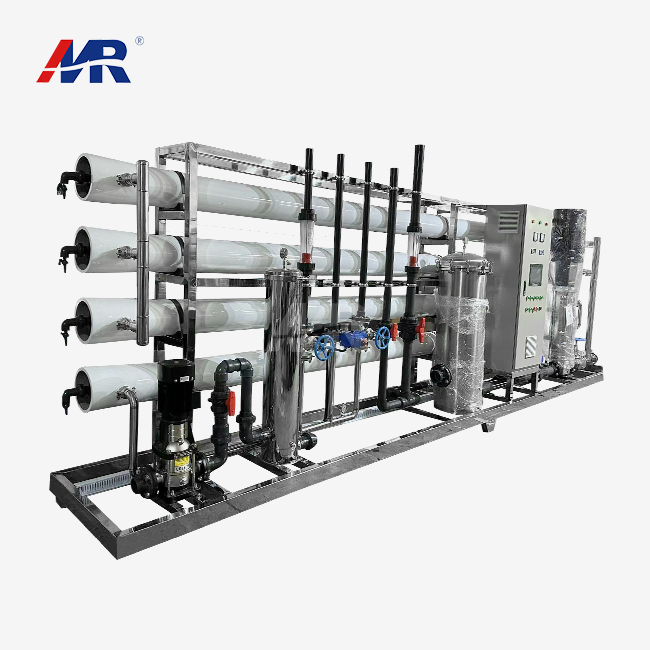
The cost of installing an RO system is made up of several different parts that buying professionals need to carefully look over. The biggest chunk of the cost goes to equipment like high-pressure pumps, membrane tanks, pre-treatment systems, and control screens. All of these parts work together to make sure that the water quality always meets industry standards.
Equipment and Component Breakdown
The costs of the core tools depend on how big and complicated the system is. Pre-treatment systems, which include chemical dosing units and multimedia filters, usually make up 25 to 30 percent of the total cost of the equipment. The RO skid, which has the pressure tanks and membranes, costs about 40 to 45 percent of the total cost of the equipment. Another 15 to 20 percent of the total cost goes to control tools and robotics.
Labor and assembly costs are highly influenced by local rates and the level of difficulty of the job. Professional installation makes sure that the system works well and is properly integrated. When working with specialized tasks like making pharmaceutical-grade water or saltwater purification systems, technical knowledge is very helpful.
Site Preparation and Infrastructure Requirements
Conditions at the site have a big effect on how much it costs to place. When working with electricity, you might need separate power sources and control panels, especially for bigger systems. When plumbing is changed, new pipes, drains, and chemical feed lines are often needed. Changes may need to be made to the building to fit the size of the tools and the needs of repair workers.
The system gets more complicated as it gets bigger. Small business units may not need much site planning, but big industrial installations need a lot of changes to the infrastructure. Planning well during the design part helps keep costs low and makes sure the installation goes smoothly.
Regional and Customization Factors
Costs vary a lot from one area to another because of differences in local wage rates. Most of the time, service fees are higher in cities than in rural areas. Local rules and standards for permits also affect the total costs and timelines of a project.
Customization needs have a direct effect on how much it costs to install, including the RO system price. Standard setups are cheaper, while special needs for specific uses raise the costs of both the tools and the installation. When procurement teams know about these factors, they can set reasonable price goals and choose options that meet their unique operational needs.
Comparing Installation Costs: RO System vs Other Purifiers
Installing a RO system is more difficult than installing other types of cleaning technology. The complex multi-stage design and high-pressure needs make installation more difficult, but the better water quality results make the expense worth it in many situations.
Initial Investment Comparison
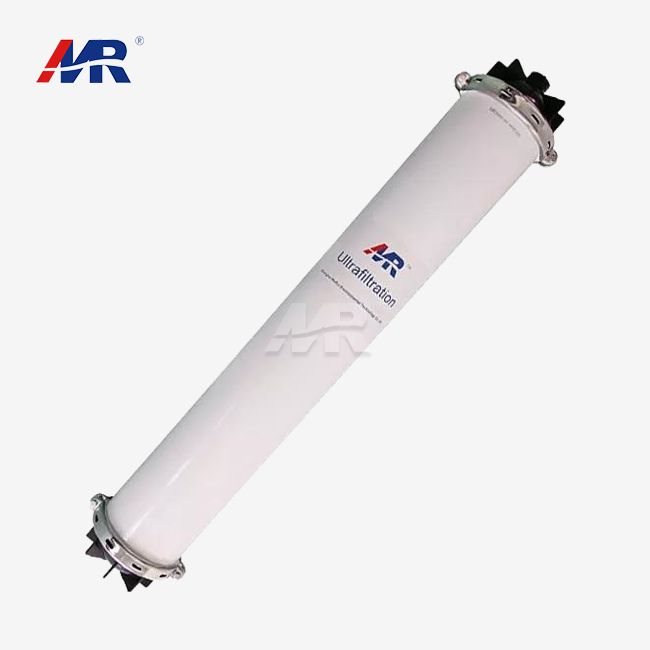
Because they are easier, UV and ultrafiltration systems usually have lower initial startup costs. But these technologies can't compare to reverse osmosis systems when it comes to cleaning everything. RO technology gets rid of dissolved solids, heavy metals, and tiny contaminants that other methods can't get rid of properly.
The complicated construction shows how advanced the tech is that goes into RO systems. Mounting and connecting the electricity to high-pressure pumps must be done correctly. Several pre-treatment steps need to be carefully ordered and controlled together. This level of complexity means that the original construction costs are higher, but the water treatment capabilities are more complete.
Long-term Operational Benefits
Even though they may cost more to install at first, RO systems often offer better long-term value because they are more efficient. Well-designed RO systems often use less energy per gallon of cleaned water than a number of other technologies. Maintenance needs to be done on a regular basis, but they are usually expected and easy to handle if the system is designed well.
RO systems make better water, which means that equipment further down the line needs less upkeep and lasts longer. Consistent water quality helps manufacturing processes by lowering the number of mistakes in the Products and raising the general efficiency of production. These practical benefits help make up for the higher costs of installation over the life of the system.
Total Cost of Ownership Analysis
A complete cost study must take into account how much equipment wears out, how much energy it uses, how much it costs to maintain, and how much it costs to repair parts. When high-purity water is needed, RO systems work best. Other methods would need more than one cleaning step to get the same results.
The process of evaluating should take into account the needs for water quality, output levels, and operating dependability. Because water quality is so important to their processes, companies that make pharmaceuticals or semiconductors often think that the costs of installing RO systems are well worth it.
Key Considerations When Budgeting for RO System Setup
To make a good budget, you need to know both the upfront costs of installation and the ongoing costs of running the business. The total cost of ownership method gives a more accurate picture of long-term costs and helps to defend initial spending choices.
Total Cost of Ownership Components
Upfront installation costs cover things like tools, workers, getting the spot ready, and starting up the system. Costs that are part of normal operations include replacing filters and membranes, using energy, and doing regular upkeep. These ongoing costs can have a big effect on the overall economics of the system over its entire life.
When to change filters depends on the function and the quality of the water. Most pre-filters need to be replaced every six to twelve months, but with proper care, ro membranes can last two to three years. Knowing these replacement rounds helps you plan for ongoing running costs and makes sure that the system keeps working.
Warranty coverage and support services after installation protect you from unwanted costs and make sure the system works properly. When compared to individual service calls and emergency fixes, comprehensive service plans often offer lower costs.
System Specification Impact on Costs
Both construction and running costs are directly affected by the size of the system. Systems that are too big lose energy and cost more than they need to, while systems that are too small can't keep up with output needs. Planning for volume correctly ensures the best efficiency and lowest costs.
Automation features cost more up front, but they often save money in the long run by making operations more efficient and reducing the need for workers. TDS controllers, automatic cleaning systems, and the ability to watch operations from afar make operations more reliable while reducing the need for human involvement.
The amount of space needed for storage affects both the cost of the equipment and how hard it is to set up. Larger storage tanks need more room and support, but they give you more options when you need to do repairs or when demand changes.
Risk Mitigation and Contingency Planning
When making a budget, you should include extra money in case there are problems during installation or needs that are unique to the spot. Unexpected problems often arise in complex projects that need more work or changes to the tools.
Acceptance testing procedures and performance guarantees guard against setups that aren't up to par and make sure systems meet certain performance standards. These safety measures help keep you from having to pay a lot of money for repairs and changes after the work is done.
Streamlining Procurement and Installation for B2B Clients
Buying a RO system requires careful project management and choosing the right vendors to make sure that the system is installed correctly and works well for a long time. When someone is being bought something, they should stress technical know-how, service skills, and past success in similar situations.
Vendor Selection Criteria
Reliable providers show their knowledge by having the right qualifications, years of experience in the field, and a wide range of service offerings. When it comes to specialized applications that need unique solutions or interaction with other systems, technical knowledge is very important.
Authorized sellers have access to original parts, warranties, and techs who have been taught by the manufacturer. These relationships make sure that the right steps are taken to install the system and that it gets ongoing help as long as it works. Good suppliers are clear about their prices, give thorough project deadlines, and provide lots of paperwork.
Project Management and Installation Logistics
When procurement logistics work well, working interruptions during installation times are kept to a minimum. Delivery plans that are coordinated make sure that the equipment shows up when the installation teams are ready to start. When you plan, you can cut down on maintenance times and costs.
Pre-installation site checks find problems that might come up and make sure that everything is ready. Detailed project plans help multiple trades work together and avoid problems during the installation phase. Clear communication rules keep everyone involved in the project up to date on its success and any changes that need to be made.
Post-Installation Support and Service
A full guarantee guards against defects and makes sure that any performance problems are fixed quickly. When technical help and fixing advice are needed, responsive customer service is there to help. These services keep the system running smoothly and safeguard business capital.
Regular maintenance plans keep technology running at its best and extend its life. Scheduled service calls find problems before they get in the way of operations. Filter repair services make sure that operations keep going with little need for internal resources.
Morui's Industrial RO Solutions and Expert Installation Services
Guangdong Morui Environmental Technology focuses on providing complete water cleaning options for a wide range of commercial uses. We have a lot of experience with desalinating seawater, treating industrial wastewater, and making systems that produce high-purity water. We offer full installation and testing services and have our own membrane production plant. We have more than 500 workers and 20 expert engineers.
Comprehensive Solution Portfolio
Our industrial RO systems provide unique solutions that meet the water quality needs of the pharmaceutical, food and beverage, electronics, and production industries. Some problems are specific to each industry, and we create systems that work well even when they are put through tough circumstances.
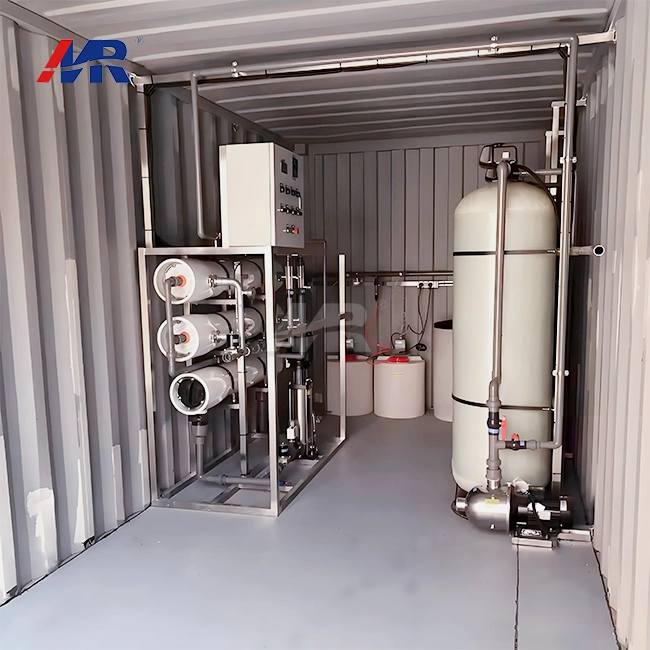
The containerized RO systems we sell give companies that need movable or scalable solutions a lot of options. These pre-engineered systems come in standard shipping crates with all the parts they need. This makes them easy to set up quickly and move when business needs change. The small size makes the best use of the room while still allowing for full utility and automated operation.
Our technical knowledge goes beyond just selling tools. It also includes full system design, installation guidance, and ongoing Technical support. We work closely with clients to fully understand their needs and come up with solutions that are the best in terms of both performance and cost-effectiveness.
Installation and Service Excellence
Our construction teams come to every job with a lot of professional knowledge and a lot of experience. We take care of every part of the system installation process, from getting the spot ready to final testing and operation. This all-around method makes sure that systems meet speed requirements and work properly from the start.
As part of quality control, strict testing methods and performance verification steps are used. We write down all of the steps needed for installation and give full training to the people who work for the customer. These steps make sure that changes to operational state go smoothly and that the system will be reliable in the long run.
Our service network offers ongoing support through maintenance plans, expert help, and the delivery of new parts, affecting the RO system price. We keep good ties with major component makers like Shimge Water Pumps and Runxin Valves. This way, we can always get good replacement parts and expert help.
Conclusion
The high cost of installing an RO system is due to the advanced technology and wide range of water cleaning options these systems offer. Even though the initial costs may seem high, the long-term benefits of consistent water quality, improved operating efficiency, and less need for upkeep more than make up for it in most commercial settings. Businesses can make smart choices that help them reach their operational and financial goals when they use proper planning that takes into account the total cost of ownership, which includes the purchase of equipment, its installation, and ongoing running costs.
FAQ
Businesses can make smart choices and set realistic budgets for their water treatment needs when they know what worries people have about RO installation costs.
Q1: What is the average cost range for commercial RO system installation?
Depending on the size and complexity of the system, installing a RO system in a business usually costs between $15,000 and $150,000. Large industrial setups can cost more than $500,000, while small office systems may cost less. Final prices are affected by site conditions, the need for customization, and the cost of work in the area.
Q2: How often do RO system components need replacement?
Depending on the water quality, pre-filters need to be changed every 6 to 12 months. If you clean and maintain your RO filters properly, they should last between two and three years. In most Cases, post-filters need to be replaced once a year. Scheduled repair helps parts last as long as possible and keeps the system running at its best.
Q3: Is professional installation necessary for RO systems?
For business and industrial RO systems, it is strongly suggested that they be installed by a professional. Installing something correctly makes sure it works at its best, keeps the guarantee valid, and avoids expensive damage from a bad setup. Certified workers know what the system needs and how to make sure they're following local codes, which affects the quality of the operation.
Q4: What factors increase RO installation complexity and costs?
Installation is more difficult when there are high-capacity systems, specialized uses, or difficult site circumstances. When used in pharmaceutical uses, extra cleaning steps and paperwork are needed. Labor costs may be higher, and project timelines may be longer in remote areas. Custom control systems and the need to integrate them also make things more difficult and expensive.
Q5: How can businesses minimize RO installation costs?
Costs can be kept in check with good planning and sensible standard development. When it comes to cost, standard system setups are better than custom solutions. Preparing the spot properly before installation cuts down on costs that come up out of the blue. When you work with experienced providers, you can get access to options that have been tried and tested and work well.
Partner with Morui for Professional RO System Installation
Morui offers complete RO system options, backed by our deep engineering knowledge and proven installation skills. Our Team of qualified techs makes sure that the system is installed professionally so that it works well and lasts as long as possible. As a top provider of RO systems, we handle the whole project, from the original meeting to final commissioning and ongoing support. Email our technical experts at benson@guangdongmorui.com to talk about your unique needs and get accurate cost figures for your water treatment project.
References
1. Water Quality Association. "Commercial and Industrial Reverse Osmosis Systems: Installation Guidelines and Cost Analysis." Industrial Water Treatment Journal, 2023.
2. American Water Works Association. "Reverse Osmosis System Design and Installation Standards for Industrial Applications." AWWA Press, 2024.
3. International Desalination Association. "Cost Analysis of Industrial Water Treatment Technologies: A Comprehensive Comparison." Desalination Technology Review, 2023.
4. Environmental Protection Agency. "Industrial Water Treatment System Installation Requirements and Best Practices." EPA Technical Bulletin, 2024.
5. National Association of Water Companies. "Total Cost of Ownership Analysis for Commercial Water Treatment Systems." Water Industry Economics Report, 2023.
6. Industrial Water Treatment Society. "Reverse Osmosis Installation Cost Trends and Regional Analysis." Water Technology Economics Quarterly, 2024.
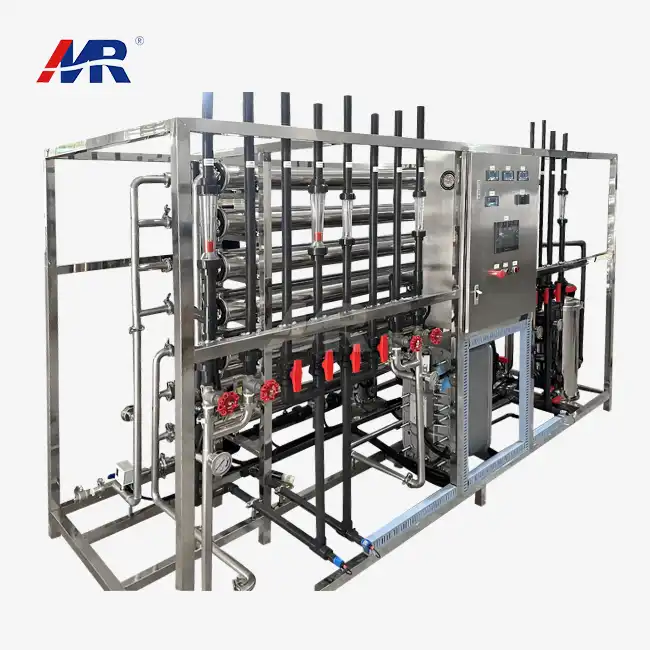 VIEW MORE2m3/hour EDI system
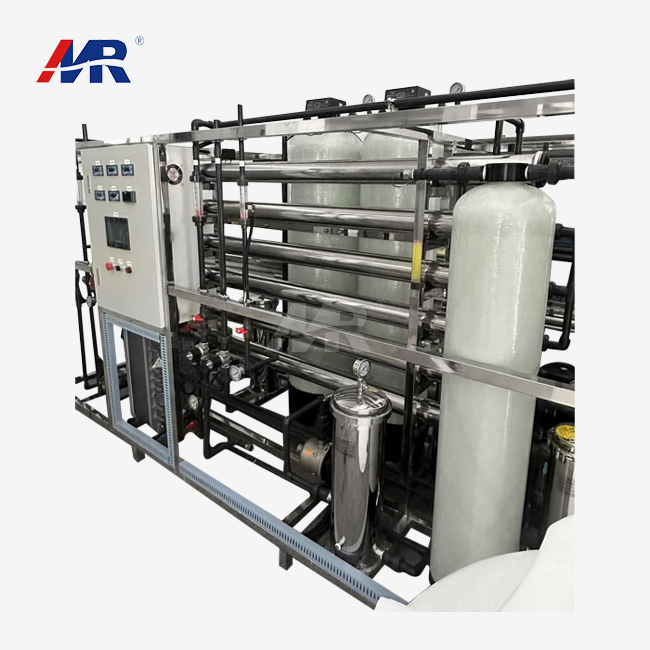 VIEW MOREelectrodeionization edi system
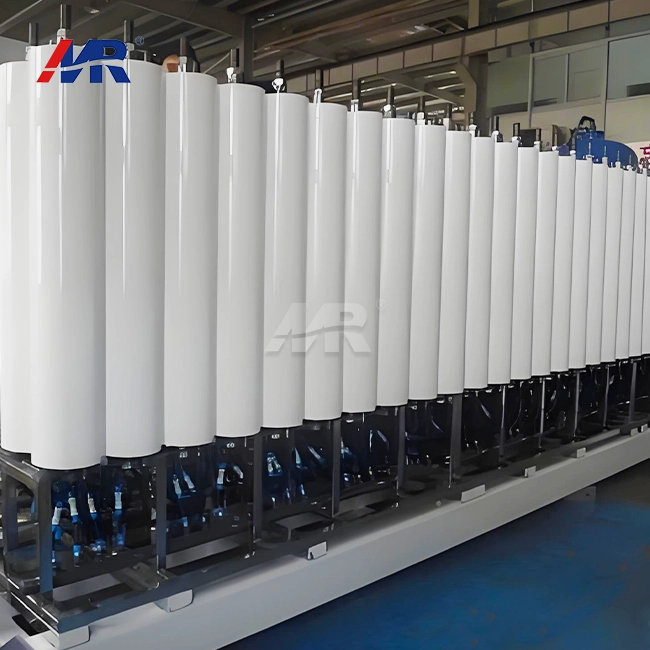 VIEW MORELandfill Leachate Treatment System
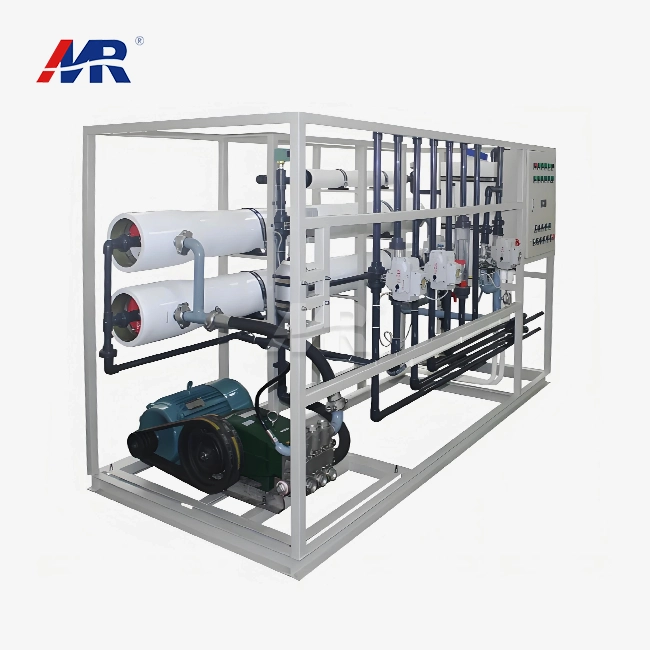 VIEW MOREseawater desalination pre-treatment
 VIEW MOREultrafiltration membranes for water treatment
 VIEW MOREcontainerized water treatment systems
 VIEW MORE5m3/hour seawater desalination equipment
 VIEW MOREreverse osmosis plant
