_1745823981883.webp)

Reverse Osmosis Systems for Industrial Water Treatment: Key Features and Applications
Industrial reverse osmosis systems are the best way to clean water in a wide range of industrial fields. These advanced membrane-based technologies clean water sources of up to 99% of dissolved salts, contaminants, and impurities. This provides reliable, high-quality water that is needed for precise industrial processes. Modern commercial RO systems use advanced pre-treatment stages, high-pressure pumps, and automatic tracking systems to make sure they work at their best while keeping costs and environmental effects to a minimum.

Understanding Reverse Osmosis Systems in Industrial Applications
Industrial reverse osmosis technology uses semi-permeable membranes with pores that are about 0.0001 microns wide and works on the concept of selective permeability. A lot of pressure is used in this process to push water molecules through the barrier, while dissolving salts, organic compounds, bacteria, and viruses are pushed back.
Core Components and Mechanisms
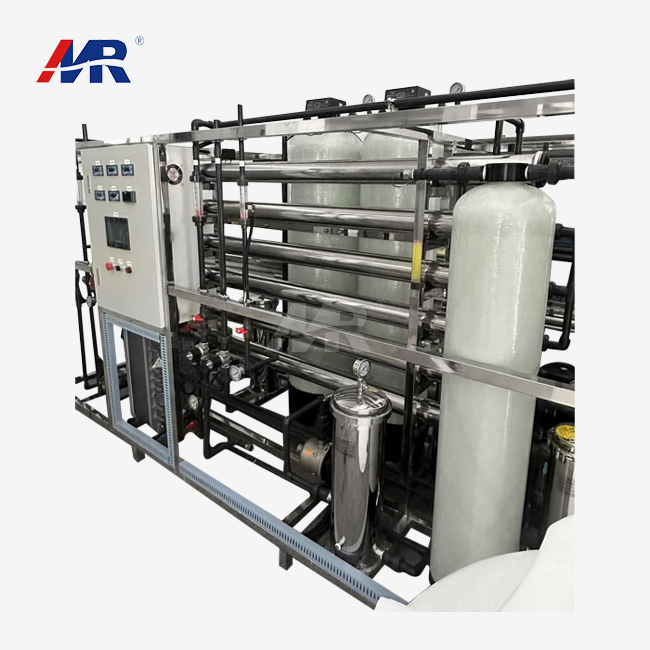
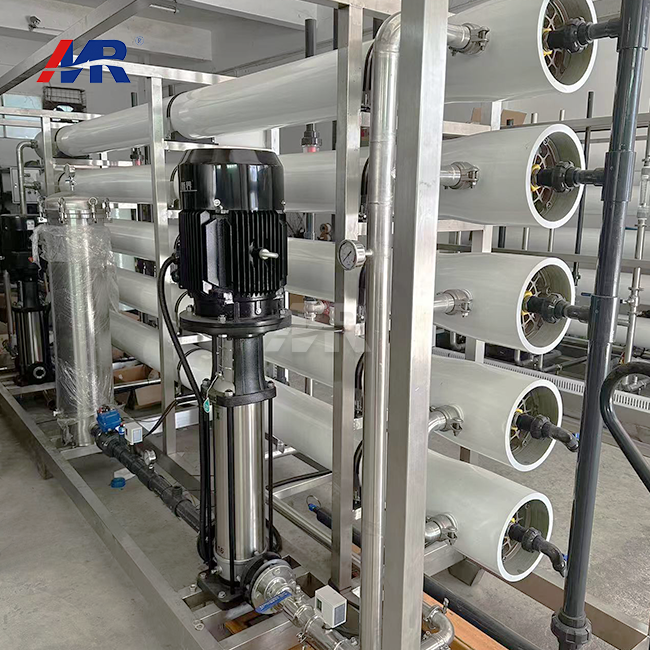
Every commercial RO system is built on a concept with multiple stages. Parts of pre-treatment include carbon filters that get rid of chlorine and chemical compounds, sediment filters that catch particles bigger than 5 microns, and water softening units that lower the amount of calcium and magnesium in the water. These early steps keep the fragile ro membranes from getting damaged or clogged up, which increases the system's life and makes sure it keeps working well.
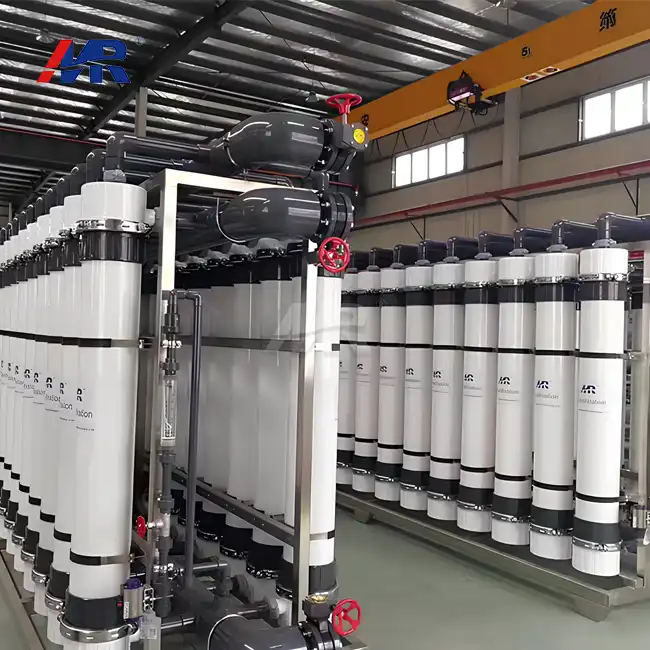
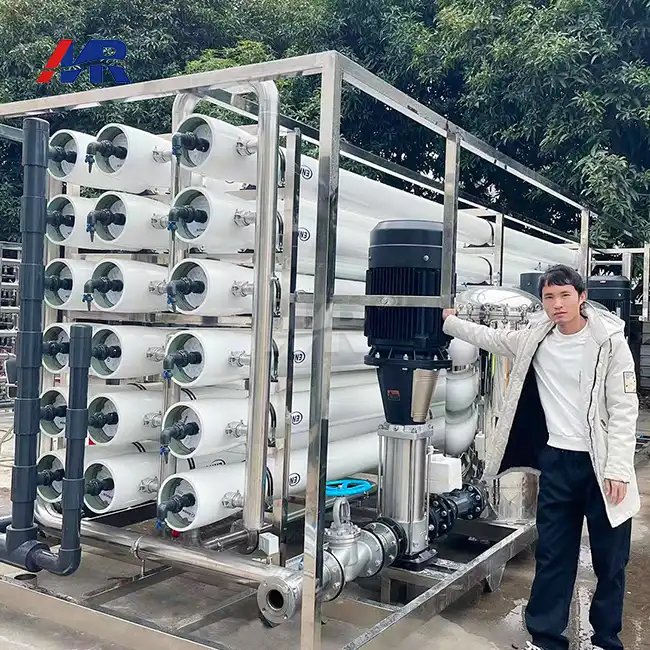
High-pressure pumps create the force needed to push water through the membrane barrier. Depending on the saltiness of the feed water and the quality of the output that is wanted, these pumps usually work between 150 and 1000 PSI. The housing sections for the membranes have spiral-wound or hollow fiber membranes that are made to work well in industrial settings and remove a lot of contaminants.
Contaminant Removal Capabilities
Minerals like sodium, calcium, magnesium, sulfates, and nitrates that are dissolved in water are easily removed by industrial RO systems. It gets rid of heavy metals like lead, mercury, and cadmium, as well as bacterial pollutants like viruses, bacteria, and protozoa. Because it can clean water in so many ways, RO technology is essential for businesses that need ultra-pure water.
Unlike other ways of cleaning, like carbon filters or UV treatment, a reverse osmosis water treatment system uses a physical barrier to keep contaminants out instead of chemical reactions or energy contact. This mechanical separation method keeps the quality of the water constant, even if the temperature or pH of the feed water changes.
Key Features and Technical Specifications of Industrial RO Systems
Modern industrial RO systems use cutting-edge membrane technologies that are made for specific industry uses. Thin-film hybrid membranes can reject more than 99.5% of salt while still letting a lot of water pass through them. These membranes are better at stopping bacterial fouling and chlorine breakdown than other cellulose acetate options.
Advanced System Design Elements
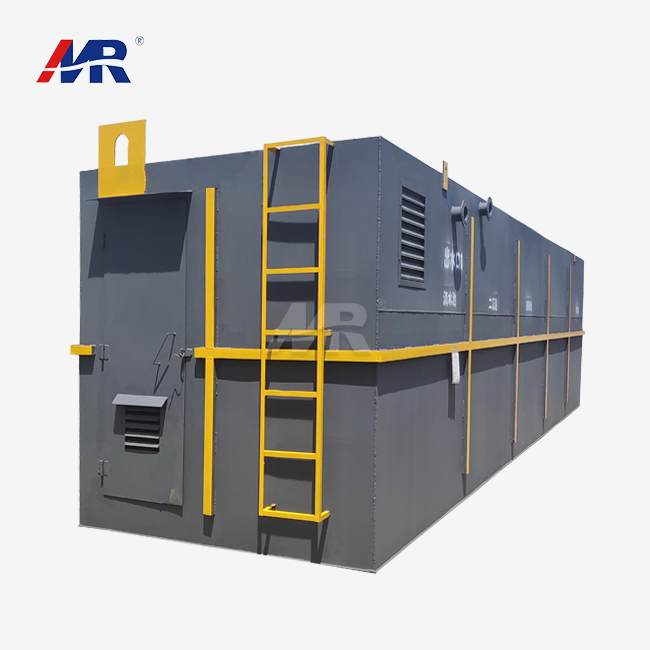
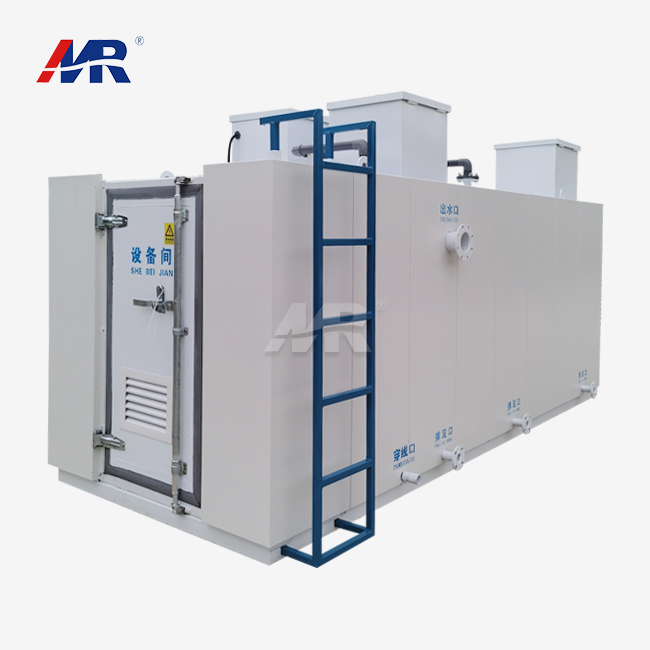
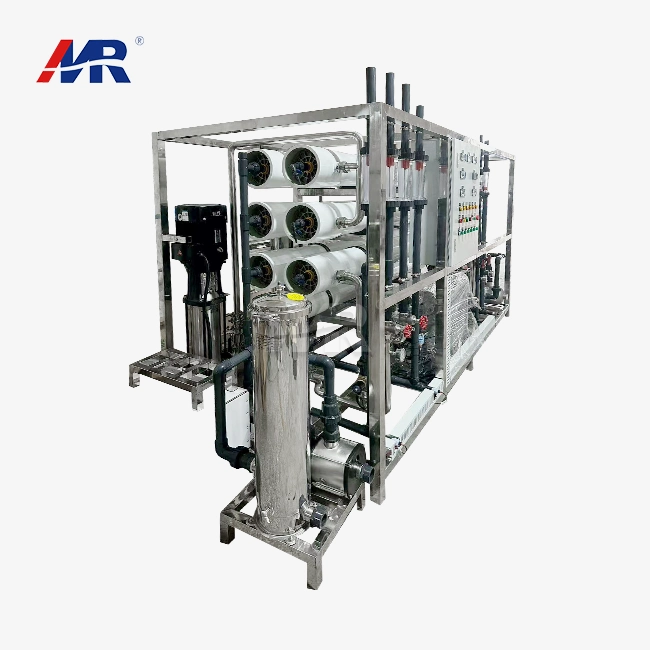
Modular system designs help industrial setups by letting them plan for redundancy and capacity expansion. Skid-mounted designs make deployment quick and installation simple, while containerized systems are completely portable for use in rural or temporary locations. With these setups, buying teams can perfectly match system capacity to production needs while still leaving room for future growth.
Energy recovery devices take pressure from the concentrate stream and use it again. This can cut power use by up to 35% total. Variable frequency drives change the speed of the pump based on demand, which saves energy and keeps the output pressure and flow rates constant.
Automation and Monitoring Capabilities
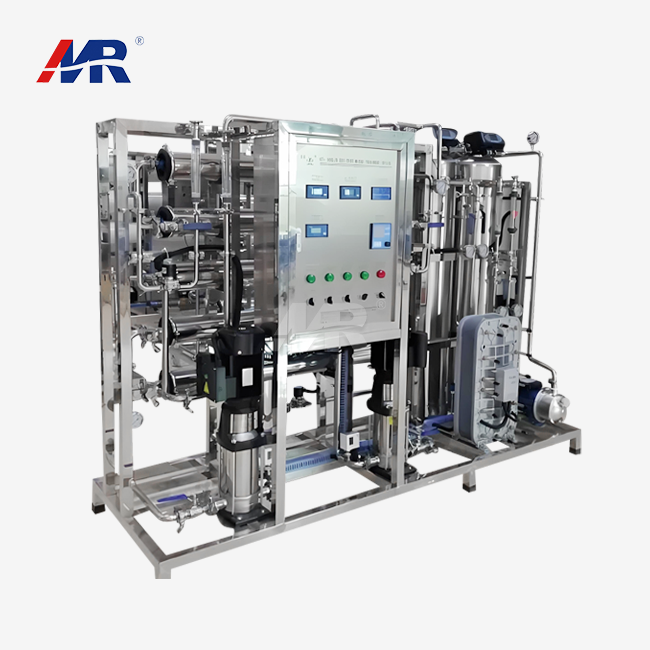
Modern RO systems have built-in control screens with programmable logic controllers that keep an eye on important working factors like feed pressure, permeate flow rates, conductivity levels, and membrane differential pressures. Remote monitoring lets you keep an eye on performance in real time and plan repair ahead of time, which cuts down on unplanned downtime and increases the service life of the membrane.
Automatic cleaning systems start chemical cleaning processes based on pre-set performance triggers. This keeps membrane flux rates at their best without any help from a person. By automating the process, less work needs to be done by hand, and all membrane parts will be cleaned in the same way.
Selecting the Right Reverse Osmosis System for Industrial Procurement
When choosing industrial RO systems, people who work in procurement have to look at a number of key success factors. Recovery rates usually fall between 75 and 85% for brackish water uses and 35 to 50 % for desalinating seawater. This has a direct effect on running costs and the need to handle waste streams.
Performance and Economic Considerations
Rates of salt refusal are the main way to tell if something is of good quality. For example, rates above 99.5% are needed in pharmaceutical and electronic uses. The study of the feed water tells us what kind of pre-treatment is needed and how to choose the membranes. The output capacity details tell us how big the system needs to be.
When you figure out the total cost of ownership, you have to include the starting costs of the equipment, the costs of installation, the costs of ongoing upkeep, and estimates of how much energy the equipment will use for a reverse osmosis system. Quality commercial RO systems pay for themselves in 18 to 36 months by lowering the amount of chemicals needed, making the process more efficient, and lowering the cost of getting rid of trash.
Compliance and Certification Requirements
There are industry standards that industrial RO systems have to follow. These include NSF/ANSI 61 for drinking water components, FDA rules for food and beverage uses, and USP purified water standards for pharmaceutical making. Third-party approvals from groups like WQA give you even more confidence in the speed and dependability of the system.
Under normal working conditions, warranties usually cover mechanical parts for one to three years and membrane elements for three to five years. Throughout the lifecycle of a system, comprehensive service agreements make sure that replacement parts, expert help, and preventative repair services are always available.
Industrial Applications and Case Studies of Reverse Osmosis Systems
Many industries depend on reverse osmosis technology for important tasks, and each has its own water quality needs and operating difficulties. RO systems are used by food and drink companies to make ingredient water that meets strict standards for taste, smell, and microbiology while lowering the mineral content that could change the structure of the product.
Pharmaceutical and Electronics Manufacturing
RO systems are the main way that pharmaceutical firms treat water to make USP-purified water and water for injection. RO is an important part of verified water systems because these uses need to consistently get rid of endotoxins and control microbes. Electronics companies use RO technology along with electrodeionization to make ultrapure water with a resistivity of more than 18 megohm-cm, which is used to make semiconductors and clean parts.
Power generation facilities use RO-treated water to prepare burner feedwater. This keeps high-pressure steam systems from forming scale and rust. This application shows a clear return on investment by lowering the cost of chemical cleaning, making tools last longer, and making operations run more smoothly.
Municipal and Industrial Case Studies
A big company that makes bottled water put in a 500 GPM RO system that cut the total dissolved solids from 800 ppm to less than 10 ppm. This cut chemical costs by 25% and made the product more consistent by 40%. The system paid for itself in 24 months through practical savings and lower waste disposal costs.
A company that makes car parts put in a 200 GPM RO system for their paint booths. This system recovered 95% of the water that went into it and got rid of heavy metals and dissolved organics. This placement cut the city's yearly water use by 180,000 gallons while still following the rules for discharge.
Morui: Your Trusted Partner for Industrial RO Solutions
Guangdong Morui Environmental Technology Co., Ltd. is a top company that treats water in many ways. They specialize in treating industrial wastewater, handling household sewage, desalinating seawater, and making drinking water systems. We have a network of more than 14 branches and a committed team of 500 professionals, including 20 expert engineers. We have a lot of experience that goes back 14 years.
Comprehensive Product Portfolio and Services
We have a wide range of industrial RO systems, from small 500 GPD units that can be used in labs to large 100,000 GPD systems that are built for large factories. Each system has high-quality parts from reputable companies like Shimge water pumps, Runxin valves, and Createc instruments. These parts make sure that the system works well and lasts a long time.
Our membrane production plant and different equipment processing centers give us full manufacturing capabilities, letting us make solutions that are exactly what the industry needs. Our one-stop service includes designing the system, making the tools, supervising the installation, helping with the commissioning process, and setting up ongoing upkeep plans.
Technical support services for a reverse osmosis water treatment system include full training programs for users and maintenance staff to make sure the system works at its best throughout its entire operating lifecycle. Our engineering team works closely with the procurement department to come up with specs that meet both performance needs and price limits while still following all the rules.
Conclusion
Reverse osmosis systems in factories are an important part of modern industry that needs steady, high-quality water. RO systems are necessary in many different types of industries because they are proven to get rid of dissolved contaminants, lower running costs, and make sure that regulations are followed. Success depends on choosing the right system, having it installed by a professional, and getting ongoing upkeep help from providers with a lot of experience. When businesses invest in good RO technology, they get big rewards in the form of higher product quality, more efficient processes, and lower chemical costs.
FAQ
Q1: How often should RO membranes be replaced in industrial applications?
Replacement times for industrial RO membranes are usually between 2 and 5 years, but this depends on the quality of the feed water, how the system is used, and how often it is maintained. If the feed water is of good quality and the pre-treatment works well, the membrane may last more than 5 years. But if the application is difficult and needs to be cleaned with chemicals often, the membrane may need to be replaced every 18 to 24 months. Monitoring the membrane's performance on a regular basis and doing preventative maintenance can make it last a lot longer.
Q2: Can RO systems integrate with existing water treatment infrastructure?
Modern RO systems are made to work with other water treatment systems, like those that smooth, filter, and sanitize the water. Integration planning looks at hydraulic compatibility, control system connections, and the order of operations to get the best treatment results overall. Retrofitting current facilities usually only needs small changes but makes a big difference in the water quality.
Q3: What are typical installation costs and timelines for industrial RO systems?
For normal uses, installation costs are usually between 15% and 25% of the cost of the equipment. More complicated installations may need an extra 30% to 40% of the cost. Things that need to be done in a certain amount of time include preparing the site, connecting utilities, and commissioning. For normal setups, these steps usually take 4 to 8 weeks. Installation is much easier and takes much less time with modular and skid-mounted systems.
Partner with Morui for Advanced RO System Solutions
Are you ready to change how you treat water in your business with tried-and-true reverse osmosis technology? Morui offers unique solutions backed by a wealth of technical knowledge and unbeatable customer service. Our Team of experts works directly with buying professionals to find the best system setups that meet strict budget requirements and improve business efficiency. Send an email to benson@guangdongmorui.com to set up a free system evaluation and find out why Morui is the chosen reverse osmosis system provider for top manufacturers around the world.
References
1. American Water Works Association. Industrial Water Treatment Systems: Design and Implementation Guidelines. AWWA Press, 2023.
2. International Desalination Association. Membrane Technology Performance Standards for Industrial Applications. IDA Technical Report Series, 2024.
3. National Sanitation Foundation. NSF/ANSI Standard 61: Drinking Water System Components - Health Effects. NSF International, 2023.
4. Water Quality Association. Industrial Reverse Osmosis System Performance and Maintenance Guidelines. WQA Technical Bulletin, 2024.
5. U.S. Environmental Protection Agency. Industrial Water Treatment Technology Assessment and Cost Analysis. EPA Office of Water, 2023.
6. World Health Organization. Guidelines for Industrial Water Quality Management and Treatment Technologies. WHO Press, 2024.