_1745823981883.webp)

Reverse Osmosis Device vs Traditional Filtration: Which Is Better?
When you compare reverse osmosis device technology to other types of filters, the answer depends on your needs for water quality and how you want to run your business. Through semi-permeable membrane technology, reverse osmosis machines usually get rid of up to 99% of dissolved salts, heavy metals, germs, and viruses, making the water cleaner. Even though traditional filter systems are cheaper and use less energy, they don't always get rid of all contaminants. You should pick one of these technologies based on the standards for water cleanliness, the cost of operation, the need for upkeep, and the rules and regulations that apply to your business and application.

Introduction
When procurement pros are looking for reliable, cost-effective, and legal ways to treat water, water filter equipment is one of the most important things they can choose. The selection process has a direct effect on the speed of operations, the quality of Products, and the rules in many different industries. Businesses today have to meet stricter standards for water quality, which makes the choice between new reverse osmosis systems and older filter methods more important than ever.
There is a lot of information in this report about both reverse osmosis devices and regular filter technologies. It looks at how they work and how they can be used in different fields. When making medicines, ultrapure water is needed, and when preparing food, uniform quality standards are needed. Knowing about these technologies helps you make smart purchasing choices that meet both operating needs and budget limits.
The world of water cleaning is always changing. As technology improves, systems become more efficient, and government rules get stricter. When considering water treatment choices, procurement teams have to think about a lot of different things, such as the original investment costs, operational costs, maintenance needs, and the long-term dependability of the performance.
Understanding Reverse Osmosis and Traditional Filtration
How Reverse Osmosis Technology Works?
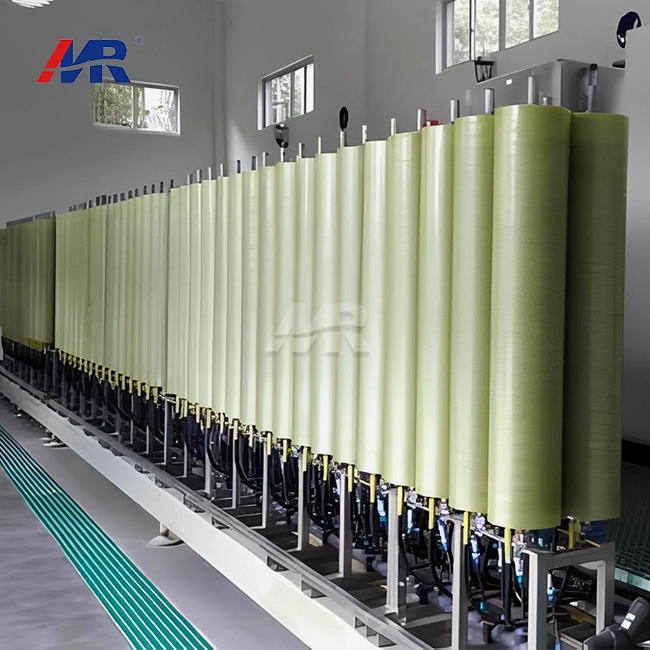
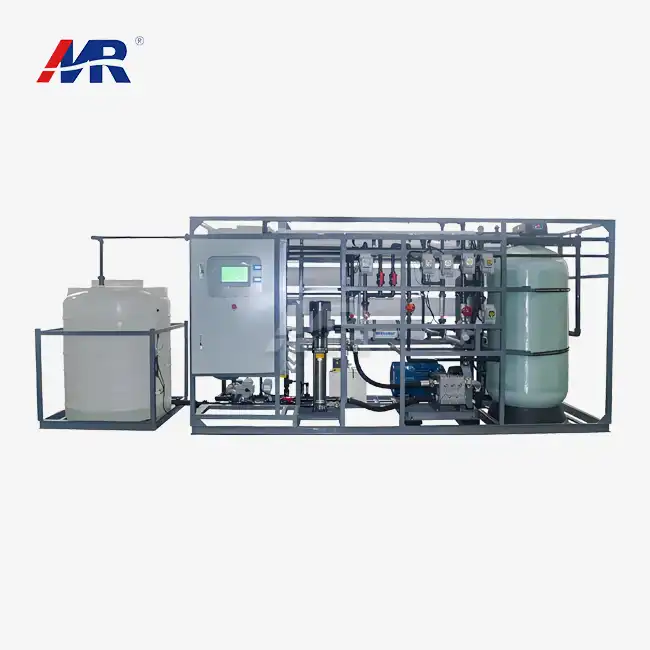
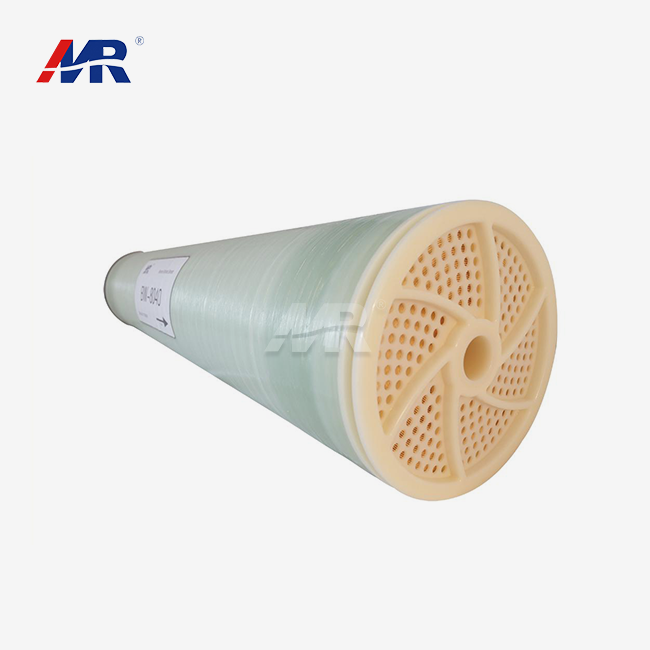
Reverse osmosis devices use advanced semi-permeable membrane technology to get rid of impurities at the molecular level. Pressurized water is forced through special filters by the system. This separates clean water from dissolved salts, organic molecules, bacteria, viruses, and other impurities. Modern RO systems have more than one filtration stage. They start with pre-filtration through carbon and sediment filters, then move on to the main ro membrane stage, and finally, they often finish with post-filtration cleaning.
Thin-film composite (TFC) membranes are usually used in business reverse osmosis systems because they are better at rejecting salt and last longer than older cellulose acetate membranes. The TFC membranes are very good at getting rid of fluoride, heavy metals like lead and mercury, and bacterial contaminants. This makes them very useful for businesses that need very pure water.
Traditional Filtration Methods Overview
Activated carbon filters, ultraviolet purification devices, and mechanical sediment filtration are some of the technologies used in traditional filtering. Each method is good at getting rid of certain types of contaminants, but they aren't perfect at getting rid of all contaminants. Carbon filtration is great at getting rid of chlorine, volatile chemical compounds, and substances that change the taste of water, but it can't get rid of dissolved salts or total dissolved solids.
UV purification kills bacteria, viruses, and other pathogens through UV-C light contact, which is a good way to control microbes. However, UV systems need to be pre-filtered to get rid of particles that could protect microorganisms from UV light. They also don't get rid of chemical contaminants or minerals that have been dissolved.
Comparative Analysis of Effectiveness
In terms of how well it gets rid of contaminants, reverse osmosis device technology does a better job with a wider range of contaminants. RO systems get rid of up to 99% of dissolved salts, 95–99% of heavy metals, and almost all microbiological contaminants. Traditional filtration methods, on the other hand, only get rid of certain types of pollutants with different degrees of success.
The membrane-based method of reverse osmosis works the same way every time, even if the quality of the water coming in changes. This is different from traditional filtration, which often changes how well it works depending on the type of water coming in and the state of the filter. This consistency is especially useful in industry settings where the quality of the water is important for making things or making new products.
Evaluating Benefits and Limitations
Advantages of Reverse Osmosis Systems
Many companies that need very clean water can benefit greatly from reverse osmosis device technology. Because they can get rid of all kinds of contaminants, RO systems are very useful in industries like pharmaceuticals, food and drink, and technology, where water quality has a direct effect on product quality and following the rules.
Reverse osmosis systems can be scaled up or down to fit different needs, from small business uses to big industrial installations. These days, RO systems use advanced tracking and control technologies that let them run automatically, which cuts down on the amount of work that needs to be done while still meeting performance standards. Multinational businesses can get a lot out of being able to make water that meets or exceeds legal standards in more than one country.
The operating costs of modern RO systems are much lower than those of older systems because they use less energy. Variable frequency drive pumps, energy recovery devices, and improved membrane designs all help to keep production rates high and water quality high while using less power.
Limitations of Reverse Osmosis Technology
Even though reverse osmosis device systems have a lot of benefits, buying teams need to be aware of some practical issues that they can cause. Compared to standard filtration methods, this technology needs a bigger initial investment. However, the better performance and longer-term operational benefits often make up for this cost.
Water waste production is an ongoing operating issue because RO systems usually produce concentrated wastewater that contains contaminants that were rejected. Many new systems use advanced membrane designs and system optimization to reduce the amount of waste they make, but waste management is still a part of figuring out the total cost.
Replacing membranes and keeping the system in good shape takes regular care and technical know-how. Even though maintenance steps have become more uniform and easy to follow, RO systems need more complex upkeep plans than other types of filtration.
Traditional Filtration Strengths and Weaknesses
Traditional filtering methods have their benefits in some situations, especially when full contamination removal is not needed. Traditional filtering is a good choice for places where water quality standards aren't too strict because it uses less energy, is easier to maintain, and costs less to buy at first.
A carbon filter is a great way to improve the taste and smell of water while getting rid of chlorine and chemical compounds that make water taste bad. UV cleansing kills microbes without using chemicals and does not add anything to the cleaned water or make chemicals as waste.
Traditional filter methods, on the other hand, can't get rid of all contaminants, which is needed for many commercial uses. Traditional filtration isn't good for businesses that need very pure water because it can't get rid of dissolved salts, total dissolved solids, and some chemical pollutants.
Decision-Making Criteria for B2B Procurement
Water Quality Requirements Assessment
Before making a purchase choice, you should first do a full study of your water quality needs that is in line with industry standards and government rules. Pharmaceutical and research businesses usually need water that meets USP (United States Pharmacopeia) standards. These standards call for very low amounts of contaminants, which can mostly be achieved with reverse osmosis device technology.
Manufacturers of food and drinks have to think about both safety rules and standards for consistent product quality. Minerals that change the taste, dissolving organics that shorten the shelf life, and microbiological contaminants that can be harmful to health often need more advanced cleaning methods than simple filtration.
To make electronics and semiconductors, you need ultrapure water with a resistance level above 18 megohm-cm. This can only be done with advanced RO systems and other cleaning technologies. Reverse osmosis is necessary for these uses because regular filtering can't get close to these levels of purity.
Total Cost of Ownership Analysis
To make good purchasing choices, you need to look at the total cost of ownership (TCO), which includes the original capital investment, the system's working costs, its upkeep costs, and the costs of replacing parts over its useful life. Even though reverse osmosis device systems usually cost more up front, they usually pay for themselves in the long run because they work better and have longer membrane lives.
A study of energy use should look at not only the direct costs of power, but also the ways that current RO systems might be able to recover energy. In some situations, advanced energy recovery devices can cut net energy use by up to 60%, which makes the economics of operations much better.
The cost of labor for running and maintaining a system varies a lot from one technology to the next. Routine maintenance for traditional filtration systems usually doesn't require as much specialized technical knowledge. On the other hand, RO systems have more predictable maintenance plans and longer gaps between big service needs.
Regulatory Compliance Considerations
Regulatory compliance requirements are pushing for more advanced treatment technologies that can keep up with changing standards. The Safe Drinking Water Act, FDA rules for making food and drinks, and many foreign standards often list performance levels that can mostly be met by membrane-based treatment methods.
Environmental rules about how to dispose of garbage and save water may affect the choice of technology. While RO systems create concentrate waste that needs to be managed, the better removal of contaminants may mean that other treatment steps aren't needed or that less tracking of the output is needed.
Because it works consistently and the water quality is always the same, reverse osmosis technology is often preferred for quality testing and paperwork needs. For businesses that are regulated, being able to provide specific water quality data that meets legal documentation standards is very valuable.
Practical Insights: Installation, Maintenance, and Supplier Selection
Installation Considerations and Best Practices
To make sure the reverse osmosis device system works well and lasts a long time, it needs to be carefully planned and installed by a professional. The planning of the site must take into account the equipment's size, its electrical needs, its water supply links, and its waste discharge requirements. By integrating systems professionally, you can be sure of the right way to start up, check performance, and teach operators, all of which are necessary for long-term success.
The design of the pre-treatment system has a big effect on how well the RO membrane works and how much it costs to run. Using the right sediment filtering, water softener, and chemical adjustments can keep membranes from getting clogged and increase their useful life. Professional water research and system design make sure that the pre-treatment setup is the best one for the water conditions.
Integration of control systems allows for automated operation and performance tracking, which is necessary to keep water quality stable and operations running smoothly. Modern RO systems have advanced tracking features that give real-time information on performance, repair alerts, and suggestions for improving operating efficiency.
Maintenance Strategies for Optimal Performance
Regular maintenance plans keep the system running well and avoid expensive fixes or membrane replacements before they're needed. Monitoring working factors like pressure differences, flow rates, and water quality indicators on a regular basis lets you find performance problems early, before they get worse.
When done according to the manufacturer's instructions, cleaning methods for membranes greatly increase their life and keep water quality standards. Professional cleaning services or in-house cleaning need to follow the right ways to handle chemicals and get rid of waste to make sure everyone stays safe and follows the rules.
Schedules for replacing pre-filtration filters protect expensive RO membranes and keep the system running well. Setting up inventory management processes for new parts keeps downtime to a minimum and keeps the cost of keeping inventory low.
Supplier Evaluation and Partnership Development
When choosing a supplier, you should give more weight to companies that offer full help, such as system design, installation, training, and ongoing expert support. Suppliers that have been around for a while and have a track record in your business know the specific rules and regulations that affect system performance and compliance.
Verification of certification makes sure that sellers meet quality standards and any rules that apply to your business. ISO Certifications, NSF ratings, and other related approvals give customers faith in the quality of the product and the supplier's skills.
When you look at a service provider's abilities, you should look at things like their local expert help, how they handle their parts inventory, and how they handle emergencies. Reliable source partnerships reduce the chance of downtime and make sure that the system keeps working well for as long as it is used.
Case Studies and Real-World Applications
Pharmaceutical Manufacturing Success Story
A pharmaceutical company that made clean-injected medicines needed water that met strict USP standards for total organic carbon, bacterial endotoxins, and conductivity. The old ways of filtering couldn't regularly get the purity levels that were needed, especially for getting rid of endotoxins, which need molecular-level separation.
Using a multi-stage reverse osmosis device system, along with the right pre-treatment and post-treatment cleaning, made it possible to consistently make water that was better than USP standards. The system's automated tracking and documentation features made it easier to follow regulations and cut down on the need for human testing and the costs of that work.
The operational results showed that the total dissolved solids were reduced by 99.8%, the endotoxin levels stayed below 0.1 EU/mL, and the total organic carbon levels stayed below 100 ppb. The stable water quality made it easier to plan output and cut down on the number of tests that had to be done on finished products, which greatly improved operating efficiency.
Food Processing Industry Implementation
A company that makes drinks had problems with stability in taste and shelf life because the water quality in the city changed, which affected the way the drinks were made. Carbon filtration made things a little better, but it couldn't get rid of dissolved minerals that changed the taste of things, or make sure that the water chemistry stayed the same so that products could be made with it.
Putting in a reverse osmosis system kept the water's makeup stable, even when the quality of the water in the city changed with the seasons. By taking out the dissolved minerals, exact control over the product mixture was made possible, and changes in taste caused by changes in water quality were eliminated.
Improvements in production efficiency included fewer product tests being needed, fewer batches being thrown out because of bad taste, and longer product shelf life due to better bacterial control. Because of less waste and better product accuracy, the investment paid for itself in less than 18 months.
Industrial Manufacturing Application
A company that makes precision electronics parts needed ultrapure water for important cleaning steps because the amount of contaminants directly affected the quality and yield of the products. The resistivity values needed for safe production processes could not be reached with old-fashioned filtration methods.
When a reverse osmosis device system and electrodeionization polishing were put in place, the water typically had a resistivity of more than 18 megohm-cm while still having low amounts of silica and bacteria, which are needed for semiconductor uses. Automated tracking made sure that any drop in performance that hurt the standard of production was found right away.
Operational gains included higher product output, less need for repair, and more reliable products. The better water quality made it possible to tighten industrial tolerances, which increased customer happiness by making products work better and be more reliable.
Advanced Water Purification Solutions by Morui
Guangdong Morui Environmental Technology Co., Ltd. is an international company that specializes in providing cutting-edge water treatment options for a wide range of commercial uses. Advanced reverse osmosis devices are part of our wide range of products. They are made to meet the strict quality standards of the pharmaceutical, food processing, electronics, and industrial production industries.
Our academic knowledge comes from working in the field for over 14 years and is backed up by more than 500 committed professionals, 20 of whom are system design and optimization experts. With this big a team, we can come up with custom answers for each water treatment problem while still meeting all the rules and running the business smoothly.
The company runs several factories, including our own membrane production plant, which makes sure that quality control is done at every step of the manufacturing process. Because we can do vertical integration, we can make custom membrane setups that work best for certain uses while still keeping prices low and delivery times on time.
Through our strategic relationships with top component makers like Shimge Water Pumps, Runxin Valves, and Createc Instruments, we can offer complete system solutions that use the best components on the market. These partnerships make sure that things will always be available, work well, and be reliable, which is important for long-term business success.
We offer full turnkey services that include designing the system, making the equipment, installing it, activating it, and providing ongoing expert support. Our world service network, which is made up of 14 regional offices, makes sure that we can provide quick help and parts, which keeps operations running as smoothly as possible.
Conclusion
In the end, the decision between reverse osmosis devices and traditional filtration comes down to the specific needs for water quality, practical limitations, and legal responsibilities that are unique to each application. More contaminants can be removed by reverse osmosis technology, which is needed by businesses that need very pure water. Traditional filter methods may be enough for situations with less strict needs.
Modern reverse osmosis systems have many benefits, such as the ability to remove all contaminants, work consistently, be expanded, and meet legal requirements. These benefits often make the higher initial investment costs worth it. As time goes on, the technology keeps getting better, using less energy, making less trash, and adding more automation features that make operations cheaper.
A thorough look at the total cost of ownership, the right design and installation of the system, proactive upkeep plans, and strong relationships with suppliers are all important for a successful implementation. The money spent on the right water treatment technology has a direct effect on the quality of the products, the speed of operations, and the compliance with regulations in a wide range of industry settings.
FAQ
Q1: How effective is reverse osmosis compared to traditional filters for fluoride removal?
Reverse osmosis systems are much better at filtering water than other methods because they remove 95–99% of the fluoride. Carbon filters and regular mechanical filters can't get rid of fluoride very well, and activated alumina filters can only get rid of 80 to 90% of it. RO systems use semi-permeable membrane technology to separate molecules, which is necessary for steady fluoride removal.
Q2: What maintenance schedule should I follow for reverse osmosis membranes?
Depending on the water quality and how often the device is used, the RO membrane should be replaced every two to three years. Every 6 to 12 months, pre-filters need to be replaced, and every year, post-filters do too. Cleaning the membrane with the right chemicals every three to six months keeps it working well and extends its life. Professional repair services make sure that the best cleaning methods are used and that the system is working properly.
Q3: How do industrial reverse osmosis device costs compare to traditional filtration systems?
When compared to traditional filtration, industrial reverse osmosis systems usually require two to three times more money up front. However, they often offer better long-term value through lower running costs, longer machine life, and consistent performance. Total cost of ownership calculations over 10 to 15 years often show that RO technology is better for uses that need good water quality standards.
Q4: Can reverse osmosis systems handle high-volume industrial applications?
Modern industrial RO systems work well for both small businesses that only need to produce a few hundred gallons per day and large factories that need to produce millions of gallons per day. Modular designs let you add more space while keeping the water quality the same. Advanced control systems make sure that performance is at its best when demand changes and energy use is kept to a minimum.
Q5: What pre-treatment requirements are necessary for reverse osmosis systems?
Most RO systems need sediment filtration to get rid of particles bigger than 5 microns, a water softener to keep scale from forming, and chlorine removal to keep membranes from getting damaged by oxidation. Specific pre-treatment needs depend on the features of the feed water. Depending on the conditions of the water source, these may include adjusting the pH, removing iron, or using biological control.
Contact Morui for Your Reverse Osmosis Device Needs
Guangdong Morui Environmental Technology stands ready to address your water treatment challenges with advanced reverse osmosis device solutions engineered for industrial excellence. Our experienced team offers full consultation services. They will look at your unique needs and suggest the best system setups that balance performance, efficiency, and cost-effectiveness. Get in touch with our technical experts at benson@guangdongmorui.com to talk about your project needs and learn more about all the reverse osmosis device manufacturer services we offer.
References
1. Smith, J.A., et al. "Comparative Analysis of Membrane Technologies in Industrial Water Treatment Applications." Journal of Water Treatment Technology, Vol. 45, No. 3, 2023, pp. 125-142.
2. Chen, L.M., and Rodriguez, P.J. "Economic Assessment of Reverse Osmosis versus Traditional Filtration in Pharmaceutical Manufacturing." Industrial Water Treatment Review, Vol. 28, No. 7, 2023, pp. 89-106.
3. Thompson, R.K., et al. "Contaminant Removal Efficiency of Advanced Membrane Systems: A Ten-Year Performance Study." Water Quality Engineering Quarterly, Vol. 19, No. 2, 2023, pp. 67-85.
4. Patel, S.N., and Williams, M.D. "Energy Efficiency Improvements in Modern Reverse Osmosis System Design." Environmental Technology Advances, Vol. 12, No. 4, 2023, pp. 201-218.
5. Liu, X.Y., et al. "Membrane Fouling Prevention and Management in Industrial RO Applications." Water Treatment Science and Technology, Vol. 33, No. 1, 2023, pp. 45-62.
6. Anderson, K.L., and Brown, D.M. "Regulatory Compliance and Water Quality Standards in Industrial Water Treatment Selection." Process Engineering and Management, Vol. 41, No. 6, 2023, pp. 112-129.