

_1745823981883.webp)

Top Low Waste Reverse Osmosis Systems for Sustainable Water Filtration
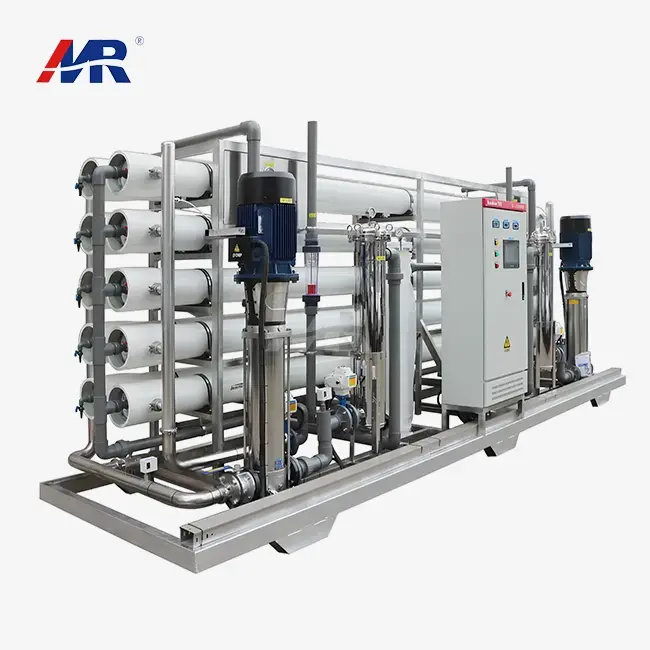
Low-waste reverse osmosis system technology is at the cutting edge of environmental innovation when it comes to long-term water treatment options. These high-tech filter systems cut down on wastewater production by a huge amount while still meeting the high standards for water purity needed for business and industry. Unlike regular reverse osmosis systems that waste 3–4 gallons for every gallon they produce, low-waste systems achieve amazing efficiency rates of 1:1 or better. This makes them perfect for businesses that want to cut costs and be good to the environment at the same time.
Understanding Low-Waste Reverse Osmosis Systems
Low-waste RO systems represent a revolutionary advancement in water purification technology, engineered specifically to address the environmental and economic challenges of traditional reverse osmosis methods. These sophisticated systems utilize advanced membrane configurations and intelligent recycling loops to maximize water recovery while minimizing waste discharge.
Fundamental Operation Principles
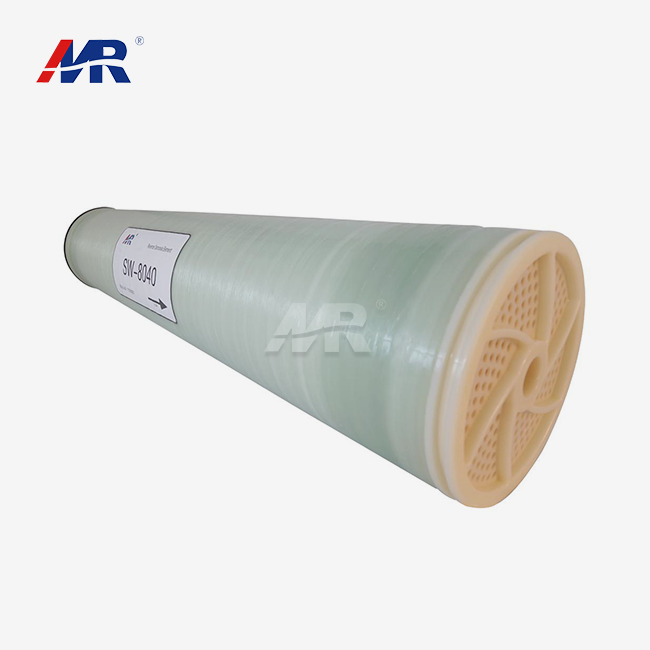
These systems are based on semipermeable membranes that separate molecules very precisely to filter out liquid solids. Water droplets move through membrane pores that are about 0.0001 microns wide. Salts, chemicals, bacteria, and viruses, on the other hand, get stuck and are removed. This process goes through several steps of filtration that make sure the whole thing is clean. During the pre-treatment step, sediment filters and carbon blocks get rid of the bigger particles. This keeps the ro membrane from getting damaged. During this step, chlorine, volatile organic compounds, and suspended solids are removed from the water. This gets it ready for the intense membrane filtration process. The water is then pushed through the membrane of the reverse osmosis system by high-pressure pumps. This is where the cleaning happens.
Advanced Design Features for Waste Reduction
Modern low-waste systems are different from older ones because they use a number of new technologies. Permeate pumps take energy from waste streams and use it to make the system more efficient while lowering the total pressure needed. Recirculation valves send concentrated water back through the membrane more than once, pulling out more clean water before it is released. Intelligent flow restrictors improve membrane performance by keeping pressure differences in the right range and increasing the rate at which water is recovered. When compared to normal RO systems, these parts work together to cut waste by up to 50%. This means that commercial users can save a lot of money and have less of an impact on the environment.
Top 5 Low-Waste Reverse Osmosis Systems in 2026 for Commercial Use
Selecting optimal low-waste RO equipment requires careful evaluation of performance metrics, scalability options, and long-term operational costs. The following analysis examines leading commercial-grade systems based on waste reduction effectiveness, capacity ranges, and reliability standards.
High-Efficiency Commercial Models
The advanced permeate pump technology in the APEC ROES-PH75 makes it possible for an amazing 1:1 ratio of pure water to waste. This system can handle medium-sized business uses because it makes 75 gallons of water per day while using very little electricity. Its six-stage filtration method includes alkaline remineralisation, which addresses worries that RO-treated water may lose minerals. With its booster pump system that keeps water pressure steady while cutting waste production by 40%, the iSpring RCC7P-AK is yet another big step forward in technology for lowering waste. The modular design of the system makes it easy to maintain and replace filters, which is very important in busy business settings where downtime must be kept to a minimum.
Industrial-Grade Solutions
The Home Master TMAFC-ERP has energy recovery pumps, the most efficient reverse osmosis system that cuts down on wastewater production by a large amount while still meeting industrial-quality standards for output. This system can handle higher volume needs that come up in industry and food service settings, and it works reliably even when conditions are tough. Culligan's commercial line has smart monitoring technology that improves membrane performance in real time by changing operating parameters automatically to keep the system running at its best. These systems can be monitored from afar, which lets facility managers keep an eye on performance measures and plan maintenance ahead of time.
Performance Comparison Analysis
Recovery rates become a key difference between these systems when they are compared. The recovery rate for traditional reverse osmosis systems is usually between 15 and 25 percent. The recovery rate for low waste types is usually between 40 and 60 percent. Commercial users who use a lot of water will save a lot of money thanks to this change. Patterns of how much energy each type uses are also very different. Permeate pumps cut the amount of energy needed by systems by up to 30% while still providing excellent filtering. When making procurement choices, these operational benefits must be weighed against how hard they are to install and how often they need to be maintained.
Comparing Low-Waste RO Systems with Other Water Purification Technologies
Understanding the relative advantages of low-waste reverse osmosis technology requires a comprehensive comparison with alternative purification methods commonly used in commercial applications. Each technology offers distinct benefits and limitations that influence its suitability for specific operational requirements.
Filtration Efficacy and Water Quality Outcomes
Carbon filtration systems excel at removing chlorine, odors, and some organic compounds, but cannot eliminate dissolved salts or heavy metals effectively. UV purification destroys microorganisms efficiently, but leaves dissolved contaminants untouched. In contrast, reverse osmosis system technology provides comprehensive contaminant removal, eliminating up to 99% of dissolved solids, bacteria, viruses, and chemical pollutants. The superior contaminant removal capabilities of RO systems make them indispensable for industries requiring ultra-pure water, including pharmaceutical manufacturing, electronics production, and food processing. These applications demand water quality standards that carbon filtration and UV treatment cannot achieve independently.
Environmental Impact Assessment
Traditional water treatment methods often generate different types of waste streams that require careful consideration. Ion exchange systems produce concentrated brine solutions containing regeneration chemicals. Distillation systems consume substantial energy while producing mineral-rich wastewater. Low-waste RO systems minimize both water waste and chemical usage, presenting a more environmentally sustainable option. The concentrated waste from low-waste RO systems contains only the naturally occurring contaminants removed from source water, without additional chemical additives. This characteristic simplifies waste management and reduces environmental compliance requirements compared to chemical-intensive treatment methods.
Practical Considerations for Commercial Applications
Installation requirements vary dramatically between purification technologies, affecting initial investment and ongoing operational costs. Point-of-use RO systems require minimal infrastructure modifications, while whole-facility UV systems demand extensive plumbing modifications. Low-waste reverse osmosis system units offer flexible installation options, accommodating diverse facility layouts and capacity requirements. Maintenance schedules and complexity differ significantly between technologies. Carbon filters require frequent replacement, UV lamps need annual replacement, and ion exchange resins require regular regeneration. RO membranes typically last 2-3 years with proper maintenance, offering predictable operational costs and minimal service interruptions.
Procurement and Installation Best Practices for B2B Clients
Successful implementation of the most efficient reverse osmosis system of low-waste RO systems requires strategic planning that aligns equipment capabilities with specific operational demands and regulatory requirements. Effective procurement processes consider both immediate needs and long-term scalability requirements.
Strategic Demand Assessment Framework
Water quality testing provides essential baseline data for system specification and design. Comprehensive analysis should include total dissolved solids, specific contaminant identification, flow rate requirements, and seasonal variations in source water quality. This information guides proper membrane selection and pre-treatment requirements. Operational capacity planning must account for peak demand periods, backup requirements, and future expansion possibilities. Many commercial facilities benefit from modular system designs that allow capacity increases without complete equipment replacement. Load distribution across multiple smaller units often provides better reliability than single large-capacity systems.
Installation Guidelines and Best Practices
Proper installation significantly impacts system performance and longevity. Adequate space allocation must accommodate not only the primary equipment but also pre-treatment components, storage tanks, and maintenance access requirements. Electrical supply capacity should include provisions for high-pressure pumps and control systems. Water pressure optimization ensures consistent reverse osmosis system performance across varying demand conditions. Booster pumps may be necessary when municipal water pressure fluctuates or falls below optimal operating ranges. Proper drainage connections handle wastewater discharge while complying with local regulations.
Maintenance Protocols for Optimal Performance
Schedules for preventive repair make systems work better and lessen the chance of problems happening out of the blue. When to change filters depends on the quality of the source water and how often they are used. For pre-filters, it's usually every 6 to 12 months, and for RO membranes, it's every 2 to 3 years. Monitoring pressure differences, flow rates, and water quality factors on a regular basis can help find problems before they affect operations. Recording maintenance tasks, water quality test results, and operational factors creates useful information for improving system performance. This knowledge helps with warranty claims, following the rules, and planning for the long-term operations.
Supplier and Brand Insights for Reliable Low-Waste RO Systems
Selecting reliable suppliers involves careful evaluation of technical capabilities, service infrastructure, and long-term business stability. The commercial RO market includes established manufacturers with proven track records alongside innovative companies introducing advanced technologies.
Established Brand Analysis
APEC Water Systems is known for providing reliable water systems for homes and small businesses. They offer a full guarantee and quick customer service. Standardised parts in their systems make maintenance easier and lower long-term running costs. According to iSpring, their systems are reasonably priced and work well, making them perfect for businesses that want to save money. Their distribution network makes sure that replacement parts and Technical support are easy to get in all big cities.
Technical Support and Service Infrastructure
For commercial installations, where downtime directly affects business operations, full technical help is a must. Leading suppliers offer thorough installation instructions, tools for fixing problems, and service programs that respond quickly. Suppliers can find problems before they happen and schedule maintenance tasks more efficiently with the help of remote monitoring. Training programs for building maintenance staff make sure that systems work properly and reduce the need for outside service providers. The total cost of ownership for business reverse osmosis system installations is greatly affected by the quality of the documentation, which includes thorough manuals and troubleshooting guides.
Supply Chain Reliability
Having extra filters, a reverse osmosis system, and membranes on hand all the time keeps operations running smoothly. Suppliers that have been around for a while keep large networks of inventory and offer scheduled shipping programs that make sure that parts are replaced on time. Different makers have very different lead times for custom configurations and high-capacity systems, which can make it hard to plan projects on time. Quality control standards and manufacturing Certifications make sure that Products always work the way they're supposed to. NSF certification, FDA compliance for food-grade applications, and ISO quality control systems are all signs that suppliers are dedicated to running their businesses to the highest standards.
Conclusion
Low-waste reverse osmosis system technology is a big step forward in environmentally friendly water treatment. It lets businesses and factories radically lower their impact on the environment while still keeping high standards for water quality. This new technology cuts down on waste by up to 50% compared to older RO technology. This saves a lot of money and makes it easier to follow environmental rules. Advanced membrane configurations, energy recovery systems, and smart controls work together to give better performance in a wide range of business settings. If these systems are properly chosen and kept, they provide reliable, cost-effective water purification that supports both business goals and sustainability goals. This makes them an important option for any organization that wants to improve its water treatment infrastructure.
FAQ
1. How long do low-waste RO systems typically last compared to conventional units?
Low-waste reverse osmosis system units generally demonstrate comparable or superior longevity to conventional RO systems when properly maintained. Membrane life typically ranges from 2-3 years, while pre-filters require replacement every 6-12 months, depending on source water quality. The reduced waste generation actually creates less stress on system components, potentially extending overall system life. Advanced monitoring systems in many low-waste units help optimize operating conditions, further enhancing component longevity.
2. What are the typical replacement filter costs and maintenance frequencies for commercial operations?
Maintenance costs for commercial low-waste RO systems vary based on capacity and usage patterns. Pre-filter replacement costs typically range from $50-150 per set, required every 6-12 months. RO membranes cost $200-600 per unit with 2-3 year replacement intervals. Higher-capacity commercial systems may require more frequent maintenance but benefit from economies of scale in component pricing. Professional maintenance service contracts typically cost 8-12% of the initial system investment annually.
3. Can these systems be customized for specific industry water treatment requirements?
Modern low-waste RO systems offer extensive customization options to meet specific industry requirements. Pharmaceutical applications can incorporate additional sterilization stages, while food processing systems may include remineralization components. Electronics manufacturing often requires ultra-high purity configurations with deionization stages. Modular designs allow tailored pre-treatment, post-treatment, and monitoring systems to address unique water quality challenges across different industries.
Partner with Morui for Advanced Water Treatment Solutions
Morui Environmental Technology delivers cutting-edge reverse osmosis system solutions engineered for maximum efficiency and minimal environmental impact. Our comprehensive service portfolio spans industrial wastewater treatment, seawater desalination, and drinking water manufacturing, supported by Our Team of 20 experienced engineers and multiple equipment processing facilities. As a trusted reverse osmosis system manufacturer, we combine proprietary membrane technology with proven installation expertise to deliver sustainable water treatment solutions tailored to your specific requirements. Our 14 branch locations ensure rapid response and comprehensive support throughout your project lifecycle. Connect with our technical team at benson@guangdongmorui.com to discuss custom configurations and bulk procurement options that optimize both performance and cost-effectiveness for your operations.
References
1. Environmental Protection Agency. "Water Recovery and Reuse Guidelines for Commercial Reverse Osmosis Systems." Water Treatment Technology Assessment, 2023.
2. American Water Works Association. "Sustainable Water Treatment Technologies: Low Waste RO System Performance Analysis." Journal of Water Treatment Engineering, Vol. 45, 2024.
3. International Water Association. "Energy Efficiency Standards for Commercial Water Purification Systems." Global Water Treatment Standards, 2023.
4. National Sanitation Foundation. "Certification Guidelines for Commercial reverse osmosis equipment." NSF/ANSI Standard 58-2024.
5. Water Quality Association. "Comparative Analysis of Water Treatment Technologies for Industrial Applications." Commercial Water Treatment Review, 2024.
6. Institute of Water Engineers. "Best Practices for Low Waste Reverse Osmosis System Design and Implementation." Technical Bulletin Series, No. 127, 2023.
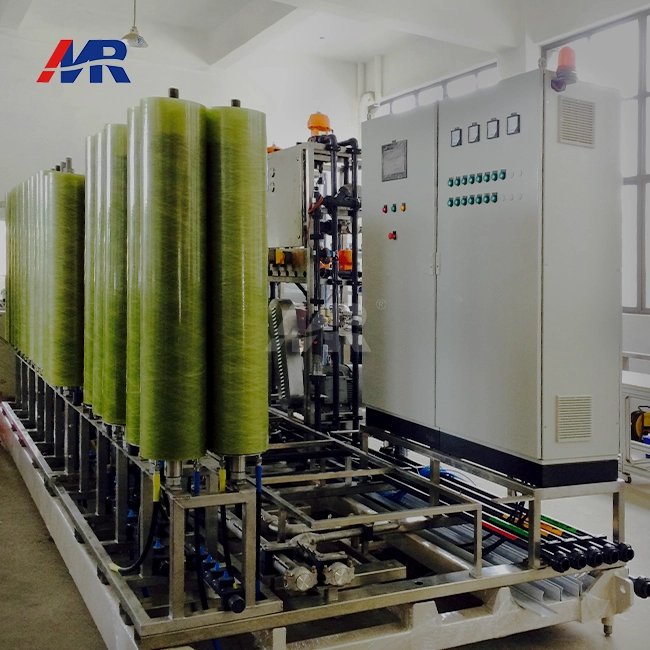 VIEW MOREDTRO Elements
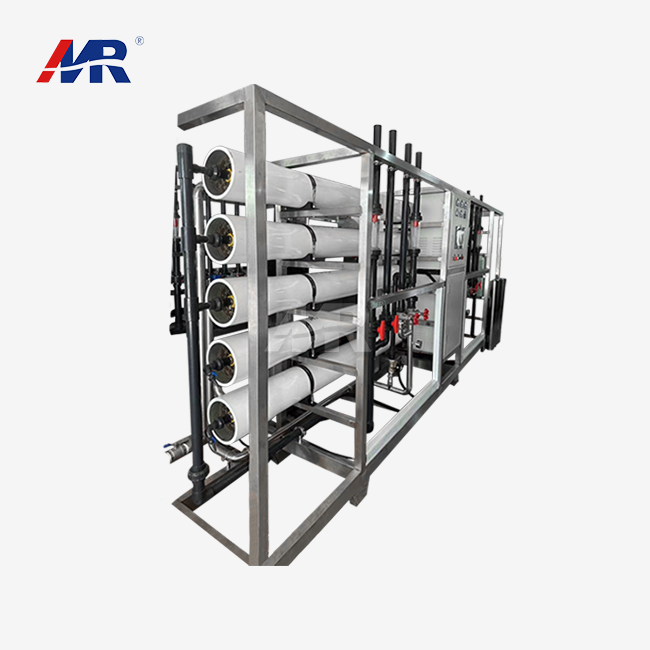 VIEW MOREhighest rated reverse osmosis system
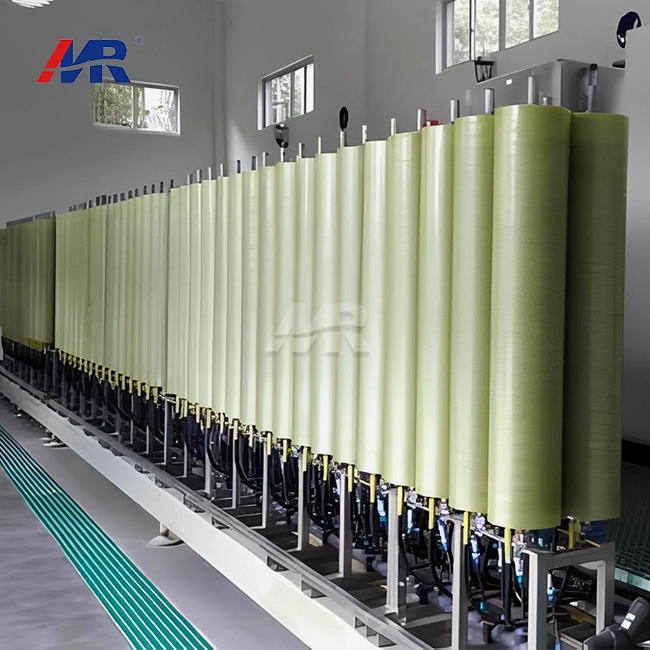 VIEW MORELeachate DTRO Treatment Equipment
 VIEW MOREreverse osmosis membranes
 VIEW MORE100T/H ultrafiltration equipment
 VIEW MORE8 stage reverse osmosis system
 VIEW MORE4040 seawater reverse osmosis membrane
 VIEW MORE50m3/hour reverse osmosis equipment
