

_1745823981883.webp)

What Is a Reverse Osmosis Device and How Does It Purify Your Water?
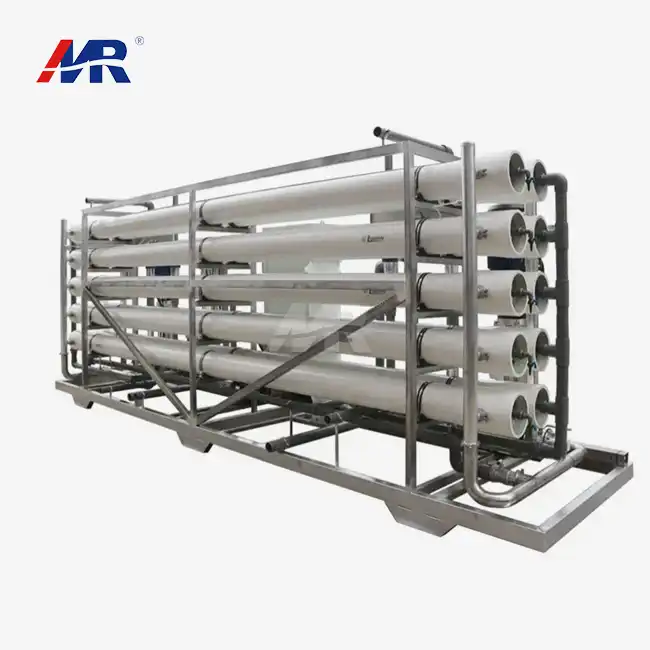
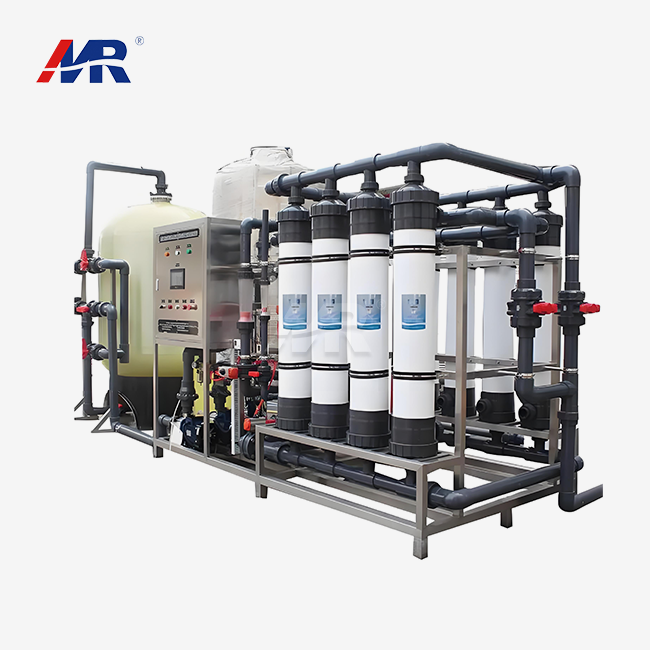
A Reverse Osmosis Device is a high-tech way to clean water that uses semi-permeable filters to get rid of impurities, contaminants, and dissolved salts. Using pressure, this technology pushes water molecules through tiny membrane pores while blocking bigger contaminants. The result is very clean water that can be used in businesses, homes, and cities. Up to 99% of dissolved solids are removed by this process, which makes it necessary for businesses that need high water standards.
Understanding Reverse Osmosis Technology
The science behind Reverse Osmosis Device technology centres on the principle of selective permeability. Water treatment systems utilising this method operate by reversing the natural osmosis process, where pressure forces water through specialised membranes that act as molecular filters. This innovative approach has revolutionised water purification across multiple industries.
Core Components of RO Systems
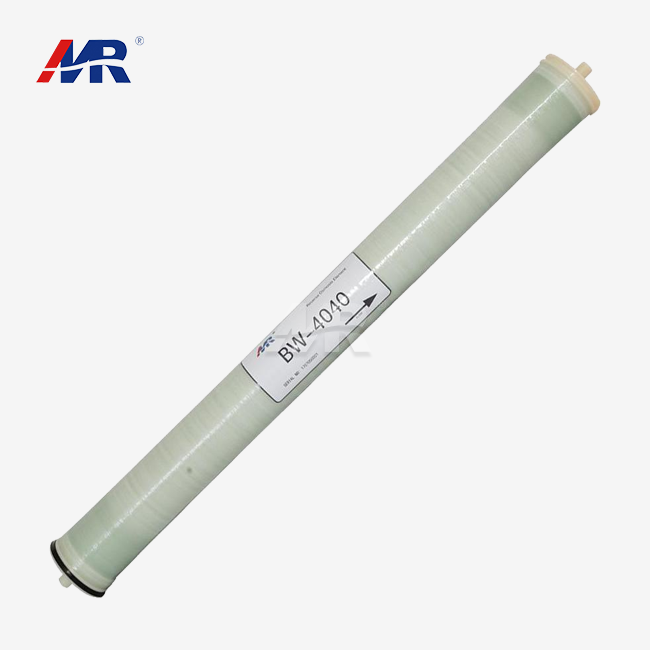
Modern reverse osmosis systems are made up of several important parts that work together. In the pre-filtration steps, bigger particles and chlorine that could hurt the ro membranes are taken out. Carbon filters get rid of chlorine and chemical compounds that change the taste and smell of water, while sediment filters pick up dirt, rust, and other particles in the water. The semipermeable membrane technology is what makes any reverse osmosis device work. There are tiny holes in these membranes that are about 0.0001 microns wide, which is 100,000 times smaller than a human hair. Because it is so precise, it can get rid of bacteria, viruses, heavy metals, and dissolved salts while still letting pure water molecules pass through.
Pressure Systems and Membrane Technology
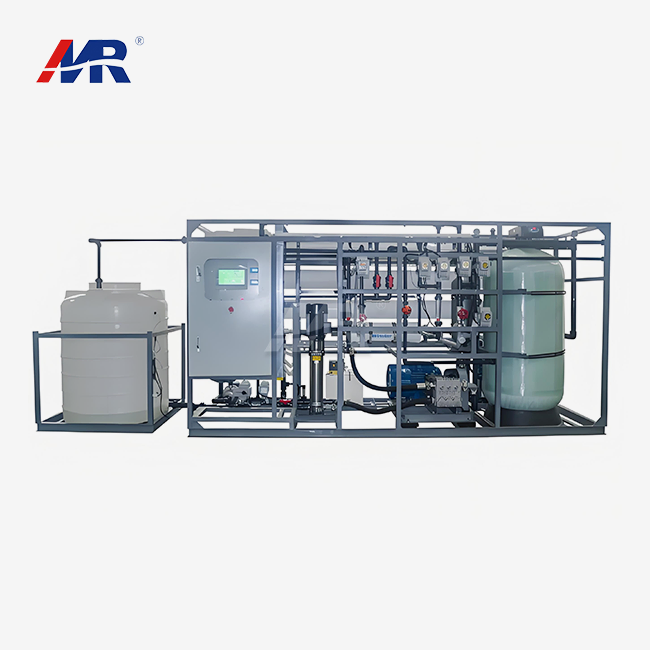
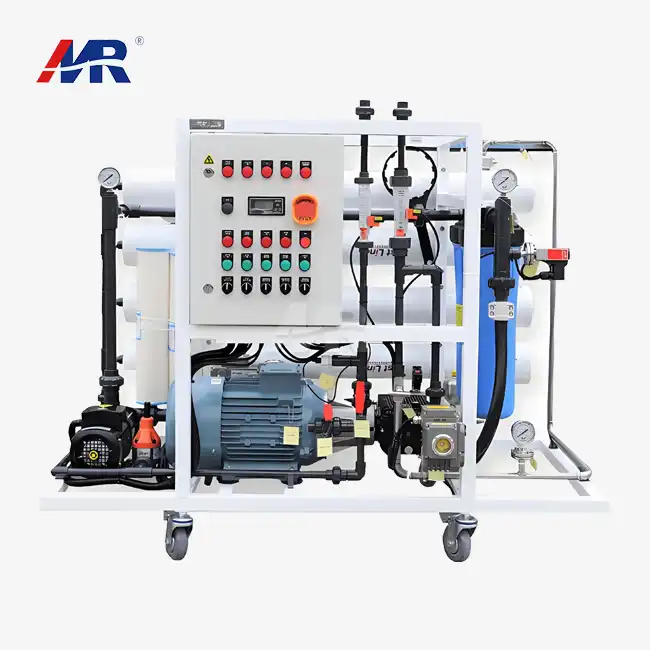
High-pressure pumps generate the force necessary to drive water through RO membranes, typically operating between 150-300 PSI for commercial applications. The pressure requirement varies based on water salinity levels and desired flow rates. Industrial systems often incorporate multiple membrane stages to achieve specific purity standards required for pharmaceutical manufacturing or semiconductor production. Post-filtration components include storage tanks and final polishing filters that ensure consistent water quality. Many systems integrate UV sterilisation or ozone treatment as additional safety measures, particularly in applications where microbial contamination poses significant risks to production processes.
Key Benefits and Maintenance of Reverse Osmosis Devices
Industrial buyers appreciate the comprehensive reverse osmosis device advantages that reverse osmosis technology delivers across diverse applications. Understanding these benefits alongside proper maintenance practices ensures optimal return on investment and sustained operational efficiency.
Operational Advantages for Industrial Applications
Here are the core advantages that make Reverse Osmosis Device systems indispensable for modern industrial operations:
- Exceptional Contaminant Removal: RO technology removes up to 99.9% of dissolved salts, heavy metals, bacteria, and organic compounds, meeting stringent quality standards for pharmaceutical, food processing, and electronics manufacturing.
- Scalable Solutions: Systems range from compact units producing 100 gallons per day to industrial installations generating millions of gallons daily, accommodating everything from laboratory applications to municipal water treatment facilities.
- Energy Efficiency: Modern RO systems incorporate energy recovery devices that can reduce power consumption by up to 60%, making them cost-effective for large-scale operations.
- Consistent Water Quality: Automated monitoring systems maintain stable output parameters, ensuring production processes receive water that meets exact specifications regardless of feed water variations.
These advantages directly address critical operational challenges faced by industries requiring high-purity water. Manufacturing facilities benefit from reduced equipment corrosion and scaling, while food and beverage producers ensure product consistency and extend shelf life through superior water quality.
Maintenance Requirements and Best Practices
Effective maintenance programs maximise system longevity and prevent costly downtime. Regular membrane cleaning schedules depend on feed water quality and operating conditions, typically occurring every 3-6 months for industrial applications. Chemical cleaning removes accumulated scale and biological fouling that reduces membrane performance. Pre-filter replacement intervals range from monthly to quarterly, depending on incoming water quality and system capacity. Carbon filters require more frequent replacement in applications with high chlorine levels, while sediment filters need attention when pressure differentials indicate loading. Monitoring parameters such as permeate flow rates, rejection percentages, and pressure readings provides early warning of potential issues. Automated systems can alert operators to conditions requiring immediate attention, preventing membrane damage and maintaining consistent output quality.
Comparing Reverse Osmosis with Other Water Filtration Solutions
Selecting appropriate water treatment technology requires understanding how different systems address specific contamination challenges. This comparison helps procurement professionals evaluate options based on their operational requirements and budget considerations.
Technology Performance Analysis
Backwards Osmosis Device technology works great for tasks that need to get rid of a lot of contaminants, especially dissolving solids and salts. RO systems physically separate dissolved minerals, heavy metals, and microbes from the water, while carbon filtering mostly deals with taste, odour, and chlorine. Ultraviolet purification devices can kill bacteria and viruses, but they can't get rid of chemicals or dissolved salts. Because of this, UV treatment is good for killing microbes but not good for uses that need demineralised water, like boiler feedwater or making semiconductors. Ultrafiltration devices get rid of bigger particles and some bacteria, but they let salts that have been dissolved through. Because they can selectively remove certain things, UF systems are useful for pre-treatment tasks or when partial purification is enough to meet operating needs without the energy needs of reverse osmosis.
Cost Considerations and Energy Consumption
Different filtration systems use very different amounts of energy. Carbon filter systems only need a small amount of power because they mostly run on line pressure. The lamps in UV systems use a modest amount of electricity, while the high-pressure pumps in Reverse Osmosis Device systems use a lot of electricity. But the costs of energy must be weighed against how well the treatment works. RO systems that make water that is safe for pharmaceutical use may use more energy per gallon than carbon filters, but they don't need any extra steps of treatment to get to the same level of purity. Modern energy recovery systems make it possible for bigger installations to use a lot less power. Consumables like membranes, filters, and chemicals are part of operating costs. With proper care, RO membranes should last two to three years, while carbon filters may need to be replaced every month in high-chlorine environments. The starting cost of the equipment, the amount of energy used, the replacement of consumables, and the need for maintenance should all be included in the total cost of reverse osmosis device ownership calculation.
Procurement Guide for Reverse Osmosis Devices
Successful procurement of water treatment equipment requires careful evaluation of technical specifications, supplier capabilities, and long-term support services. This comprehensive guide addresses key considerations for industrial buyers.
Supplier Evaluation Criteria
Manufacturers with a good reputation show their dedication to quality by getting certificates from groups like NSF International, the Water Quality Association, or ISO standards. These approvals back up claims about how well a product works and make sure it meets health and safety standards. Membranes, pumps, and control systems are usually covered by full warranties from well-known makers. The ability to provide Technical support has a big effect on how well and how long a system works. Suppliers should give thorough instructions on how to install their Products, help with commissioning, and provide ongoing technical support. Local service networks make it easy to get repairs done quickly and keep the costs of downtime to a minimum. The standard of the documentation shows how professional and knowledgeable the manufacturer is in their field. System management works best when there are full operation manuals, maintenance schedules, and troubleshooting tools. By teaching workers the right way to use equipment, training programs improve system performance and make it last longer.
Installation and Commissioning Considerations
Professional installation ensures the Reverse Osmosis Device works well and remains in compliance with the warranty. To build the pipes, make the electrical connections, and set up the control system correctly, you need to know a lot about reverse osmosis technology. If the fitting isn't done right, the membrane could get damaged, the system could work less well, or parts could break early. Before a system is accepted, commissioning processes make sure that it meets certain performance standards. Protocols for testing should confirm flow rates, rejection rates, and water quality factors in real-world settings. Comprehensive approval finds problems before they get in the way of production. As part of the site preparation requirements, there must be enough room for installing equipment, getting to it for maintenance, and connecting utilities. High-pressure pumps and control systems need stable power from the electrical service. Drainage features allow for wastewater streams and repair work to be done without harming the environment.
Conclusion
Technology called the Reverse Osmosis Device is the best way to clean water for industrial use because it can get rid of contaminants better than any other method. These systems provide the steady, high-quality water that modern industrial processes need, from making medicines to making semiconductors. Reverse osmosis technology is a smart investment for businesses that need reliable water treatment solutions because it has many benefits, such as excellent cleaning performance, scalable solutions, and energy-efficient operation. Regulations on water quality are changing all the time, and industrial processes need higher purity standards. Reverse osmosis systems set businesses up for long-term operating success while making sure they meet ever stricter standards.
FAQ
1. How often should RO membranes be replaced in industrial applications?
RO membrane replacement intervals typically range from 2-3 years, depending on feed water quality and operating conditions. Systems processing high-TDS water or operating continuously may require more frequent replacement. Regular monitoring of permeate quality and flow rates provides the best indication of membrane condition.
2. What contaminants can reverse osmosis systems remove effectively?
Reverse osmosis technology removes 95-99% of dissolved salts, heavy metals, bacteria, viruses, and organic compounds. Specific removal rates vary by contaminant size and charge. RO systems excel at removing lead, arsenic, fluoride, nitrates, and other dissolved pollutants that standard filtration cannot address.
3. How does energy consumption compare between different RO system sizes?
Larger RO systems generally operate more efficiently due to economies of scale and energy recovery technology. Industrial systems with energy recovery devices consume 3-6 kWh per 1,000 gallons produced, while smaller systems may require 8-15 kWh per 1,000 gallons without energy recovery capabilities.
Partner with Morui for Your Water Treatment Solutions
Guangdong Morui Environmental Technology stands ready to provide customised reverse osmosis solutions tailored to your specific industrial requirements. Our comprehensive expertise spans seawater desalination, industrial wastewater treatment, and high-purity water production for pharmaceutical and electronics applications. With over 500 dedicated employees, 20 specialised engineers, and our own membrane manufacturing facility, Morui delivers complete water treatment systems backed by professional installation and commissioning services. Our extensive network of 14 branches ensures local support across major markets, while partnerships with leading component manufacturers like Shimge Water Pumps and Runxin Valves guarantee reliable system performance. Contact our technical team at benson@guangdongmorui.com to discuss your Reverse Osmosis Device requirements and discover why leading manufacturers choose Morui as their trusted water treatment supplier.
References
1. World Health Organisation. "Guidelines for Drinking-water Quality: Fourth Edition Incorporating the First Addendum." Geneva: WHO Press, 2017.
2. American Water Works Association. "Reverse Osmosis and Nanofiltration Manual of Water Supply Practices." Denver: AWWA Publications, 2019.
3. Membrane Technology Research Institute. "Industrial Membrane Applications: Performance Standards and Best Practices." Cambridge: MIT Press, 2020.
4. International Desalination Association. "Global Water Reuse Market Analysis and Technology Assessment." London: IDA Publications, 2021.
5. National Science Foundation International. "NSF/ANSI Standards for Water Treatment Equipment Certification." Ann Arbor: NSF International, 2022.
6. Water Quality Association. "Industrial Water Treatment Technology Guide: Reverse Osmosis Applications." Lisle: WQA Technical Publications, 2023.
 VIEW MOREseawater desalination pre-treatment
 VIEW MOREedi water plant
 VIEW MORE8040 seawater reverse osmosis membrane
 VIEW MORE4040 reverse osmosis membrane
 VIEW MOREseawater treatment system
 VIEW MOREwaste water treatment system
 VIEW MORE2m3/hour seawater desalination equipment
 VIEW MOREuf ultrafiltration
