_1745823981883.webp)

When comparing a reverse osmosis system and refining, both are compelling water refinement innovations, but work through diverse forms on a very basic level diverse forms. Switch osmosis leverages a semi-permeable layer to isolate contaminants beneath pressure, successfully expelling up to 99% of broken down solids and debasements. Refining filters water by bubbling it and at that point condensing the steam, clearing out contaminants behind. Understanding their operational components and applications is imperative for businesses looking for ideal water treatment arrangements for fabricating, nourishment and refreshment, pharmaceuticals, and more.

Understanding the Technologies: What Sets Reverse Osmosis Systems and Distillation Apart?
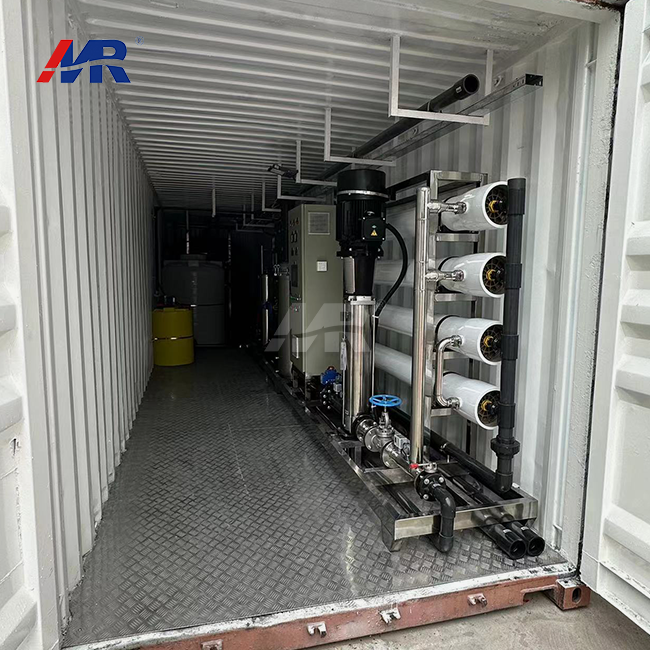
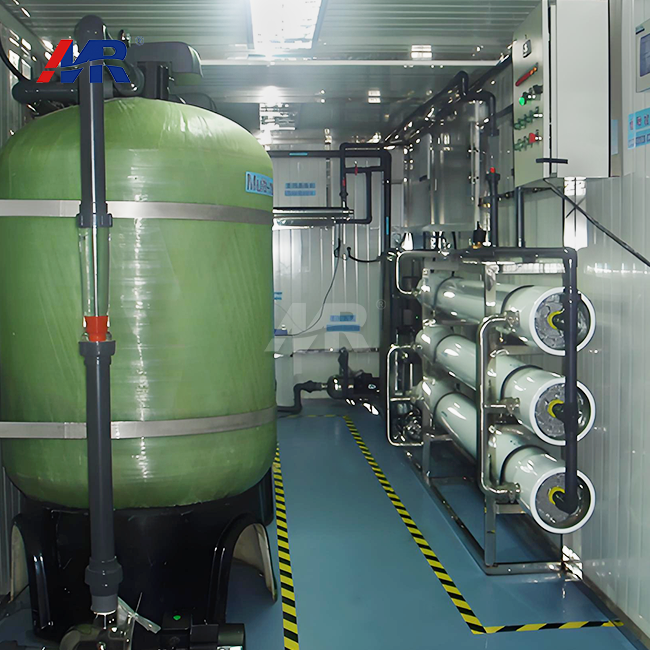
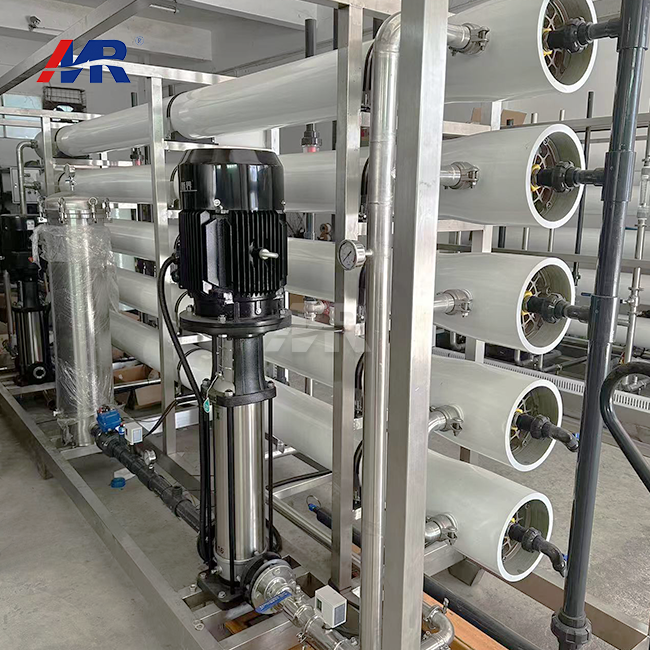
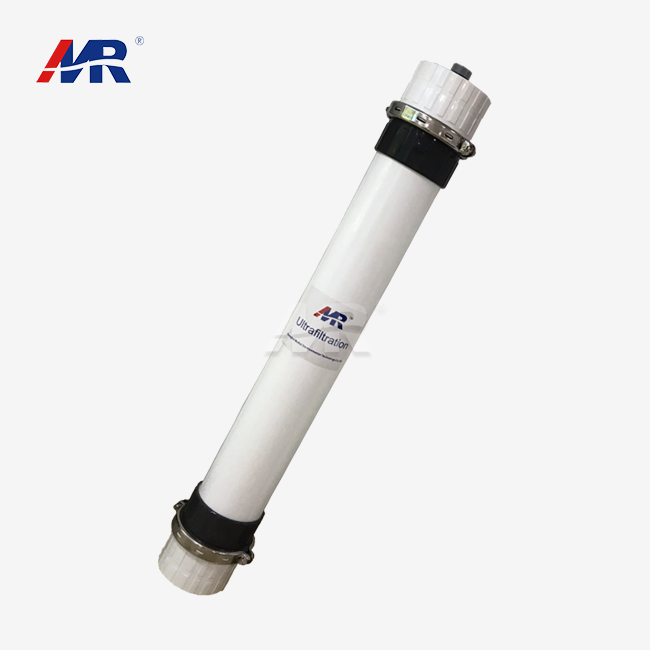
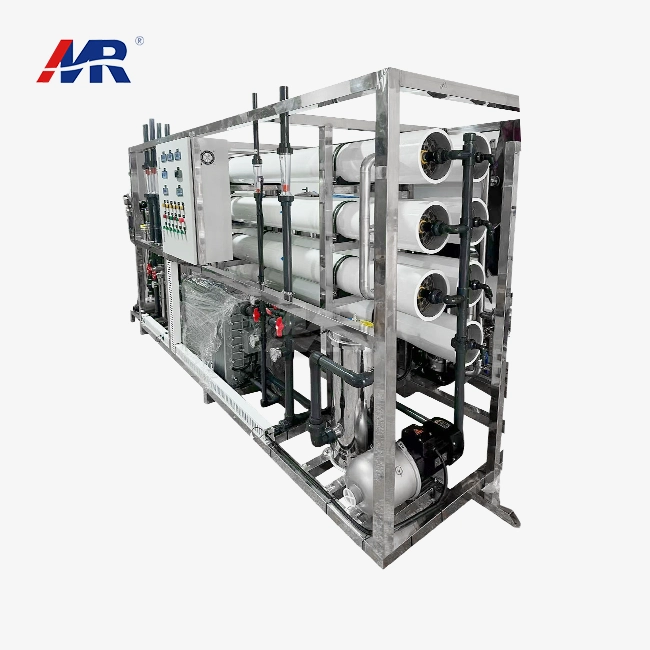
A reverse osmosis system moves water through lean films that let a few things through but not others. The layers halt solutes, salts, and other impurities from passing through while letting clean water pass through. To get around the osmotic weight required for fluid partition to work, weight pumps are utilized. It vanishes when crude water is warmed until it does. At that point, cleaned water made from the condensate is accumulated. This gets freed of most of the salts and natural toxins.
Three core differences between reverse osmosis and distillation include:
- Mechanism: Membrane filtration is what reverse osmosis does, while phase change is what distillation does.
- Energy Consumption: Heating is what makes distillation use more energy, while pressurizing water is what makes reverse osmosis use less energy.
- Operational Waste: Reverse osmosis generates brine as a reject stream; distillation produces minimal concentrated residues.
Following ASTM testing of water, reverse osmosis regularly removes 95–99% of total dissolved solids (TDS). Distillation removes almost all TDS, but some volatile chemicals may be left behind. For better pollution removal with lower ongoing energy costs, a reverse osmosis system is better. In situations where almost all of the solution needs to be removed, regardless of how much energy is used, distillation is the best method.
Pros and Cons of the Reverse Osmosis System
RO is the best way to clean water, according to people who work in business, medicine, and food. For good and low cost, strong reverse osmosis system membrane technology cleans water well, which is helpful.
- Energy-efficient Operation: RO systems typically use 3-6 kWh per 1,000 gallons treated, far less than distillation’s 12-15 kWh.
- Compact and Scalable: Modular designs allow easy scaling from small labs to large municipal plants or heavy industry uses.
- High Retention of Minerals: RO screens get rid of salts, organics, and bacteria, which makes water safe for delicate processes like cleaning semiconductors and making GMP pharmaceuticals.
- Lower Maintenance Costs: Routine membrane cleaning suffices; no boiler maintenance as in distillation.
- Minimal Chemical Usage: Primarily requires pre-treatment chemicals, reducing operational chemical hazards.
- Drawbacks include: The process produces brine waste that requires responsible disposal; membranes are subject to fouling and must be replaced periodically.
You can get rid of contaminants quickly, make operations bigger, and keep the reverse osmosis system in good shape if those are the only things you want from a system.
Pros and Cons of Distillation Technology
Distillation has been used for a long time to make water very clean, and it is often necessary. It does a great job of getting rid of biological toxins, mineral salts, and some organics.
- Highly Effective Purification: Boiling and condensing water yields extremely pure water, removing nearly all dissolved compounds.
- Simple Principle: The well-understood technology requires minimal pretreatment compared to membrane-based systems.
- Resistant to Membrane Fouling: No membranes means fewer operational failures from scaling or biofouling.
- Drawbacks include: High energy needs because of the processes used to heat the water, the large equipment, the slower water output rates, and the movement of dangerous contaminants from one area to another.
Distillation might be better if you want to get rid of all contaminants in a small-scale, high-purity application without having to worry about how much energy you use, while a reverse osmosis system offers another efficient purification option.
Applicable Scenarios of Reverse Osmosis System vs Distillation
Each purification technology suits different sectors according to requirements for purity, volume, energy efficiency, and chemical profiles.
- Manufacturing Industry: Since they clean up well and produce a lot, RO systems are best for making things like electronics and processors that can't handle contaminants.
- Food and Beverage: For small-scale lab processes, distillation is used. RO, on the other hand, makes sure that drinks and bottled water are made with clean water that doesn't change the taste.
- Pharmaceutical & Biotechnology: RO, which is often used with ultrafiltration, cleans water to strict GMP standards. Distillation is used for certain jobs that need very clean water to power important machines.
- Municipal and Water Plants: Large-scale RO systems enable seawater desalination and drinking water upgrades; distillation is rare but employed in emergency water treatment.
- Wastewater Treatment: RO rejects contaminants efficiently and recycles water; distillation may be too energy-intensive.
- Energy and Heavy Industry: RO generates ultrapure boiler feedwater, reducing scaling and corrosion, outperforming distillation in efficiency.
- Medical & Laboratory Use: Traditionally, distillation was used to get clean water for dialysis and sterilization. These days, RO systems are replacing distilling more and more because they are cheaper.
If your company needs a lot of cheap, clean water, a reverse osmosis system can be used for more than one thing. Even though it takes more energy, distillation is a good way to get very clean water on a small scale.
Morui's Advantages in Reverse Osmosis System Solutions
Guangdong Morui Environmental Technology Co., Ltd. specializes in custom water treatment solutions for dealing with garbage from factories and homes, desalinating seawater, and making drinkable water. The perks of our reverse osmosis systems can't be beat:
- In-House Membrane Production: Morui owns its membrane manufacturing plant, ensuring high-quality semi-permeable membranes with superior solute rejection and durability.
- Integrated Equipment Processing: Multiple equipment factories under Morui guarantee seamless component compatibility and optimized system performance.
- Comprehensive Service Network: Fourteen branches and a team of 29 engineers deliver turnkey installation, commissioning, and ongoing support services.
- Advanced Membrane Technology: Our RO systems integrate cutting-edge membrane filtration for effective contaminant removal, including salts, organics, bacteria, and viruses.
- Energy-Efficient Designs: Morui's pressure pump and filtration process innovations reduce operating costs while maintaining high permeate flow.
- Customized Solutions: Expertise across sectors enables us to engineer systems from small-scale setups to large industrial seawater desalination projects.
- Trusted Partnerships: Authorized agents for Shimge Water Pumps, Runxin Valves, and Createc Instruments, ensuring premium auxiliary equipment.
Morui is the best company to work with for clean water solutions because they have reliable, scalable, and efficient reverse osmosis systems and a lot of experience in the field.
Summary of Reverse Osmosis System vs Distillation: Pros and Cons Table
| Feature | Reverse Osmosis System | Distillation |
|---|---|---|
| Purification Mechanism | Membrane filtration via a semi-permeable membrane | Thermal vaporization and condensation |
| Energy Consumption | Moderate (3-6 kWh/1000 gallons) | High (12-15 kWh/1000 gallons) |
| Contaminant Removal Efficiency | 95-99% TDS, broad contaminant removal | Near 100% TDS, some volatile compounds may pass |
| Operational Waste | Produces a brine discard stream | Minimal residue, but heat discharge |
| Scalability | Highly scalable and modular | Limited scalability due to size and energy |
| Maintenance | Membrane cleaning and replacement are needed | Boiler and condenser maintenance required |
| Applicable Industries | Manufacturing, food & beverage, pharma, electronics, municipal, agriculture | Medical, laboratory, niche ultrapure water needs |
Conclusion
Whether a reverse osmosis system or distillation is better relies on the needs of treating the water, the limitations of the business, and the uses in the industry. RO is a scalable, energy-efficient way to clean water that can be used in a wide range of business settings. Distillation can get almost perfect clarity for small-scale, specific needs, but it uses more energy. Reverse osmosis systems will become more useful in fields that care about sustainability, cost-effectiveness, and wide application. Guangdong Morui is a leader in custom, high-performance water purification methods for a wide range of businesses, as a reverse osmosis system factory that has a lot of knowledge and can mix different solutions to make them work better.
Where to Buy a Reverse Osmosis System?
Guangdong Morui Environmental Technology Co., Ltd is the best place to get a solid reverse osmosis system with cutting-edge membrane technology and a capacity that can be changed. We guarantee the best system quality and service with more than 14 offices, a skilled engineering team, and our own membrane production. Contact us at benson@guangdongmorui.com to discuss your specific water treatment needs. Our equipment works perfectly in many fields, such as manufacturing, medicine, food and drink, garbage treatment, and more. Our website, moruiwater.com, has a lot of information about our Products and services.
References
1. American Water Works Association (AWWA) Manual on Water Purification Systems
2. Journal of Membrane Science, "Advances in Reverse Osmosis Membrane Technologies," 2022
3. Water Environment Federation (WEF), "Innovations in Industrial Wastewater Treatment," 2021
4. Pharmaceutical Engineering, "Water Purification Standards and Technologies in Pharma," 2023
5. Desalination Journal, "Energy Consumption Analysis of Distillation vs Reverse Osmosis," 2022
6. Environmental Protection Agency (EPA) Guide on Membrane Filtration and Distillation Processes