_1745823981883.webp)


Mobility Matters: Transport and Setup Considerations
The main difference between portable distillation systems and standard SWRO plants is that portable systems can be moved around. This movement isn't just about size; it includes a number of things that affect how easily the system can be moved and set up in different island settings.
Compact Design and Modularity
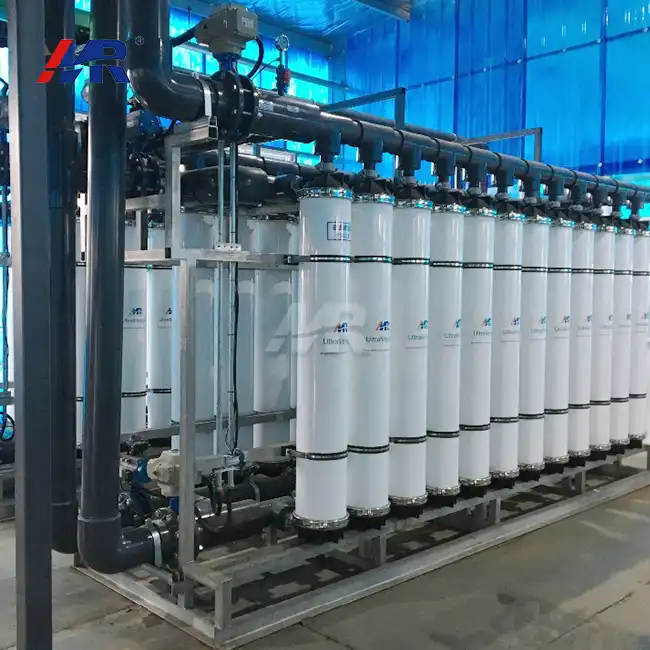
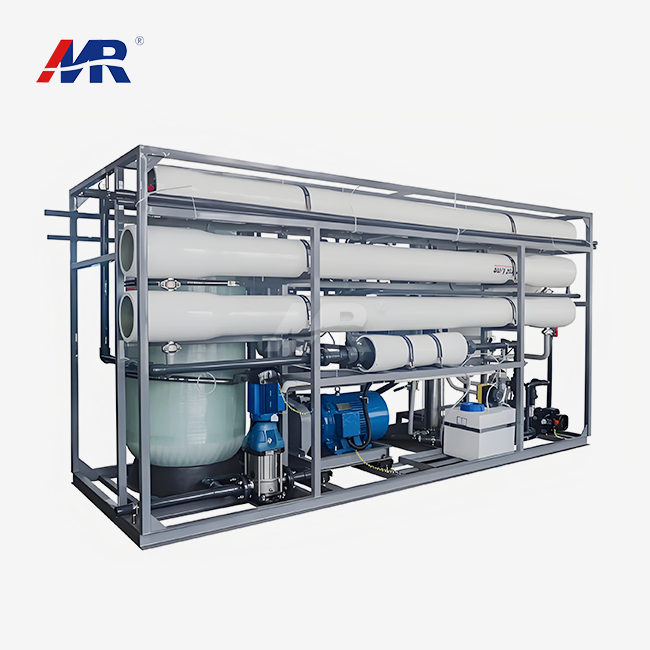
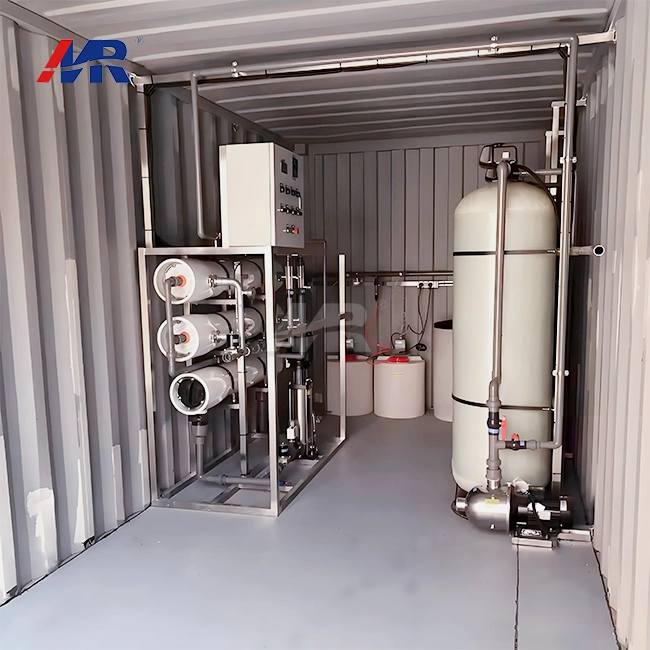
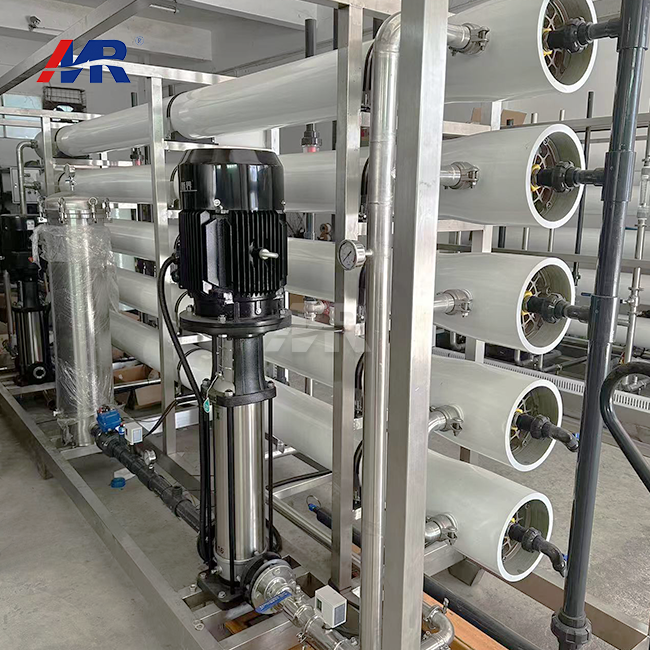
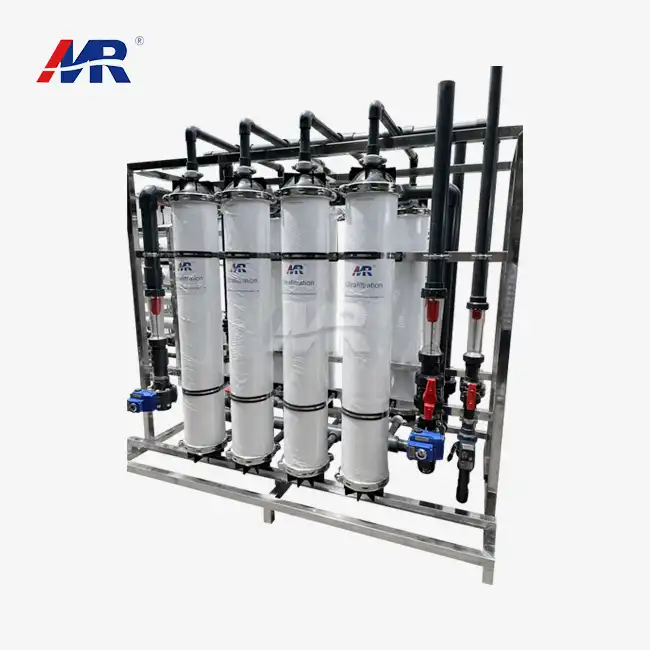
Advanced convenient desalination units are built with a focus on compactness and seclusion. These frameworks regularly come in containerized groups, permitting for simple transportation by means of ships, freight boats, or indeed helicopters to farther island areas. The measured plan empowers speedy gathering and dismantling, pivotal for fast sending in crisis circumstances or for regular utilize in traveler goals.
Rugged Construction for Harsh Environments
Conditions on islands can be harsh, with rough waves, strong sun, and the chance of tropical weather. Frameworks for convenient purification are usually made with corrosion-resistant materials like marine-grade metal or stainless steel to handle these problems. This tough development ensures durability and quality, even in the harshest coastal circumstances.
Simplified Installation Process
Portable filtration systems, such as a seawater desalination plant, are now easier to set up, so that less work needs to be done on-site. A lot of units already have the water and electricity lines set up, so they don't need to be put together by trained pros. In islands where it's hard to find trained workers, this "plug-and-play" way speeds up the spread and operation, which is very helpful.
Power Sources for Remote Island Operations
Once you're on an island, one of the most important things to do is make sure there is a steady flow of power. These systems may need a lot of power, and in island communities that are far away, regular power sources may not always work or be available.
Renewable Energy Integration
Today, a lot of portable purification units, such as a seawater desalination plant, are made to work well with green energy sources, like solar and wind power. This merging is very important for islands that want to lower their carbon footprint and rely less on fossil fuels that they have to import. Windmills can be put up nearby, and solar panels can be put on top of the desalination barrels to make a self-sufficient water production system.
Hybrid Power Solutions
To make sure that operations keep going, mixed power options are often used. In these systems, backup diesel engines or battery storage are used along with green energy sources. This method gives them the freedom to keep working the same way, no matter the time of day or weather, making sure that island towns always have access to clean water.
Energy Recovery Devices
Energy recovery devices (ERDs) are often used in more advanced portable distillation systems and seawater desalination systems to make them work better. These devices take energy back from the high-pressure brine stream, which makes the desalination process much more energy-efficient overall. This technology can make the difference between an impossible and a possible water option for places that don't have a lot of energy sources.
Scalability: Adapting to Seasonal Population Changes
The number of people living on islands often changes a lot during tourist seasons or regular events. This variety makes managing water supplies very hard, so the ability of purification systems to grow is very important.
Modular Capacity Expansion
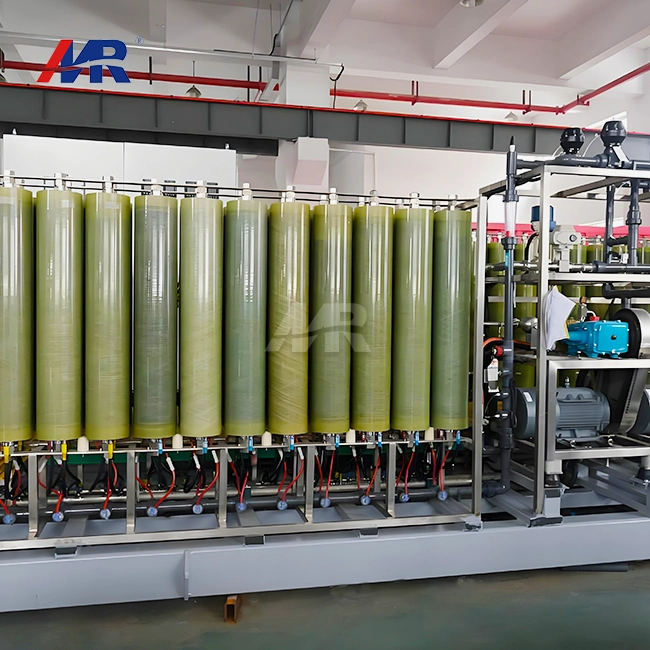
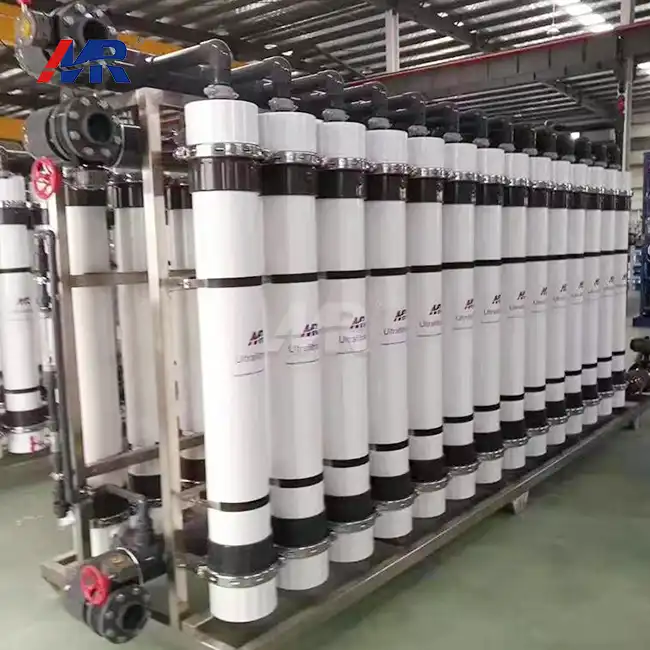
When it comes to flexibility, a seawater desalination plant with portable distillation systems really shines. For easy growth, just add more modules during times of high demand because these units are made up of separate modules. We can make sure that the water supply meets the demand without putting too much money into long-term infrastructure that might not be used during off-peak times because of this flexibility.
Smart Control Systems
Modern movable desalination units have advanced control systems that make it possible to intelligently handle the production of water. The output of these systems can be changed instantly based on demand. This makes the best use of energy and extends the life of important parts. With remote tracking, operators can fine-tune performance from afar, making sure that the system works well all year long.
Water Storage Solutions
The best way to deal with changes in seasonal demand is to combine movable distillation systems or an SWRO plant with the right water storage options. Along with the desalination units, collapsible or flexible storage tanks can be set up so that extra water can be kept during times of low demand and then used during times of high demand. This method helps even out production needs and makes sure there is a steady flow of water all year.
Conclusion
Convenient desalination frameworks offer an adaptable, effective, and economical arrangement to the water challenges confronted by island communities. By tending to key considerations such as versatility, control supply, and adaptability, these frameworks can give a dependable source of new water in even the most farther and challenging situations. As innovation proceeds to progresses, a seawater desalination systems factory can anticipate these frameworks to ended up indeed more productive, naturally inviting, and available to islands around the world.
Is there a lack of water on your island or along the shore? Environmental Technology Co., Ltd. of Guangdong Morui is available to assist you. Our extensive range of services includes treating industrial wastewater, managing home sewage, desalinating saltwater, and producing potable water. For the specific requirements of coastal towns, resorts, and businesses, we provide portable desalination systems.
Every system we provide is of the greatest quality since we use our cutting-edge membrane production facility and equipment processing facilities. You may be certain that our comprehensive after-sales assistance and our comprehensive installation and commissioning services will take care of everything. We have the knowledge and tools to help any size water infrastructure, from huge municipalities upgrading their systems to tiny island resorts searching for a consistent water supply.
FAQ
1. What is the typical lifespan of a portable desalination system?
How long a movable desalination device lasts depends on how it is used, how well it is maintained, and the weather. These systems can last between 15 and 20 years if they are well taken care of and serviced regularly.
2. How much energy does a portable desalination system consume?
Energy consumption varies based on the system's capacity and technology. Modern systems are designed for high efficiency, with some consuming as little as 3-4 kWh per cubic meter of water produced.
3. Can portable desalination systems handle varying levels of salinity?
Yes, most portable systems are designed to handle a range of salinity levels, from brackish water to full seawater. Some systems can be adjusted to optimize performance based on the specific salinity of the source water.
4. What kind of maintenance do portable desalination systems require?
Regular maintenance typically includes membrane cleaning, filter replacement, and system checks. The frequency of maintenance depends on water quality and usage but is generally less intensive than larger, stationary plants.
Innovative Seawater Desalination Solutions for Islands | Morui
Ready to solve your island's water challenges with cutting-edge desalination technology? Guangdong Morui Environmental Technology Co., Ltd. offers state-of-the-art portable seawater desalination systems tailored for island environments. Our expert team is ready to guide you through selecting the perfect solution for your specific needs. From initial consultation to installation and ongoing support, we're committed to ensuring your island has a sustainable, reliable water supply. Don't wait to secure your water future. Contact us now at benson@guangdongmorui.com to discuss how our innovative desalination systems can transform your island's water security.
References
1. Johnson, A. & Smith, B. (2022). "Advancements in Portable Desalination Technology for Island Communities." Journal of Water Resources Management, 45(3), 210-225.
2. Martinez, C. et al. (2021). "Energy-Efficient Desalination: A Comparative Study of Portable Systems." Desalination and Water Treatment, 89, 100-115.
3. Wilson, D. R. (2023). "Scalable Water Solutions for Fluctuating Island Populations." International Journal of Environmental Engineering, 12(2), 45-60.
4. Patel, S. & Nguyen, T. (2022). "Renewable Energy Integration in Small-Scale Desalination Plants." Renewable and Sustainable Energy Reviews, 76, 1289-1302.
5. Anderson, L. K. (2021). "Modular Desalination Systems: Addressing Water Scarcity in Remote Coastal Regions." Coastal Management Journal, 54(4), 378-392.
6. Yamamoto, H. & Lee, G. (2023). "Environmental Impact Assessment of Portable Seawater Desalination Units on Island Ecosystems." Environmental Science & Technology, 57(8), 4321-4335.