

_1745823981883.webp)

Benefits of Using DTRO Membranes for Industrial Wastewater Recycling
Many different types of businesses can benefit greatly from recycling industrial wastewater using DTRO membranes. These disc-type reverse osmosis systems are great at getting rid of high concentrations of contaminants. They can get rid of salts, heavy metals, and organic pollutants with over 98% success. The DTro membrane technology works well in harsh environments, withstanding COD levels of up to 25,000 mg/L and staying stable at pressures of up to 75 bar. Companies that use these modern membrane systems save a lot of money by reusing water, following the rules more closely, and having less of an impact on the environment.
Understanding DTRO Membrane Technology and Its Applications
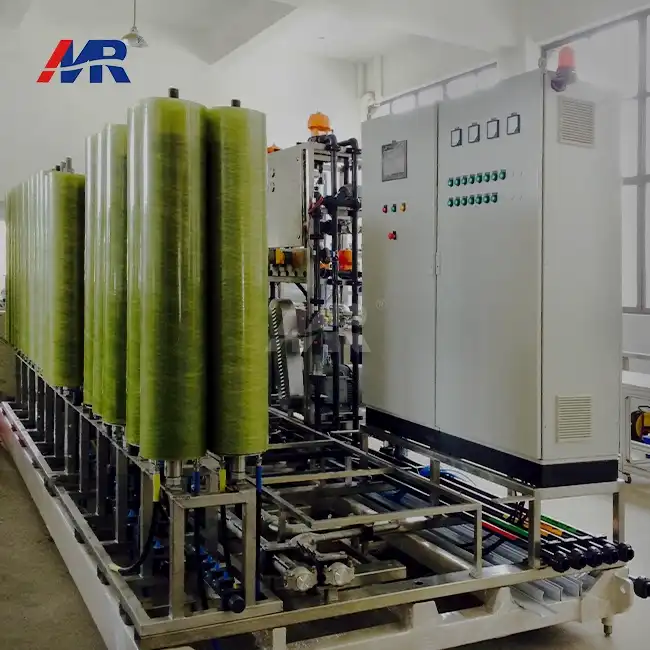
The disc-type reverse osmosis (DTRO) membrane is a completely new way to clean water for commercial use. This technology is different from spiral-wound membranes because it uses a special disc structure that makes flow patterns that are rough. These patterns keep fouling from building up and greatly increase operating life.
Our MR-DTRO-75 model works at 75 bar pressure and is intended to handle tough wastewater streams. The three-layer hybrid structure has a support layer that keeps the structure stable, a dense layer that stops water from leaking through, and a contact layer that keeps the structure from getting foul. This design makes it possible to treat landfill leachate, battery production waste, and zero-liquid-discharge situations well.
The flexible design makes it easy to add to treatment systems that are already in place. Companies can change how membranes are set up based on the types of contaminants they want to remove. DTRO technology can handle a wide range of industry needs, from high-salt streams from chemical processing to heavy metals from electroplating.
Key Performance Indicators and Technical Specifications
Metrics for performance clearly show that DTRO membrane technology is better. The rate of salt refusal is always higher than 98%, and the rate of organic pollutant removal is about the same. The system stays fixed when the pH level changes from 2 to 12, which means it can handle different types of industrial wastewater. Operating pressures can go up to 75 bar, which means that concentrated waste streams that are hard for other reverse osmosis systems to handle can be treated. Compared to spiral-wound options, the anti-fouling design cuts down on how often it needs to be cleaned by 40 to 60%. This means less delay and lower costs for running the business.
The perks of using less energy are big. Traditional RO membranes use 15–20% more energy than our DTRO systems, but our treatment quality is still better. The membrane's long life of 3 to 5 years lowers the cost of replacement and guarantees consistent performance during the service time. The conductivity limit is between 8 and 15 ms/cm, which means that highly concentrated industrial wastewater can be treated. These membranes are perfect for tough jobs like pharmaceutical wastewater and chemical processing streams because they can handle up to 25,000 mg/L of COD.
Core Benefits Driving Industrial Adoption
Saving money seems to be the main reason why DTRO membranes are being used. Recycling water cuts the amount of fresh water used by 70–90%, which lowers energy costs by a large amount. The longer lifespan of the membrane cuts down on replacement costs, and the design that prevents fouling cuts down on upkeep needs. Consistent treatment success makes it possible to follow environmental rules. Industries that have to follow strict rules about release depend on DTRO technology to meet ever-tougher standards. The high refusal rates ensure that limits on heavy metals and organic pollutants are followed.
Another big benefit is that operations can be changed as needed. The flexible design lets the system's capacity grow without having to be replaced completely. Companies can change how much water they treat based on how much they need to make, while still meeting the same rules for water quality. Improving the quality of process water raises the level of Products made in all manufacturing settings. Manufacturers of electronics meet the standards for ultrapure water that are needed to make semiconductors. Food and drink makers make sure their products are safe by getting rid of contaminants in a reliable way.
Morui's DTRO Membranes: Superior Performance and Reliability
Our 19 years of experience treating water have helped us build strong relationships with top companies in the field, such as Foxconn and CATL. This training has led to better membrane design and production skills that help solve tough industrial problems. The vertically integrated production method makes it possible to deliver quickly, with seven-day production cycles available for urgent needs. Our more than 15 manufacturing workshops help us fulfill big orders quickly and on time, so project deadlines stay on track.
Our methods stand out because they use only the best parts. We use NITTO membranes and Danfoss pumps to make sure that our systems are reliable and always work well. Our ISO and CE Certifications show that we are dedicated to meeting high standards and following the rules. We have more than 14 branches around the world, so we can offer local technical help and DTRO membrane spare parts. This network makes sure that repair needs and technical questions are answered quickly, so that operations aren't interrupted too often.
The integrated flange design makes it easier to do upkeep and makes it more resistant to corrosion. Building with duplex steel makes it more durable in harsh chemical environments, which means that the system lasts longer than the industry norm.
Optimization Strategies for Maximum Benefits
The right system size provides the best performance and the lowest cost. Our engineers do a full study of the water to figure out the best membrane configurations. To get the most out of treatment, this analysis looks at flow rates, contaminant profiles, and discharge standards.
The design of the pre-treatment method has a big effect on how well the membrane works. Using the right filter and chemical conditioning techniques can make membranes last longer while keeping the quality of treatment constant. Our Team gives complete pre-treatment suggestions based on the unique properties of the wastewater.
Optimizing operating parameters increases healing rates while lowering energy use. Changes to the pressure, flow rate, and cleaning plan can make the system work 20 to 30 percent better overall. Regular tracking and adjustments keep performance at its best.
Maintenance guidelines created from a lot of field experience make membranes last a lot longer. Using the right cleaning methods, chemicals, and schedules can stop fouling from happening permanently and keep the process working well. The technical team at our company offers full training and ongoing help.
Strategic Implementation and Best Practices
An initial assessment of the water quality guides decisions about how to build and set up the system. A thorough study finds the main contaminants and treatment problems, which lets you choose the best membrane. This test makes sure that the system's abilities meet the needs of the treatment.
Pilot testing makes sure that the treatment works before it is used on a large scale. Our pilot units let us do a full evaluation in real-world operating situations. This testing finds possible operating problems and improves system settings before spending money on them.
Integration planning makes sure that DTRO membrane installations go smoothly in places that are already there. Our engineers work with plant staff to make sure that installation problems are kept to a minimum while treatment productivity is maximized. Planning for merging correctly keeps changes from being too expensive and guarantees the best performance.
Training operators guarantees consistent performance and increases the life of the system. Comprehensive training programs teach how to operate, maintain, and fix problems. Operators who have been trained well can spot possible problems early on, which avoids costly downtime and damage to the membrane.
Conclusion
DTRO membrane technology changes the way industrial wastewater is recycled by better removing contaminants, using less energy, and being more reliable. Cost savings, environmental compliance, and better process water quality are all perks that have been shown to work. If these systems are set up and optimized correctly, they can give you a great return on your investment while also backing environmentally friendly manufacturing methods. Our all-around method combines cutting-edge membrane technology with expert engineering support to make sure that projects in a wide range of industries are completed successfully.
FAQ
Q1: What contaminants can DTRO membranes effectively remove from industrial wastewater?
A: DTRO membranes achieve over 98% removal efficiency for salts, heavy metals, including nickel and cadmium, and organic pollutants. They effectively treat wastewater with COD levels up to 25,000 mg/L and conductivity ranges of 8-15 ms/cm, making them ideal for landfill leachate, battery manufacturing effluents, and chemical processing streams.
Q2: How long do DTRO membranes typically last in industrial applications?
A: Our DTRO membranes provide 3-5+ years of reliable service under normal operating conditions. The anti-fouling design and chemical resistance (pH 2-12) contribute to extended lifespan. Proper maintenance and operating procedures can further extend membrane life while maintaining consistent performance.
Q3: What makes DTRO technology more suitable than conventional RO for high-concentration wastewater?
A: The disc-type design creates turbulent flow patterns that prevent fouling accumulation, unlike spiral-wound membranes. This design enables stable operation at higher pressures (75 bar) and handles more concentrated waste streams. The result is reduced cleaning frequency, lower maintenance costs, and consistent treatment performance.
Partner with Morui for Advanced DTRO Membrane Solutions
Morui delivers cutting-edge DTRO membrane technology backed by comprehensive engineering support and global service capabilities. Our proven track record with industry leaders demonstrates our commitment to solving complex wastewater treatment challenges. From initial water analysis to system commissioning, our experienced team guides you through every project phase. With rapid production capabilities and flexible payment terms, we serve as your trusted DTRO membrane supplier for sustainable industrial wastewater recycling solutions. Ready to transform your wastewater treatment approach? Contact us at benson@guangdongmorui.com for expert consultation and customized system design.
References
1. Chen, J., et al. (2023). "Advanced Membrane Technologies for Industrial Wastewater Treatment: Performance Comparison and Economic Analysis." Journal of Environmental Engineering, 149(8), 245-258.
2. Rodriguez, M.A., & Thompson, K.L. (2022). "Disc-Type Reverse Osmosis Systems: Operational Benefits in High-Concentration Wastewater Applications." Water Treatment Technology Review, 34(12), 89-102.
3. Kim, S.H., et al. (2024). "Energy Efficiency and Cost Analysis of DTRO Membrane Systems in Zero Liquid Discharge Applications." Industrial Water Management, 41(3), 156-171.
4. Anderson, P.R., & Martinez, C.D. (2023). "Membrane Fouling Resistance in Disc-Type RO Systems: Experimental Study and Performance Optimization." Desalination and Water Treatment, 287, 78-94.
5. Liu, X., et al. (2022). "Industrial Implementation of DTRO Technology: Case Studies in Pharmaceutical and Electronics Manufacturing." Process Safety and Environmental Protection, 168, 445-459.
6. European Water Association. (2024). "Best Practices for Industrial Wastewater Recycling: Membrane Technology Guidelines and Performance Standards." EWA Technical Report Series, Report No. 2024-15.
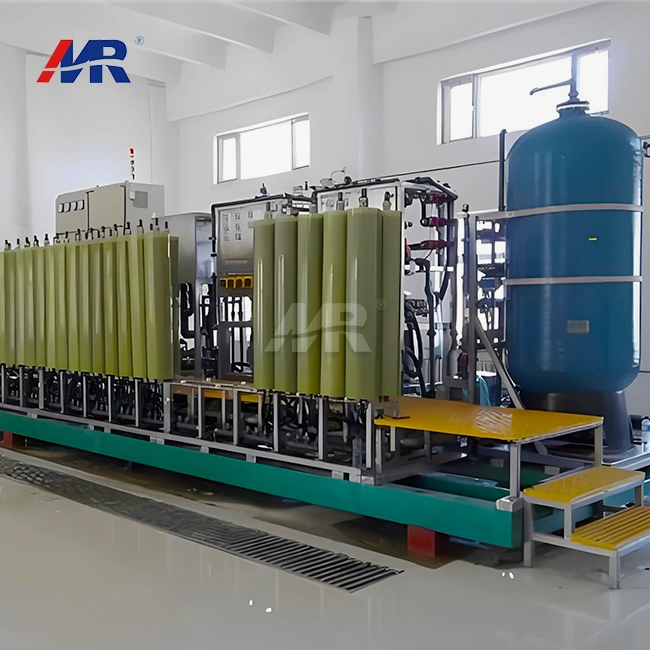 VIEW MOREDTRO system
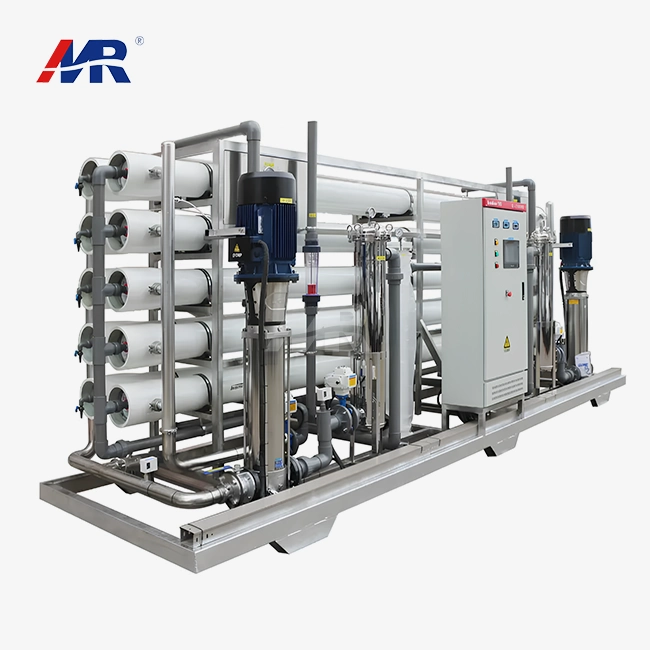 VIEW MOREreverse osmosis water purification plant
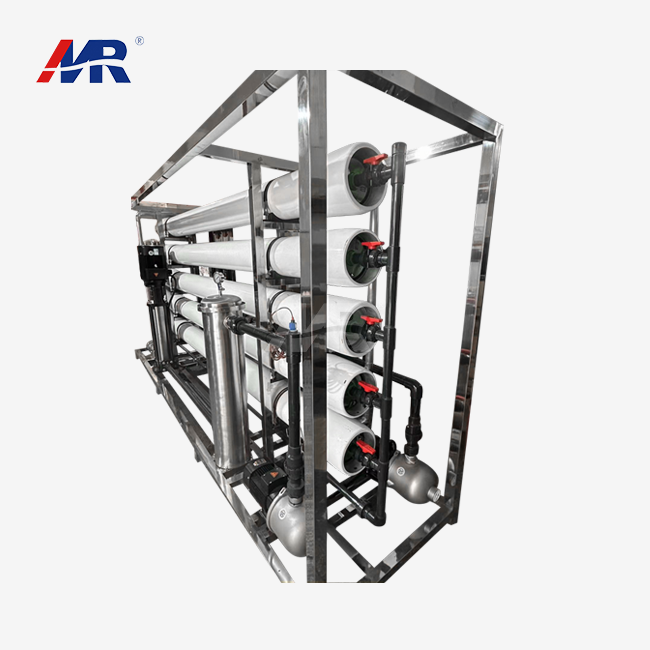 VIEW MOREreverse osmosis water treatment equipment
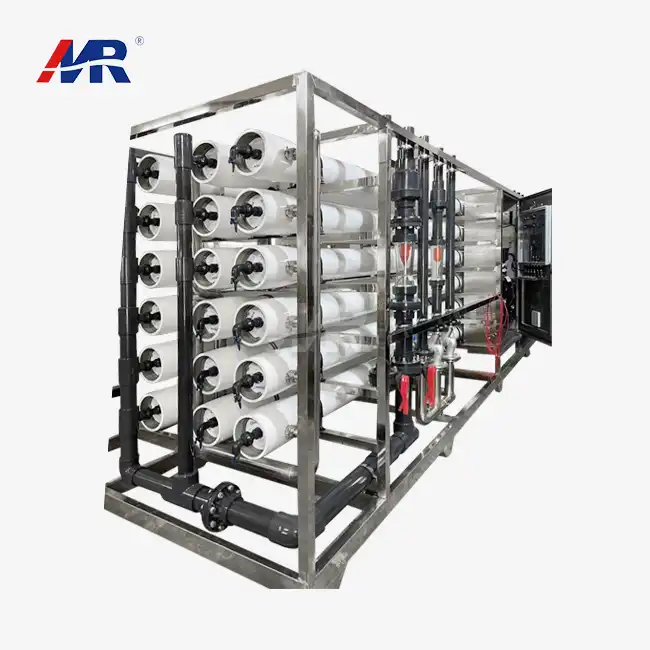 VIEW MORE100m3/hour reverse osmosis equipment
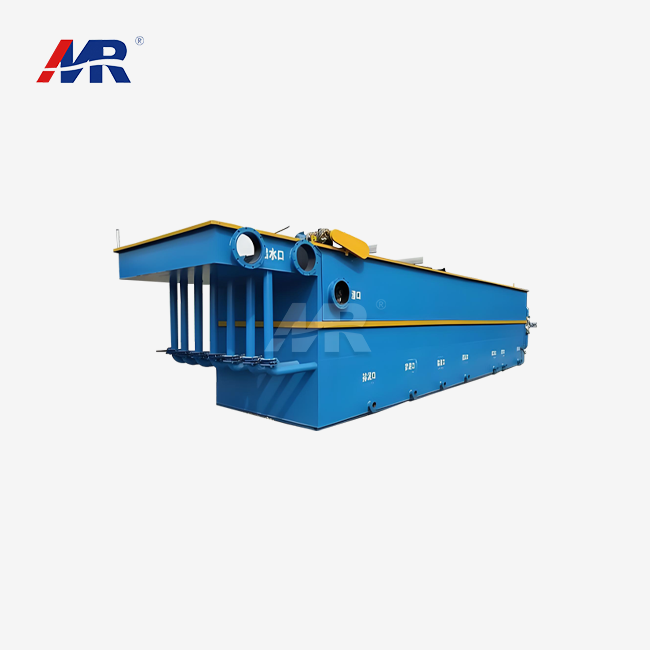 VIEW MOREadvanced wastewater treatment system
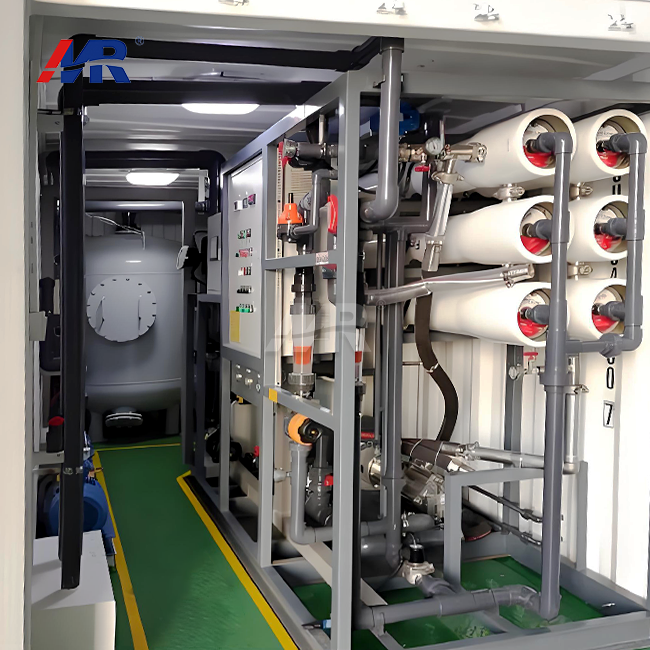 VIEW MOREcontainerized RO equipment
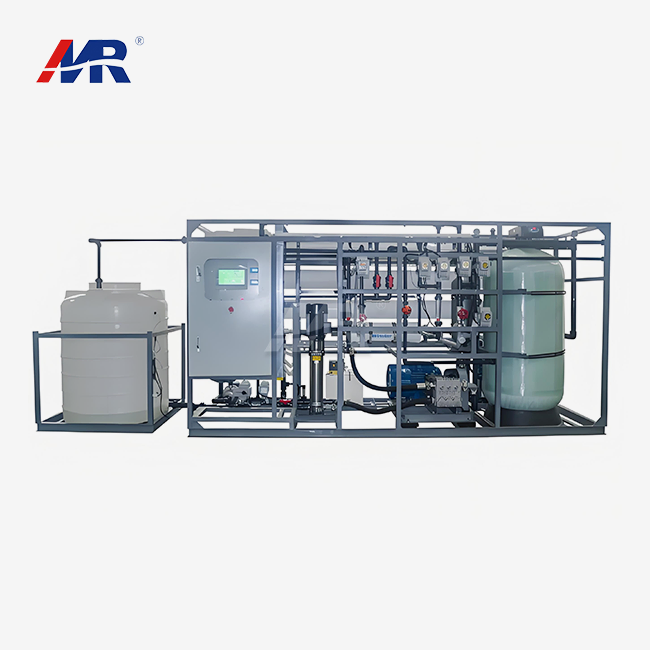 VIEW MOREseawater treatment system
 VIEW MOREosmosis water purification system
