

_1745823981883.webp)

What Is The Difference Between Ultrafiltration Membranes And Nanofiltration Membranes for Water Treatment?
Understanding the distinction between ultrafiltration membranes and nanofiltration membranes is crucial for selecting optimal water treatment solutions. Ultrafiltration membranes for water treatment feature pore sizes of 0.01-0.1 microns, effectively removing bacteria, viruses, and suspended solids while allowing dissolved salts to pass through. Nanofiltration membranes possess smaller pores (0.001-0.01 microns) and can reject divalent ions and larger organic molecules. The primary differences lie in filtration precision, operating pressure requirements, and specific contaminant removal capabilities, making each technology suitable for distinct industrial applications.
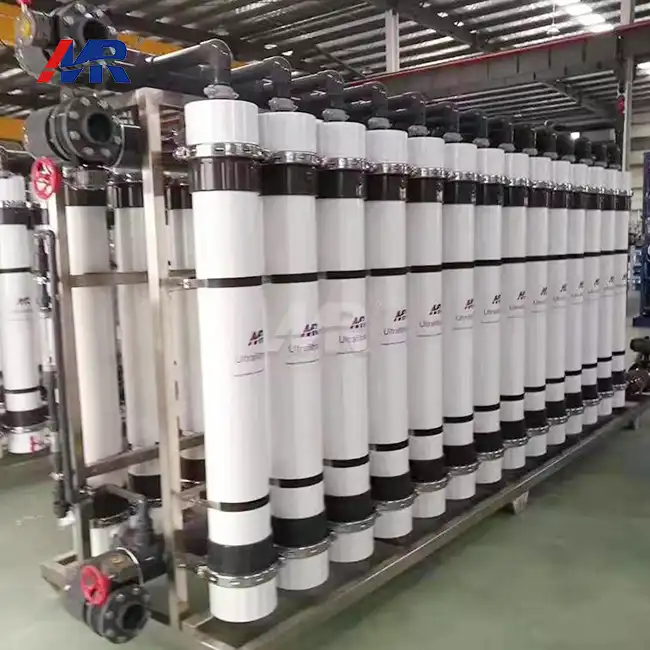
Understanding Membrane Filtration Technology Fundamentals
Membrane technology revolutionizes water purification by creating physical barriers that separate contaminants based on molecular size. These advanced filtration systems utilize semi-permeable membranes that allow water molecules to pass while blocking unwanted substances.
The effectiveness of any membrane system depends on three critical factors:
- Pore size distribution - determines which contaminants get removed
- Surface chemistry - influences fouling resistance and cleaning requirements
- Structural integrity - affects operational lifespan and performance consistency
Membrane filtration operates through size exclusion, where particles larger than the membrane pores cannot pass through. This process ensures reliable contaminant removal without chemical additives, making it environmentally sustainable and cost-effective for various industries.
Modern membrane materials like PVDF and PVC offer enhanced durability and chlorine tolerance. These materials maintain structural integrity under demanding operating conditions while providing consistent filtration performance.
If you need basic particulate removal and bacteria elimination, membrane technology provides an ideal foundation for your water treatment requirements.
Ultrafiltration Membrane Characteristics and Performance
Ultrafiltration systems excel at removing macromolecules, bacteria, viruses, and suspended particles from water sources. These membranes operate at relatively low pressures (0.1-0.3 MPa) while delivering high flux rates up to 150 LMH.
Key performance characteristics include:
- Excellent pathogen clearance is demonstrated by the elimination of 99.9% of bacteria and viruses.
- High recovery rates: up to 95% of water can be recovered.
- Operating costs are decreased via low energy use.
- Greater fouling resistance results in longer cleaning intervals.
- Broad pH tolerance: performs effectively between 2 and 11.
The hollow fiber architecture maximizes surface area in compact module designs. This compact technique reduces the installation footprint while maintaining a high treatment capacity.
Temperature tolerance ranges from 1 to 40°C to accommodate various industrial operations. The robust architecture manages variations in feed water quality without sacrificing performance.
If you need to remove biological pollutants and suspended particles with great dependability and low operating costs, ultrafiltration technology offers the best results.
Nanofiltration Membrane Properties and Applications
Reverse osmosis and ultrafiltration are separated by nanofiltration. While monovalent salts can partially pass through these membranes, divalent ions, organic compounds, and chemicals that cause color are selectively removed.
The normal operating pressure range is between 0.5 and 2.0 MPa, which is lower than reverse osmosis but greater than ultrafiltration. This modest pressure demand strikes a balance between improved pollutant removal capabilities and energy economy.
Nanofiltration excels in these applications:
- Water softening removes calcium and magnesium ions.
- Color reduction: eliminates organic dyes and pigments
- Elimination of pesticides: filters contaminants from farming
- Pharmaceutical purification: concentrates active ingredients
The selective permeability eliminates troublesome divalent species while preserving beneficial monovalent salts. This trait is very useful in pharmaceutical and food processing applications.
Stable salt rejection rates are maintained while organic fouling is prevented by ultrafiltration membranes for water treatment materials intended for nanofiltration. Frequent cleaning procedures prolong the operational life of membranes and maintain their performance.
Nanofiltration technology provides accurate separation capabilities if you require organic compound filtration and selective ion removal while keeping valuable minerals.
Technical Comparison: Pore Size and Filtration Precision
The pore size distribution and consequent filtration capacities are the primary distinction between various membrane systems. Which contaminants each system may successfully remove depends on this distinction.
Ultrafiltration Specifications:
- Pore size: 0.01-0.1 microns
- Molecular weight cutoff: 1,000-100,000 Daltons
- Removal efficiency: >99.9% for particles >0.01 microns
- Salt passage: Nearly 100% (minimal salt rejection)
Nanofiltration Specifications:
- Pore size: 0.001-0.01 microns
- Molecular weight cutoff: 200-1,000 Daltons
- Removal efficiency: 85-95% for divalent salts
- Selective permeability: Allows monovalent ion passage
According to test results, bacteria (typical size 0.2-5 microns) and viruses (0.02-0.3 microns) are consistently removed by ultrafiltration. Laboratory studies show 6-log lowering levels for common infections including E. coli and coliphage. Coli.
Research on nanofiltration reveals that 90–95% of calcium sulfate and magnesium chloride are rejected, whereas 10–20% of sodium chloride can get through. The water chemistry can be accurately controlled thanks to this selectivity.
When complete pathogen removal without salt rejection is needed, ultrafiltration membranes provide the greatest results for water treatment. If you need to selectively remove salt and filter organic components, nanofiltration works better.
Operating Pressure and Energy Consumption Analysis
Energy efficiency significantly impacts long-term operational costs and system sustainability. Understanding pressure requirements helps optimize system design and minimize energy consumption.
Ultrafiltration systems operate efficiently at low transmembrane pressures:
- Operating range: 0.1-0.3 MPa (14.5-43.5 psi)
- Energy consumption: 0.1-0.2 kWh per cubic meter
- Pump requirements: Low-pressure centrifugal pumps are sufficient
Nanofiltration requires moderate pressure levels:
- Operating range: 0.5-2.0 MPa (72.5-290 psi)
- Energy consumption: 0.5-1.5 kWh per cubic meter
- Pump requirements: High-pressure multistage pumps are necessary
Energy expenses are directly impacted by the pressure differential. When compared to nanofiltration installations of comparable capacity, ultrafiltration systems use about 70–80% less energy.
Over time, pressure requirements for water treatment fouling are impacted by ultrafiltration membranes. Superior fouling resistance in ultrafiltration membranes prolongs stable pressure conditions and minimizes variations in energy use.
Energy efficiency is also influenced by recovery rates. While nanofiltration usually runs at 75–85% recovery to avoid scaling, ultrafiltration reaches 95% recovery with no energy penalty.
Ultrafiltration systems offer significant benefits if energy efficiency and low running costs are your top priorities. Nanofiltration offers better contamination removal if you need improved separation capabilities and can handle increased energy consumption.
Contaminant Removal Capabilities and Efficiency
Understanding specific removal capabilities guides appropriate technology selection based on feed water characteristics and treatment objectives. Each membrane type excels at removing particular contaminant categories.
Ultrafiltration Removal Efficiency:
- Suspended solids: >99% removal of particles >0.01 microns
- Bacteria: 6-log reduction (>99.9999% removal)
- Viruses: 4-log reduction (>99.99% removal)
- Turbidity: Reduces to <0.1 NTU consistently
- Macromolecules: Remove proteins and polysaccharides effectively
Nanofiltration Removal Efficiency:
- Divalent salts: 85-95% rejection of Ca²⁺, Mg²⁺, SO₄²⁻
- Organic compounds: 90-99% removal of pesticides and herbicides
- Color compounds: >95% reduction of natural organic matter
- Hardness: 80-90% calcium and magnesium reduction
- Micropollutants: Effective pharmaceutical and hormone removal
Testing in laboratories demonstrates that ultrafiltration membranes for water treatment continue to function consistently under a range of feed water conditions. Regardless of variations in chemical composition, the physical separation method is dependable.
Water chemistry, especially ionic strength and pH levels, affects nanofiltration performance. Because of the effects of membrane charge screening, higher salt concentrations can decrease rejection efficiency.
Ultrafiltration produces consistent results if you require dependable pathogen and particle removal with little performance variance. Nanofiltration provides improved selectivity if you can control variable performance parameters and need to remove certain dissolved pollutants.
Industrial Applications and Suitability Assessment
Different industries require specific water quality standards, making technology selection critical for regulatory compliance and operational success. Understanding application-specific requirements guides optimal membrane choice.
Ultrafiltration Applications:
- Pharmaceuticals are manufactured using GMP-compliant water.
- Water processing is guaranteed by food and drink.
- Municipal treatment: Provides reliable disinfection of drinking water
- Wastewater treatment: A part of MBR for biological treatment
- The electronics industry provides pretreatment for systems that need ultrapure water.
Nanofiltration Applications:
- Water softening reduces the minerals in boiler feed water that lead to scale.
- Agricultural irrigation removes pesticide residues from recycled water.
- Textile industry: Eliminates dyes and contaminants from process wastewater
- Pharmaceutical concentrations are the concentrations of active medicinal ingredients.
- Groundwater treatment addresses naturally occurring organic pollution.
In order to avoid membrane fouling, the electronics sector needs ultrafiltration as a reverse osmosis pretreatment. This combined strategy increases membrane longevity and optimizes system efficiency.
Nanofiltration is used in power plants to remove minerals selectively while maintaining alkalinity balance. This method increases boiler efficiency while lowering the need for chemical dosing.
Ultrafiltration membranes for water treatment systems offer the best solutions if you work in an industry that needs pathogen-free water with no chemical modification. Nanofiltration technology provides the best results when you need to remove contaminants selectively while maintaining the healthy components of your water.
Cost Analysis and Economic Considerations
Economic factors heavily influence membrane technology selection, encompassing initial investment, operational expenses, and long-term maintenance requirements. Understanding total cost of ownership enables informed decision-making.
Initial Investment Comparison:
- Ultrafiltration systems have reduced capital costs since they require fewer pumps.
- Membrane modules: Comparable cost and treatment capacity
- Support equipment: Ultrafiltration requires less complex equipment.
- Installation costs: Less complexity leads to lower installation costs.
Operational Cost Analysis:
- Energy usage: Every year, ultrafiltration consumes 60–80% less energy.
- Chemical usage: Very little chemical is needed in either system.
- Replacement durations for membranes are similar (usually three to five years).
- Labor requirements: Similar demands for upkeep and observation
Over ten years of operation, ultrafiltration membranes for water treatment systems show a 20–30% lower total cost of ownership. The main savings come from easier system maintenance and lower energy usage.
Higher operating expenses are justified by nanofiltration systems' improved product water quality and less need for downstream treatment. Additional treatment steps are not required because of the selective separation capabilities.
Ultrafiltration systems offer exceptional economic benefit if you prioritize lowering operating costs while meeting fundamental water quality standards. Nanofiltration technology offers superior overall value if improved water quality justifies higher operating costs and results in downstream savings.
Maintenance Requirements and Operational Considerations
Successful membrane system operation depends on proper maintenance protocols and operational optimization. Understanding maintenance requirements ensures reliable performance and maximizes membrane lifespan.
Ultrafiltration Maintenance:
- Backwashing occurs automatically every 30 to 60 minutes.
- Chemical cleaning: regularly to quarterly, depending on feed water
- Membrane inspection: Integrity testing should be carried out every three months.
- The robust construction results in a low spare part inventory.
Nanofiltration Maintenance:
- Chemical cleaning cycles are performed every two weeks to once a month.
- Pressure monitoring: Continuous monitoring prevents membrane degradation.
- To prevent scale, anti-scalant dosing methods are required.
- Performance tracking: Monitoring flow and rejection frequently is essential.
Excellent fouling resistance, longer cleaning intervals, and lower chemical use are characteristics of ultrafiltration membranes used in water treatment. The hollow fiber construction makes backwashing for fouling removal more efficient.
Because of their selective separation processes and greater working pressures, nanofiltration systems require more frequent maintenance. In order to avoid irreparable membrane damage, proper pretreatment becomes essential.
Technology-specific training requirements vary. While nanofiltration requires more advanced operating knowledge, ultrafiltration devices function dependably with less operator training.
Ultrafiltration systems offer great serviceability if you want little maintenance complexity and strong operational dependability. Nanofiltration provides better water quality control if you can handle more rigorous maintenance needs for improved treatment capabilities.
Conclusion
The choice between ultrafiltration and nanofiltration membranes is influenced by pollutant characteristics, economic considerations, and specific water quality objectives. Because ultrafiltration is so efficient at eliminating germs and filtering particles while consuming minimal energy, it is ideal for biological safety applications. Nanofiltration provides organic compound filtration and selective ion removal, although it requires higher working pressures. Understanding these fundamental differences enables informed technology selection for sustainable water management systems that maximize treatment efficacy while reducing operational costs.
Morui's Advanced Ultrafiltration Membranes for Water Treatment Solutions
As a top producer of ultrafiltration membranes for water treatment, Guangdong Morui Environmental Technology offers state-of-the-art membrane solutions for a variety of sectors. With more than 500 workers, 20 skilled engineers, and 14 locations across the globe, Morui blends superior manufacturing with extensive technical assistance.
The excellent specifications of our ultrafiltration membrane systems surpass industry norms. The PVDF/PVC hollow fiber membranes maintain a 95% recovery efficiency while achieving remarkable flux rates of up to 150 LMH. By extending operating intervals, advanced fouling resistance dramatically lowers maintenance expenses.
Dedicated membrane production facilities and many equipment processing centers are among Morui's manufacturing capabilities. For ultrafiltration membranes for water treatment provider relationships, this vertical integration guarantees reliable quality control and affordable prices.
Connect with our technical team at benson@guangdongmorui.com to discuss your specific water treatment requirements and discover how our proven membrane technology solutions deliver measurable results for your operation.
References
1. Baker, R.W. "Membrane Technology and Applications: Industrial Water Treatment Systems." Water Science and Technology Journal, Vol. 45, No. 8, 2023.
2. Cheryan, M. "Ultrafiltration and Microfiltration Handbook: Principles and Applications in Water Treatment." Membrane Technology Research Institute, 2nd Edition, 2022.
3. Hilal, N., Al-Zoubi, H., Darwish, N.A. "Nanofiltration Membranes: Performance and Characterization in Industrial Applications." Desalination and Water Treatment, Vol. 87, 2023.
4. Pankratz, T. "Water Technology Buyers' Guide: Membrane Filtration Systems Comparison." Water Technology Magazine, Annual Edition, 2023.
5. Singh, R. "Membrane Technology and Engineering for Water Purification: Application, Systems Design and Operation." Industrial Water and Engineering Press, 3rd Edition, 2023.
6. Zularisam, A.W., Ismail, A.F., Salim, R. "Comparative Performance Analysis of Ultrafiltration and Nanofiltration Membranes." Water Research and Technology, Vol. 12, No. 4, 2023.
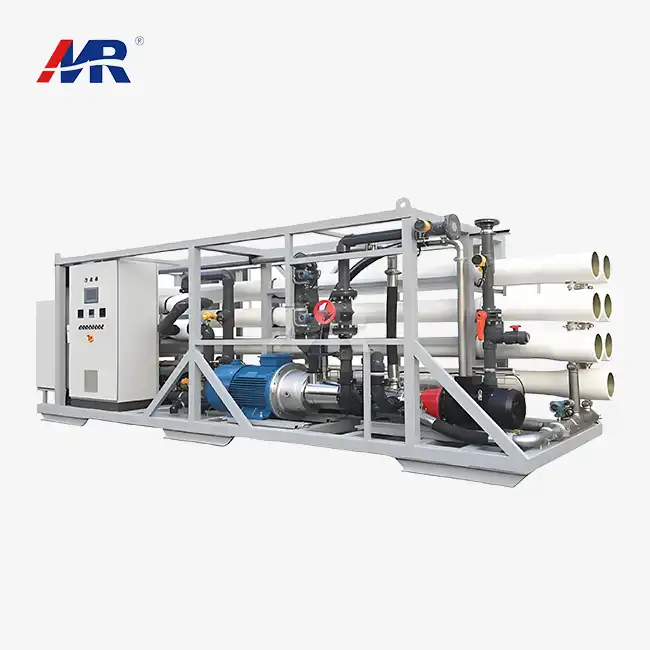 VIEW MORE20m3/hour seawater desalination equipment
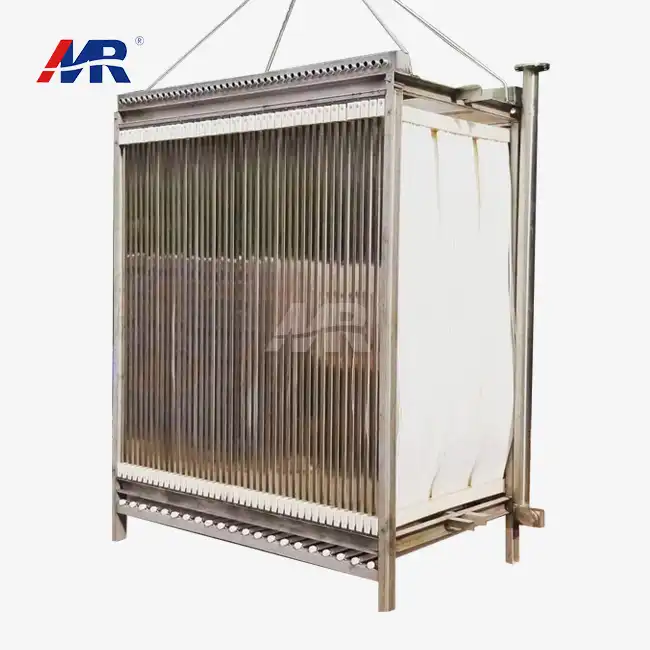 VIEW MOREmembrane bioreactor
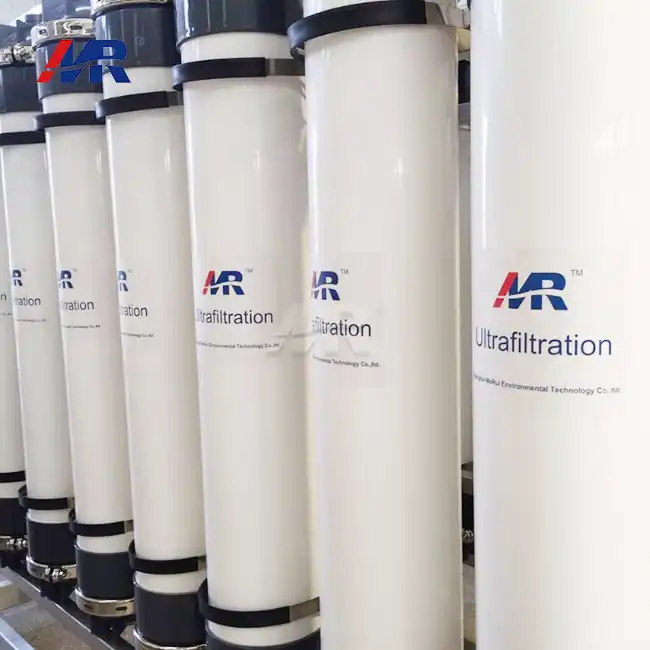 VIEW MORE90T/H ultrafiltration equipment
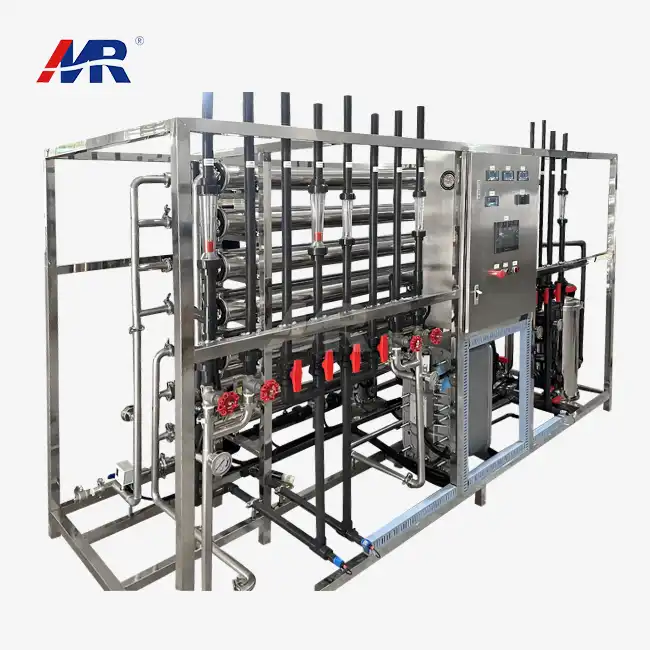 VIEW MORE2m3/hour EDI system
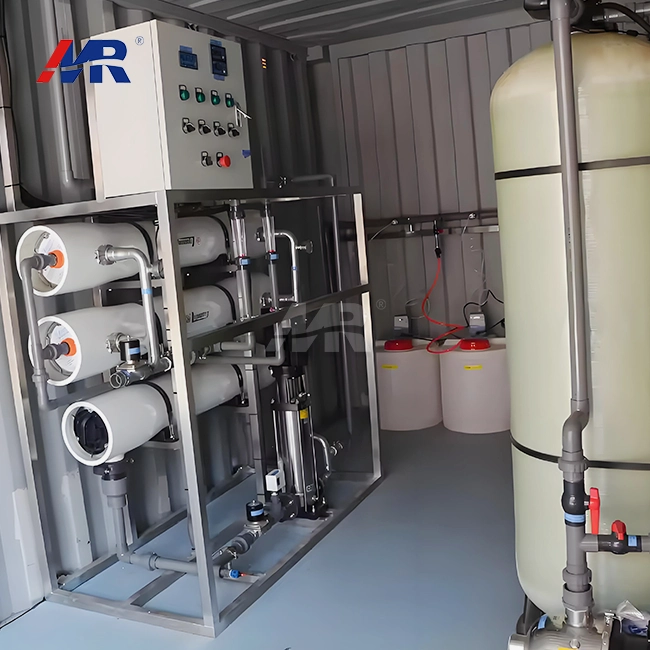 VIEW MOREcontainerized reverse osmosis system
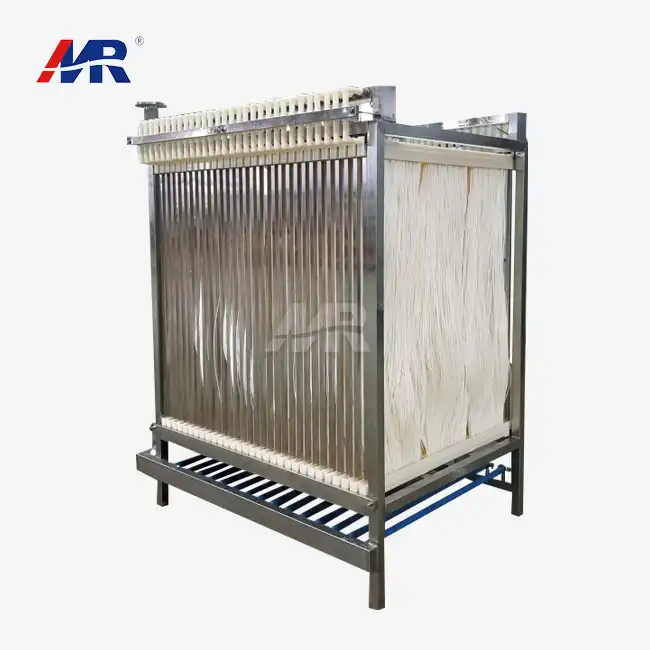 VIEW MOREmembrane mbr
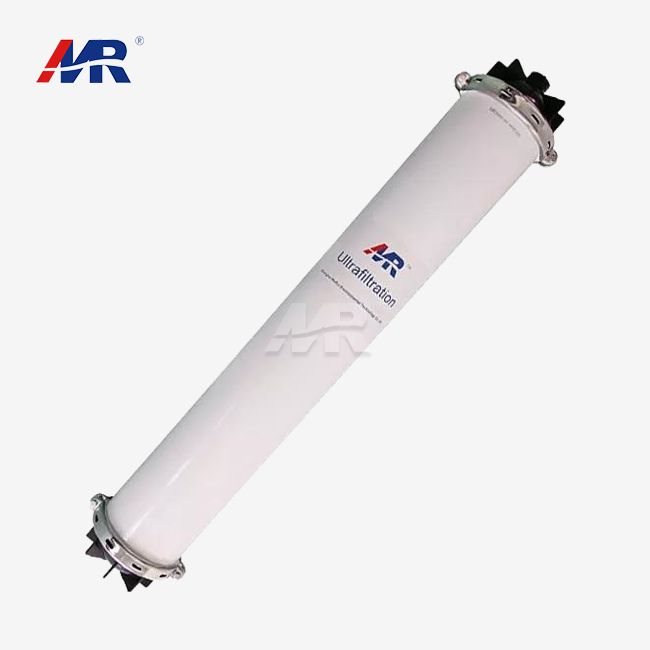 VIEW MOREultrafiltration membranes for water treatment
 VIEW MOREseawater desalination equipment
