

_1745823981883.webp)

Top Ultrafiltration Membrane for Wastewater Treatment Uses in 2026
We are now in the year 2026, and the membrane/ultrafiltration-membrane-for-wastewater-treatment">ultrafiltration membrane for wastewater treatment is still changing the way businesses and cities clean wastewater. These high-tech membrane systems remove contaminants better and more cheaply than others in a wide range of situations. Ultrafiltration technology meets important water quality needs through exact membrane separation processes in a wide range of settings, from making medicines to treating wastewater for cities. As the need for long-lasting water treatment solutions grows, these systems become necessary for businesses that need reliable, effective ways to clean their wastewater that also meet stricter environmental rules.

Municipal Wastewater Treatment Plant Upgrades
Ultrafiltration systems are being used more and more by municipal buildings to meet current water quality standards. These membrane units are very good at getting rid of suspended solids, bacteria, and viruses while keeping the permeate flux rates constant. Unlike traditional sedimentation methods, ultrafiltration technology works reliably no matter how different the quality of the influent is.
When these systems are used in water treatment plants, turbidity levels drop below 0.1 NTU, while with traditional methods, results are 1 NTU. The membrane pores are big enough to catch particles between 0.01 and 0.1 microns, which makes sure that all contaminants are removed. Municipal managers like the automatic cleaning cycles that keep things running at their best while cutting down on the amount of work that needs to be done.
During times of high demand, when traditional methods have trouble, the technology is especially useful. When flow rates go up, membrane filtering keeps the quality of the output constant, protecting public health by reliably removing pathogens.
Industrial Wastewater Recycling Systems
Ultrafiltration membrane for wastewater treatment are used in factories to turn wastewater from making things into process water that can be used again. This application cuts down on the use of freshwater while still following strict rules about discharge. Using a membrane to separate things gets rid of oils, particles in suspension, and organic molecules that other methods miss.
Because they are chemically resistant, these membranes can handle harsh industrial wastewater that contains acids, bases, and organic solvents. The PVDF material can handle pH levels from 2 to 11 and still keep its shape when it's being used continuously. Crossflow filtration keeps the surface velocity uniform across the membrane, which stops membrane fouling.
Recovery rates can reach 85–95%, based on the characteristics of the input water. Recycling water saves a lot of money. Because it has a small footprint, it can be installed in existing buildings without making big changes to the infrastructure.
Food and Beverage Processing Applications
Ultrafiltration is an important technology because the food business needs very pure process water. These systems are used by beverage makers to get rid of microorganisms while keeping minerals that would be lost through reverse osmosis. The gentle filter process keeps the taste profiles of the water, which is important for the quality of the product.
Ultrafiltration membrane for wastewater treatment can concentrate proteins while getting rid of germs and cleaning chemicals, which is useful for dairy processing plants. Compared to high-pressure options, the low working pressure makes it cheaper to use energy. Food-grade sanitizers that meet FDA standards are used in membrane cleaning methods.
The technology can handle the different amounts of organic matter that are present in food processing while keeping the quality of the permeate constant. Backwashing processes that are done automatically stop biofilm from forming, which could make the product less safe.
Pharmaceutical and Biotechnology Water Systems
To make medicines, you need ultrapure water that meets strict GMP standards. Ultrafiltration is an important step in the pretreatment process because it gets rid of pyrogens, germs, and particles before the final polishing stages. The membrane gets rid of 99.99% of germs, which makes sure that pharmaceutical water quality standards are met.
Biotechnology companies use these systems to clean their tools and prepare cell culture medium. The gentle filtration method keeps biological compounds that are sensitive while getting rid of possible contaminants. Controlling the temperature to no more than 40°C saves materials that are sensitive to heat.
Validation procedures show that performance is consistent and meets regulatory requirements. The flexible design lets the capacity grow as production does, which helps the business grow while still meeting water quality standards.
Textile and Chemical Industry Treatment
Textile factories make wastewater that has dyes, chemicals, and fibers in it that need special cleaning. An ultrafiltration membrane for wastewater treatment separates these contaminants well, so the water can be used again while saving the water that comes in. The technology can get rid of colors that are hard to get rid of with other ways.
Chemical processing plants use membrane separation to get useful things out of trash streams. Water and low-molecular-weight molecules can pass through, but higher-value materials stay behind so they can be recovered. With this method, the costs of getting rid of trash are turned into ways to make money.
Because of the complex organic substances, controlling membrane fouling becomes very important in these situations. Cleaning the membrane regularly with the right chemicals keeps flow rates stable and extends its life. The strong PVDF material doesn't break down when it's cleaned over and over again.
Marine and Offshore Platform Applications
Ships and offshore sites need small water treatment systems that can take seawater or graywater and turn it into high-quality freshwater. An ultrafiltration membrane for wastewater treatment is an important step before desalination systems work, and it can also be used on its own for less difficult tasks. The technology's dependability is very important in remote areas where there aren't many maintenance tools.
Marine vessels have limited space, so membrane devices are better because they take up little room. The modular design lets the capacity be adjusted to fit the size of the ship and the needs of the people. When the cost of making electricity is high, energy economy is very important.
The harsh marine environment doesn't affect the corrosion resistance qualities, so they keep working. The systems work well even though the vessels move and vibrate, which would mess up other treatment methods.
Agricultural and Aquaculture Water Management
Ultrafiltration is used to clean up brackish water so that it can be used for watering in farms, especially in dry areas where a lack of water makes it hard to grow crops. The membrane separation gets rid of salts and other impurities while keeping the water for plants to grow. Because the technology uses little energy, it can be used in agriculture without breaking the bank.
Aquaculture sites use these systems to keep the quality of the water in recirculating systems high. The technology gets rid of pathogens and suspended solids while keeping the levels of dissolved oxygen that marine life needs. Controlling biofouling keeps membranes from breaking down in places with lots of organic matter.
The gentle treatment keeps good microorganisms alive while getting rid of bad germs and parasites. This selective removal helps keep aquatic areas healthy and lowers the risk of disease.
Advanced Treatment for Hospital Wastewater
Healthcare centers produce wastewater that needs special treatment because it contains drugs, pathogens, and chemical disinfectants. An ultrafiltration membrane for wastewater treatment is a good way to get rid of pathogens and prepare materials for more advanced oxidation methods that target pharmaceutical compounds. The technology's dependability makes sure that treatments always work, which is very important for protecting public health.
For sensitive analytical methods to work in the lab, the water quality must be stable. Ultrafiltration gets rid of substances that get in the way while keeping the water quality fixed. Because the technology is so accurate, testing results can be repeated.
Having emergency treatment options is very important in times of crisis, when regular treatment methods might not work. Portable ultrafiltration units can be used as a backup for treatment, so the business can keep running.
Conclusion
Ultrafiltration membrane for wastewater treatment has a wide range of uses in 2026, showing how flexible and reliable the technology is across many industries. These membrane systems consistently remove contaminants in a variety of settings, from municipal treatment plants to specialized industry uses. They also have positive effects on the economy and the environment. Ultrafiltration is a must-have technology for businesses that want long-lasting water treatment options because it uses advanced materials, automated controls, and has been shown to work. As rules about water quality keep changing, ultrafiltration membranes will become even more important for protecting people's health and the environment.
FAQ
Q1: What maintenance requirements do ultrafiltration membranes have?
Regular maintenance includes daily monitoring of pressure differentials and flux rates, weekly chemical cleaning cycles, and periodic membrane integrity testing. The automated systems reduce manual intervention while ensuring optimal performance. Cleaning protocols use approved chemicals that restore membrane permeability without causing damage.
Q2: How long do ultrafiltration membranes typically last?
Membrane lifespan varies from 3-7 years depending on application conditions and maintenance practices. Proper pretreatment and cleaning extend membrane life while maintaining consistent performance. Regular monitoring identifies replacement needs before system performance degrades.
Q3: Can ultrafiltration membranes handle varying wastewater compositions?
These membranes adapt to composition changes through automated control systems that adjust operating parameters. The robust PVDF material withstands chemical variations while maintaining separation efficiency. Pretreatment systems buffer extreme conditions, protecting membrane integrity.
Q4: What energy requirements do ultrafiltration systems have?
Operating pressures between 0.1 and 0.3 MPa result in lower energy consumption compared to reverse osmosis systems. Variable frequency drives optimize pump operation, reducing overall energy costs. The efficiency improvements often offset initial investment costs through operational savings.
Q5: How does membrane fouling affect system performance?
Membrane fouling reduces flux rates and increases operating pressures, requiring more frequent cleaning cycles. Advanced monitoring systems detect fouling onset, enabling proactive maintenance. Proper pretreatment and optimized operating conditions minimize fouling rates, extending cleaning intervals.
Partner with Morui for Advanced Ultrafiltration Solutions
Guangdong Morui Environmental Technology stands ready to provide comprehensive ultrafiltration membrane for wastewater treatment solutions tailored to your specific requirements. Our experienced engineering team designs custom systems incorporating proven membrane technology with automated controls, ensuring optimal performance. Contact our ultrafiltration membrane for wastewater treatment supplier team at benson@guangdongmorui.com to discuss your water treatment challenges and discover how our advanced membrane systems deliver reliable, cost-effective wastewater purification for your operation.
References
1. Smith, J.A., Chen, L., & Rodriguez, M. (2025). Advanced Membrane Technologies for Municipal Wastewater Treatment: Performance Analysis and Cost Optimization. Journal of Environmental Engineering, 151(3), 45-62.
2. Thompson, K.R., Williams, S.D., & Patel, N.K. (2024). Industrial Applications of Ultrafiltration Membranes in Chemical Process Industries. Water Treatment Technology Review, 18(7), 112-128.
3. Anderson, M.J., Lee, H.S., & Brown, C.L. (2025). Membrane Fouling Control Strategies in Ultrafiltration Systems: A Comprehensive Study. Membrane Science and Technology, 42(2), 78-95.
4. Davis, R.T., Kumar, A., & Johnson, P.E. (2024). Energy Efficiency Optimization in Ultrafiltration Membrane Systems for Wastewater Treatment. Environmental Technology and Innovation, 33(4), 201-218.
5. Wilson, S.M., Zhang, Y., & Garcia, F.A. (2025). Pharmaceutical Industry Water Treatment: Ultrafiltration Membrane Performance and Validation. Pharmaceutical Engineering, 29(1), 34-51.
6. Martinez, C.E., Taylor, J.B., & Kim, D.H. (2024). Sustainable Water Management in Agricultural Applications Using Advanced Membrane Technology. Agricultural Water Management, 267, 89-106.
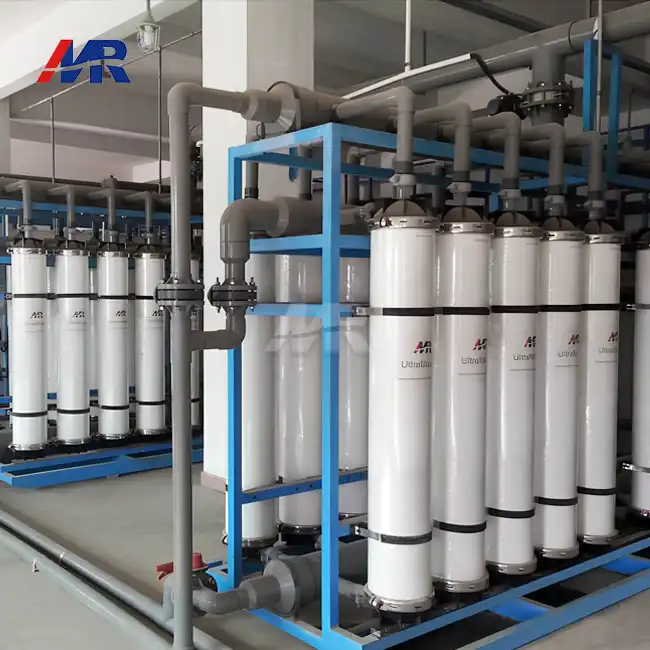 VIEW MORE200m3/hour ultrafiltration equipment
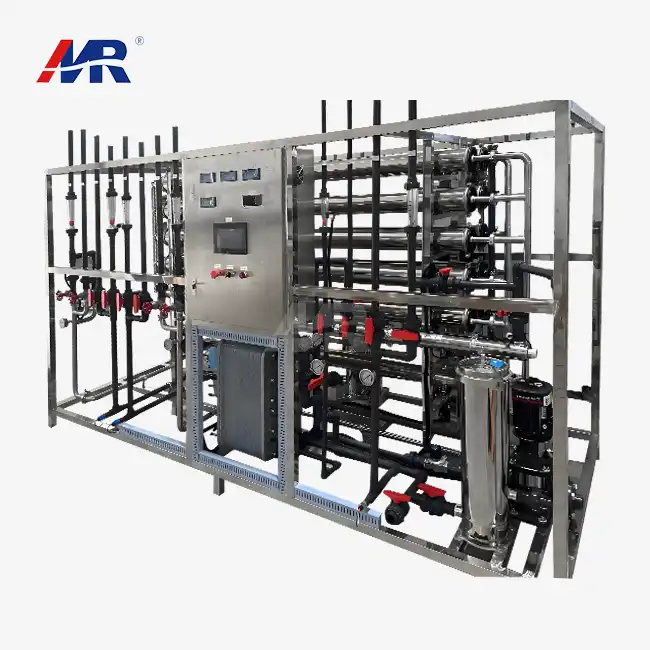 VIEW MORE2000 liters/hour EDI system
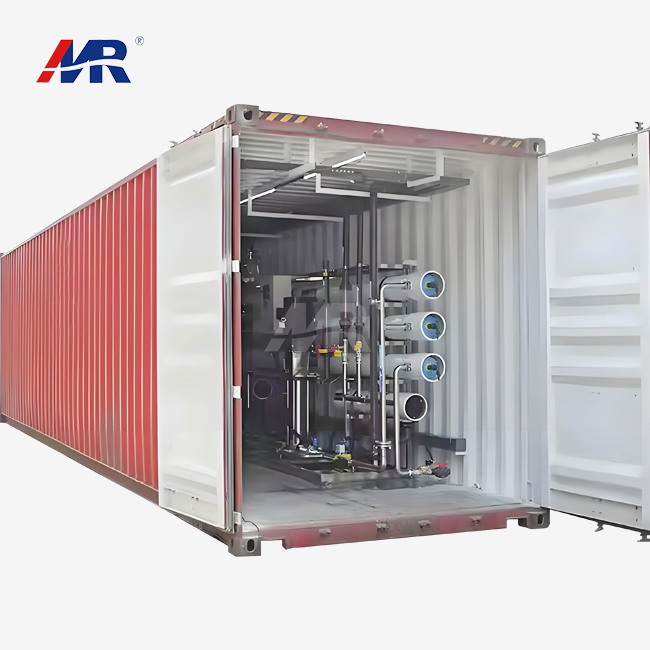 VIEW MOREContainerized Reverse Osmosis Systems
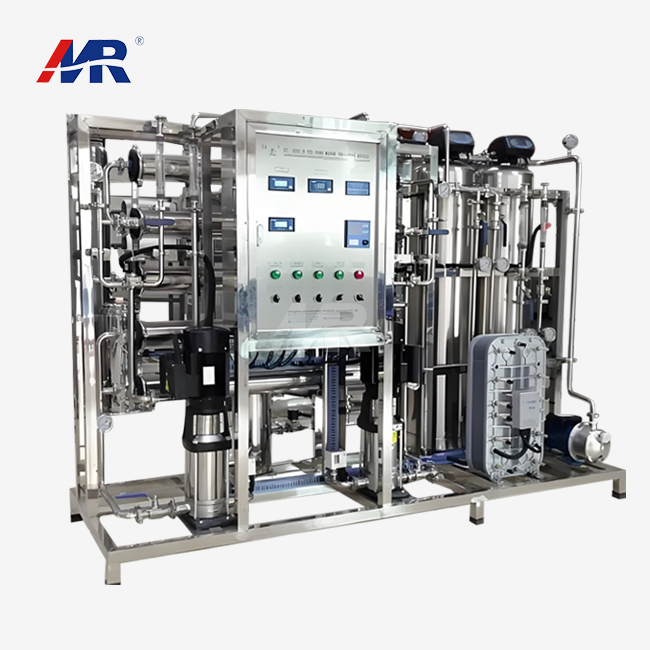 VIEW MORE1000LPH EDI system
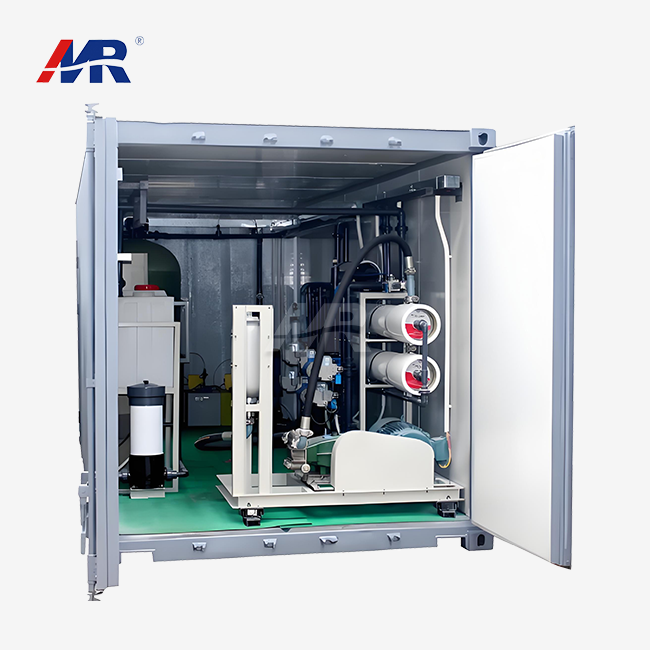 VIEW MOREcontainerized UF+RO system
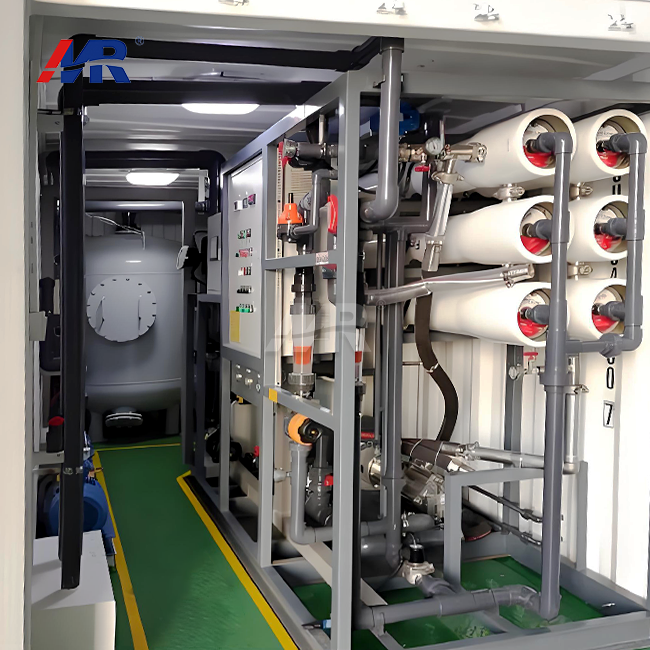 VIEW MOREcontainerized RO equipment
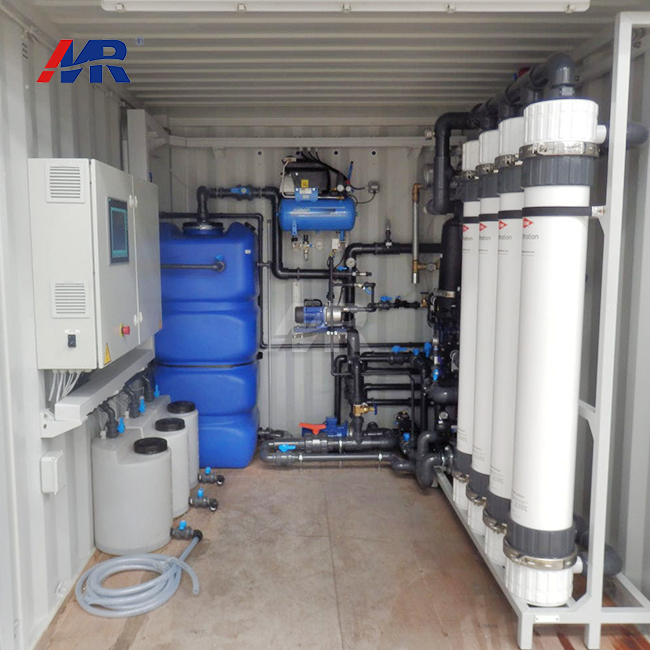 VIEW MOREcontainerized ultrafiltration equipment
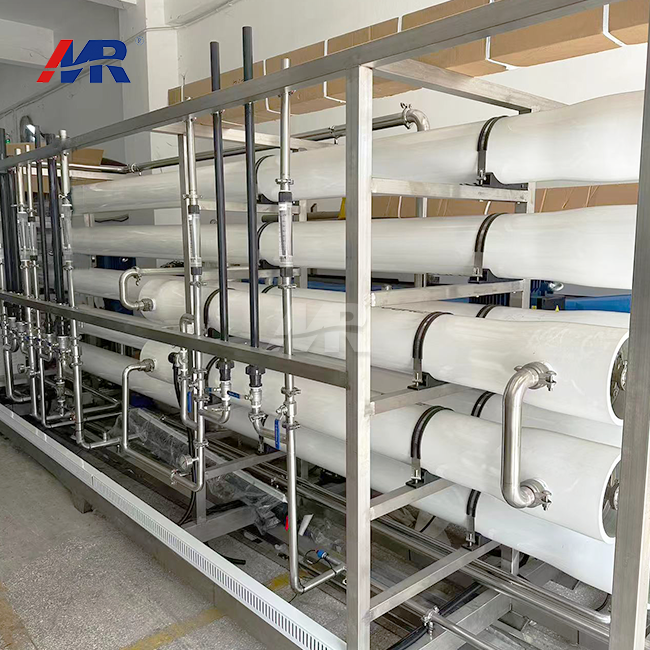 VIEW MOREosmosis drinking water system
